Top picks in New Orleans
The places most worth your time here.
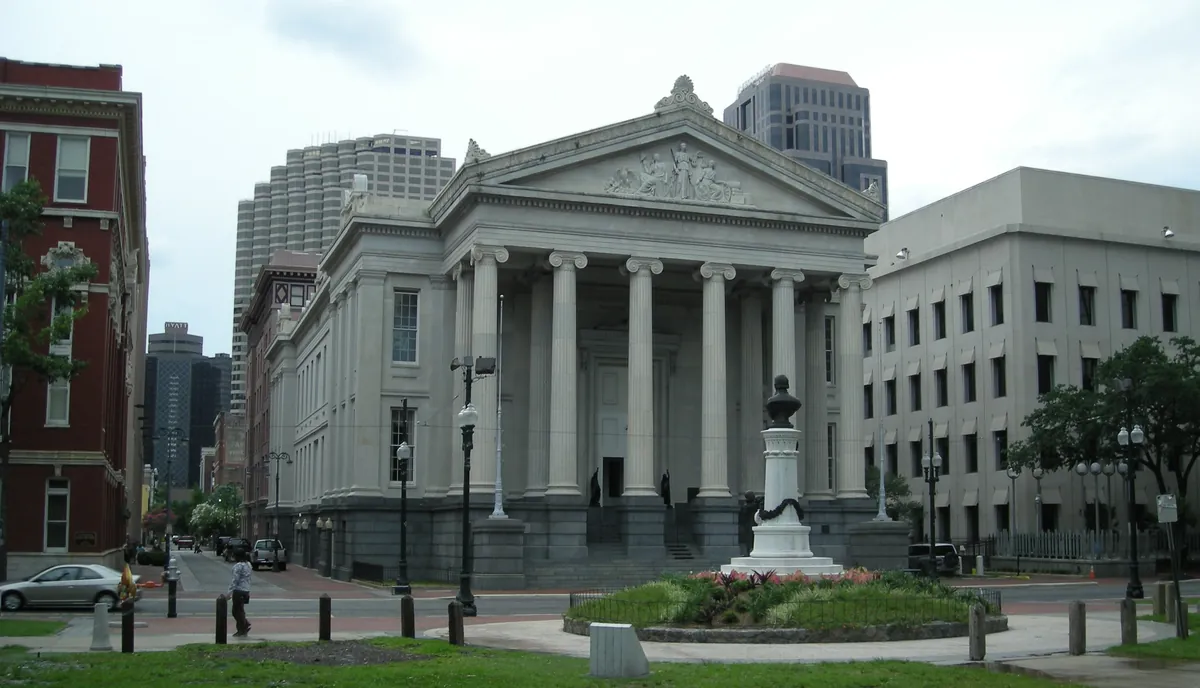
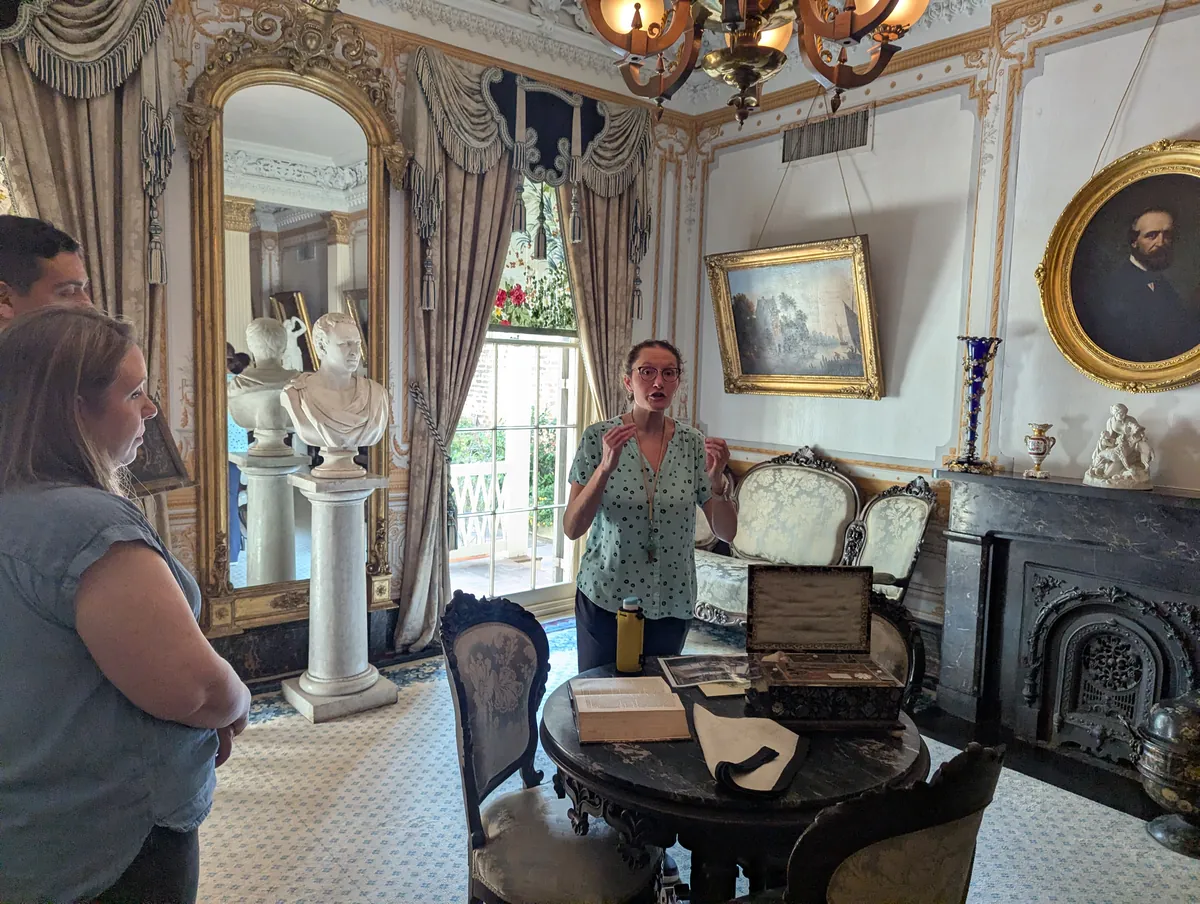
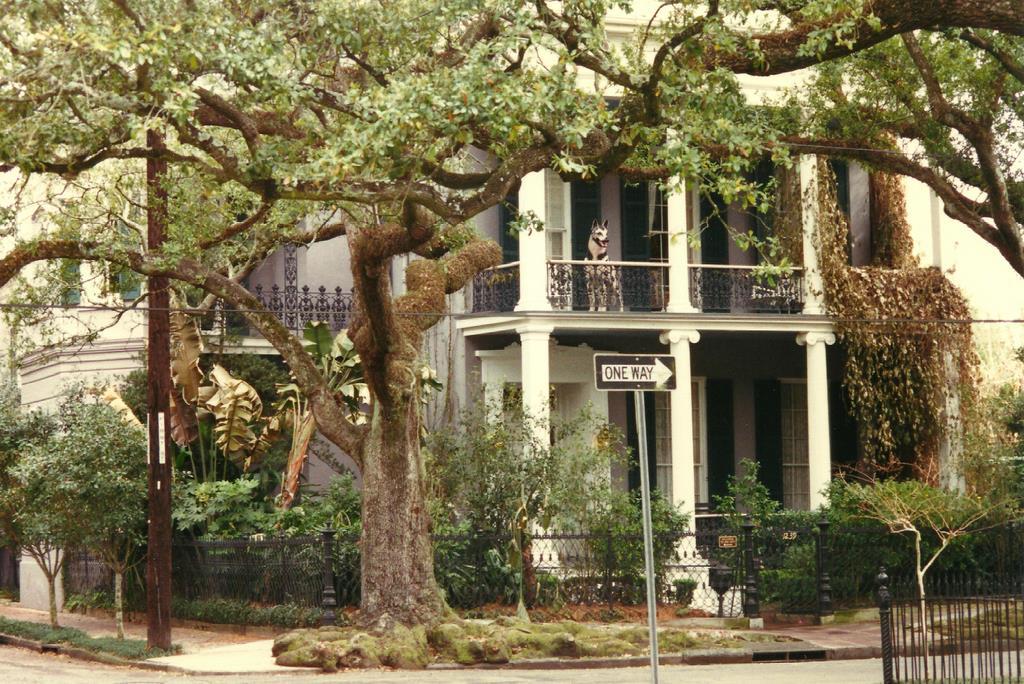
Connect your Cour circle to see which places friends and family recommend here.
Connect Cour →Landmarks
350 places worth the detour
Includes 8 ghost landmarks— places that existed here and don’t anymore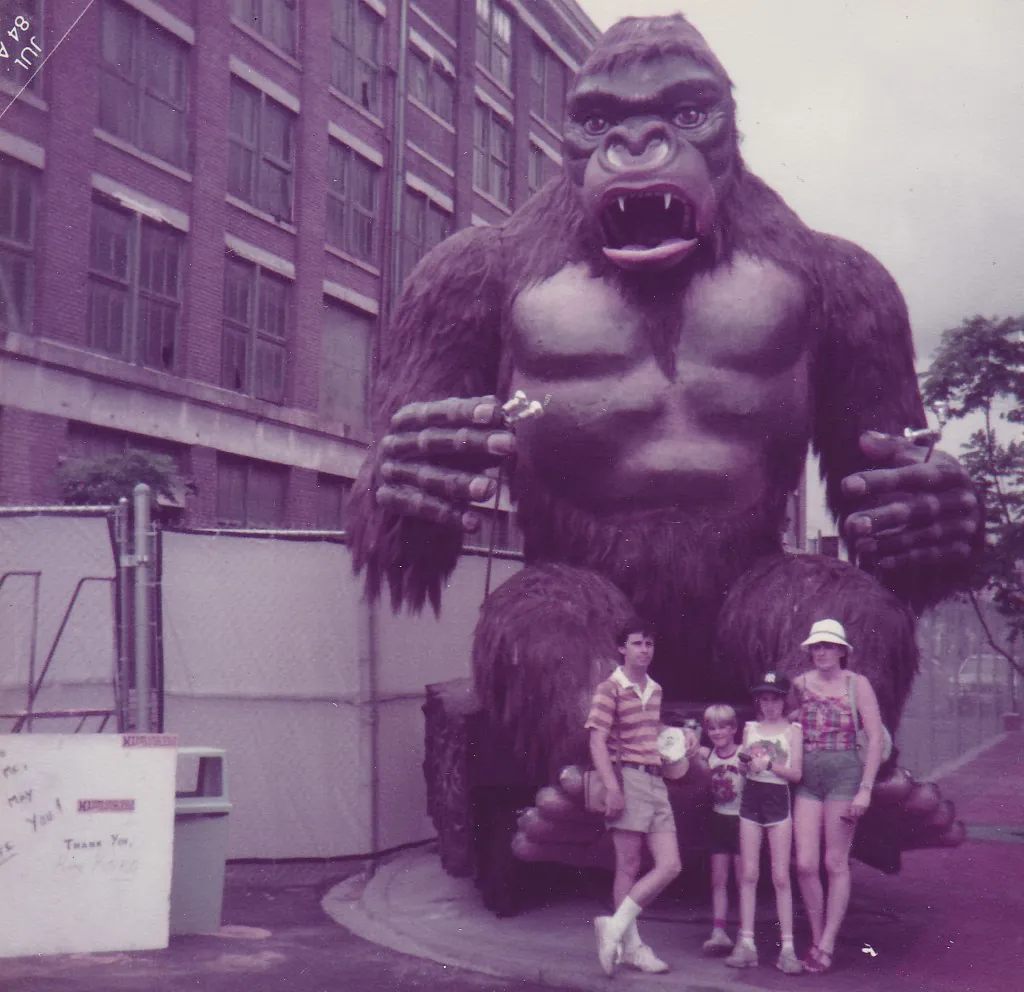
tap the eye to open · swipe or use buttons to browse
The Choctaw called it *Bulbancha* — land of many tongues — long before Jean-Baptiste Le Moyne de Bienville founded La Nouvelle-Orléans in the spring of 1718 for the French Mississippi Company. The…
Read the full storyOn the map
Tours
The bayou kept getting added to. French and Spanish made the founding layer, then the German Coast got its name, then Irish hands dug the canals, then Acadians built a country in the swamps, then Sicilians took the Quarter and Lebanese took Mid City, and Vietnamese and Croatian families joined the seafood economy that fed the state. This is the layered version of how Louisiana came to be Louisiana — one stop per wave, in the order they arrived.
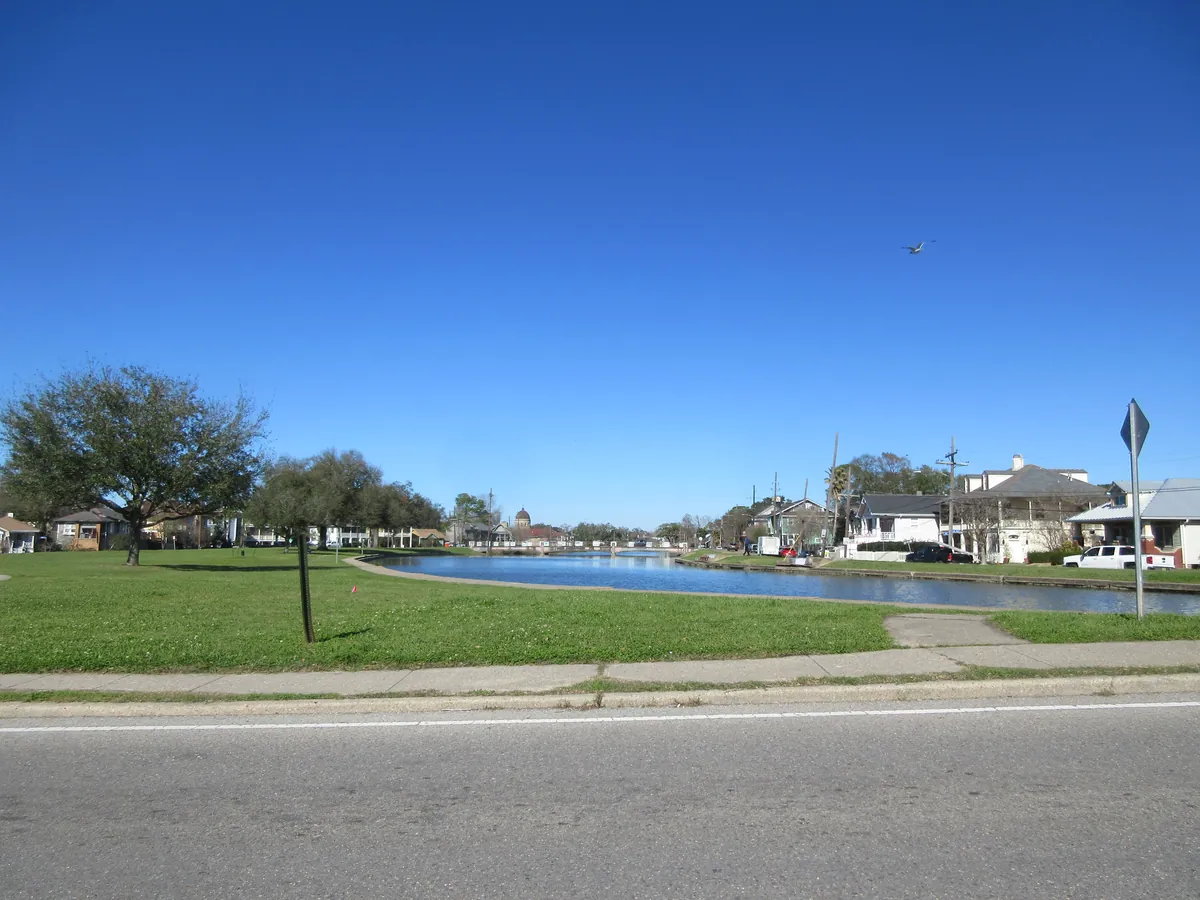
The 17th Street Canal floodwall failed on the Orleans side on August 29, 2005. The Jefferson side held, and Bucktown survived. This drive follows the lakefront the parish has always faced — starting at the broken canal, then through Bucktown, the 1850s stilt-camp fishing village whose speakeasies fed Jelly Roll Morton's early gigs. Deanie's has sold seafood off the boats since 1961; R&O's roast beef po-boy holds the corner across the street. East of there, Bonnabel and Southport are where serious anglers launch at dawn. Jefferson Parish was a lake parish before it was a suburb.
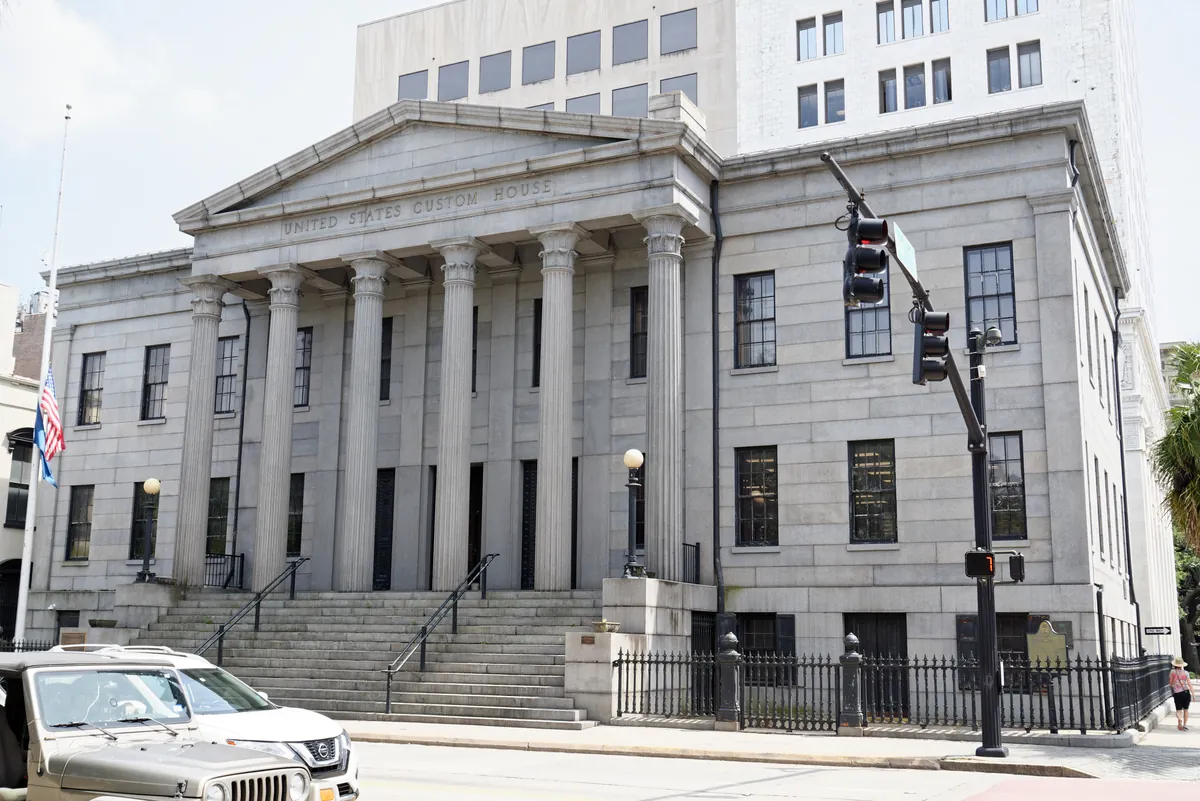
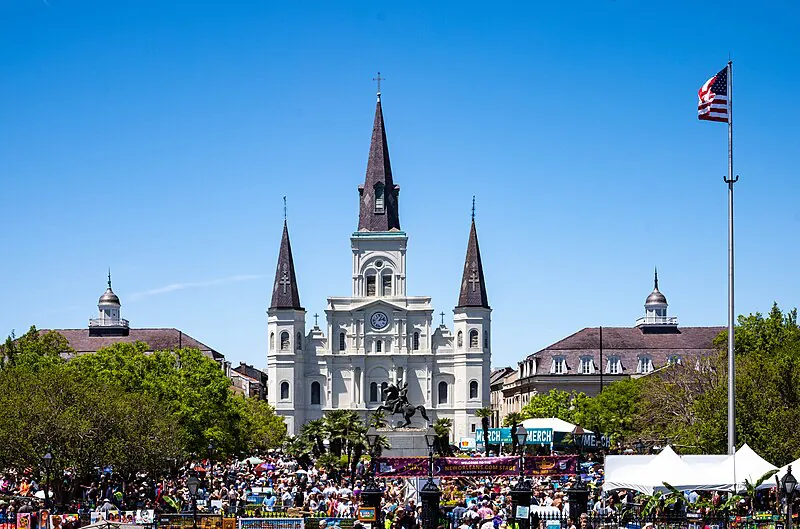
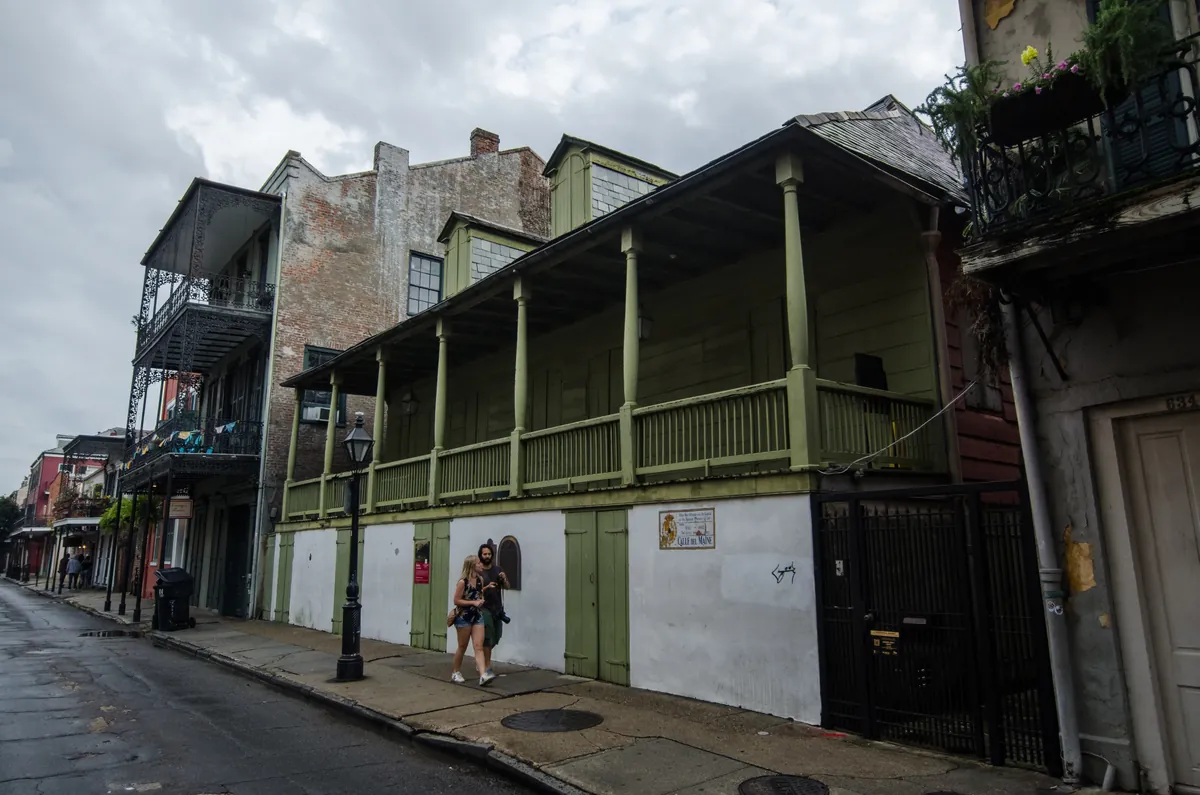
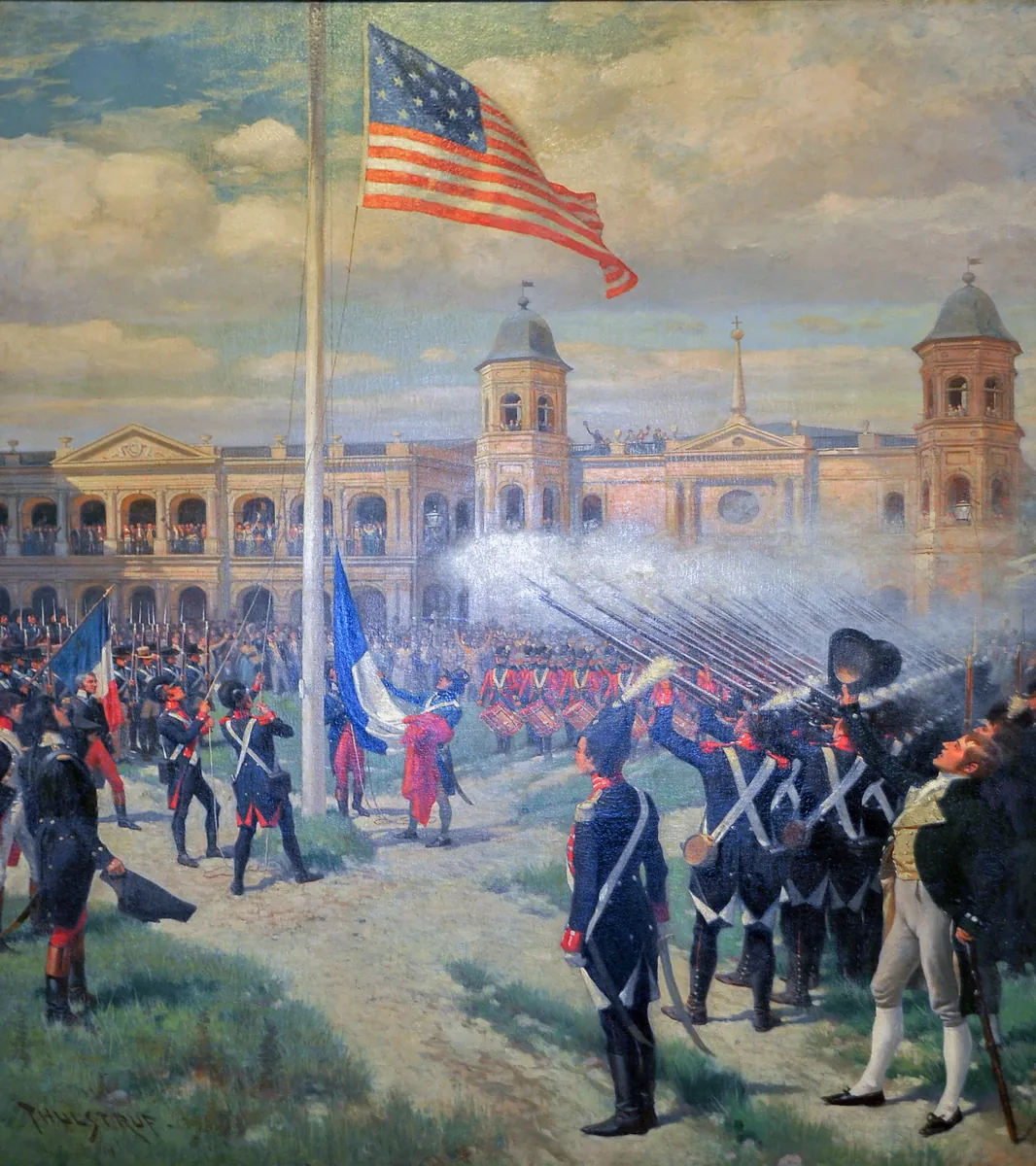
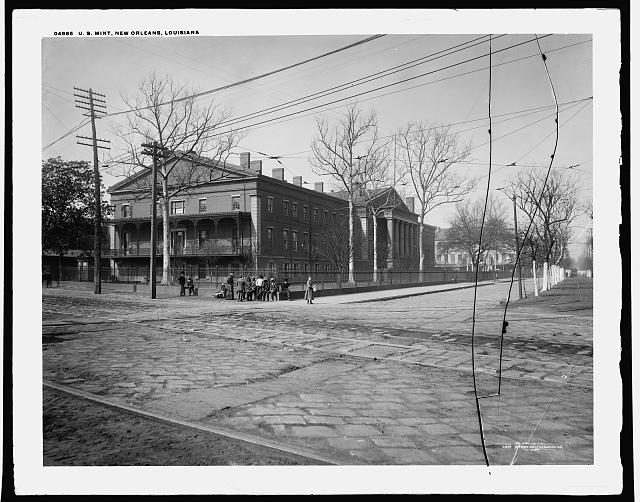
These eight National Historic Landmarks sit inside one half-mile-wide neighborhood because three successive colonial powers built their institutions on the same blocks and didn't demolish each other's work. The Old Ursuline Convent (1752) is the oldest surviving French Colonial structure in the Mississippi Valley. The Cabildo is where the Louisiana Purchase was signed in 1803, doubling the United States in a single afternoon. The U.S. Mint is the only branch that ever struck coin for the Confederacy. The Pontalba Buildings are the oldest continuously rented apartments in the country.
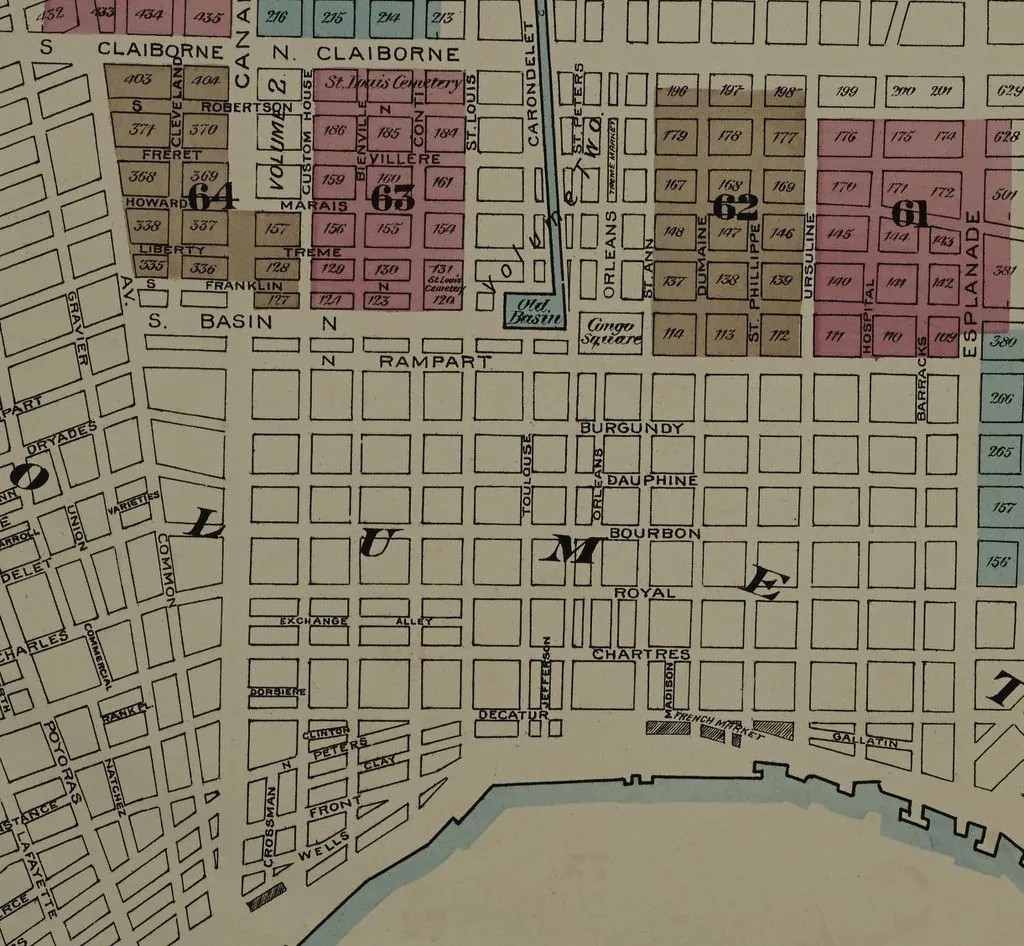
Jazz is what happens when African drumming, Creole conservatory training, and red-light district money occupy the same twenty blocks. Congo Square, where enslaved Africans gathered on Sundays from 1740, is the place in North America where African rhythm most visibly survived the crossing intact. Creole free people of color had formal conservatory training. Storyville, 1897–1917, paid for Armstrong's education. Bolden's house on First Street still stands; Armstrong's on Jane Alley is a marker. The trail walks the argument.
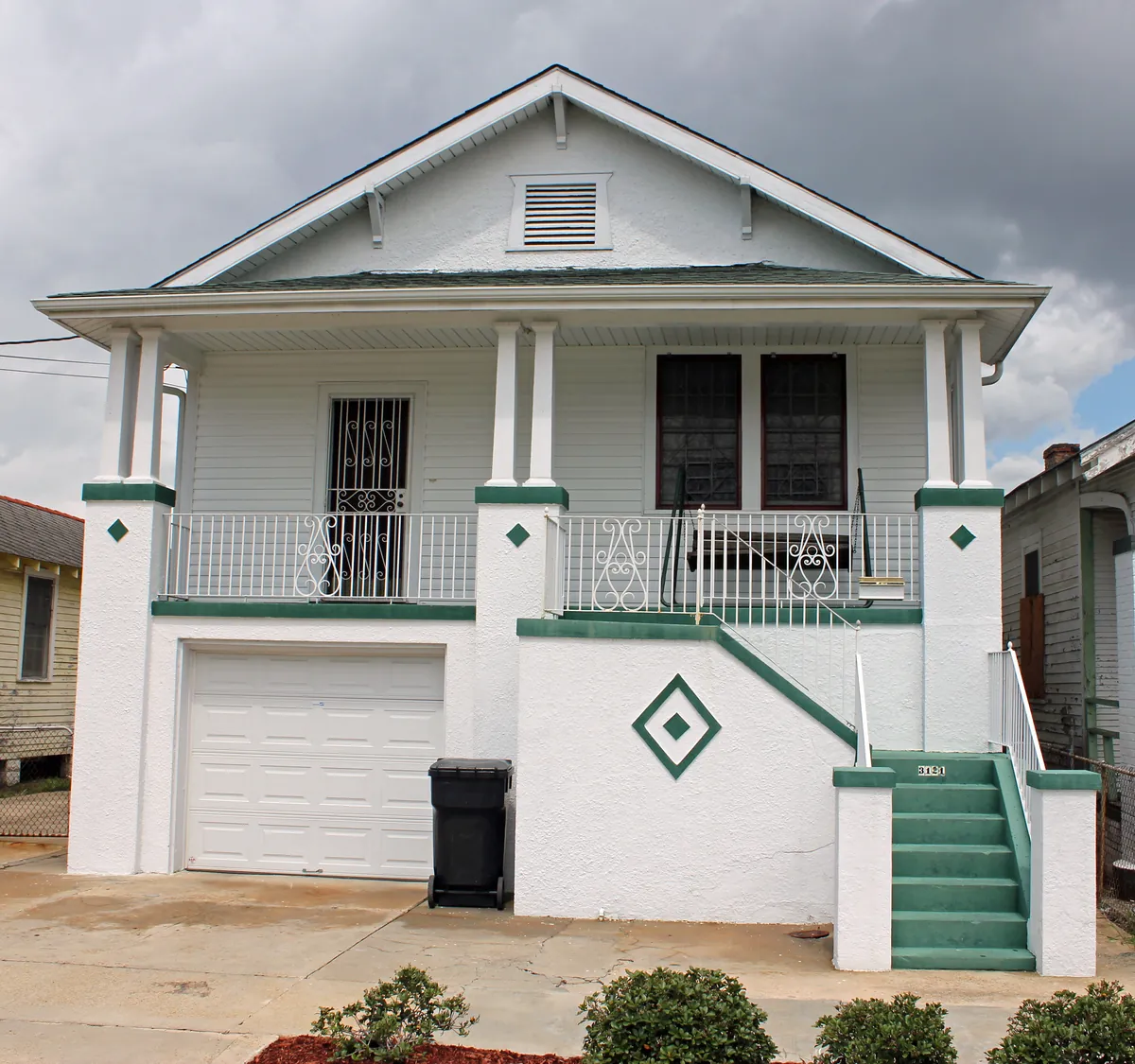
The national civil rights story skips New Orleans because the movement's center of gravity was Montgomery, and because the city's fight was mostly in courtrooms. Homer Plessy was arrested here in 1892 and lost Plessy v. Ferguson at the Supreme Court four years later — the case that invented "separate but equal." A.P. Tureaud spent four decades arguing it apart. John Minor Wisdom wrote the appellate decisions that enforced Brown. The city that legalized Jim Crow also produced the lawyers who argued it dead.
These aren't cemeteries. The French called them cités — cities of the dead where family vaults have addresses and the hierarchy of the living carries over intact. The water table gets the credit — New Orleans buries above ground because it has to — but Philadelphia had the same problem and built grass lawns. New Orleans, Catholic and Creole, refused the Protestant idea that death flattens you into a graveyard. St. Louis No. 1 (1789) was the first municipal cemetery. Six on this trip show the form perfected.
Creole cuisine is Catholic-French cooking preserved in a Protestant-American country. Antoine's, founded 1840, is the oldest family-run restaurant in the United States — a chef who trained there in 1890 could still read the menu today. The Sazerac was perfected at its namesake bar. The muffuletta was assembled at Central Grocery in 1906 by Salvatore Lupo, a Sicilian immigrant needing to move bread. Bananas Foster came out of Brennan's in 1951 to sell surplus fruit off the docks. None of this was invented for tourists.
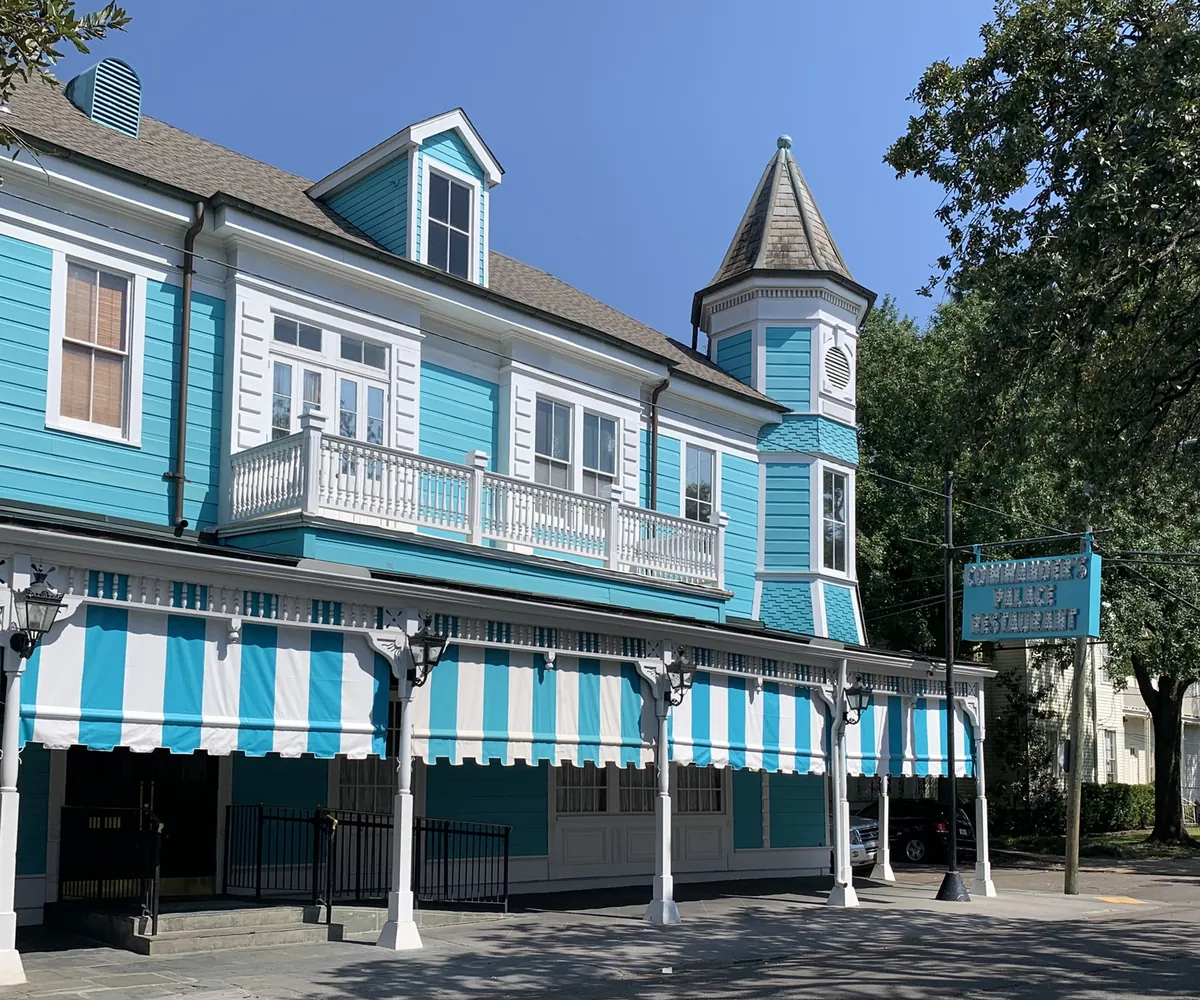
After the Louisiana Purchase, American money arrived in New Orleans and the Creoles refused to sell them lots in the Quarter. So the Americans bought the sugar plantations across Canal Street and built their rebuttal: lawns instead of courtyards, Greek Revival instead of Creole, Episcopal churches instead of Catholic. The St. Charles streetcar — the oldest continuously operating line in the world — cuts through the evidence. Anne Rice lived in the Brevard-Rice House from 1989 to 2003. Commander's Palace has served the same turtle soup since 1893.
Tremé is one of the oldest continuously Black neighborhoods in the United States, and the proof-case for what free Black Americans built when they were allowed to own property. Free people of color bought lots here in the 1810s. St. Augustine Parish, founded in 1842, is the oldest African American Catholic parish in the country. Congo Square became jazz. Mahalia Jackson was born on Pitt Street. The second-line steps off from Tuba Fats Square every week of the year.
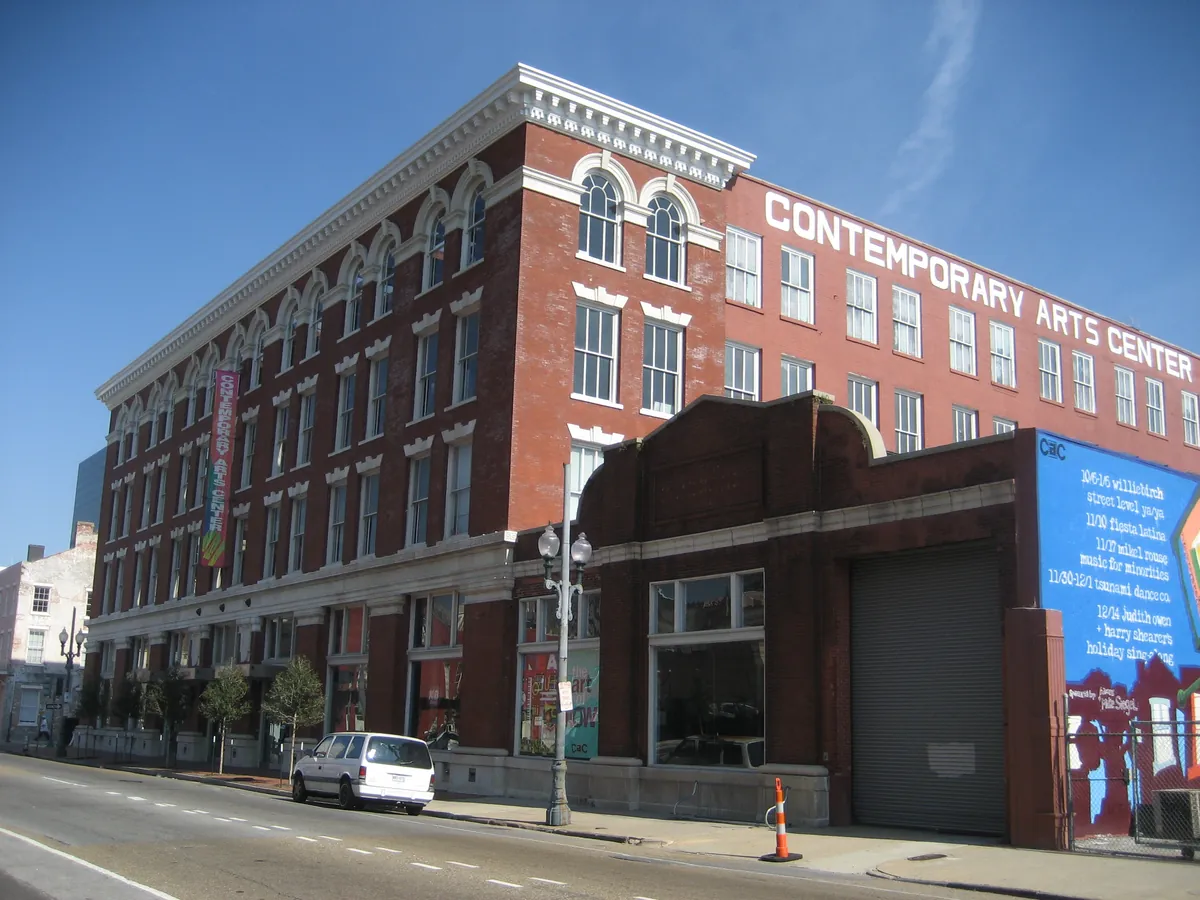
The Warehouse District is what a city does with its industrial back of house after industry leaves. Shipping pulled out of the upriver wharves in the 1960s. The 1984 World's Fair — the only World's Fair to go bankrupt — cleared what remained and left the buildings open. Stephen Ambrose founded the National D-Day Museum in 2000; it grew into the WWII Museum and the city's second-largest visitor draw. The Ogden holds the most significant collection of Southern art in the country. Lee Circle has been a vacant pillar since 2017, and the city is still arguing about what should stand there.
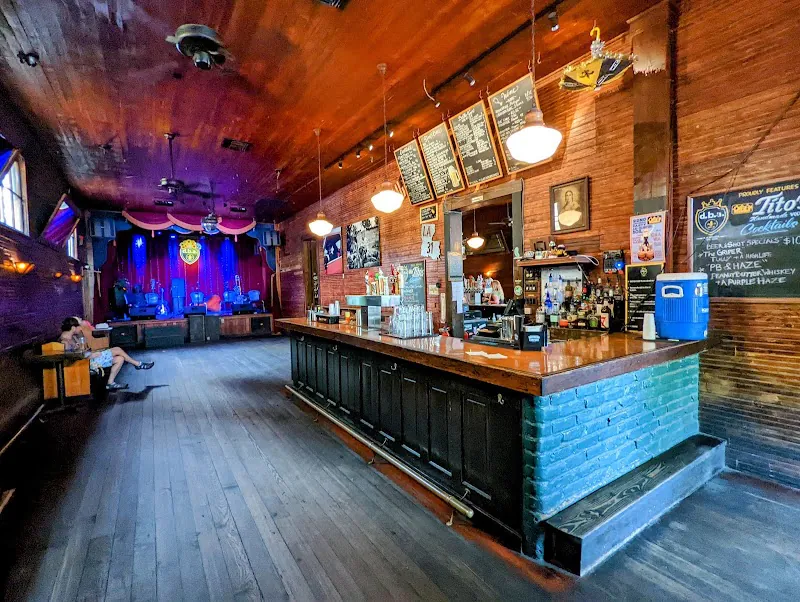
Frenchmen Street is what Bourbon Street was before tourism industrialized the Quarter. The three core venues — The Spotted Cat, d.b.a., Snug Harbor — operate on a musician economy Bourbon stopped sustaining live music as its economic engine by the 1970s: no cover at the Cat, tip the band. Snug Harbor seats two hundred for the jazz nobody plays for tourists. NOCCA, a block away, is where Harry Connick and Wynton Marsalis learned their scales. Five venues in half a mile, still working.
Watch


Reading
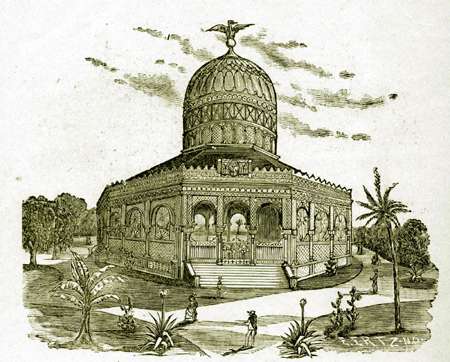
Throughout the 19th century New Orleans was the largest port in the South, exporting most of the nation's cotton output to Western Europe and New England. It was the largest city in the South when the Civil War began. The wealth came from moving what grew inland out to the world, and the city built institutions meant to last on the strength of it — Antoine Alciatore founded his restaurant here in 1840, and five generations later his family still runs it, the oldest family-run restaurant in the United States. By 1884, that cotton economy got its monument: the World's Industrial and Cotton Centennial Exposition, six months on 249 acres of swampy Uptown ground, 1.5 million visitors filing into what was briefly the largest building ever constructed. It ran a million dollars over budget and collapsed into bankruptcy. The land became Audubon Park — one of the finest urban green spaces in the South, the legacy of a spectacular failure.
In 1925, William Faulkner rented a room at 624 Pirate's Alley, next door to St. Louis Cathedral, and wrote *Soldiers' Pay* there while sharing cheap wine with Sherwood Anderson. He left for Oxford within a year, but the apprenticeship happened in that room — which is now Faulkner House Books. Tennessee Williams found his voice on Toulouse Street, rode a working-class streetcar line called Desire, and turned its geographically real stage direction — transfer to one called Cemeteries — into the most famous American play set in this city. The line ran from 1920 to 1948, then disappeared; nothing of the infrastructure remains. Kate Chopin wrote *The Awakening* on Magazine Street. Walker Percy set *The Moviegoer* in Gentilly. Anne Rice built a vampire empire from the Garden District. The density is not coincidence. The city that survived yellow fever, occupation, and a catastrophic federal levee failure in 2005 has always required invention to endure — and writers have always known where to find it.
Before it had a French name, it had a function. The Chitimacha, Choctaw, and Houma called this place Bulbancha — Place of Many Languages — and for centuries they ran dugout canoes through the short portage between Bayou St. John and the Mississippi, connecting the Gulf Coast to the continental interior. In 1718, Bienville chose this exact crescent of high ground to found La Nouvelle-Orléans, naming it for Philippe II, Duke of Orléans. He didn't discover the route — the portage was already there. After the Louisiana Purchase in 1803, Americans flooded in and built uptown, because the Creoles wouldn't have them in the Quarter. Canal Street — 171 feet wide, the widest main street in the country — became the dividing line. The median between the two sides was called the neutral ground, where Creole and American merchants met to trade without entering each other's territory. New Orleanians still call every median in the city a neutral ground.
Antoine Amadée Peychaud opened a pharmacy on Royal Street in 1838 and made bitters. That same year, at the Sazerac Coffee House on Exchange Alley, someone combined those bitters with Sazerac-de-Forge cognac and made what is now a strong candidate for the oldest American cocktail. When phylloxera destroyed the French cognac supply in the 1870s, the recipe switched to rye whiskey and kept going. In 1888, Henry C. Ramos invented a drink at the Imperial Cabinet Saloon on Gravier Street that required twelve minutes of continuous shaking — during Carnival, he hired relay teams of shaker boys to keep up with demand. The Louisiana Legislature made the Sazerac the city's official cocktail in 2008, but the designation only confirmed what the bar culture here had always understood: New Orleans doesn't just drink well. It invents.
On August 29, 2005, the floodwall on the Orleans side of the 17th Street Canal — dug in 1858 to drain swampland — split open while Jefferson Parish stayed dry. What followed wasn't just a flood; it was an abandonment. New Orleans lost much of its Black population, and the city's culture shifted in ways that couldn't be replaced. Into that gap, in 2006, Pam Dashiell founded a community center in the Lower Ninth Ward focused on what rebuilding agencies didn't touch: environmental justice, community agriculture, youth education. Run by residents for residents, operating from a repurposed building, it became the closest thing the neighborhood had to a civic anchor. The city's flag — three gold fleurs-de-lis on white, adopted 1918 — had always marked French, Spanish, and American rule. After Katrina, people tattooed it on their arms. The symbol moved from lampposts and manhole covers into skin, a mark of who came back and what they were still building.
The water table in New Orleans sits one to two feet below grade. That single geological fact explains everything you are about to walk through. The French learned early that wooden boxes buried in summer would be pushed back up by the next rainfall, so the city built upward — sealed masonry vaults that bake in the Louisiana sun until, after a year and a day, only dry bone remains. Then the chamber is cleaned and readied for the next tenant. One vault holds decades of the dead. The result is a city built twice over: the living one you arrived in, and the one mapped in marble and plaster above the waterlogged earth. Each cemetery tells a different story of who made this city — the firemen's associations, the free people of color, the working-class immigrants, the fever dead. The ground insisted on honesty. New Orleans obliged.
By 1910 the French Quarter was more Italian than French. Sicilian immigrants had arrived in huge numbers in the 1880s and 90s, and they ran the grocery stores and fruit stalls and family restaurants on streets that still carry French names. Antonio Monteleone, a Sicilian cobbler, opened shop on Royal Street around 1880 and bought a hotel at Royal and Iberville in 1886 that the family expanded through 1928 — one of the few American family-owned hotels to survive the Depression. In 1906, Salvatore Lupo watched Italian dock workers juggling their lunch and stacked it all on a round sesame loaf at Central Grocery, 923 Decatur. The muffuletta was born. Not every chapter is on a plaque. In 1891 a New Orleans mob lynched eleven Italian men — one of the largest mass lynchings in American history; no marker explains what happened. The food is where the story holds.
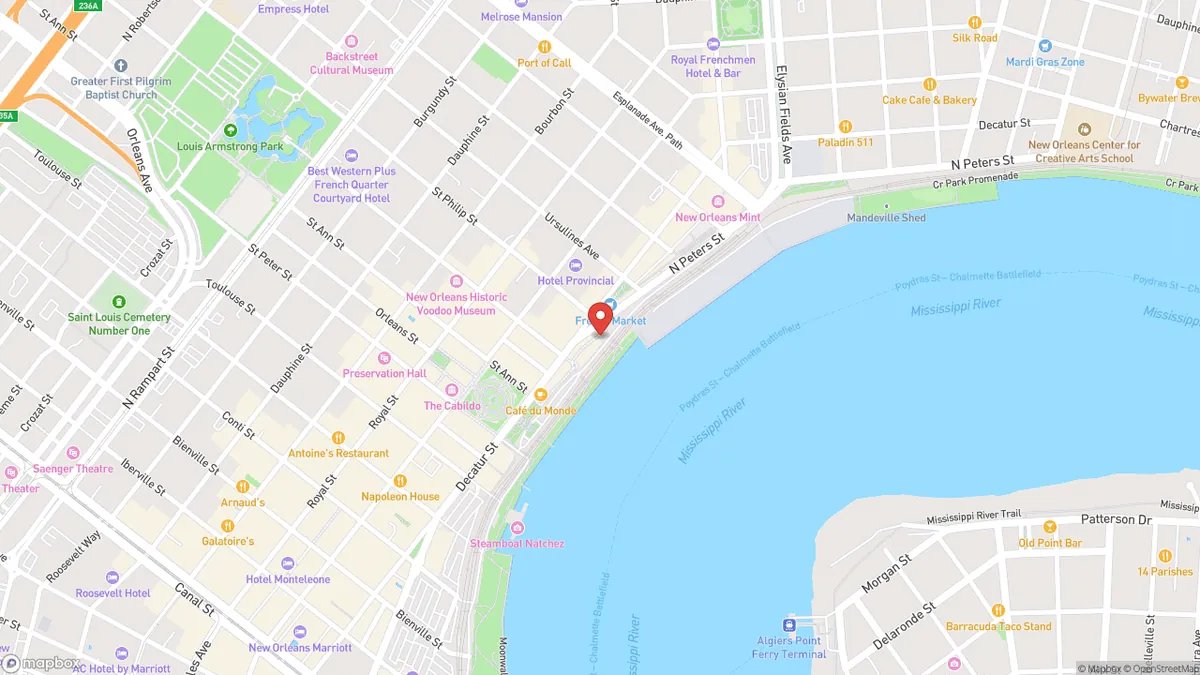
The men who dug the New Basin Canal between 1832 and 1838 came from Ireland because the Famine left them nothing to stay for. They worked by hand, three miles of swamp, a dollar a day. Yellow fever and cholera took the camps — the death toll was never officially recorded; estimates ran from 8,000 to 30,000. The ones who survived built houses on the river side of Magazine Street and made the Irish Channel. In 1840 they raised St. Patrick's Church in the American Sector — an 85-foot vaulted ceiling, stained glass shipped from Europe, a cathedral-scale rebuke to anyone who'd written them off. In 1896, Kingsley House opened on Constance Street as the South's first settlement house, modeled on Jane Addams' Hull House in Chicago. It's still on Constance Street, still doing the work, 130 years on. The Channel changed; the bones stayed.
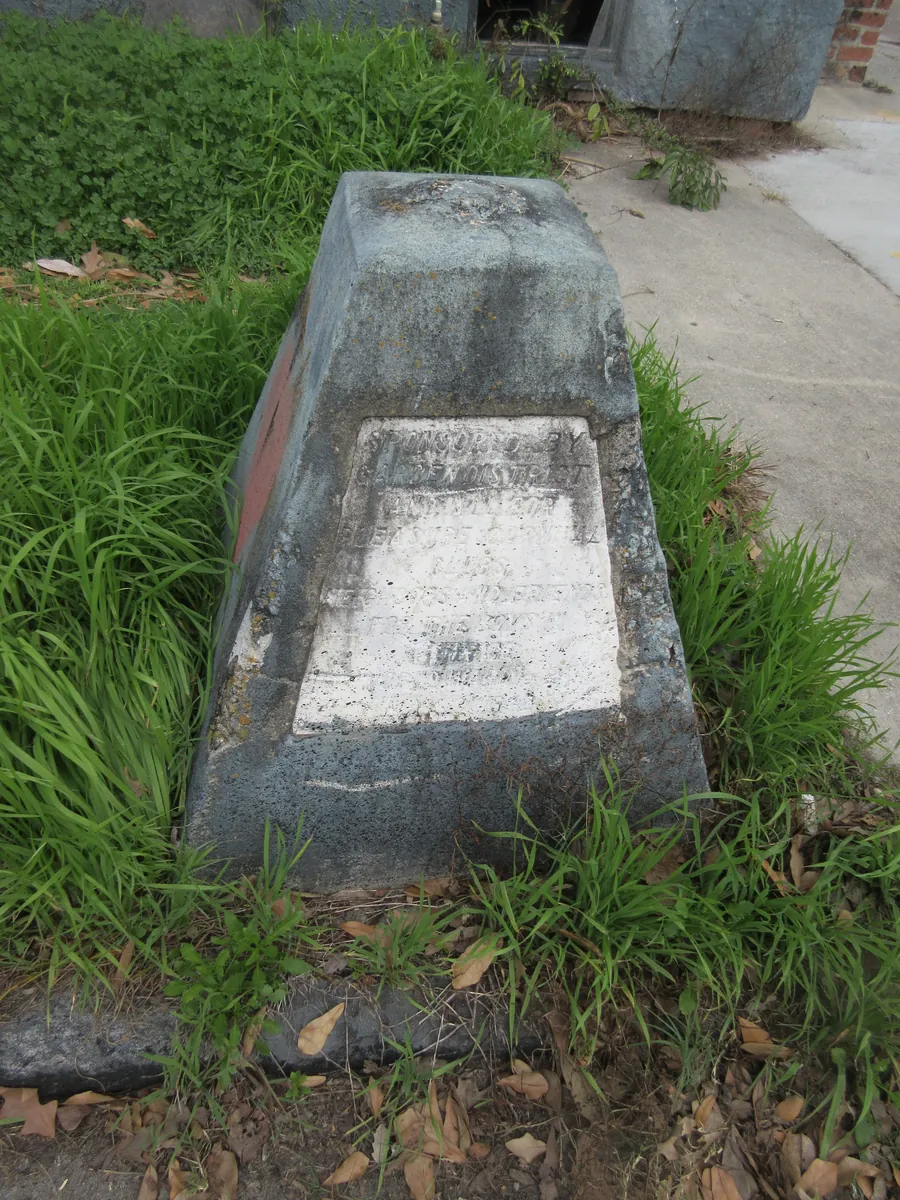
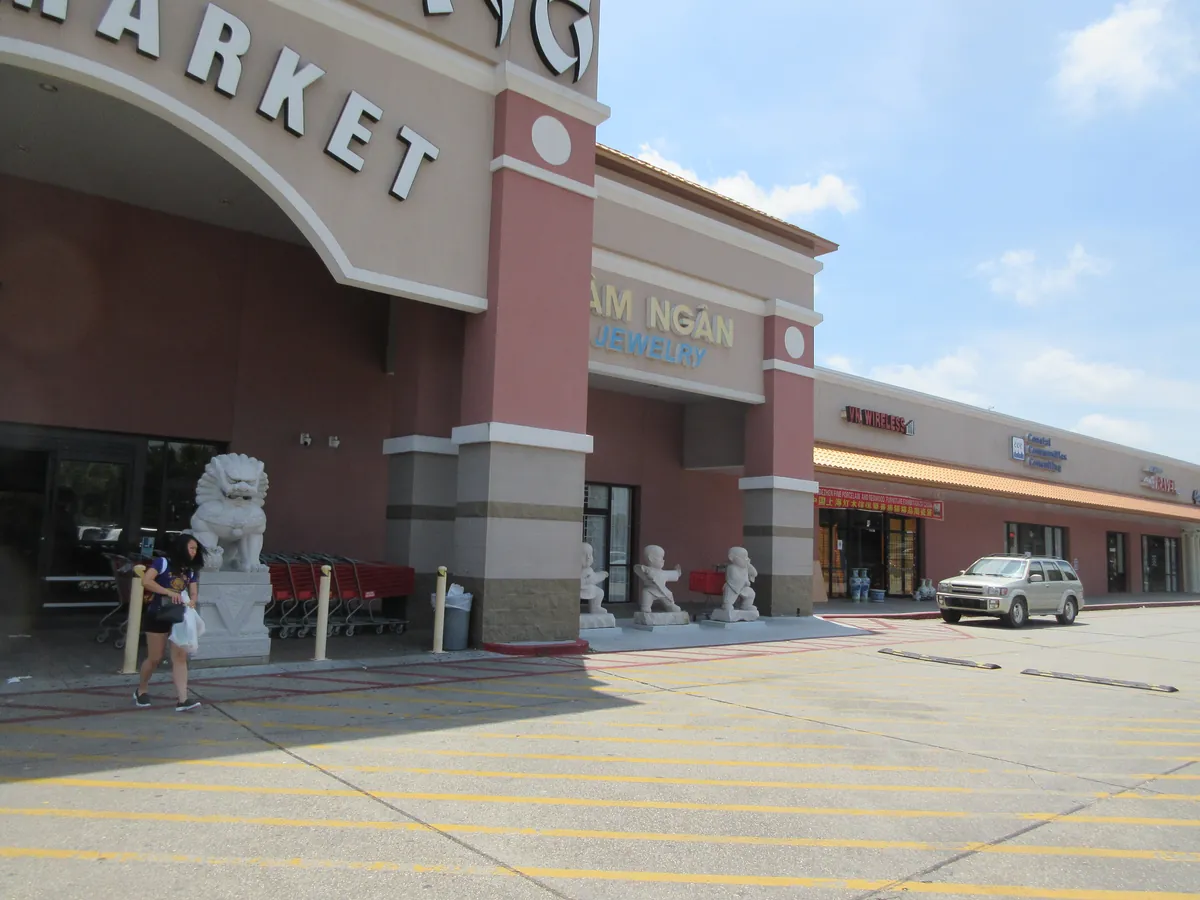
Versailles, in New Orleans East, is home to the largest Vietnamese community outside Vietnam's own diaspora hubs — families who arrived as refugees in 1975 and built their own Catholic parish, market, and commercial strip on the edge of swamp. The Saturday morning market on Alcee Fortier runs before dawn, with vendors speaking Vietnamese, selling herbs, live crawfish, and bun bo Hue. It's the least-visited and most-alive immigrant neighborhood in the city.
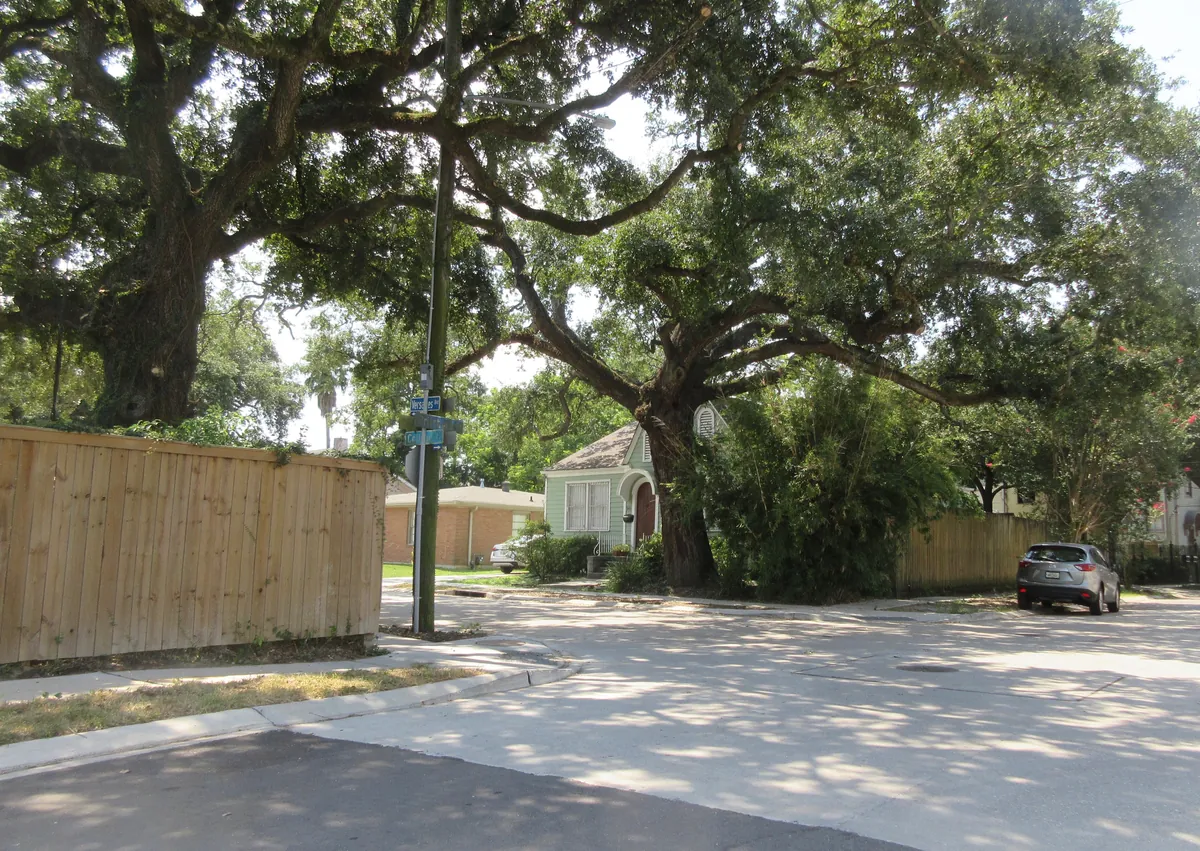
The Tremé Market on Orleans Avenue has been the commercial heart of the neighborhood since 1812, making it one of the oldest African American market traditions in America. Enslaved and free people of color sold produce, meat, and prepared food here generations before emancipation. The current building dates to later rebuilds, but the site, the vendors, and the function have been continuous. It's where Creole cooking bought its ingredients.
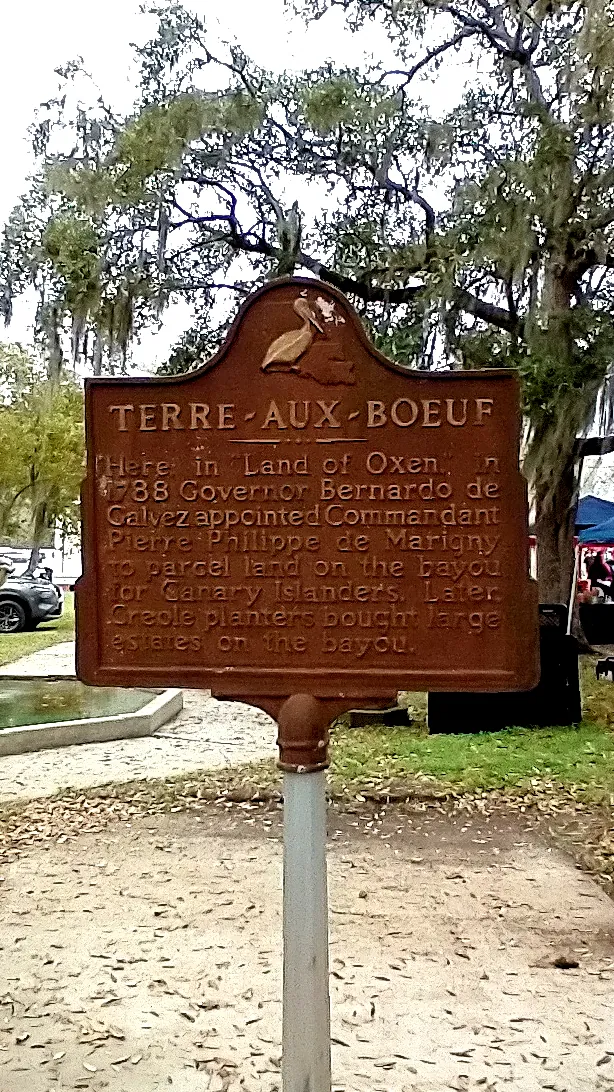
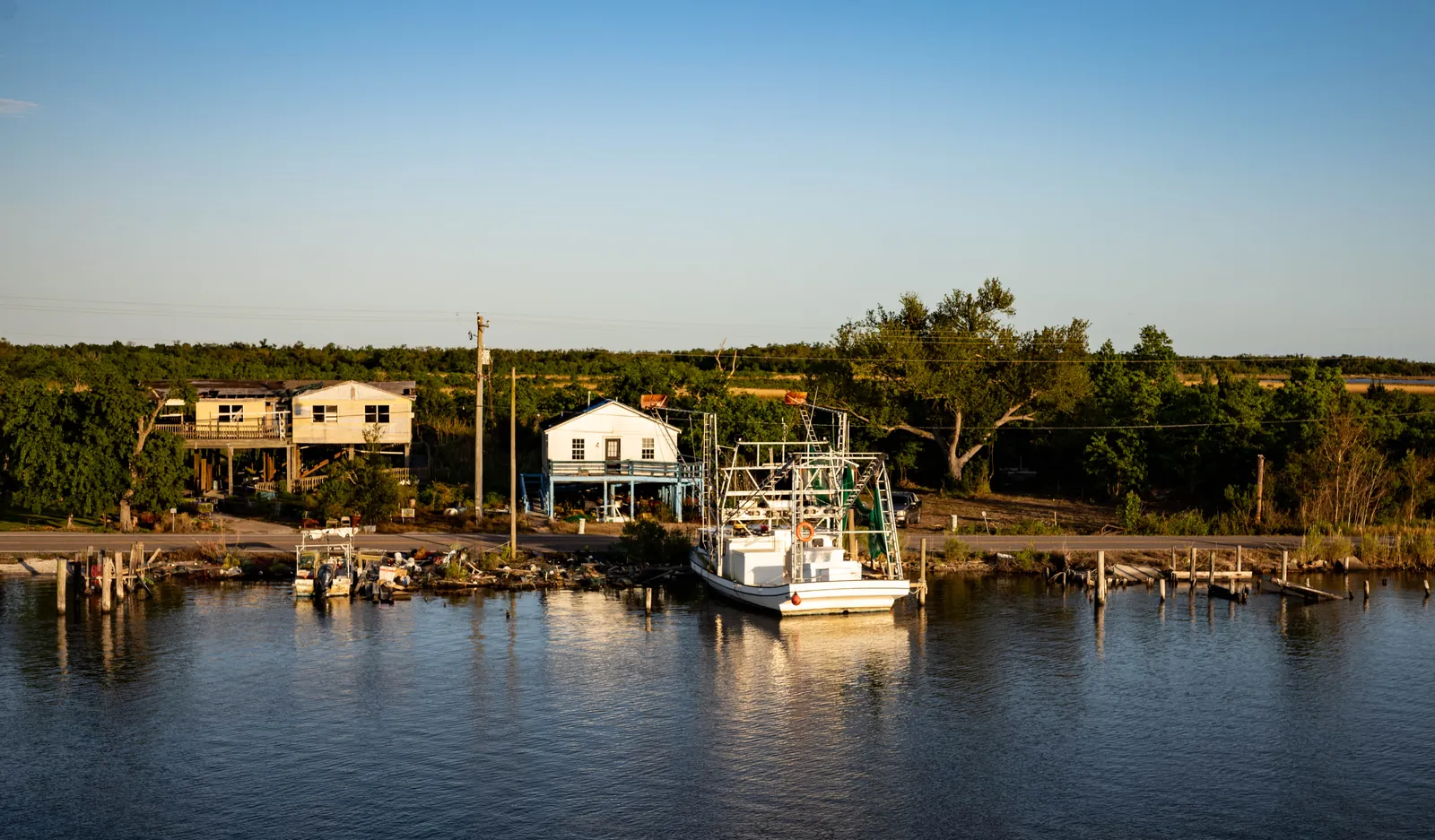
This state-designated scenic byway follows Bayou Terre-aux-Bœufs — an abandoned channel of the Mississippi River — through the heart of the Isleño settlements. The route passes historic homes, fishing villages, and plantation sites dating to the 1700s. The bayou's French name means 'Land of the Buffalo,' a reminder that bison once roamed the marshes before European contact.
The home base of the most powerful political boss in Louisiana outside New Orleans. Leander Perez controlled Plaquemines Parish for decades through a combination of oil revenue, patronage, and racial terror. He swung the parish to the Dixiecrats in 1948 and kept it anti-Democratic at the presidential level for the rest of the century. When the Catholic Church ordered school integration, Perez fought it so viciously that Archbishop Rummel excommunicated him in 1962 — one of the most dramatic acts by the American Catholic Church in the civil rights era. The NRHP-listed mansion in Braithwaite is privately held. Viewable from the road.
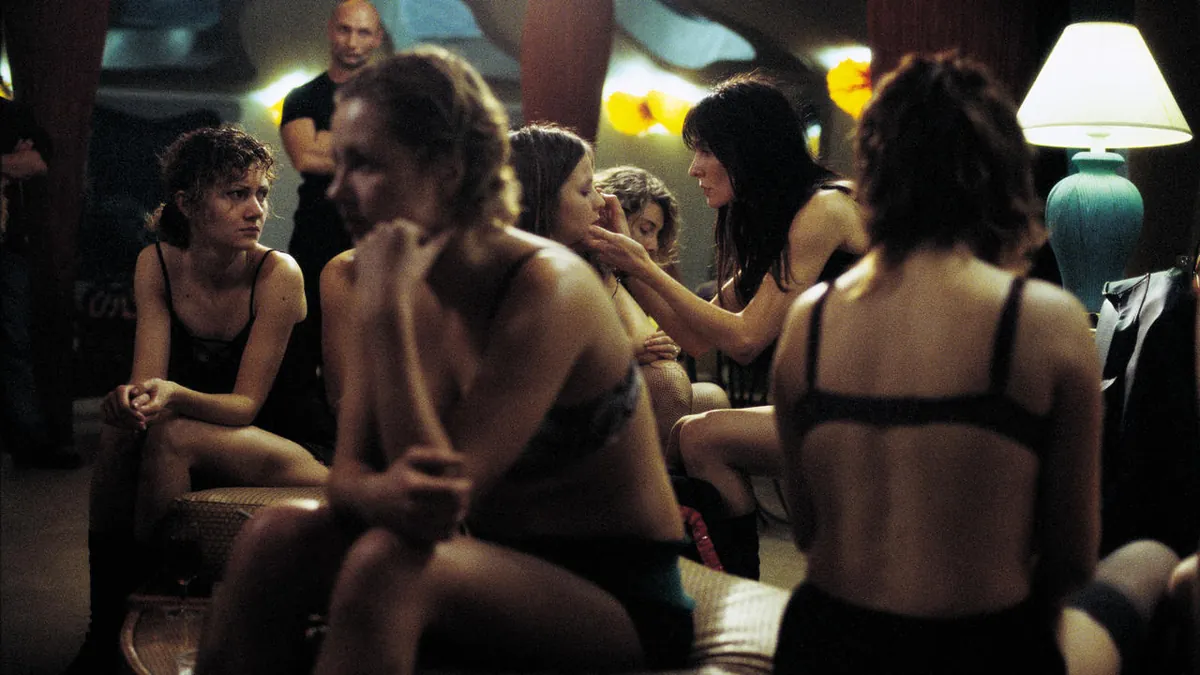
The workers' neighborhood that grew up around the Domino Sugar refinery and the Ford Motor Company assembly plant — both of which operated in Arabi, just across the parish line from the Lower Ninth Ward. The NRHP-listed district preserves the shotgun houses and corner stores of an early 20th-century industrial community. The Ford plant is also individually listed on the National Register.
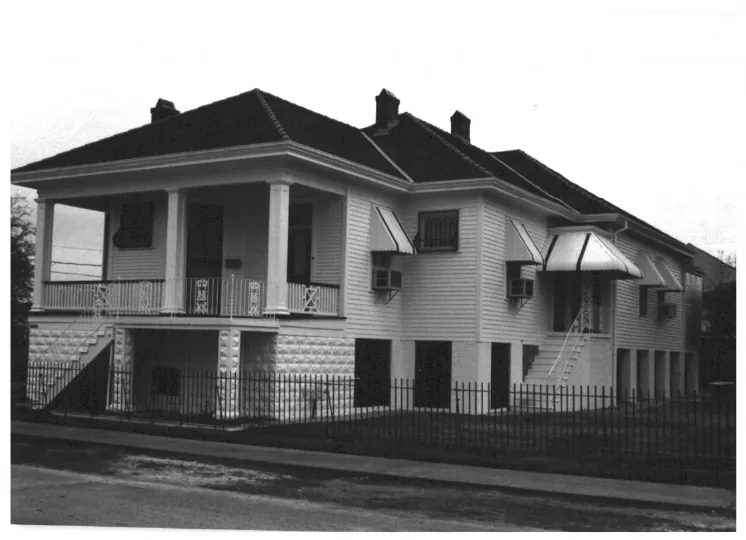
What the rest of the country calls a median, New Orleans calls the neutral ground — a name that dates to the strip of Canal Street that separated the French-speaking Creole downtown from the English-speaking American uptown, territory neither side claimed. The term stuck. Now every median is a neutral ground, and the linguistic fossil points to a century of civic tension. St. Charles' neutral ground is where you watch parades.
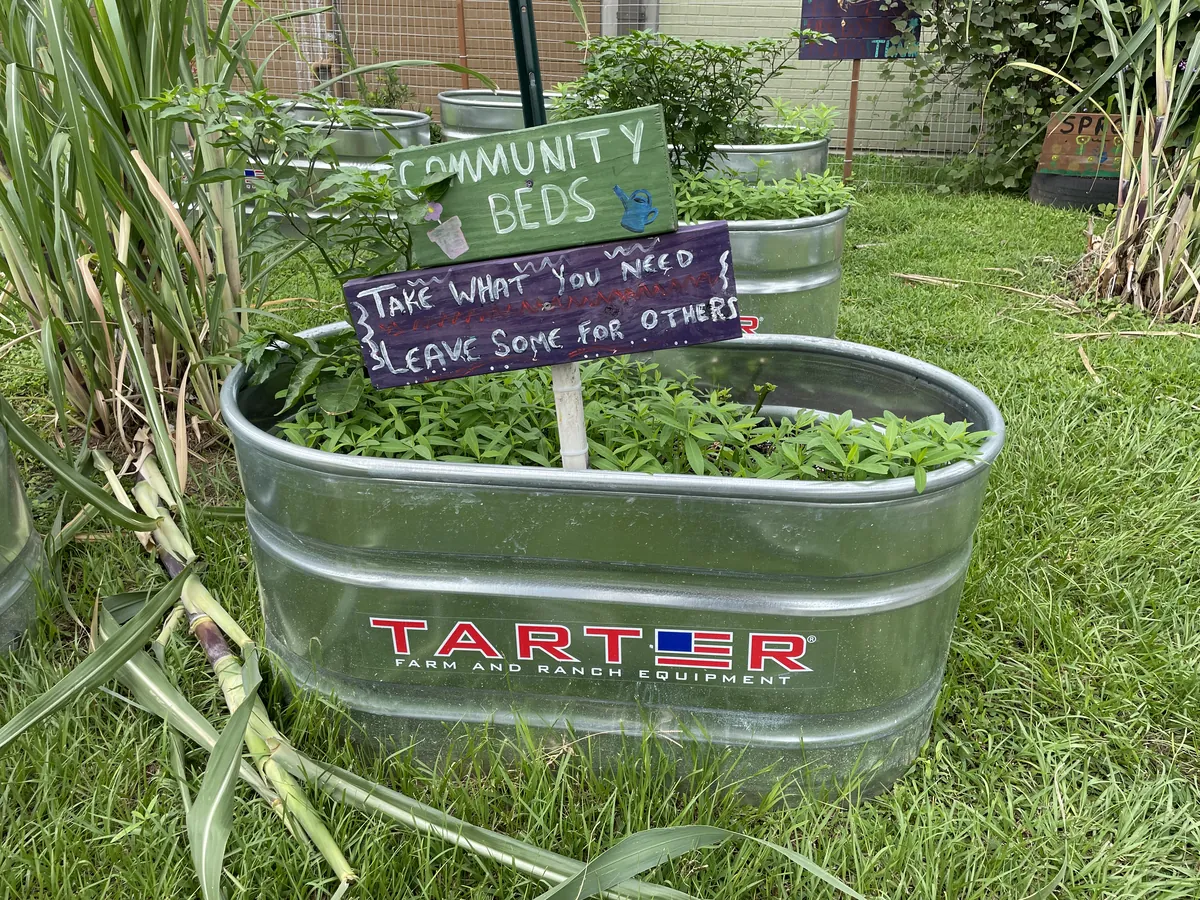
Kingsley House opened in 1896 on Constance Street in the Irish Channel — the first settlement house in the South, modeled on Jane Addams' Hull House in Chicago. Its founders offered immigrant families English lessons, health clinics, and kindergarten in a neighborhood the city otherwise ignored. The institution is still operating, still at the same address, still doing the same work 130 years later. Few nonprofits in America have a longer continuous run.
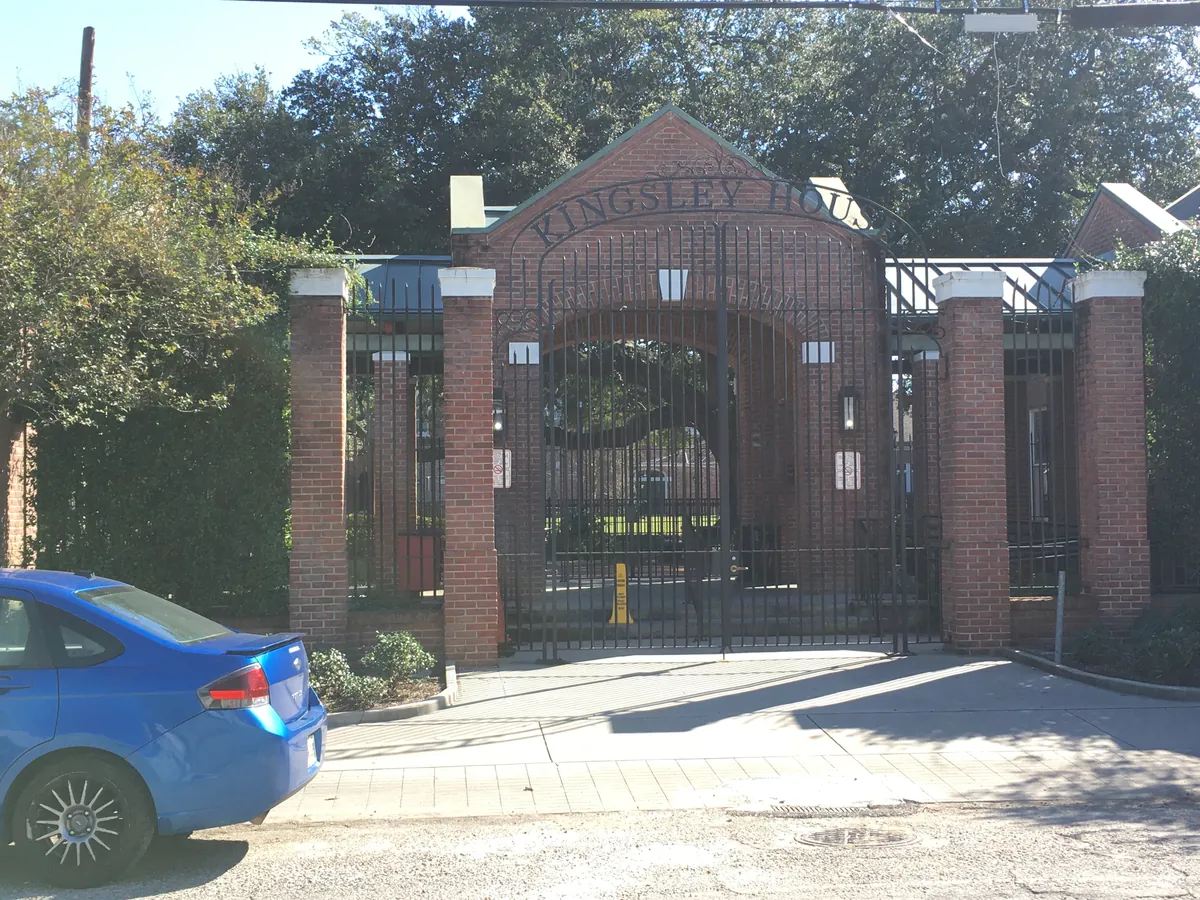
Kate Chopin spent the 1870s and 80s living on Magazine Street with her Creole husband, watching a city that would give her the material for The Awakening — the 1899 novel that ended her career and later became one of the founding texts of American feminist literature. Chopin walked these streets pregnant with six children in twelve years. Edna Pontellier, her protagonist, walks them too. The houses Chopin lived in are gone, but the avenue remembers.
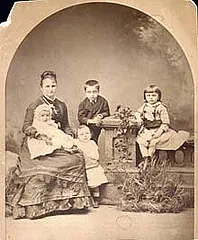
One of the earliest European sites in Louisiana. Pierre Le Moyne d'Iberville built this fort in 1700 — called 'Mississippi Fort' — to anchor France's claim on the river. By 1707, Native Americans had forced the French to abandon it. No physical trace remains above ground; only a historical marker on a low ridge surrounded by swamp identifies the spot where France's Mississippi ambition began and failed. A National Historic Landmark for the story, not the structure.
On March 3, 1699, Pierre Le Moyne d'Iberville and his party camped on the east bank of the Mississippi River across from what would become Fort Jackson. It was Mardi Gras day. Iberville named the spot 'Bayou Mardi Gras' — the first recorded celebration of Carnival in Louisiana, a quarter century before New Orleans existed. A plaque at Fort Jackson commemorates the site. New Orleans didn't invent Mardi Gras. Plaquemines Parish did.
When Admiral David Farragut’s fleet ran the gauntlet past the forts south of the city in April 1862, New Orleans fell without a ground battle. Confederate General Mansfield Lovell retreated from City Hall through the CBD to the train station, evacuating what troops he could before Union forces occupied the city. The route from Lafayette Square to the old Canal Street depot traces the Confederate withdrawal — the moment the richest city in the Confederacy changed hands and the course of the western war shifted permanently.
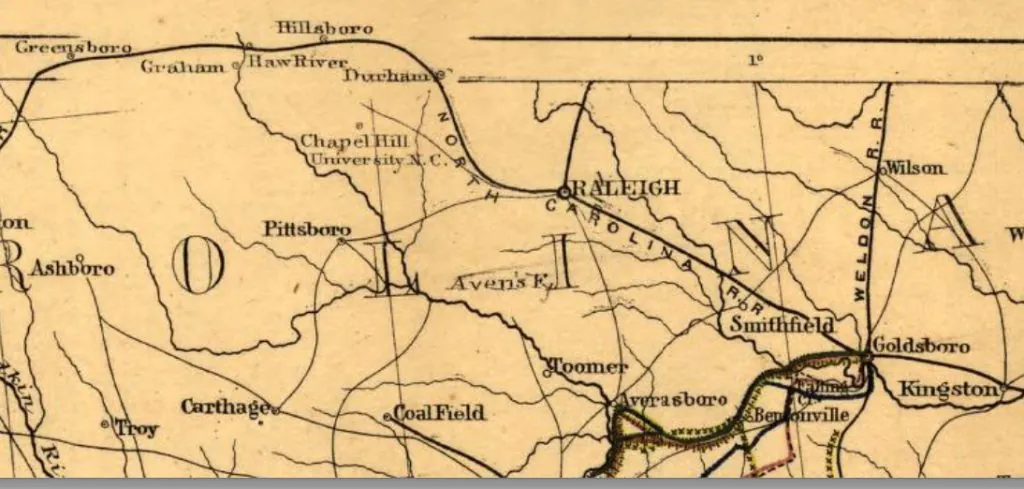
The word 'Dixie' — the nickname for the American South — may have originated at the Citizens State Bank on Royal Street, which printed ten-dollar notes with 'DIX' (French for ten) on the reverse. Riverboat men heading to New Orleans talked about going to 'the land of Dixies,' which became 'Dixieland,' which became 'Dixie.' The theory is disputed but widely cited, and Daniel Decatur Emmett's 1859 minstrel song cemented the word in American vocabulary. The bank building is gone; the name it may have given the South is not.
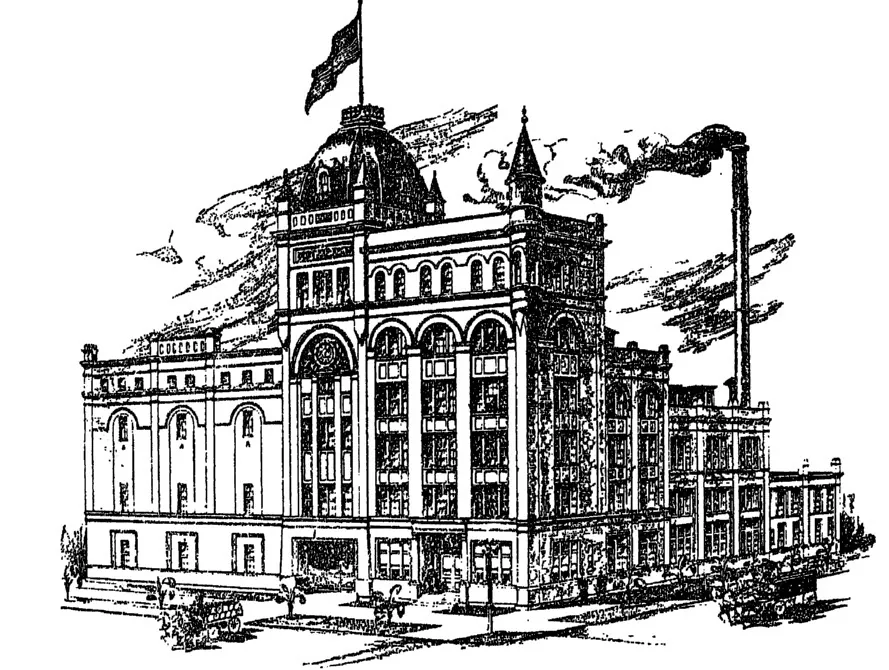
Nobody knows for certain where 'The Big Easy' came from. The most credible theory traces it to jazz musicians in the early 1900s who used the phrase to describe New Orleans as an easy city to find work — compared to New York's 'Big Apple,' where competition was fierce. The nickname didn't become widely known until Betty Guillaud's newspaper column in the 1970s and the 1987 Dennis Quaid film. Locals rarely use the phrase themselves. It's a visitor's name for a city that has never been easy at all.
The last suburb before Plaquemines becomes something else entirely. Belle Chasse is home to Naval Air Station Joint Reserve Base New Orleans — the largest military installation in the metro area — and the starting point for the 70-mile drive down LA-23 to the end of the road at Venice. The new Belle Chasse Bridge (2024) replaced the century-old tunnel that had been the only vehicle crossing of the Intracoastal Waterway into lower Plaquemines. This is where the Seafood & Heritage Festival happens every April.
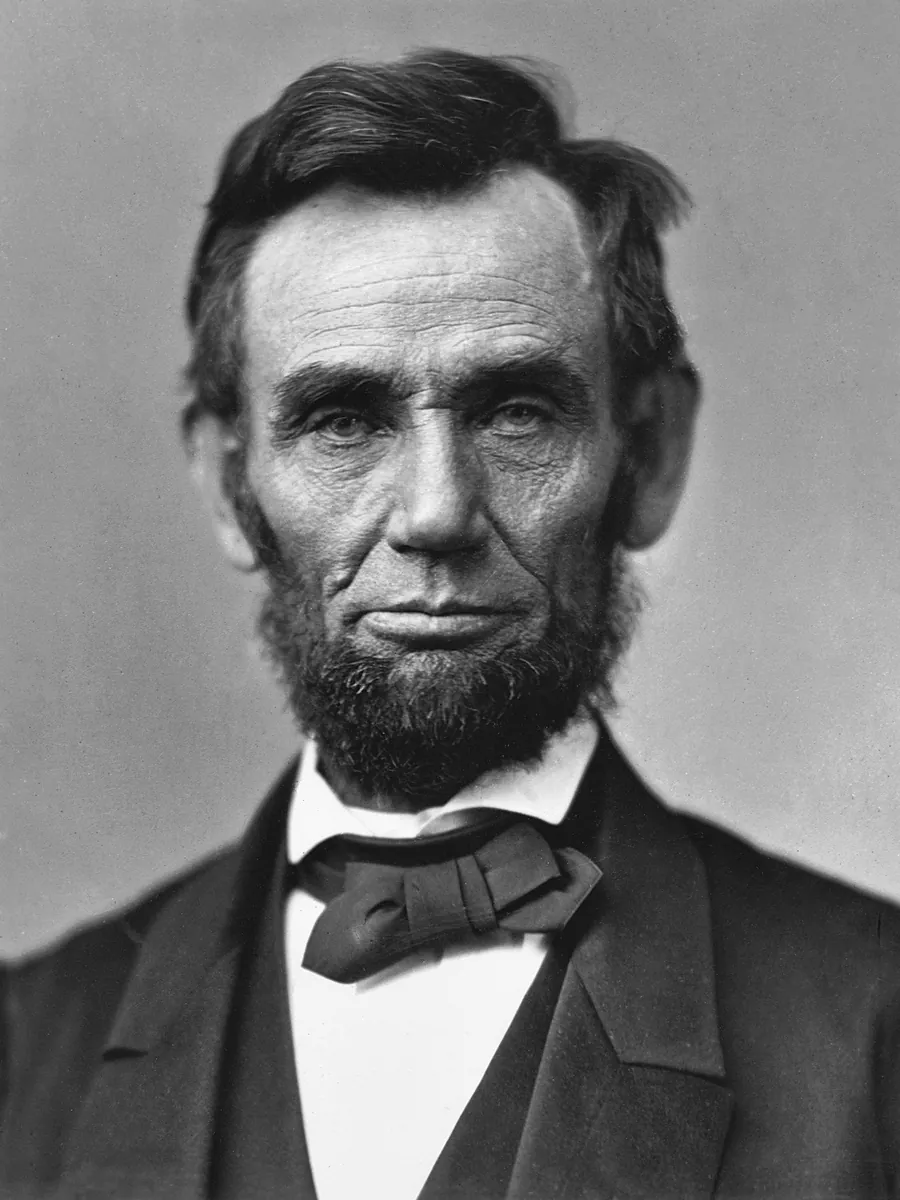
Abraham Lincoln made two flatboat trips down the Mississippi to New Orleans — the first in 1828 at age 19, the second in 1831. Both trips brought him to the city’s slave markets, where he witnessed the auction of human beings for the first time. Lincoln never wrote a detailed account of what he saw, but his law partner William Herndon later claimed that Lincoln said: ‘If I ever get a chance to hit that thing, I’ll hit it hard.’ The New Orleans waterfront where Lincoln landed is now part of the Riverwalk — nothing marks the site.
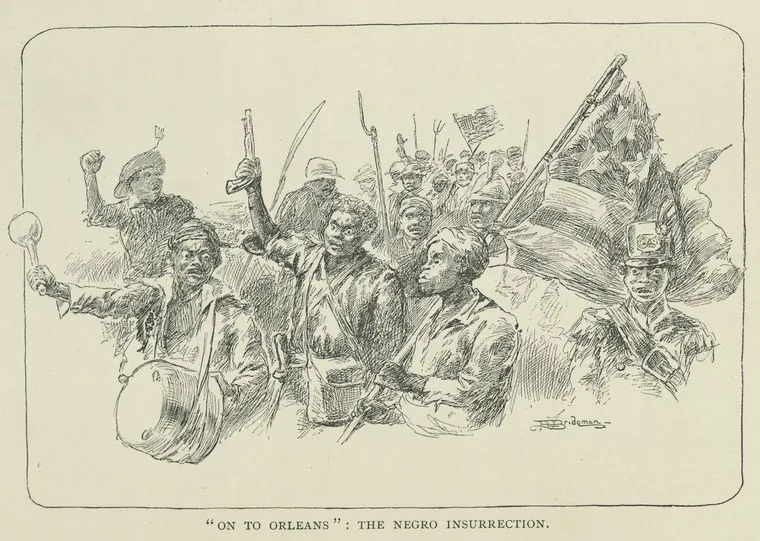
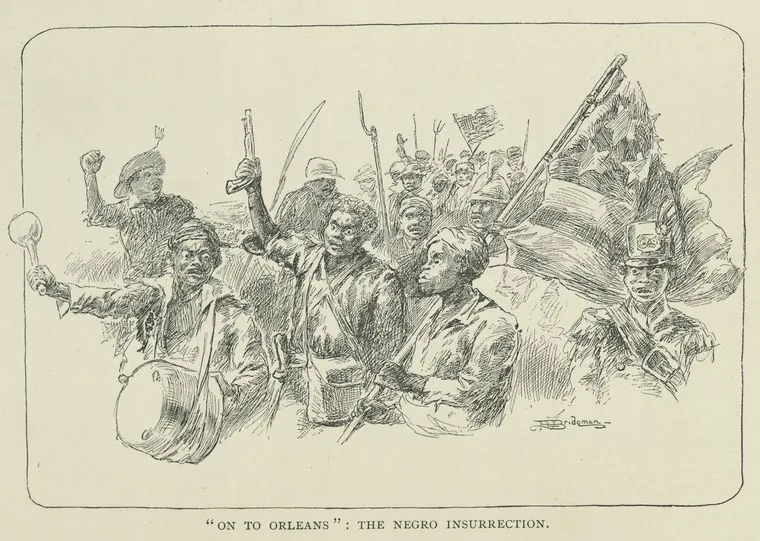
On January 8, 1811, between 200 and 500 enslaved people on the German Coast sugar plantations west of New Orleans organized the largest slave revolt in American history. They marched toward the city along River Road, burning plantations and killing two white men. The militia caught them within two days. At least 40 were executed; their severed heads were mounted on poles along the river from the German Coast to New Orleans as a warning. The revolt was suppressed so brutally and so thoroughly that it was largely erased from public memory until the 21st century.
Lost places
Happening this month
Tickets & Shows
Before you go
A native son's New Orleans — bowling alleys, po'boy counters, hot dog carts. The city nobody put in a brochure.
Shot on location, post-Katrina. Shows what New Orleans people actually fought to keep — not what tourists came to find.
Also in this region
New Orleans is one of several areas in this region.
Plan your trip
The only thing left to do is go.
Some of these are partner links — if you book through them, Portage may earn a commission at no extra cost to you.
Plan your visit
Editorial content compiled with AI assistance. Place details verified against public records.