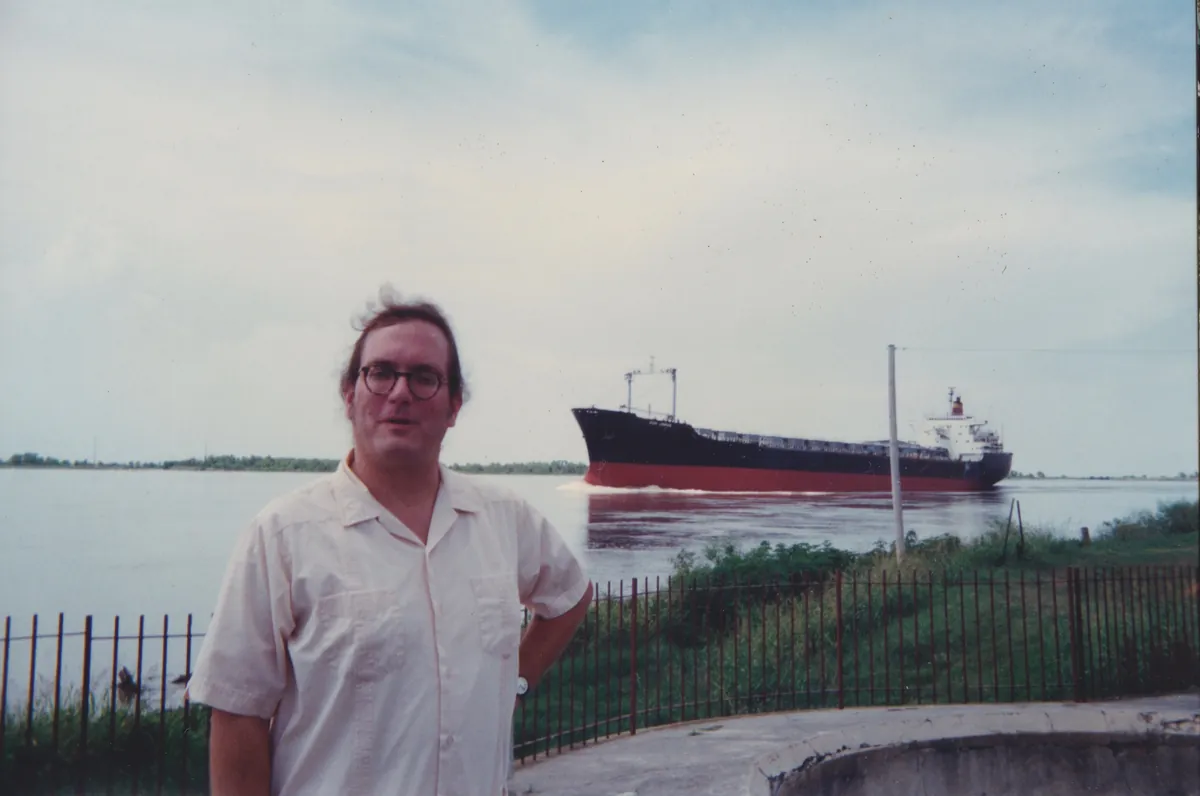
Fort Jackson rose between 1822 and 1832, a pentagonal masonry star fort on the western bank of the Mississippi, 40 miles upriver from its mouth. The fort was built on Andrew Jackson's recommendation as a coastal defense for New Orleans. Across the river stood the older Fort St. Philip. Throughout the 19th century, New Orleans was the largest port in the South, exporting most of the nation's cotton and farm products to Western Europe and New England. As the largest city in the South at the start of the Civil War, it was an early target for capture by Union forces.
The capture came in April 1862. Union Flag Officer David Farragut besieged the Confederate garrison for twelve days, from April 16 to April 28. On the night of April 24, his fleet ran past the fort's guns. On April 28, the Confederate soldiers mutinied against their officers. The fort surrendered. New Orleans fell within the week.
The Union used Fort Jackson as a prison. Charles Heidsieck, the French champagne magnate, spent seven months here on spying charges. On December 9, 1863, black soldiers of the 4th Corps D'Afrique staged an armed uprising. Shots were fired, but no one was killed. The soldiers were protesting low pay, suspected sex crimes committed by white officers against black female laundry workers near the fort, and the torturous discipline meted out by Colonel Augustus Benedict.
Louisiana sold the fort as surplus in 1927. The buyers, Mr. and Mrs. H. J. Harvey, donated the property and its 82 acres to Plaquemines Parish in 1960, hoping for restoration. The National Park Service found the fort had become a jungle — mud-filled tunnels infested with snakes, flooded with water. The parish began renovations in 1961. The fort was declared a National Historic Landmark in 1960 and listed on the National Register in 1967.
Hurricane Katrina submerged Fort Jackson under more than 30 feet of water in 2005. The site remained underwater for six weeks. The prolonged flooding destroyed historic exhibits and inflicted structural damage on the brick walls, foundations, and moat drainage systems. Rehabilitation was completed in 2011. Since 1970, the fort grounds have hosted the Plaquemines Parish Fair and the Orange Festival.
The museum is at 38039 Highway 23 in Buras, open Monday through Friday, 8 a.m. to 4 p.m. The fort grounds are open when the groundskeeper is present. Across the river is the site of Louisiana's first Mardi Gras — Iberville camped there on March 3, 1699.
- ·Built 1822–1832 on Andrew Jackson's recommendation as a coastal defense for New Orleans. The fort is a pentagonal masonry star fort.
- ·Site of the Battle of Forts Jackson and St. Philip, April 16–28, 1862. David Farragut's fleet ran past the forts at night on April 24.
- ·The Confederate garrison mutinied against their officers on April 28 — the fort surrendered. New Orleans fell within the week.
- ·French champagne magnate Charles Heidsieck was imprisoned here for seven months during the Civil War on spying charges.
- ·Submerged under 30 feet of water during Hurricane Katrina in 2005. Rehabilitation completed in 2011.
- ·Since 1970, Fort Jackson has hosted the Plaquemines Parish Fair and the Orange Festival.
- ·Across the river is the site of Louisiana's first Mardi Gras — Iberville camped here on March 3, 1699.
- ·Museum at 38039 Hwy 23, Buras. Open Mon–Fri 8am–4pm. Fort grounds open when groundskeeper is present.
Memories
Editorial content compiled with AI assistance. Place details verified against public records.