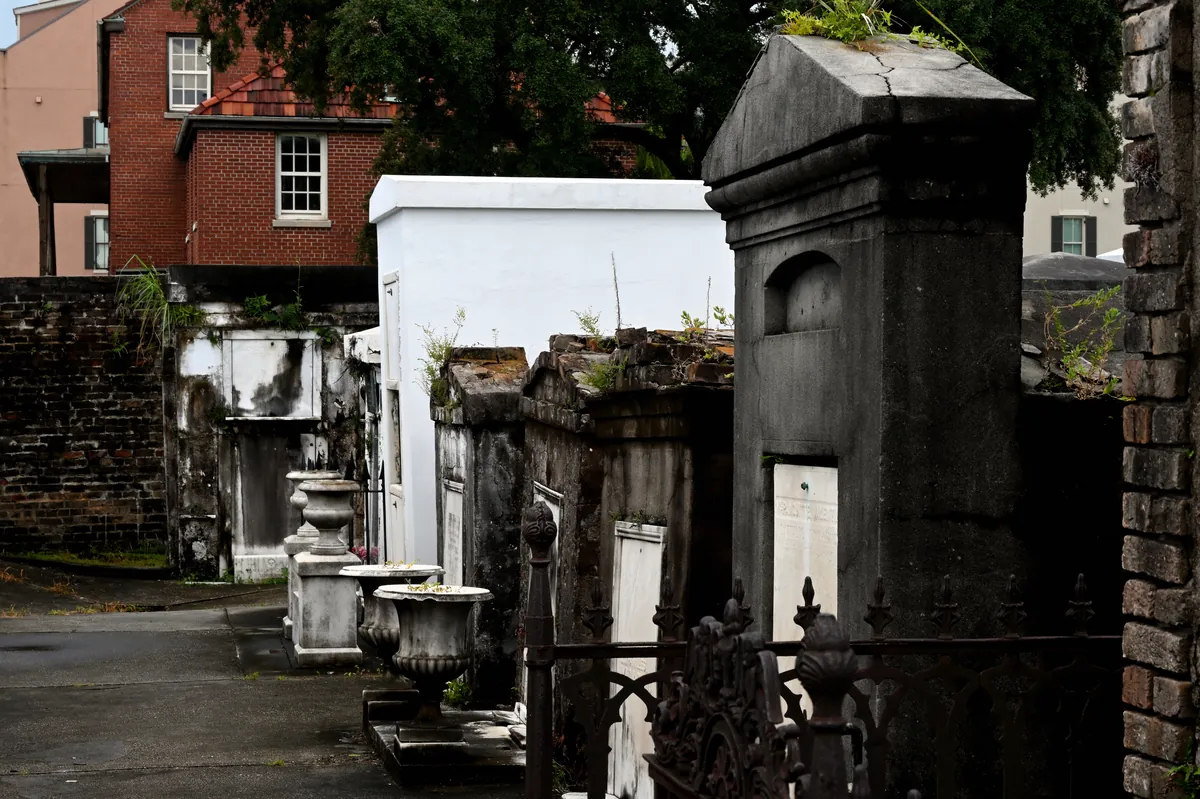
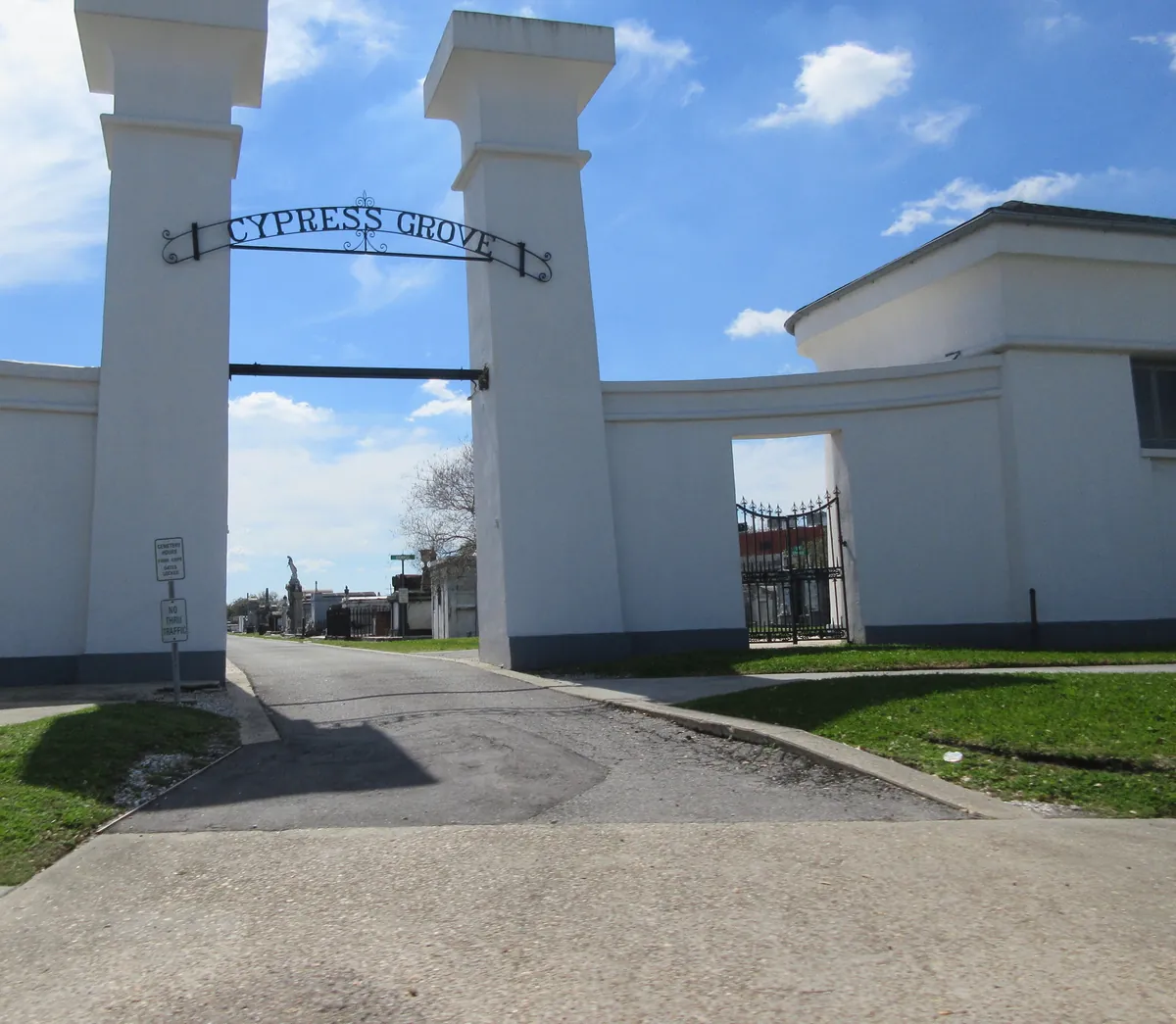
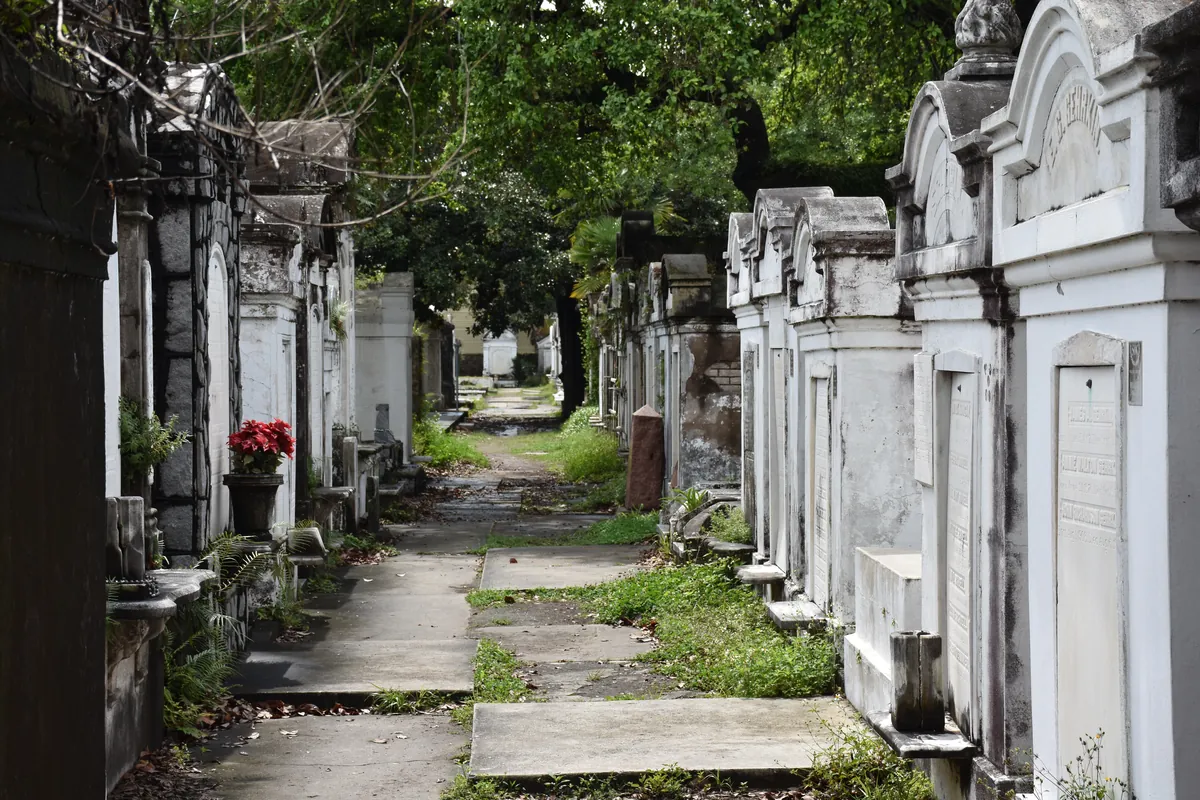
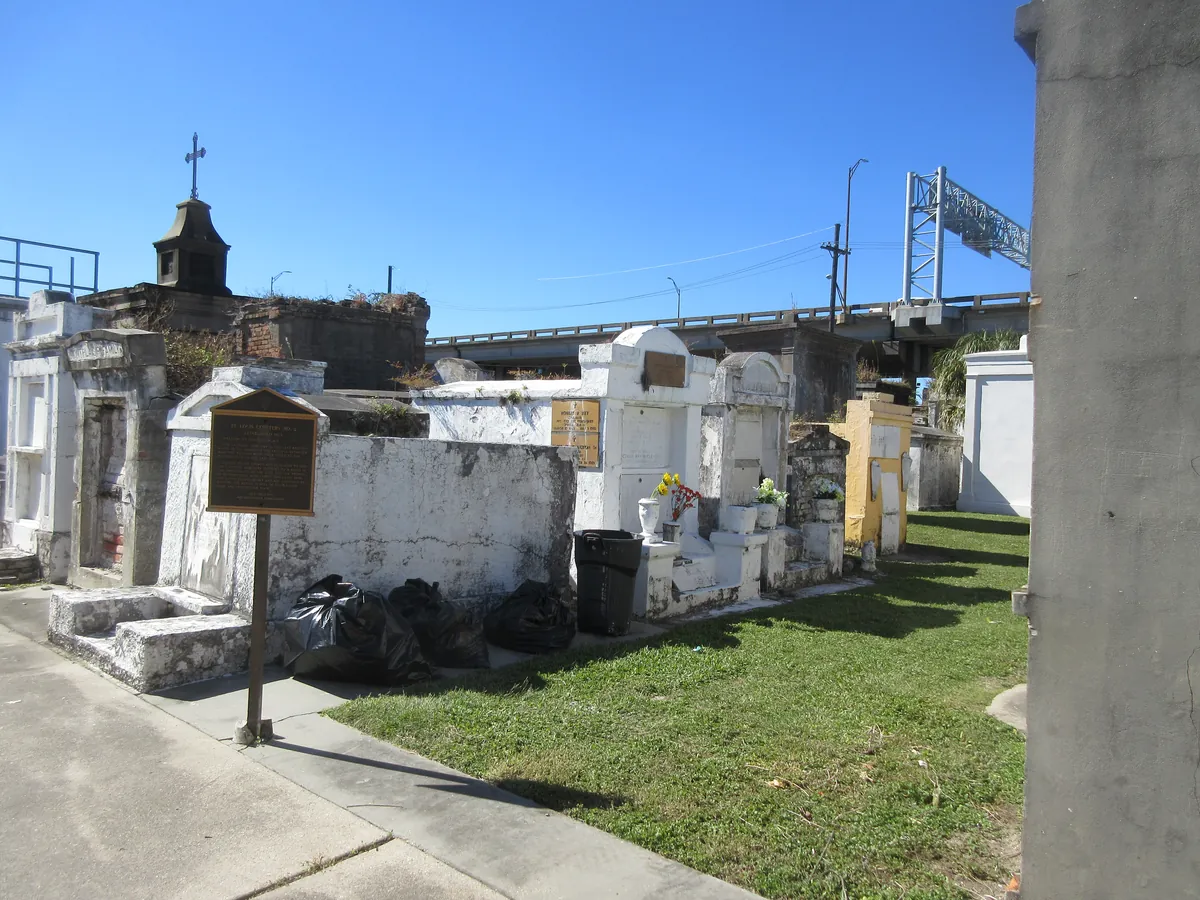
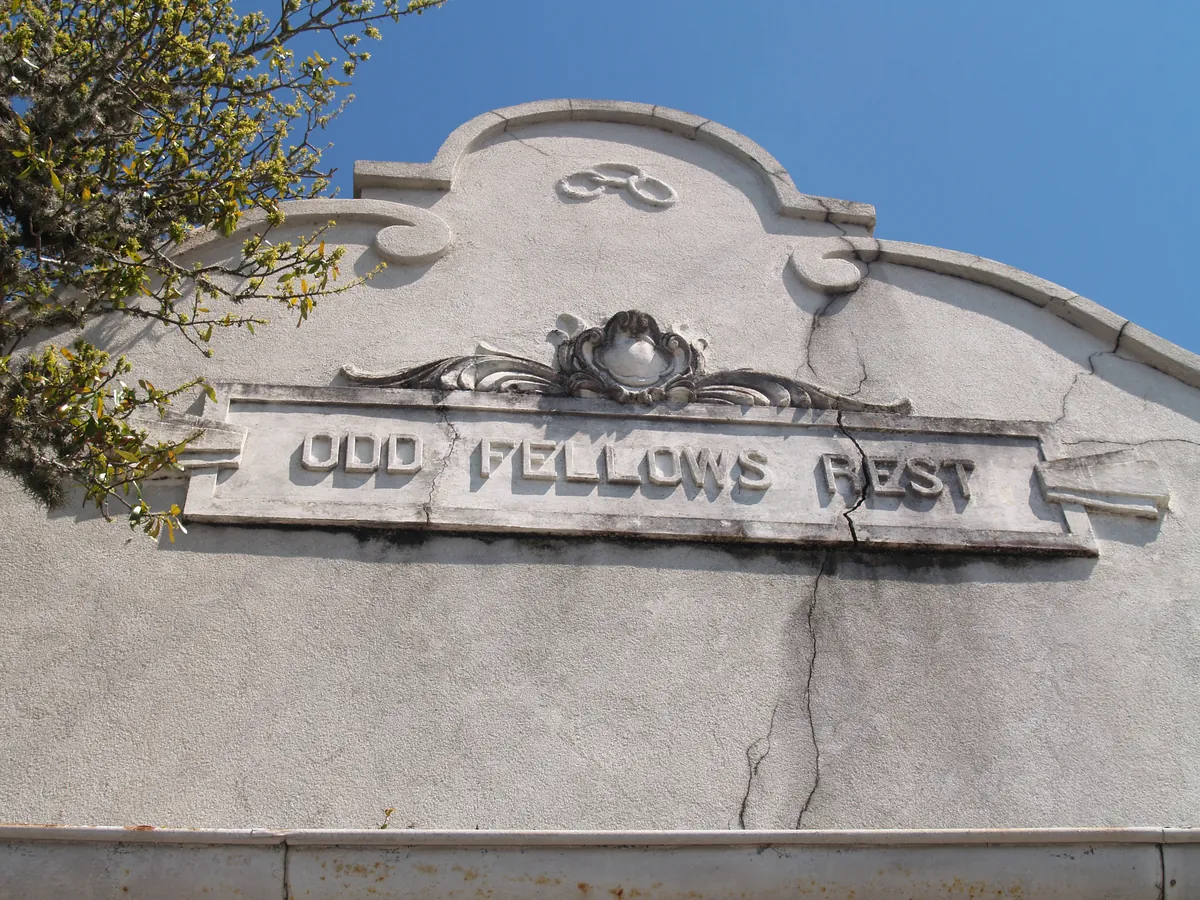
The water table in New Orleans sits one to two feet below grade. That single geological fact explains everything you are about to walk through. The French learned early that wooden boxes buried in summer would be pushed back up by the next rainfall, so the city built upward — sealed masonry vaults that bake in the Louisiana sun until, after a year and a day, only dry bone remains. Then the chamber is cleaned and readied for the next tenant. One vault holds decades of the dead. The result is a city built twice over: the living one you arrived in, and the one mapped in marble and plaster above the waterlogged earth. Each cemetery tells a different story of who made this city — the firemen's associations, the free people of color, the working-class immigrants, the fever dead. The ground insisted on honesty. New Orleans obliged.