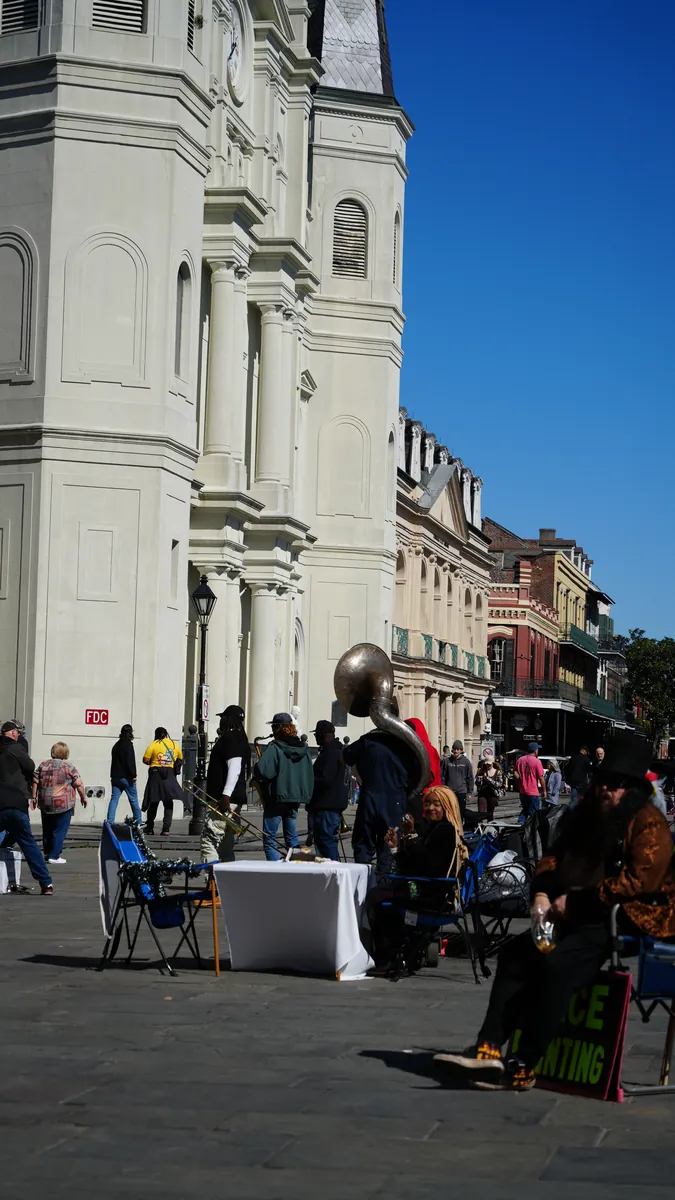
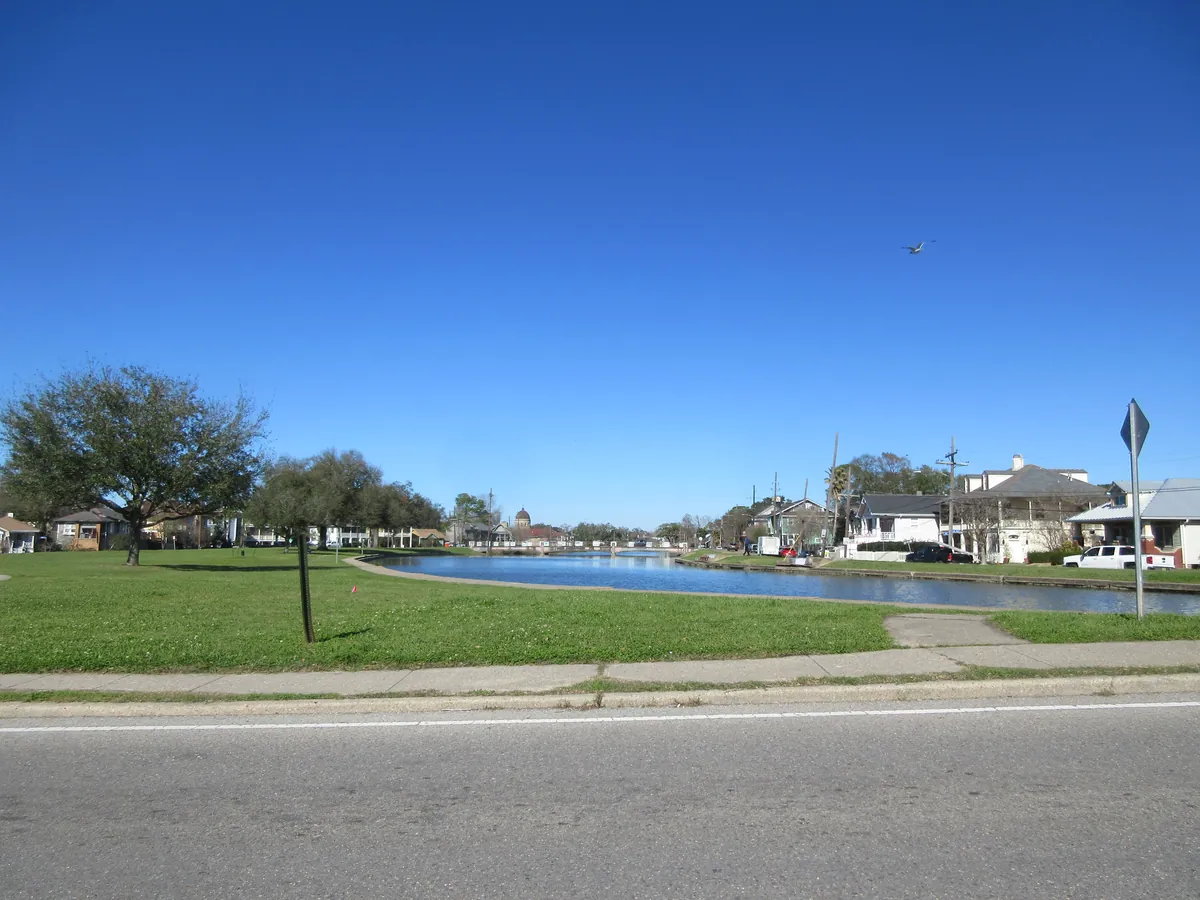
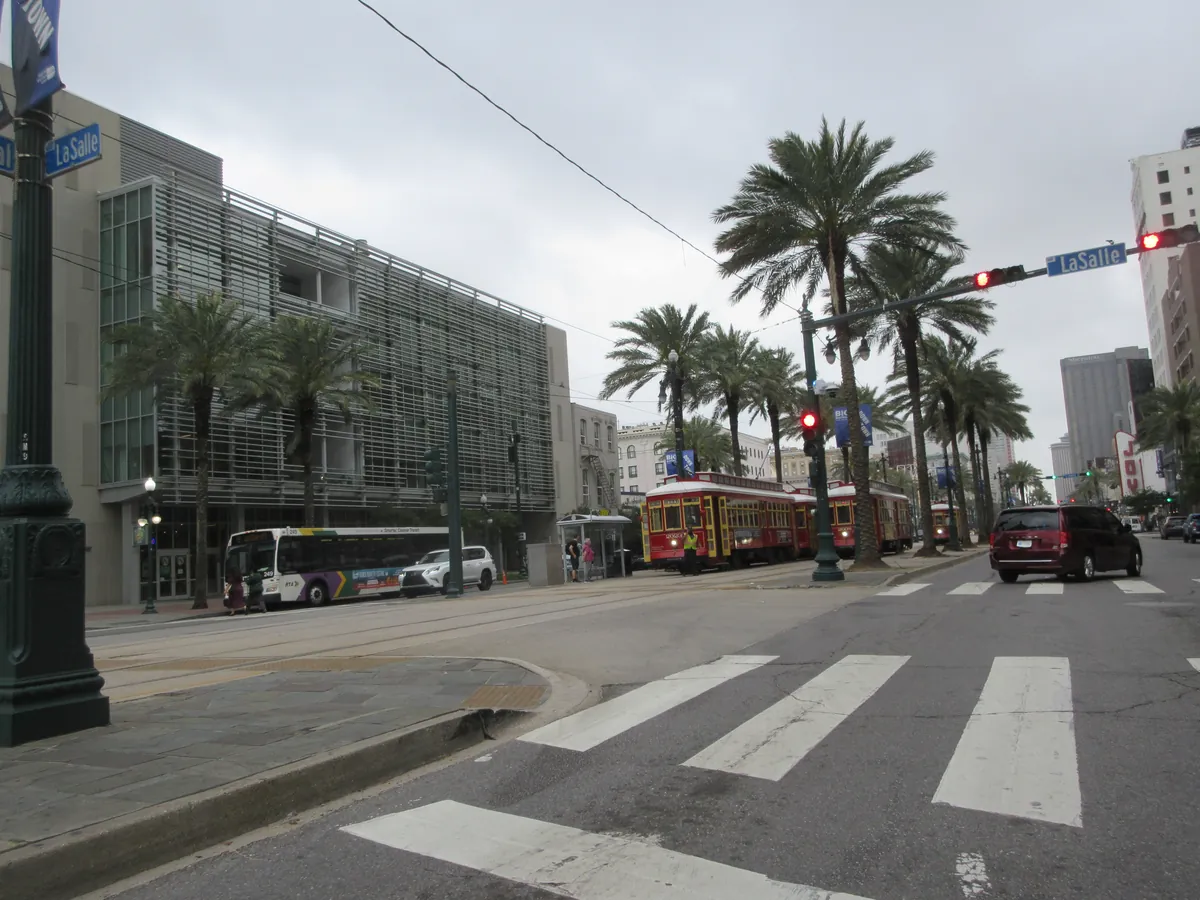
Before it had a French name, it had a function. The Chitimacha, Choctaw, and Houma called this place Bulbancha — Place of Many Languages — and for centuries they ran dugout canoes through the short portage between Bayou St. John and the Mississippi, connecting the Gulf Coast to the continental interior. In 1718, Bienville chose this exact crescent of high ground to found La Nouvelle-Orléans, naming it for Philippe II, Duke of Orléans. He didn't discover the route — the portage was already there. After the Louisiana Purchase in 1803, Americans flooded in and built uptown, because the Creoles wouldn't have them in the Quarter. Canal Street — 171 feet wide, the widest main street in the country — became the dividing line. The median between the two sides was called the neutral ground, where Creole and American merchants met to trade without entering each other's territory. New Orleanians still call every median in the city a neutral ground.