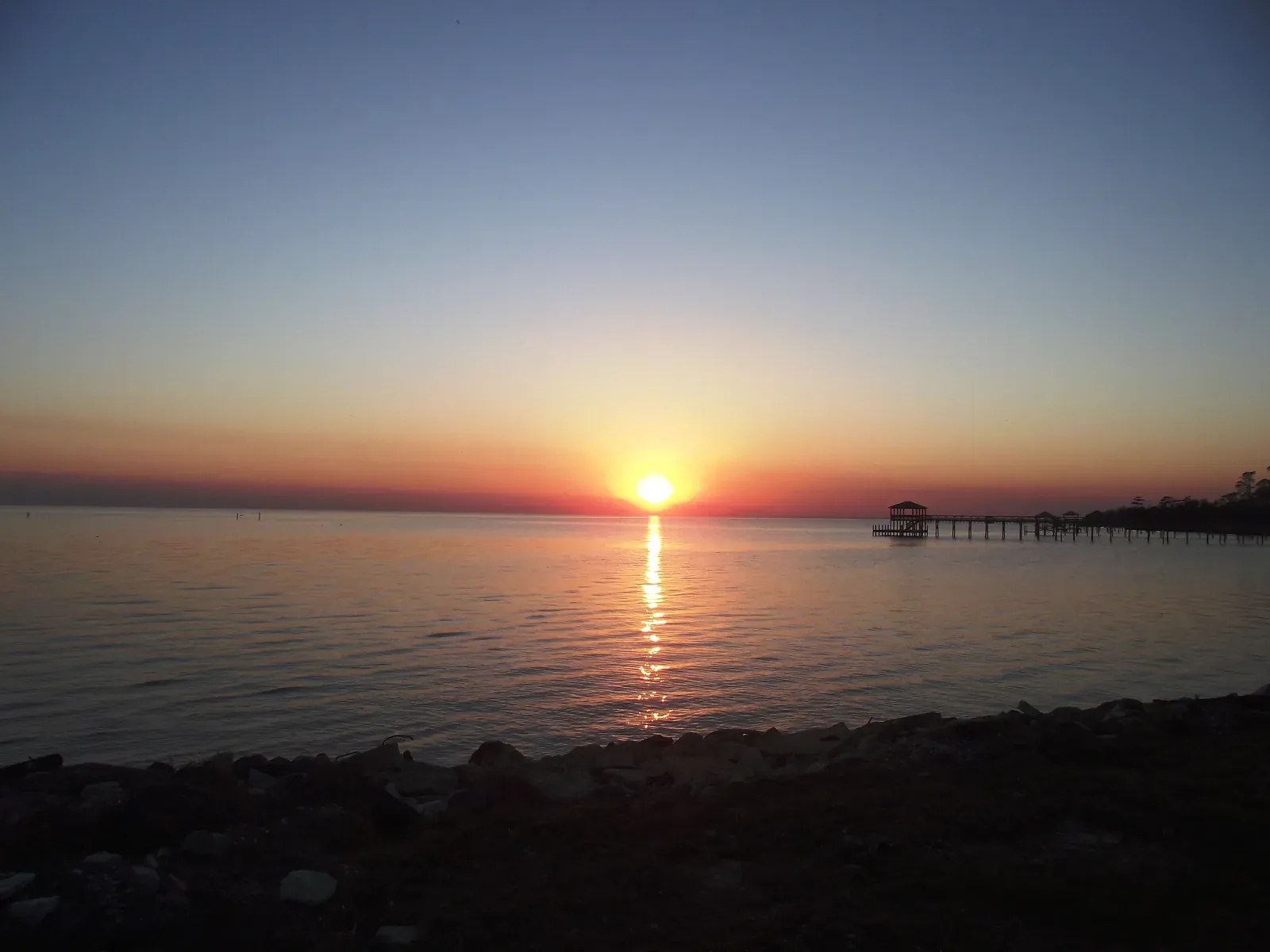
Top picks in Louisiana's North Shore
The places most worth your time here.
Connect your Cour circle to see which places friends and family recommend here.
Connect Cour →Landmarks
85 places worth the detour
Includes 1 ghost landmark— places that existed here and don’t anymore

tap the eye to open · swipe or use buttons to browse
The land above Lake Pontchartrain was always defined by what separated it from New Orleans — and by what that separation made possible. The lake itself, broad and shallow, kept the Northshore…
Read the full storyOn the map
Tours
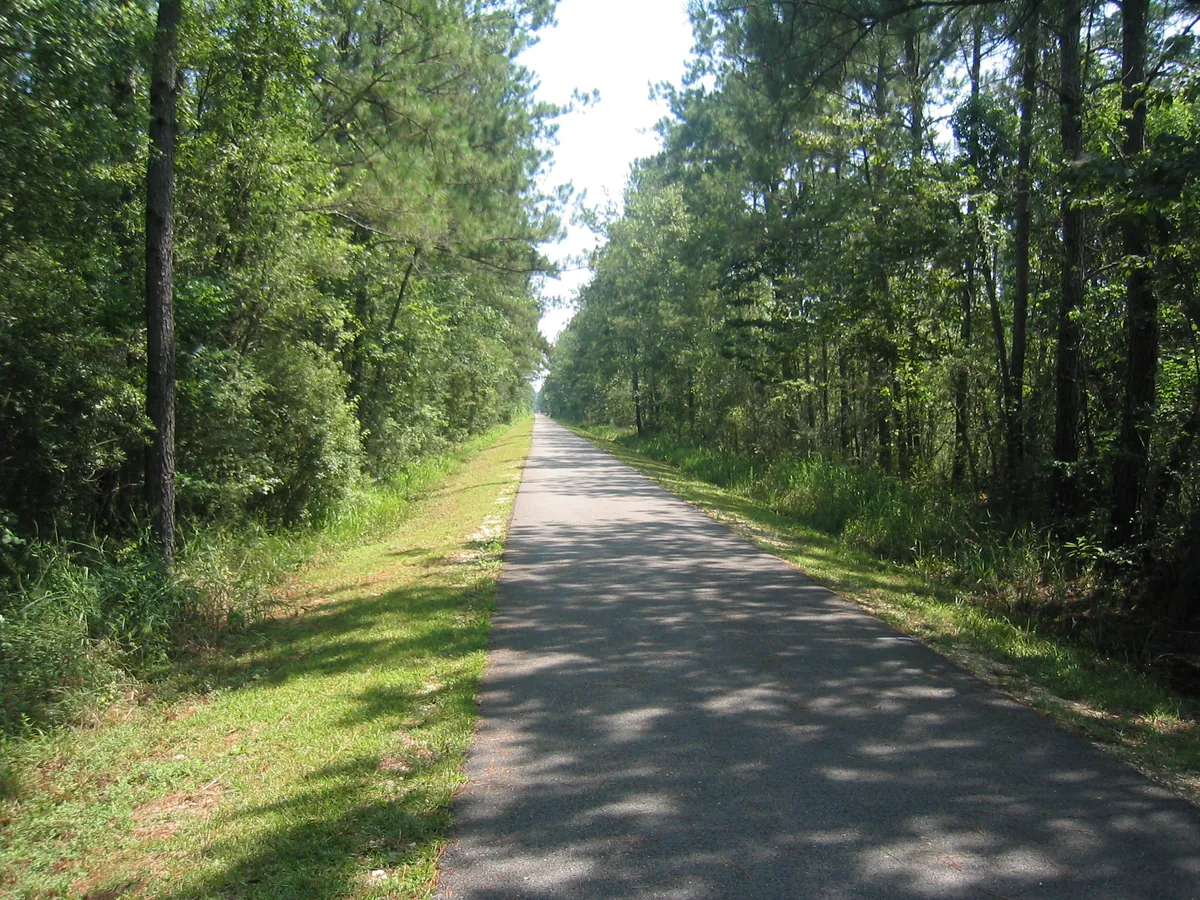
This is how New Orleanians have always used the North Shore: ride the Trace to the springs, drink the water, eat the food, then find a dock on the Tchefuncte before dark. The 1887 railroad that built the ozone belt resort economy now carries cyclists through five towns; the same artesian water that cured yellow fever seasons the beer that made the brewery famous.
Bogalusa was built in under a year by outside capital, stripped bare in three decades, and left to survive on its own terms. What survived was extraordinary: a civil rights resistance that refused to be nonviolent, a Pulitzer Prize poet who wrote its reckoning, and a river that has been cooling people down in the pines for as long as there have been people here.
Reading
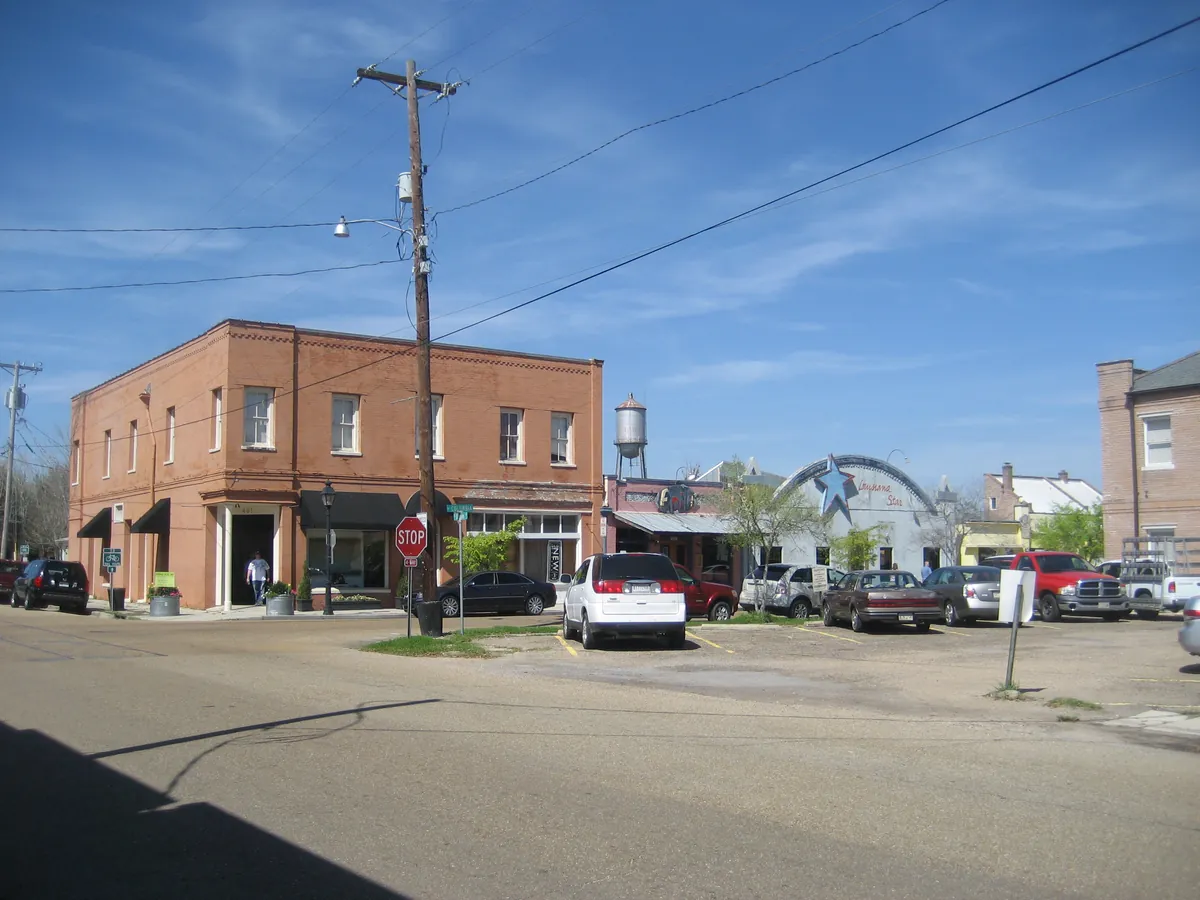
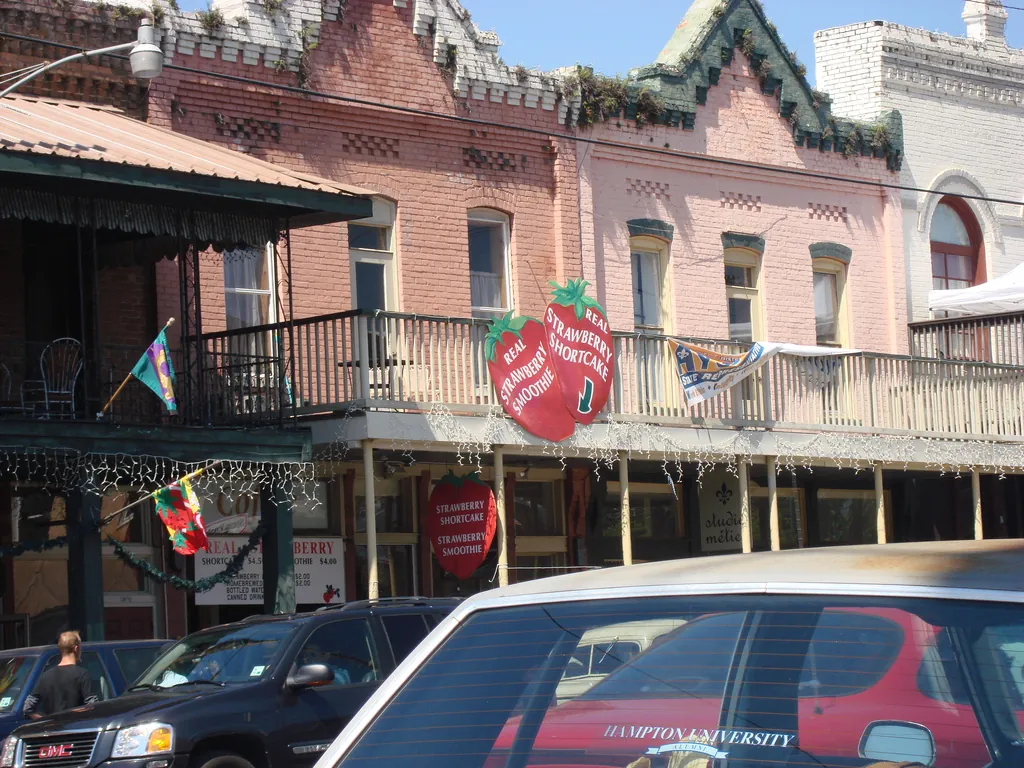
The railroad reached Ponchatoula in 1852, and what followed was a town built in layers, each industry leaving something behind. The Louisiana Cypress Lumber Company ran logs through the parish and left a locomotive — it sits outside the Collinswood School Museum now, stationary and honest about what paid for the brick storefronts on Pine Street. Those same storefronts went up to serve the strawberry trade, and in 1968 the city formalized what everyone already knew, passing an ordinance declaring itself the Strawberry Capital of the World. The old Illinois Central depot became a Railway Post Office museum; before highways arrived, that postal rail line was how rural Louisiana connected to the rest of the country. The depot now also houses the Ponchatoula Country Market. Each April, the Strawberry Festival draws roughly 300,000 visitors to a town that has quietly become America's Antique City — the berry money built the shells, and the antiques moved in.
Yellow fever didn't negotiate, and New Orleans knew it. When summer brought the sickness, those who could afford passage crossed Lake Pontchartrain to the pine-shaded villages on the north shore, where artesian springs rose cold and uncontaminated from an aquifer more than 3,000 feet deep and over 2,000 years old. Abita Springs built itself around that flight — a nationally advertised health resort where the fragrant air earned the whole district the nickname "Ozone Belt." The railroad made it accessible; the fear made it essential. What survived the resort era, and the resort era's collapse, is still visible: 180 contributing buildings preserved in the historic district, a Victorian pavilion relocated from the 1884 New Orleans World's Fair that now anchors Main Street, and a brewery opened in 1986 drawing water from the same ancient aquifer that once promised the sick a cure.
Before the French had a name for it, the Tchefuncte people were already working this water. Pierre Le Moyne d'Iberville named the lake in 1699 for a minister under Louis XIV — the estuary already doing what it would do for the next three centuries: connecting the interior to the Gulf, brackish and tidal, 630 square miles fed by six rivers. It is not truly a lake, though the name stuck. New Orleanians crossed it by schooner, then steamboat, then ferry to reach the pine forests and artesian springs of the north shore — relief from yellow fever, from the city, from themselves. In 1956 the Causeway ended that crossing: 23.87 miles, the longest continuous bridge over water in the world, and a 90-minute ferry ride became a 30-minute commute. The resort shore became a suburb. Big Branch Marsh holds what didn't get built — 80,000 acres of pine savanna and marsh, home to eight threatened or endangered bird species, the red-cockaded woodpecker among them, dependent on old-growth longleaf pine that almost no one bothered to protect until it was nearly gone.
The Goodyear brothers came down from Pennsylvania in 1906, bought the piney woods of Washington Parish, and built a town around a sawmill. At its peak, the Great Southern Lumber Company was the largest sawmill in the world — and the city that rose around it earned the nickname "The Magic City" for the speed of its arrival. In Ponchatoula, to the west, the Louisiana Cypress Lumber Company ran logs through Tangipahoa Parish, and the storefronts on Pine Street went up to serve the workers. A locomotive from that company still sits outside the Collinswood School Museum — stationary, honest about what paid for the buildings around it. At the old Illinois Central depot, a preserved 1940s mail car documents the postal rail system that connected rural Louisiana to the rest of the country before highways arrived. The timber is long gone, but the towns it built are still standing.
Before the French had a name for the lake, the Tchefuncte people were already here. From roughly 500 BC, they worked the brackish margin where bayous drain toward what would become Lake Pontchartrain — a 630-square-mile estuary, not quite a lake, formed between 4,000 and 2,600 years ago as the Mississippi Delta built its shores with sediment. What the Tchefuncte left behind was not monumental: shell middens, fired clay, the earliest ceramics documented in coastal Louisiana. The type site that gave their culture its archaeological name sits near Abita Springs. Pottery Hill in Mandeville — named for British-era kilns that came much later — rests on those same Ice Age deposits, one of the oldest continuously inhabited spots on the North Shore. At Fontainebleau, Bernard de Marigny built his sugar plantation in 1829 on ground the Tchefuncte had occupied from 600 BC. The ruins of his mill are still there. So is the ground beneath them.
In 1950, a Birmingham-born doctor named Walker Percy moved to Covington, Louisiana, and never left. He had contracted tuberculosis treating patients at Bellevue Hospital in New York, spent two years recovering in a sanitarium, converted to Catholicism, and decided he was done with cities. Covington gave him what he needed: distance from literary New York, proximity to the New Orleans he found endlessly strange, and enough quiet to write. His first novel, The Moviegoer, won the National Book Award in 1962 and remains one of the finest American novels about alienation ever written — set largely in Gentilly, New Orleans, but shaped by the remove of the North Shore. Percy lived and wrote in Covington for four decades, producing six novels and several works of nonfiction that placed him alongside Flannery O'Connor and William Faulkner in the Southern literary canon. He walked the same streets, drank coffee in the same shops, and was buried at St. Joseph Abbey in 1990. Covington does not perform its Percy connection loudly — there is no theme park, no walking tour with audio guide. The town simply exists as the place he chose, which is the most Percy thing about it.
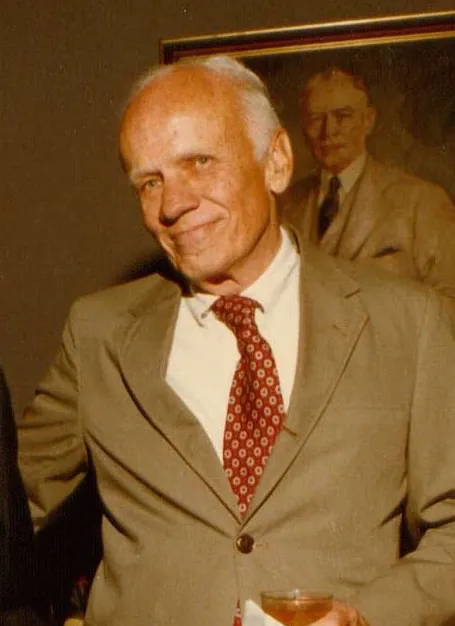
Before antibiotics, before mosquito control, before anyone understood how yellow fever actually spread, the U.S. Government declared the North Shore of Lake Pontchartrain 'the second healthiest place in the country.' The reason they gave was ozone — the piney woods air north of the lake supposedly carried restorative properties that could cure respiratory ailments and ward off the fever that killed thousands in New Orleans every summer. The science was wrong, but the migration it triggered was real. Wealthy New Orleanians built summer homes in Mandeville, Covington, and Abita Springs. Steamboats ran regular service across Lake Pontchartrain starting in 1821, and by the 1880s the North Shore was a full-fledged health tourism destination. Abita Springs built its identity around its mineral springs. Mandeville's lakefront lined with Victorian cottages. Covington drew artists and writers who came for their lungs and stayed for the quiet. The ozone belt theory was debunked decades ago, but the settlement pattern it created — the North Shore as New Orleans' refuge, its cooler and quieter counterpart — never reversed. Every commuter crossing the Causeway today is following a path worn by yellow fever refugees 170 years ago.
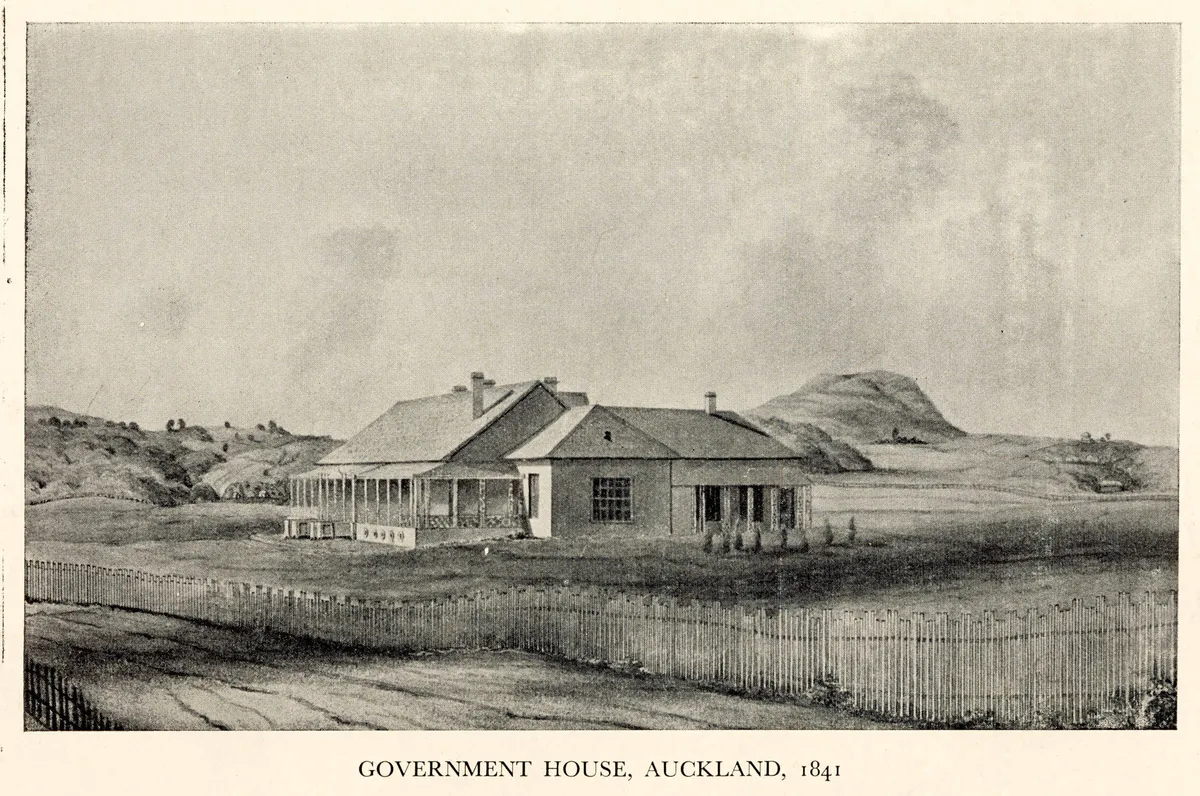
Jazz did not begin in New Orleans and stay there. From the earliest years, musicians crossed Lake Pontchartrain to play the North Shore, and the most important venue they found was the Dew Drop Social and Benevolent Hall in Mandeville. The Dew Drop Social and Benevolent Association was established in 1885 as a mutual aid society for the Black community — one of hundreds of such organizations across Louisiana that pooled resources for burial insurance, medical care, and community gatherings. In 1895, the association built its Jazz Hall, and for decades it hosted dances, performances, and social events that drew musicians from both sides of the lake. The Dew Drop operated during the same years that jazz was crystallizing in New Orleans, and the cross-lake traffic meant the North Shore heard this music as it was being invented, not after. The hall's significance outlasted its active years. It remains one of the oldest surviving structures connected to early jazz performance outside New Orleans, and its mutual-aid origins connect it to the fraternal and benevolent tradition that underwrote Black cultural life across the Gulf South long before any government safety net existed.
In the 1890s, Sicilian immigrants began arriving in Tangipahoa Parish to work the strawberry fields around Independence, Amite, and Ponchatoula. They came from the same villages in western Sicily that sent thousands to New Orleans, but these families chose the country over the city — trading one agricultural economy for another. Within a generation, they owned the fields they had come to work. The strawberry industry they built made Tangipahoa Parish one of the largest strawberry-producing regions in the country by the early 20th century, and Ponchatoula still calls itself the Strawberry Capital of the World. The Sicilian influence runs deeper than agriculture. Independence hosts the Italian Festival each year, celebrating the heritage with food, music, and processions rooted in village traditions transplanted intact from Sicily to the piney woods of Louisiana. The town of Tickfaw holds its own Italian festival. Ponchatoula's annual Strawberry Festival draws over 300,000 visitors. These are not nostalgia events — they are living expressions of a community that transformed a parish's economy and identity. Drive the back roads between Independence and Amite today and the surnames on the mailboxes tell the story: Brocato, Chimento, Trabona, Vicknair.
Bernard de Marigny de Mandeville was one of early Louisiana's most flamboyant figures — a Creole aristocrat who inherited a fortune at 15, introduced the dice game craps to America, and named a New Orleans neighborhood after his favorite orange grove. But his most lasting real estate venture was across the lake. Between 1829 and 1832, Marigny acquired land west of Bayou Castine on the North Shore, on parcels previously held by the Spell, Smith, and Edwards families since the Spanish colonial surveys. He built Fontainebleau Plantation on the site, naming it after the French royal forest, and in 1834 began selling lots in the town he laid out beside it. Mandeville was officially incorporated in 1840. An 18th-century Spanish survey map — drawn by a surveyor named Guillemard — shows the area between Bayous Chinchuba and Lacombe as almost completely rural, dotted with small landholders. Marigny transformed it into a planned resort community for New Orleans gentry fleeing summer heat and disease. Fontainebleau's sugar house ruins still stand in the state park that bears its name, and the town grid Marigny platted in 1834 is still the street map of Old Mandeville today.
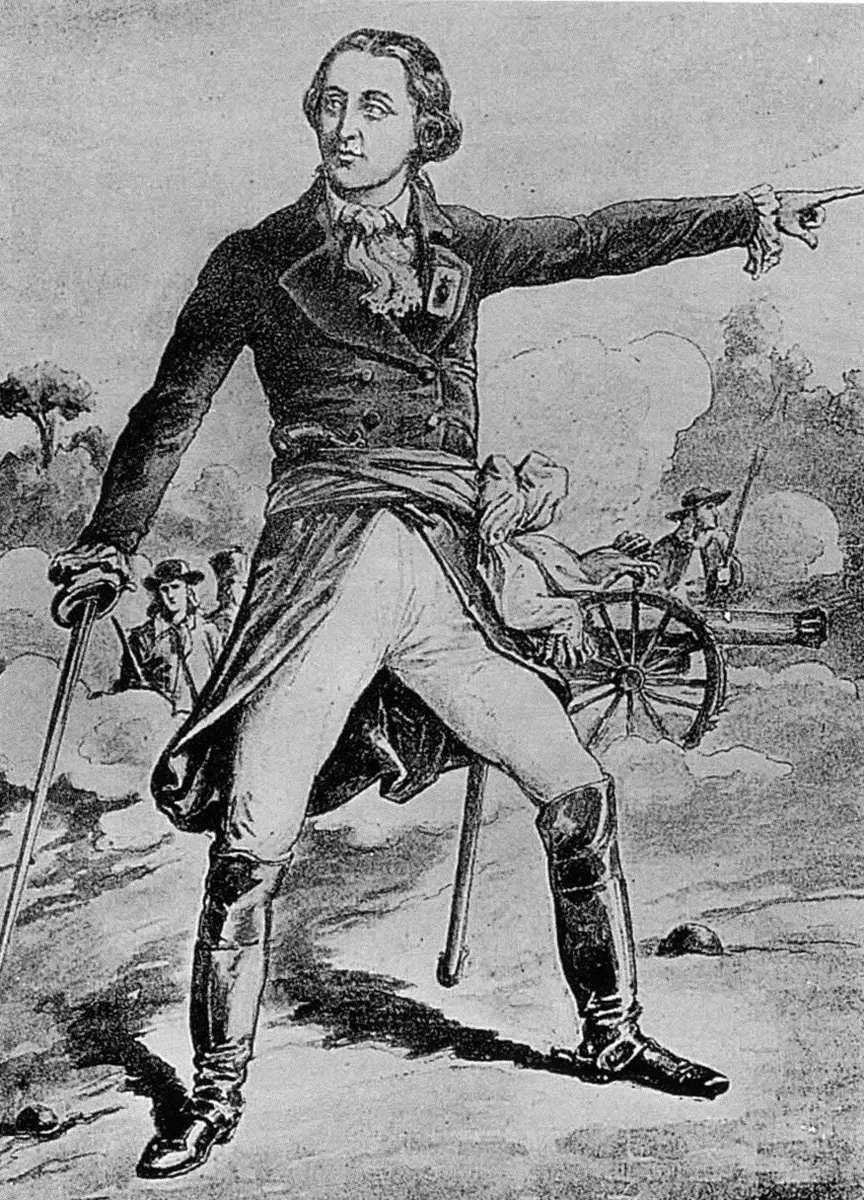
In 1859, a French-born Catholic priest named Adrien Rouquette walked away from his parish in New Orleans and into the woods along Bayou Lacombe, where a community of Choctaw people had lived for generations. He built a hermitage, learned the Choctaw language, and spent the next 28 years living among them — writing poetry in French and Choctaw, ministering in their tongue, and earning the name Chahta Ima, 'like a Choctaw.' Rouquette was already a published poet in France before his self-exile, and his work is the earliest substantial literary output connected to the North Shore. The Choctaw community at Lacombe predated European contact in the region and persisted through every colonial handoff — Spanish, French, English, Spanish again, American. Rouquette's mission was not a conversion campaign in the usual sense; he adapted to their world rather than demanding they adapt to his. The Lacombe Choctaw community still exists today, one of the longest continuously inhabited indigenous settlements in Louisiana. Rouquette died in 1887 and is buried in New Orleans, but the bayou he chose over the city remains the more honest monument.
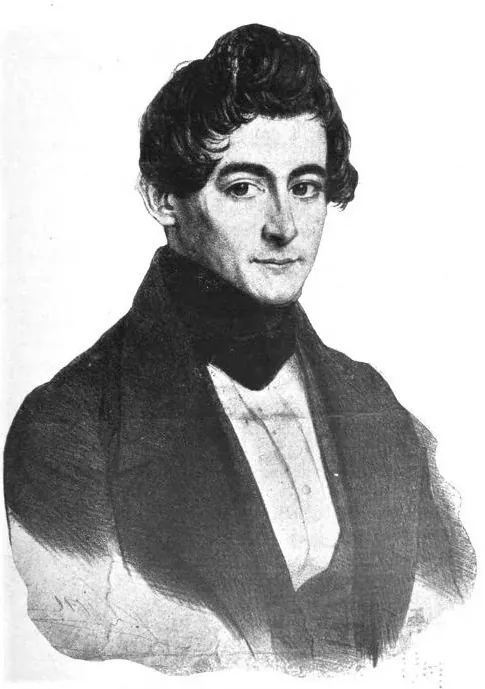
In September 1810, a group of Anglo-American settlers in what is now southeastern Louisiana did something no other community in the future United States ever managed: they overthrew their colonial government, declared independence, designed a flag, and operated a sovereign republic — all in 74 days. The Republic of West Florida stretched from the Mississippi River to the Perdido, encompassing present-day St. Tammany, Tangipahoa, and Washington parishes. The territory had passed through Spanish, French, English, and Spanish hands again before the rebellion, and Governor William Claiborne himself noted that 'civil authority remains weak and lax in West Florida.' The republic's Bonnie Blue Flag — a single white star on a blue field — would later inspire the first flag of the Confederacy, but the original moment was something rarer: frontier democracy improvised from scratch. President Madison annexed the territory within weeks, and Louisiana statehood in 1812 folded these 'Florida Parishes' into the state. But the identity stuck. Locals still call this region the Florida Parishes, and the independent streak that produced a republic in 74 days never fully went away.
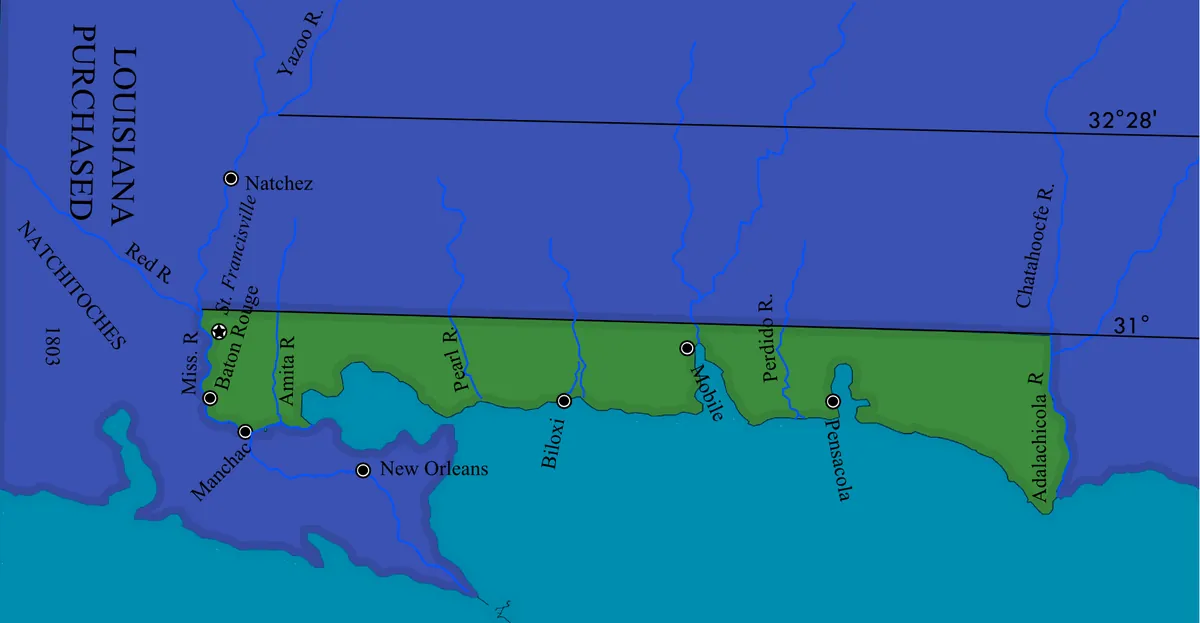
Madisonville sits where the Tchefuncte River empties into Lake Pontchartrain, and for nearly two centuries that confluence made it one of the most important boat-building towns in Louisiana. Wooden vessels built in Madisonville's shipyards sailed the lake, the Gulf, and the rivers that fed both. The Tchefuncte River Lighthouse, built in 1837, guided traffic into the river mouth and still stands as one of the oldest surviving lighthouses on the Gulf Coast. The Lake Pontchartrain Basin Maritime Museum in Madisonville preserves this history — not as a museum about boats, but as a museum about the relationship between water and work. The annual Wooden Boat Festival draws builders and sailors from across the Gulf South, and the boatyard tradition that produced working vessels for two centuries has evolved into a community of recreational sailors, fishing guides, and marine craftspeople. The maritime identity connects the North Shore to a larger Gulf Coast tradition that runs from Biloxi to Galveston, but Madisonville's version is distinctly intimate — a river town, not a port city, where the scale of the water and the work remained human-sized.
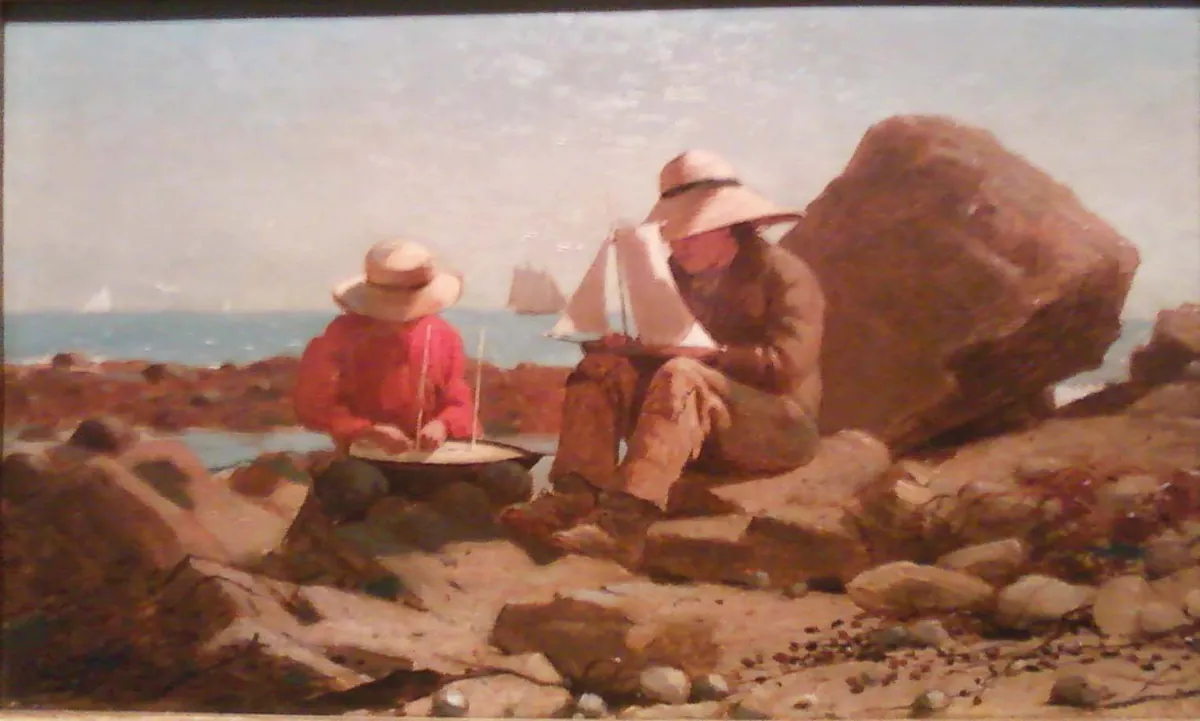
Lost places
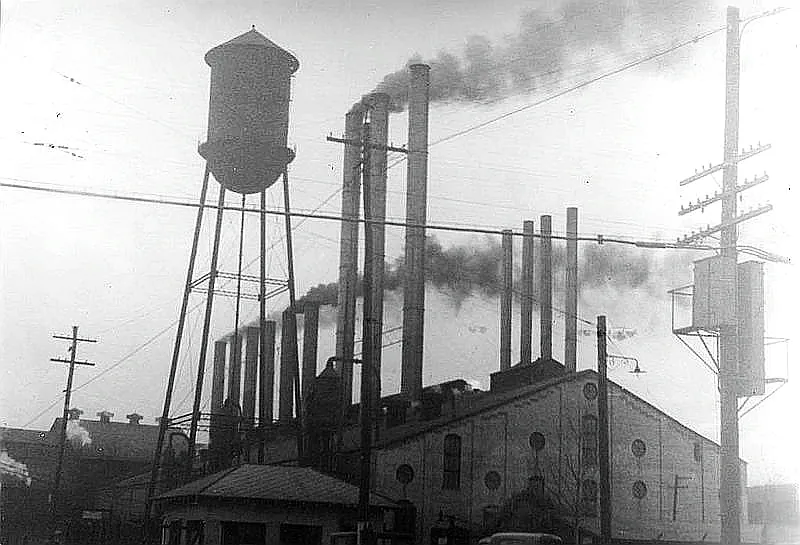
Happening this month
Tickets & Shows
Before you go
Filmed in Covington and Madisonville. 1960s South Louisiana family life — the kind the North Shore still carries in its bones.
Also in this region
Louisiana's North Shore is one of several areas in New Orleans.
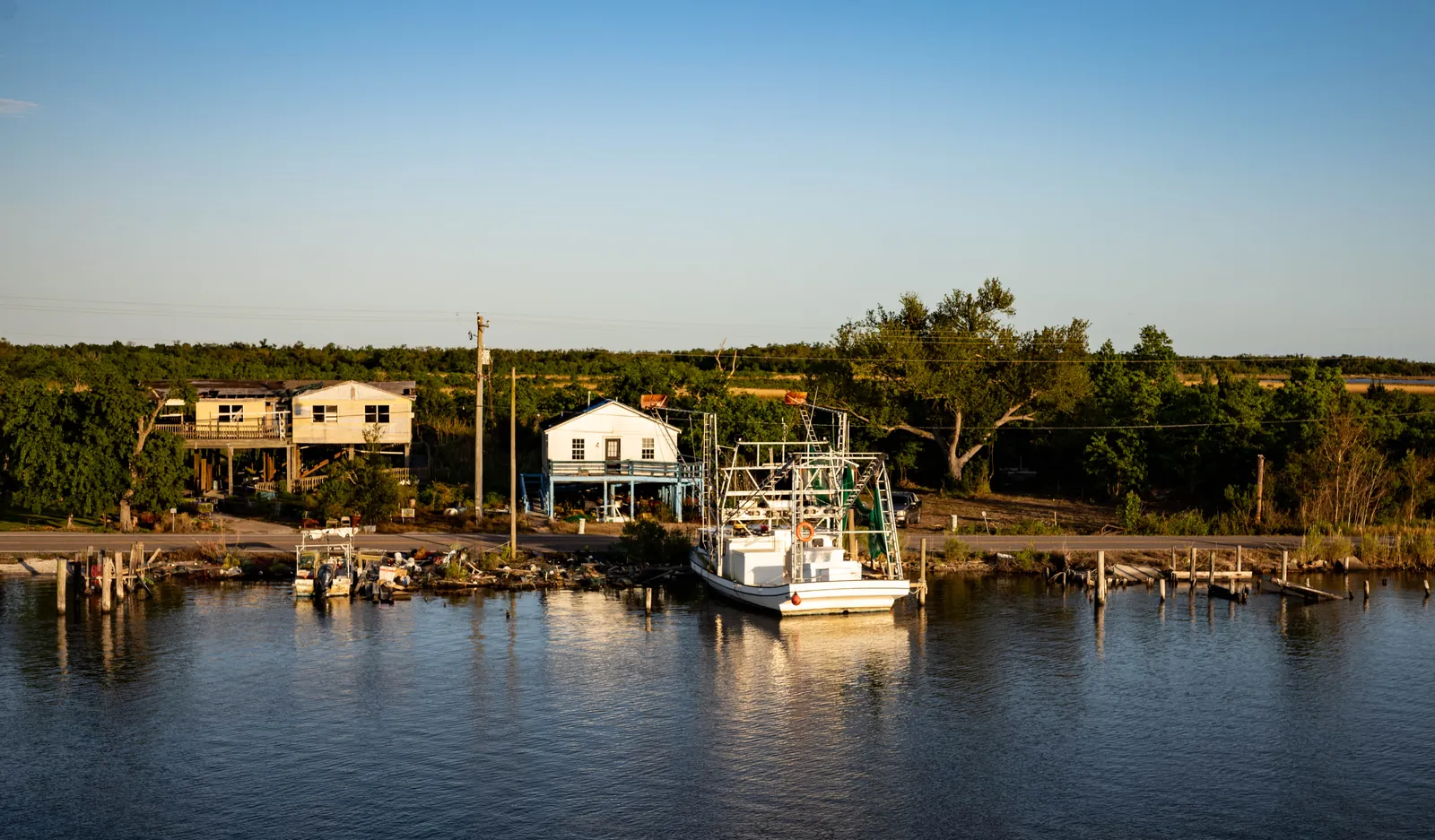
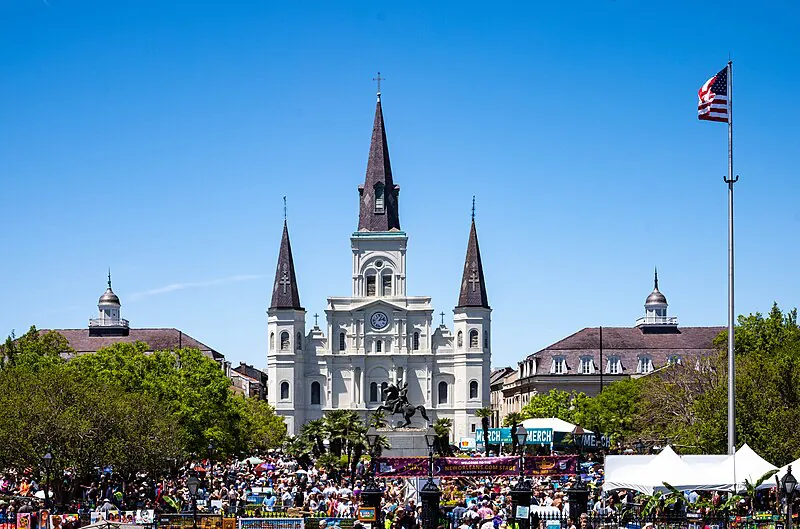
Plan your trip
The only thing left to do is go.
Some of these are partner links — if you book through them, Portage may earn a commission at no extra cost to you.
Plan your visit
Editorial content compiled with AI assistance. Place details verified against public records.