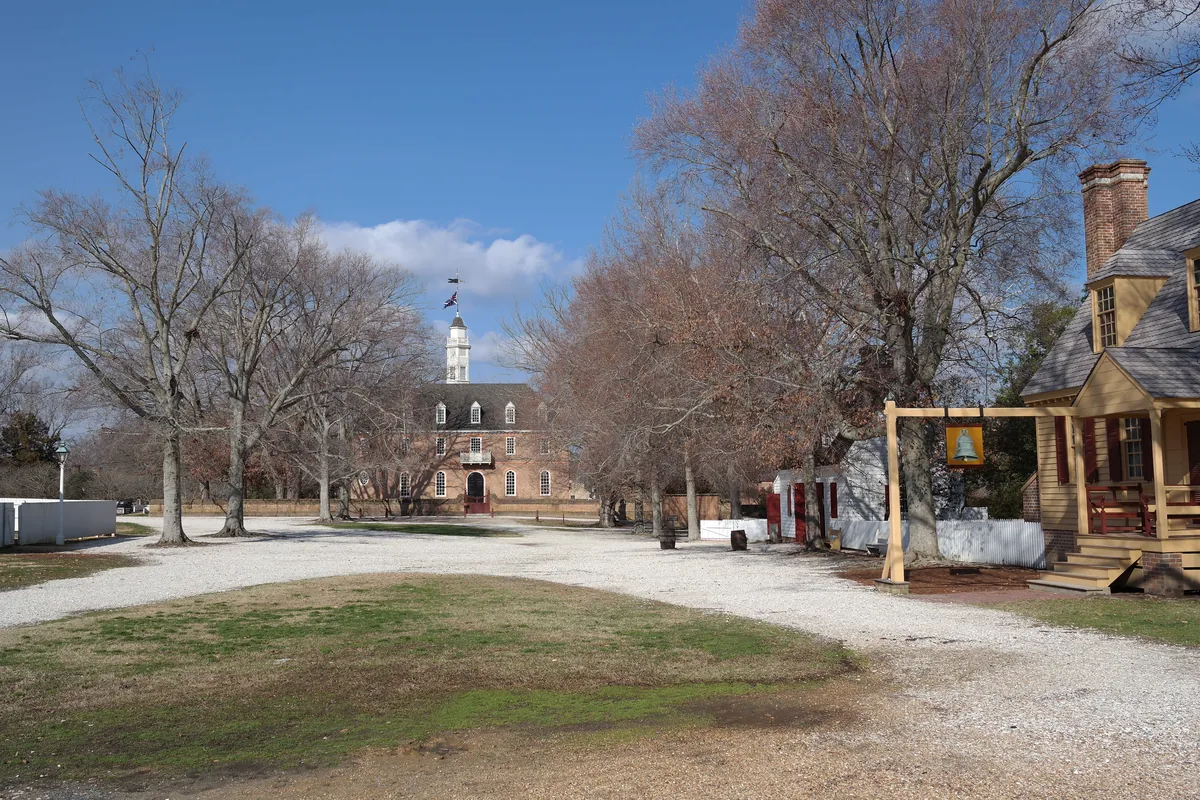
Top picks in Williamsburg
The places most worth your time here.
Connect your Cour circle to see which places friends and family recommend here.
Connect Cour →Landmarks
28 places worth the detour
tap the eye to open · swipe or use buttons to browse
Williamsburg sits on a ridge of the Virginia Peninsula, positioned strategically on high ground between the James and York Rivers. English settlers chose this inland location as Middle Plantation in…
Read the full storyOn the map
Reading
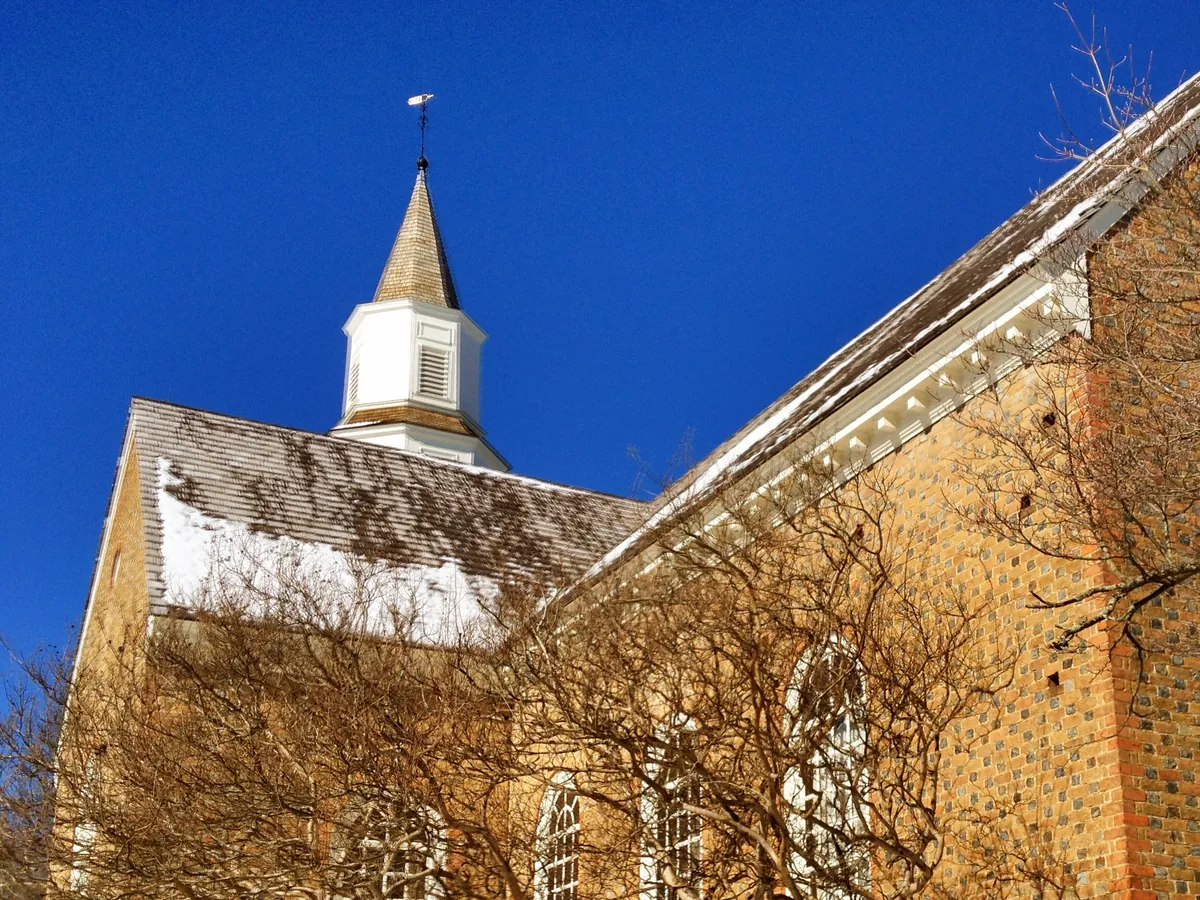
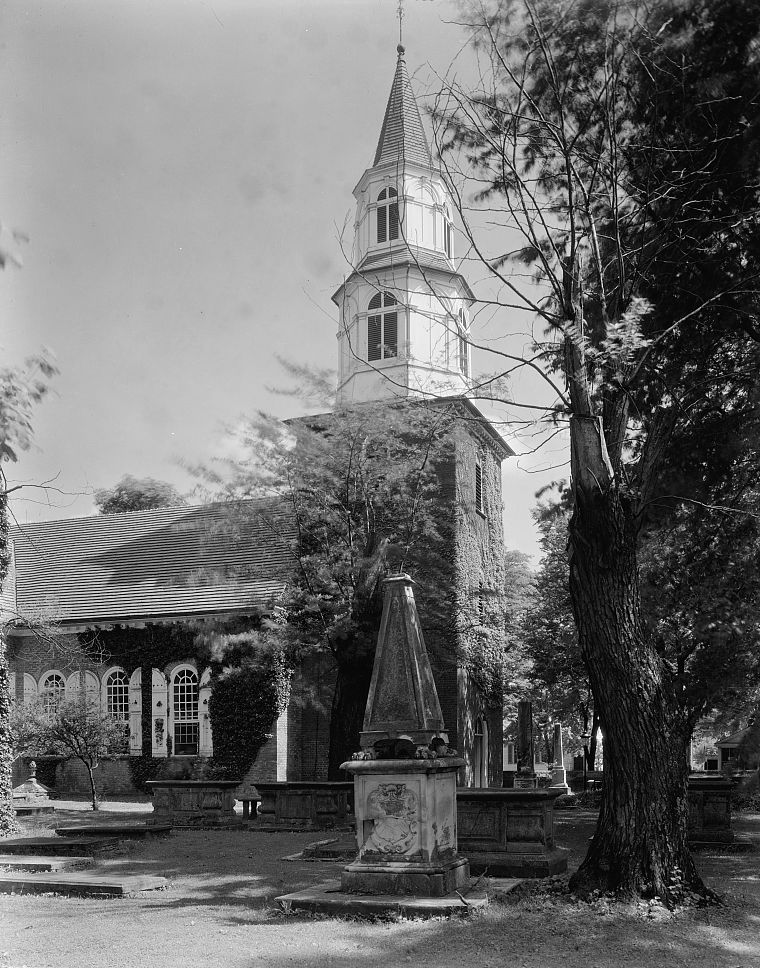
When the Virginia capital moved to Richmond in 1780, Williamsburg lost the thing that had made it matter. No major river route, no early railroad — commerce and influence followed both, and Williamsburg had neither. What remained was what had already been built: Bruton Parish Church, standing since 1715, its original walls still holding, an active Episcopal congregation worshipping in the same cruciform structure where Washington and Jefferson once sat in box pews. The Wren Building at William and Mary, founded 1695 and rebuilt twice within its own surviving walls, still housing classes. The Raleigh Tavern's Apollo Room, where dissolved burgesses reconvened in 1769 and again in 1774 and passed non-importation agreements before the day was out. The city faded for a century and a half. The buildings stayed. That proved to be the argument — for preservation, for return, for the 301-acre Historic Area the traveler walks through now.
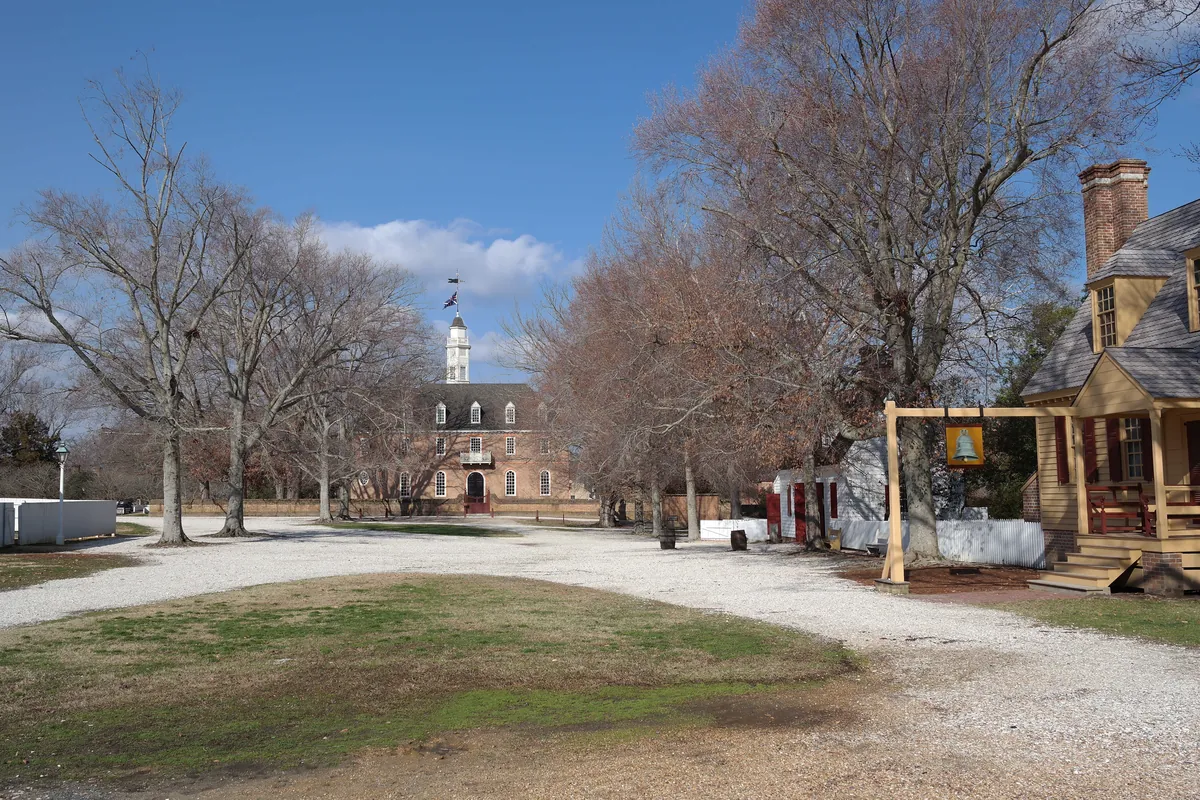
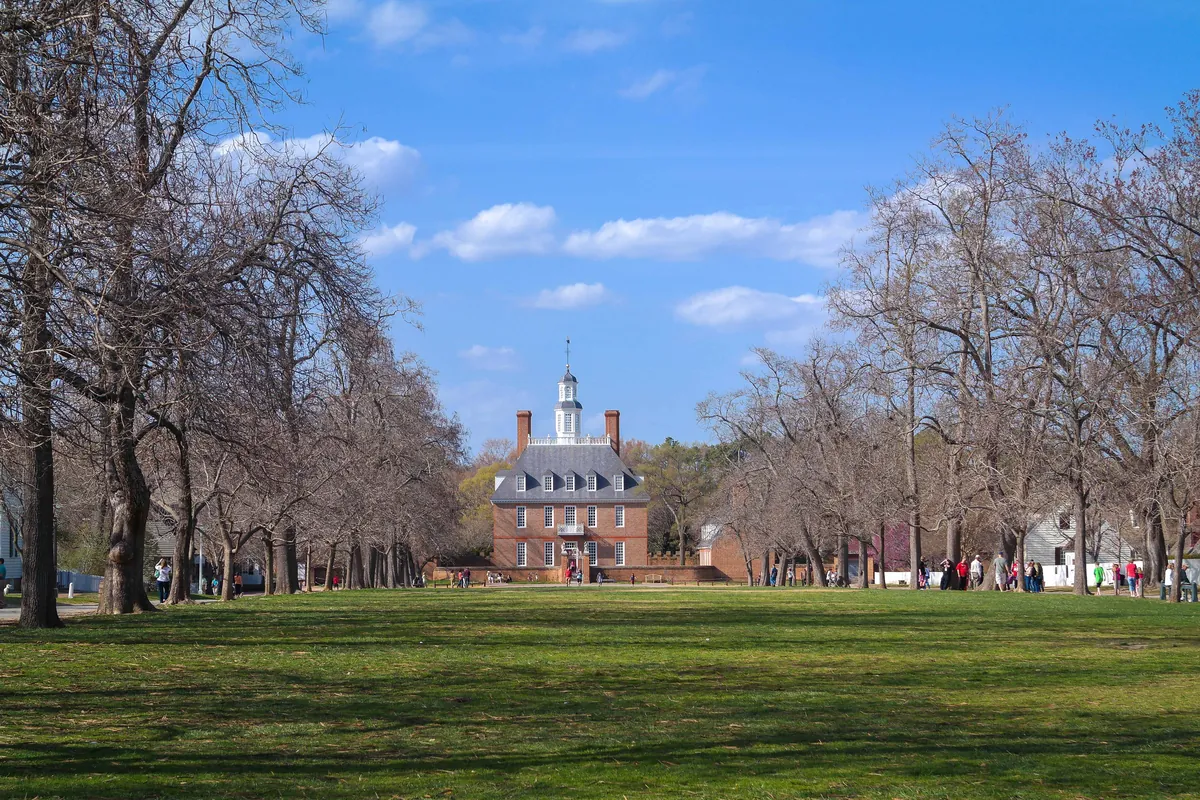
Middle Plantation became Williamsburg in 1699, and the renamed city wasted no time building an argument in wood and brick. The Governor's Palace made that argument loudest — seventy years as the physical address of British authority in Virginia, used by Washington and Rochambeau before it burned in 1781 in the chaos after Yorktown. The H-shaped Capitol made it another way: Patrick Henry delivered his Caesar-Brutus speech in that building in 1765, and Washington, Jefferson, and Richard Henry Lee all worked those rooms before Virginia declared independence here on June 29, 1776. The Public Gaol, built 1704 and still standing, held a different accounting — debtors, the enslaved, Tories, Continental soldiers, and Blackbeard's surviving crew after 1718, all shackled in the same walls. And the Randolph house, built around 1715, held the republic's founding contradiction without flinching: the man who presided over the First Continental Congress in 1774 owned enslaved people who lived and worked on that property. Williamsburg kept all of it.
The College of William & Mary existed before Williamsburg did. The building that would become its center was standing in 1695 — before the capital moved from Jamestown, before the street grid, before the city had a name. It burned and was rebuilt in 1716 and again in 1732, and still the walls held. In 1776, Phi Beta Kappa, the first Greek-letter academic fraternity in America, was founded inside it. Thomas Jefferson studied here. When the dissolved House of Burgesses needed a room after Governor Botetourt shut them out in 1769, they walked to the Raleigh Tavern's Apollo Room and passed the Non-Importation Agreement anyway. Down Duke of Gloucester Street, Bruton Parish Church has stood since 1715 — original walls, not a reconstruction — where Washington, Jefferson, and Monroe worshipped while Virginia was still a colony. The college endured. The church endured. They are the reason the city has a shape at all.
Patrick Henry delivered the Caesar-Brutus speech in the Capitol in 1765. A decade later, on the night of April 20, 1775 — one day after Lexington and Concord — Lord Dunmore ordered the secret removal of gunpowder from the octagonal brick magazine on Market Square. The colonists found out. Patrick Henry led militia toward Williamsburg in response, and Virginia's revolution had its opening shot. The Governor's Palace, seat of royal authority for seventy years, became a hospital after Yorktown and burned in 1781 — Washington and Rochambeau had both passed through. Eight thousand British troops surrendered at Yorktown in October 1781. Thomas Nelson Jr. — governor, Declaration signer, militia commander — reportedly directed French cannon fire at his own home during the siege because British officers had quartered there. The cannonball damage is still in the east wall. The ground held the argument before anyone had words for it.
Tickets & Shows
Before you go
Williamsburg in 1774, street by street — before the costumed guides arrived. The town as a place people actually lived in and argued about.
Shot on the actual streets where the decisions got made. Watch it before you walk them — not after.
Plan your trip
The only thing left to do is go.
Some of these are partner links — if you book through them, Portage may earn a commission at no extra cost to you.
Plan your visit
Editorial content compiled with AI assistance. Place details verified against public records.