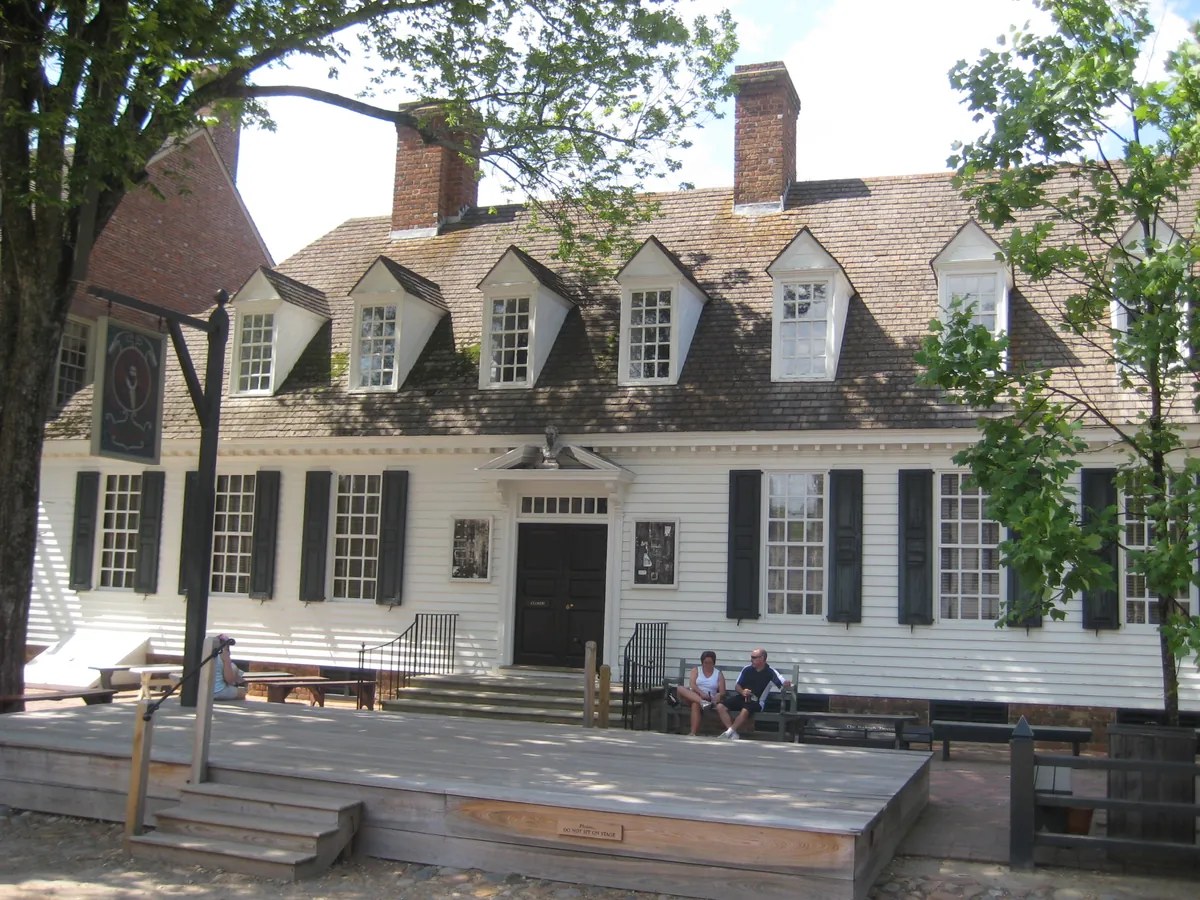
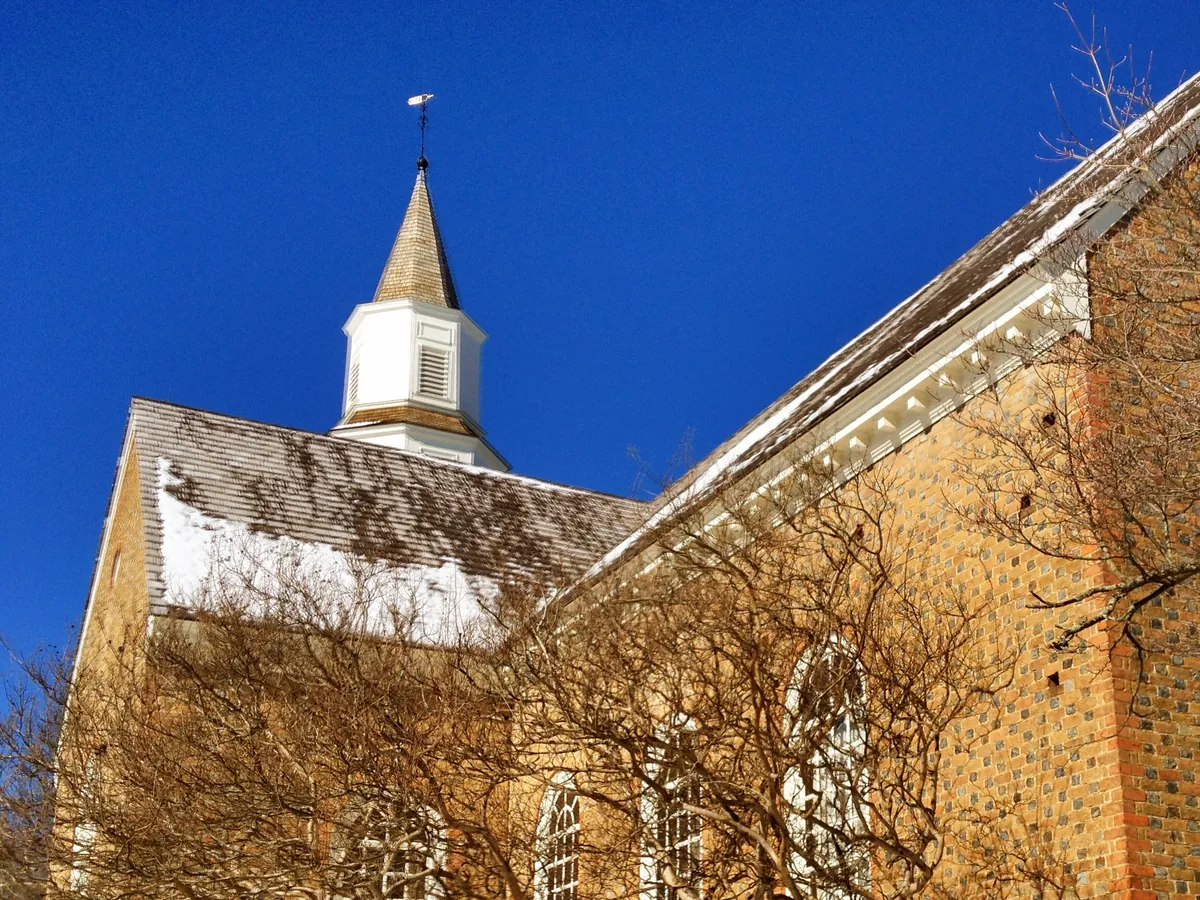
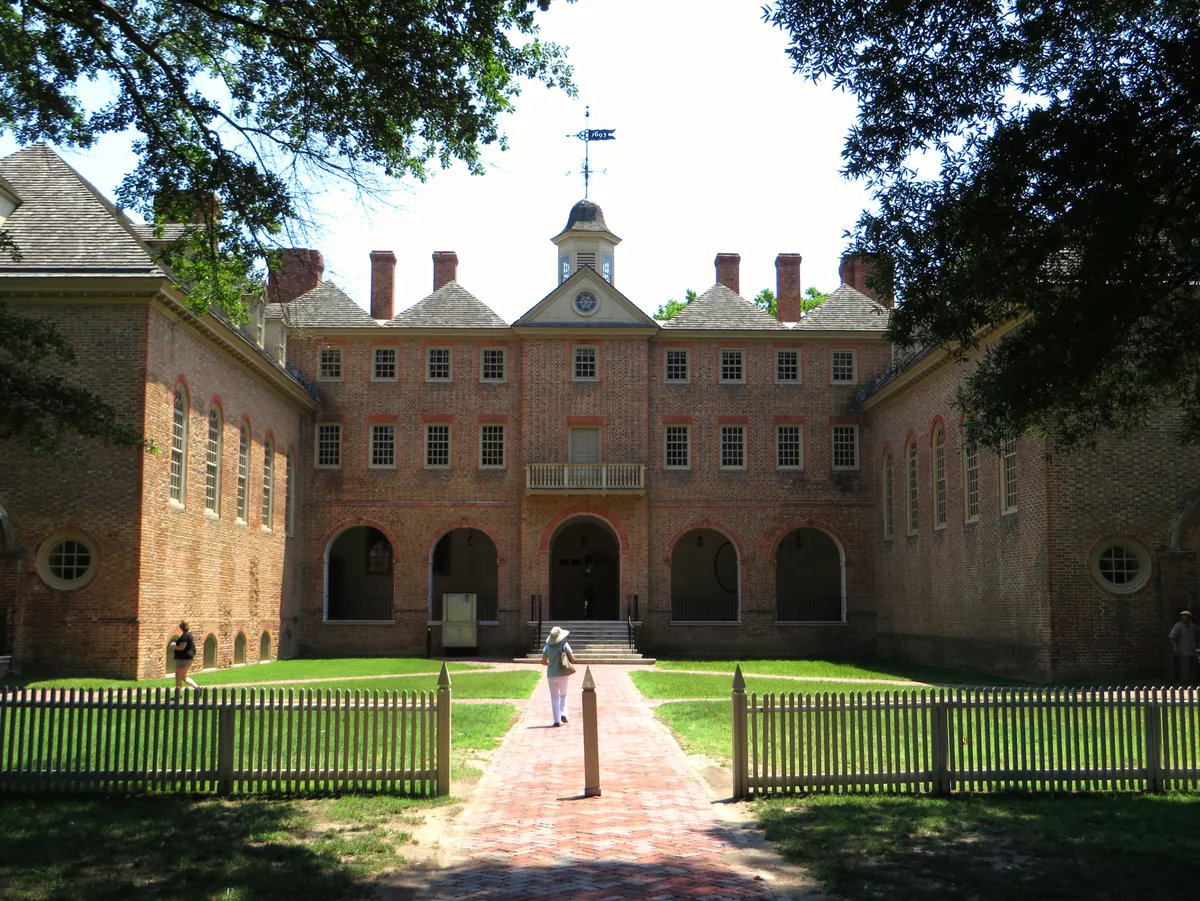
When the Virginia capital moved to Richmond in 1780, Williamsburg lost the thing that had made it matter. No major river route, no early railroad — commerce and influence followed both, and Williamsburg had neither. What remained was what had already been built: Bruton Parish Church, standing since 1715, its original walls still holding, an active Episcopal congregation worshipping in the same cruciform structure where Washington and Jefferson once sat in box pews. The Wren Building at William and Mary, founded 1695 and rebuilt twice within its own surviving walls, still housing classes. The Raleigh Tavern's Apollo Room, where dissolved burgesses reconvened in 1769 and again in 1774 and passed non-importation agreements before the day was out. The city faded for a century and a half. The buildings stayed. That proved to be the argument — for preservation, for return, for the 301-acre Historic Area the traveler walks through now.