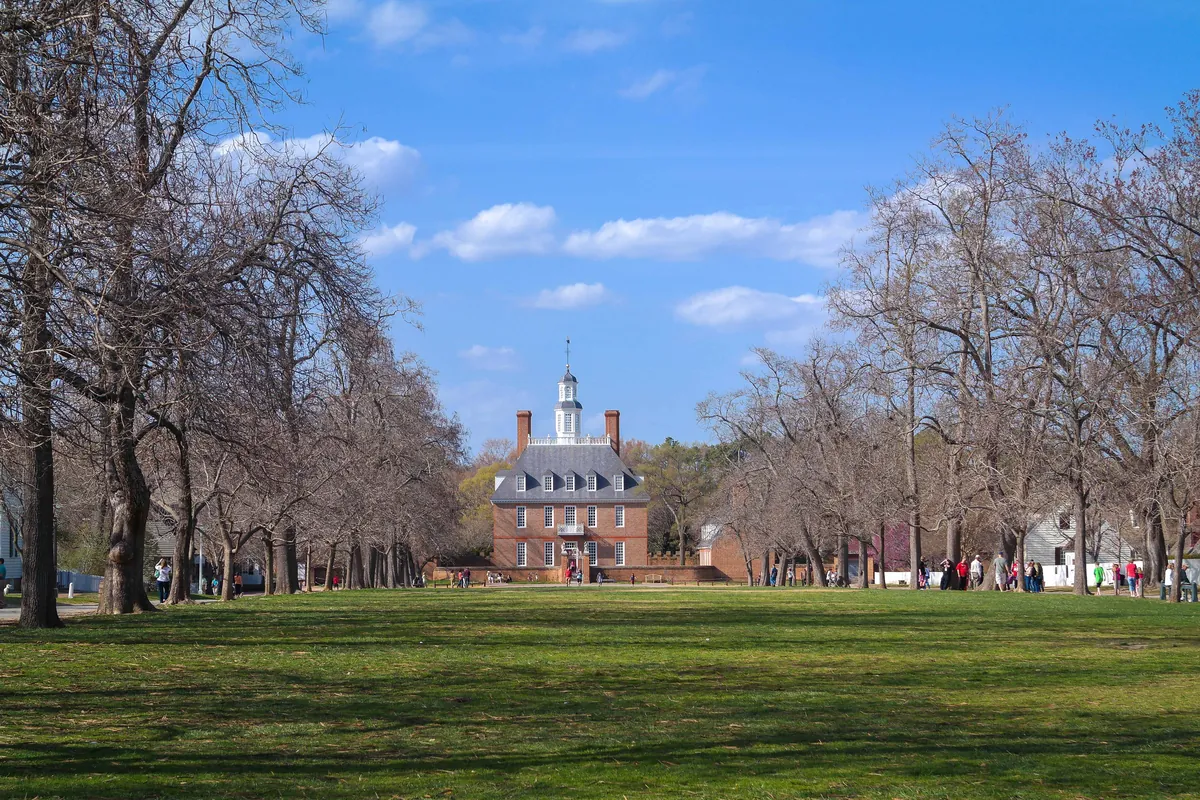
For seventy years, the Governor's Palace was the seat of royal authority in Virginia — the place where British power in the colony had a physical address. Lieutenant Governor Alexander Spotswood oversaw the original construction and shaped the grounds, understanding that a residence is never just a residence when it belongs to a crown.
The capital moved to Richmond in 1780. Then the original building served as a hospital for wounded soldiers following the Siege of Yorktown, and burned in 1781 — likely, the record suggests, through negligence or arson in the chaos of wartime. Washington and Rochambeau had both passed through. What remained was ruins.
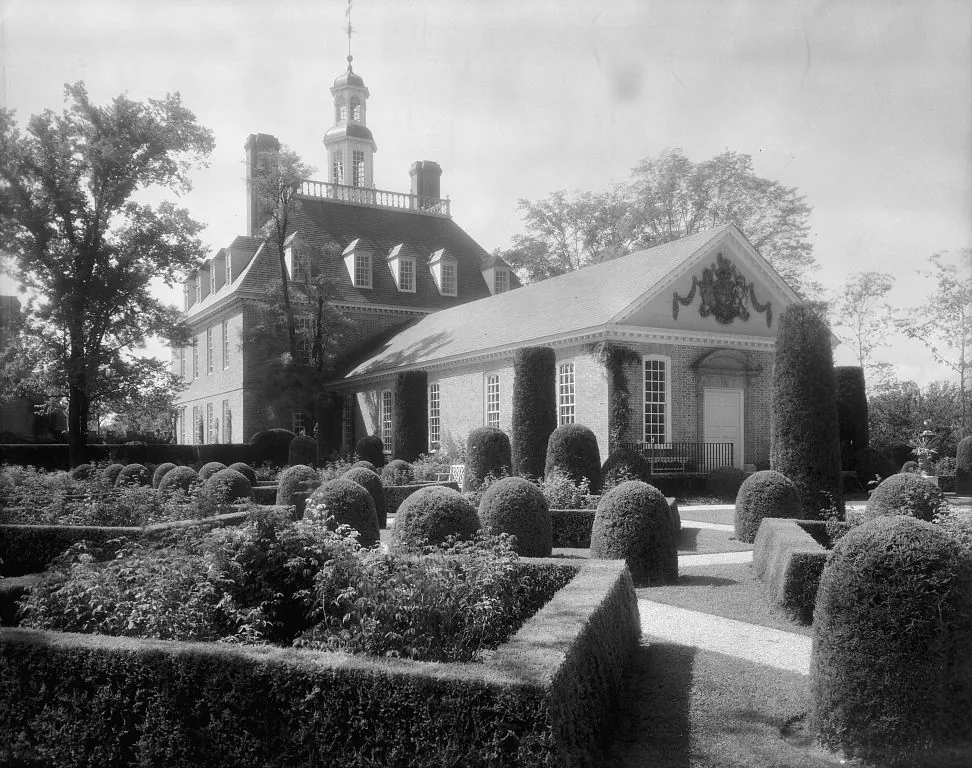
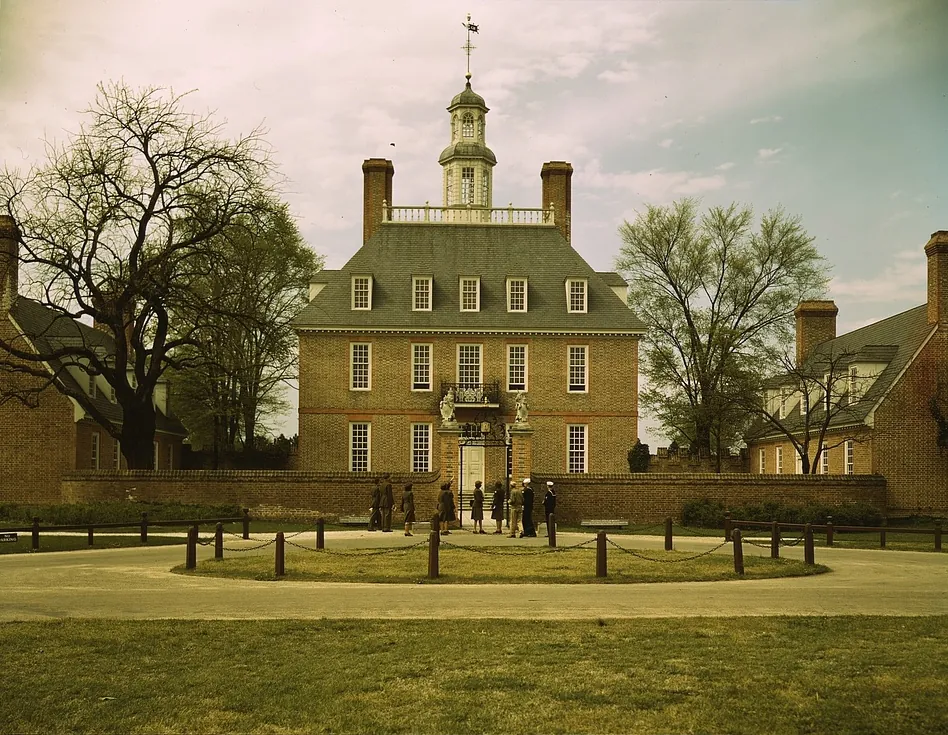
The structure standing today is a reconstruction, rebuilt in the 20th century through archaeological excavation and historical analysis. That fact matters and doesn't diminish it. What the reconstruction preserves is the argument the original building was always making: that authority requires a stage, and the stage requires maintenance, and maintenance has always required labor that history is still learning to fully account for.
Williamsburg itself was built as a capital city — renamed from Middle Plantation in 1699 specifically to project the seriousness of colonial governance. The Palace was the apex of that projection. Go because the building is honest about what it was.
- ·Reconstructed colonial governor's residence. Original burned 1781 after serving as hospital post-Yorktown. Washington and Rochambeau both used it. Seat of royal authority in Virginia for 70 years.
More archive
Memories
Editorial content compiled with AI assistance. Place details verified against public records.