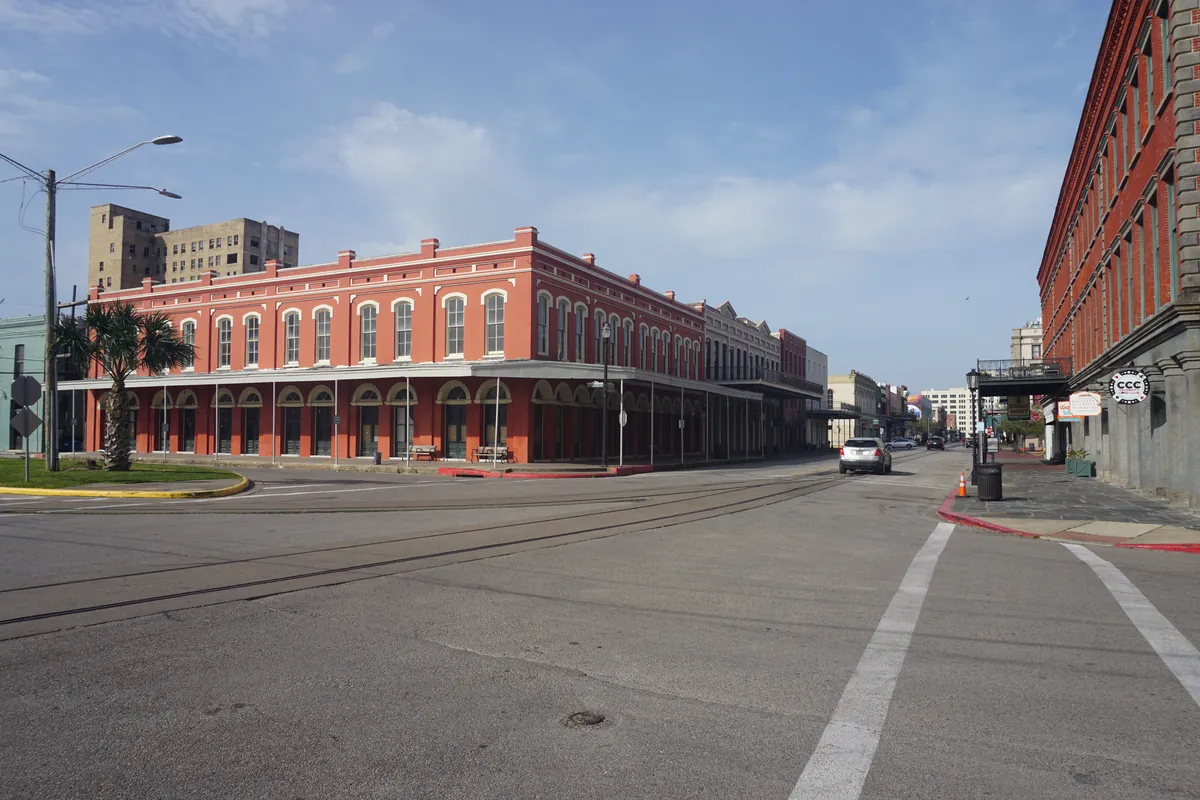
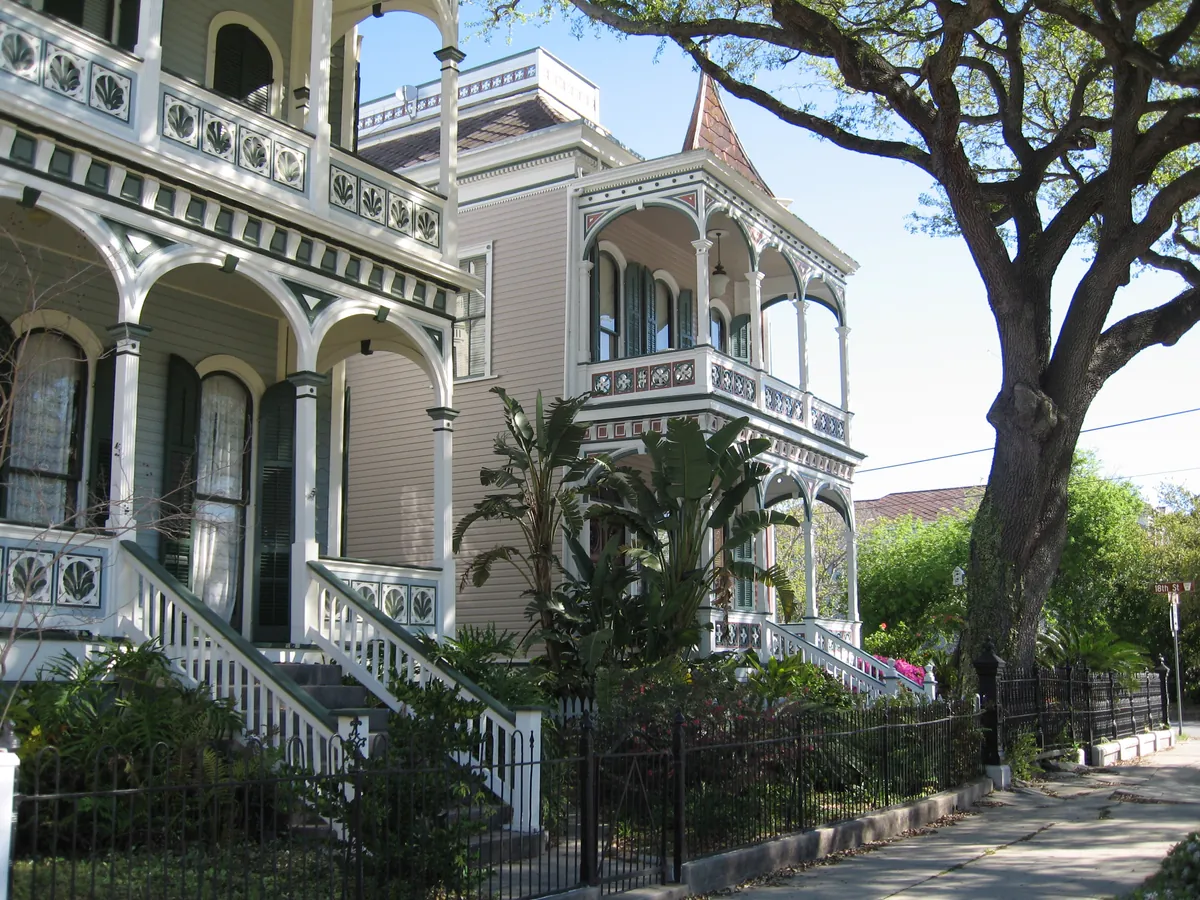
A German immigrant jeweler named his street after London's Strand, thinking the association would lend his shop more prestige — and what grew along it became something London never managed: the conduit for sixty percent of Texas's cotton exports, home to the state's five largest banks, known across the financial world as the "Wall Street of the South." By the mid-19th century Galveston was Texas's largest city and the world's leading cotton port, its wealth stacked along a harbor that Mexican Congress had designated a port of entry in 1825. The men who ran that cotton and finance built mansions along Broadway and settled prosperous families into the residential streets of the Silk Stocking district. The 1900 hurricane — still the deadliest natural disaster in American history — ended that era. The Strand's Victorian commercial buildings survived. The Broadway mansions survived. What was built here outlasted what destroyed it.