Top picks in Galveston
The places most worth your time here.
Connect your Cour circle to see which places friends and family recommend here.
Connect Cour →Landmarks
51 places worth the detour
tap the eye to open · swipe or use buttons to browse
Galveston sits on a barrier island two miles off the Texas Gulf Coast, fifty miles southeast of Houston, at the point where Galveston Bay meets the Gulf of Mexico. The eastern end of the island holds…
Read the full storyOn the map
Reading
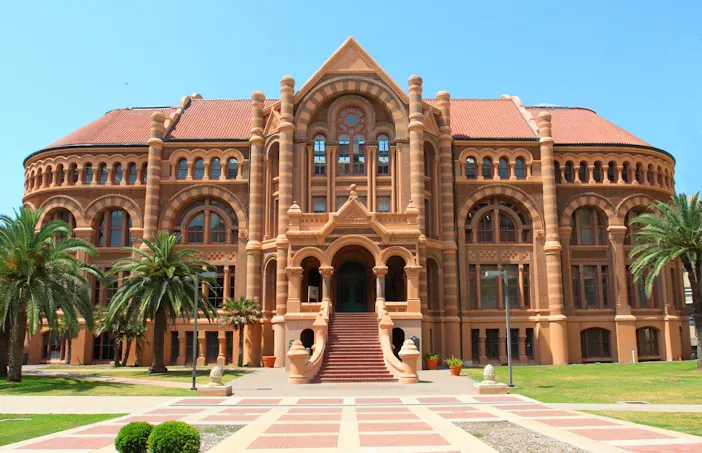
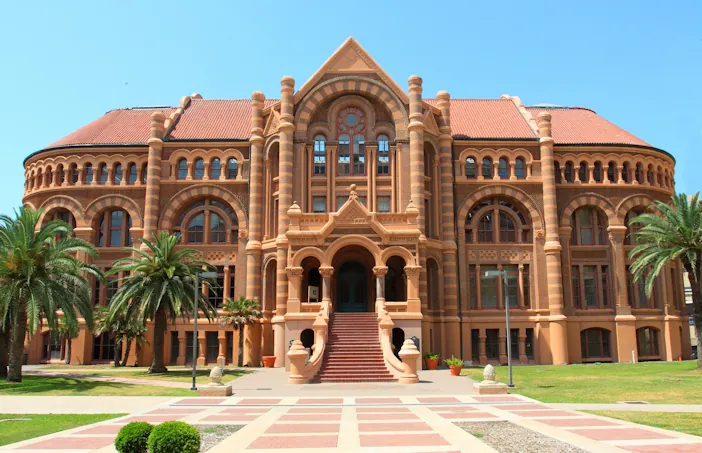
In 1891, when 80 percent of Texas doctors had less than a year of formal medical training, Galveston built an answer: the University of Texas Medical Branch, the state's first medical school, opening with 23 students in one building designed by local architect Nicholas J. Clayton. That building — Old Red, a Romanesque Revival structure in red brick and sandstone — took six feet of water from the 1900 hurricane, the deadliest natural disaster in American history, and stood. It took six feet again from Hurricane Ike in 2008, and stood. When the gambling halls that made Galveston the Gulf's sin city closed in the 1950s and businesses relocated to the mainland, the medical school stayed. UTMB grew to more than 70 buildings and 2,500 students. Old Red is still there, still the oldest surviving medical school building in Texas. Go see it.
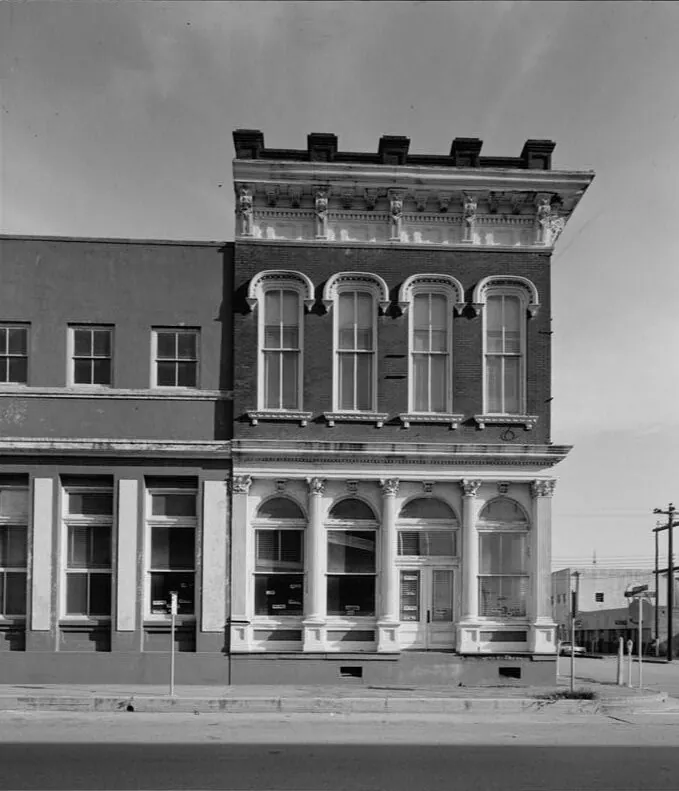
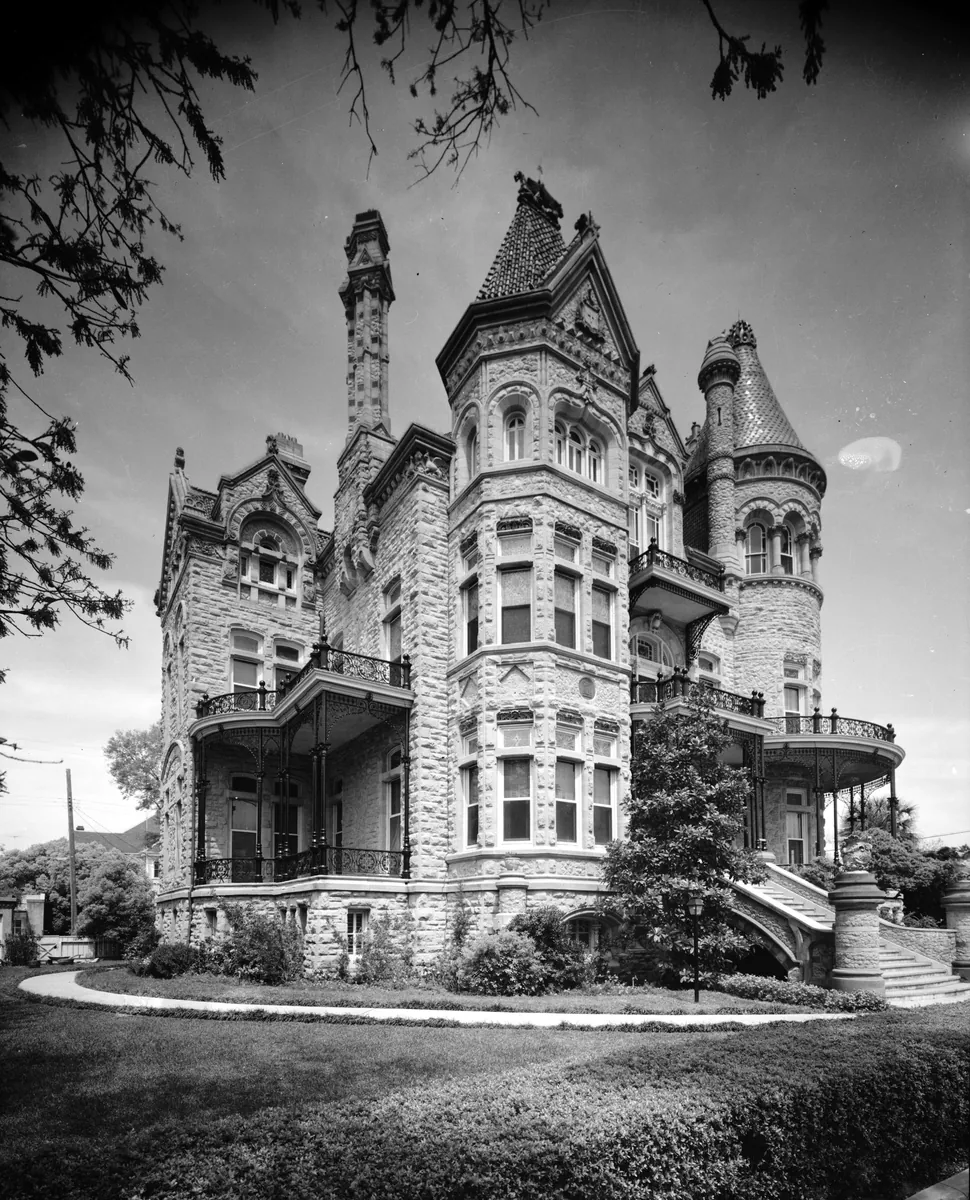
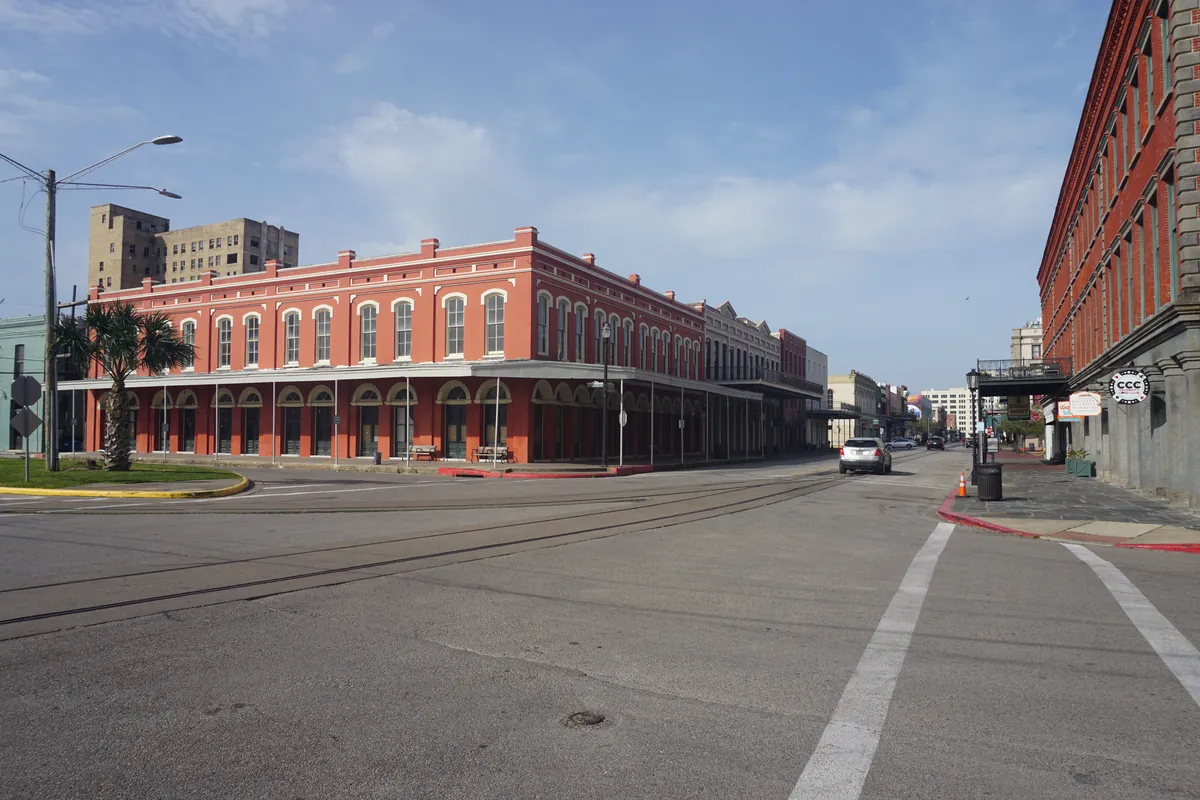
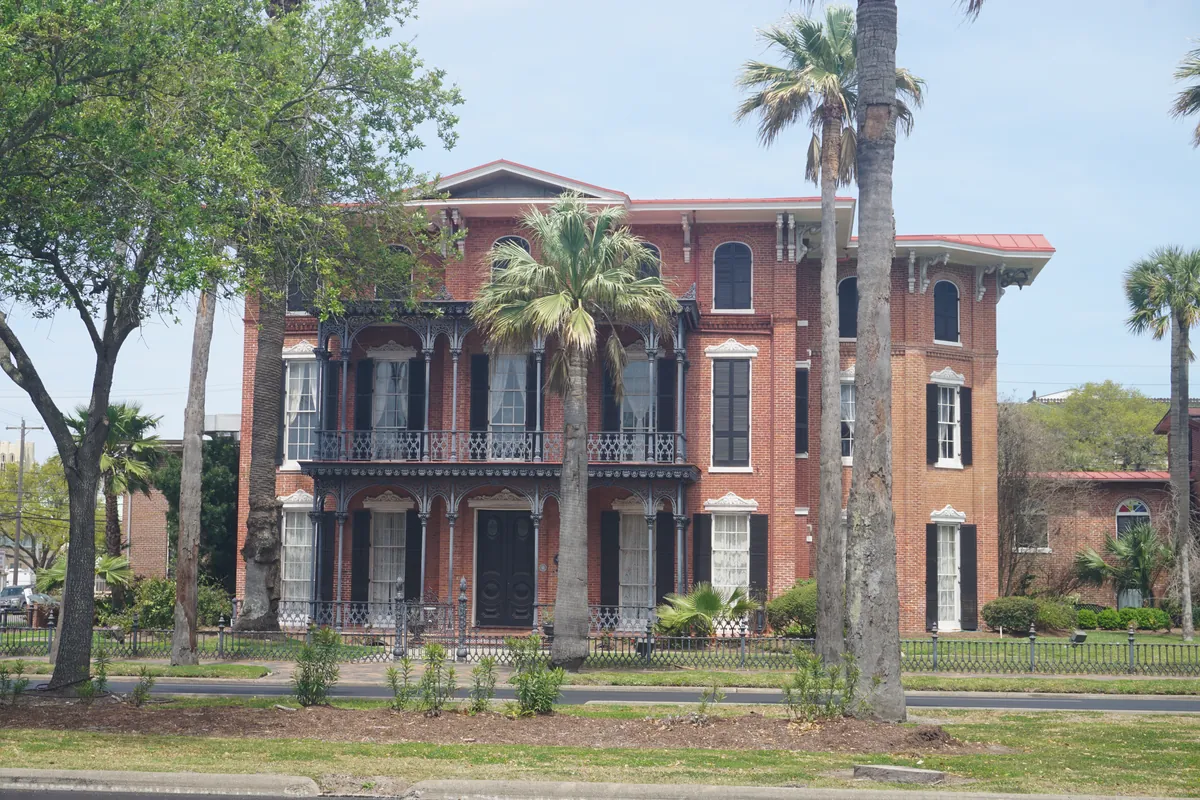
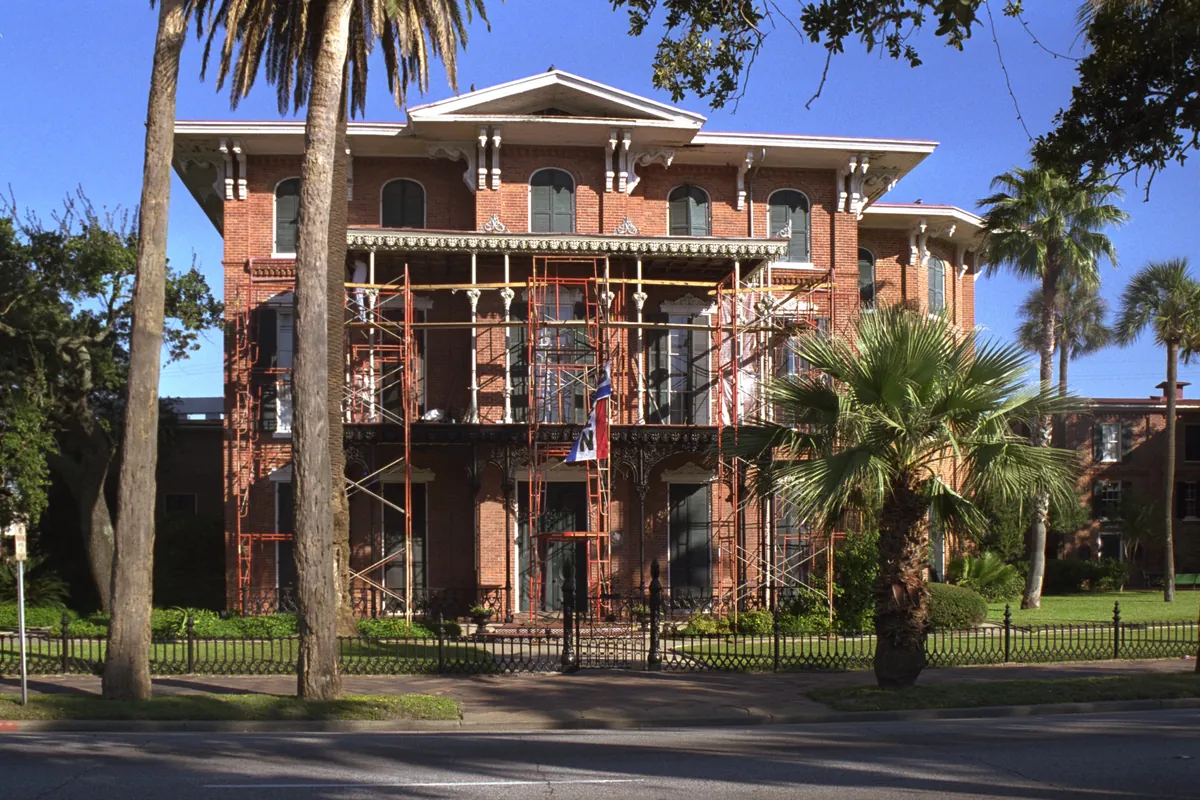
A German immigrant jeweler named his street after London's Strand, thinking the association would lend his shop more prestige — and what grew along it became something London never managed: the conduit for sixty percent of Texas's cotton exports, home to the state's five largest banks, known across the financial world as the "Wall Street of the South." By the mid-19th century Galveston was Texas's largest city and the world's leading cotton port, its wealth stacked along a harbor that Mexican Congress had designated a port of entry in 1825. The men who ran that cotton and finance built mansions along Broadway and settled prosperous families into the residential streets of the Silk Stocking district. The 1900 hurricane — still the deadliest natural disaster in American history — ended that era. The Strand's Victorian commercial buildings survived. The Broadway mansions survived. What was built here outlasted what destroyed it.
On June 19, 1865, Maj. Gen. Gordon Granger stood on the Strand in Galveston and read General Order No. 3 aloud — informing the people of Texas that all enslaved people were free. The Civil War had ended in April. Most had not known. The congregation at Reedy Chapel A.M.E. had existed since 1848, founded by enslaved people on land given to them for worship; after emancipation, it became Texas's first A.M.E. congregation. Freed people chose to stay on this island. They built churches, businesses, and the civic institutions that carried Black life through the generations that followed. The current Reedy Chapel building dates to 1886, survived the 1900 hurricane, and remains an active congregation. The annual observance began as early as 1866. Juneteenth became a federal holiday in 2021. What started here was not a monument — it was a community, built by people who had nothing guaranteed and left something that lasted.
On September 8, 1900, a storm surge topped fifteen feet over an island that sat less than nine feet above sea level. Between six thousand and twelve thousand people died — still the deadliest natural disaster in American history. What the city did next is the whole story: civil engineers designed a concrete seawall and raised the elevation of the entire island, using methods that had no real precedent. Construction began in September 1902. The wall stands seventeen feet high. After nearly a hundred years and numerous subsequent hurricanes, the record shows only minimal damage and loss of life. A bronze memorial on Seawall Boulevard marks the dead. The seawall behind it marks the answer. A city that had every reason to abandon a barrier island chose instead to remake the ground it stood on.
Before you go
Plan your trip
The only thing left to do is go.
Some of these are partner links — if you book through them, Portage may earn a commission at no extra cost to you.
Editorial content compiled with AI assistance. Place details verified against public records.