Top picks in Winston-Salem
The places most worth your time here.
Connect your Cour circle to see which places friends and family recommend here.
Connect Cour →Landmarks
58 places worth the detour
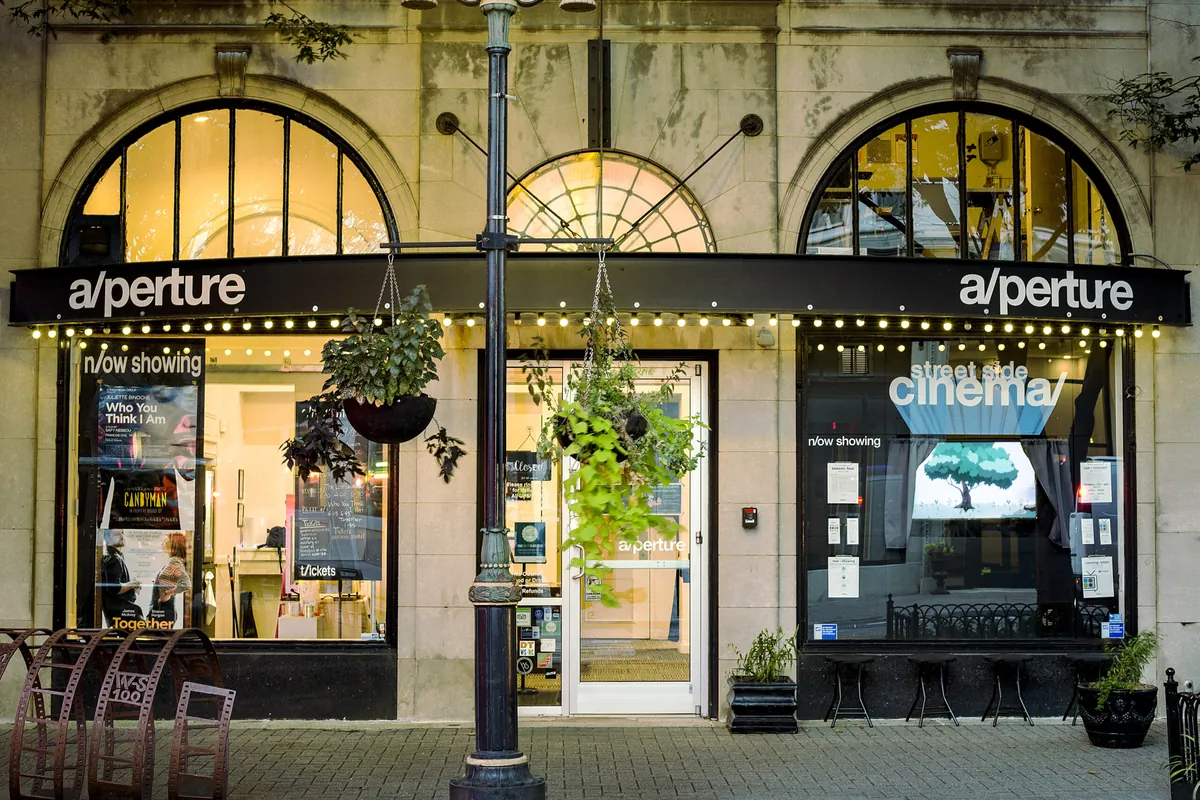
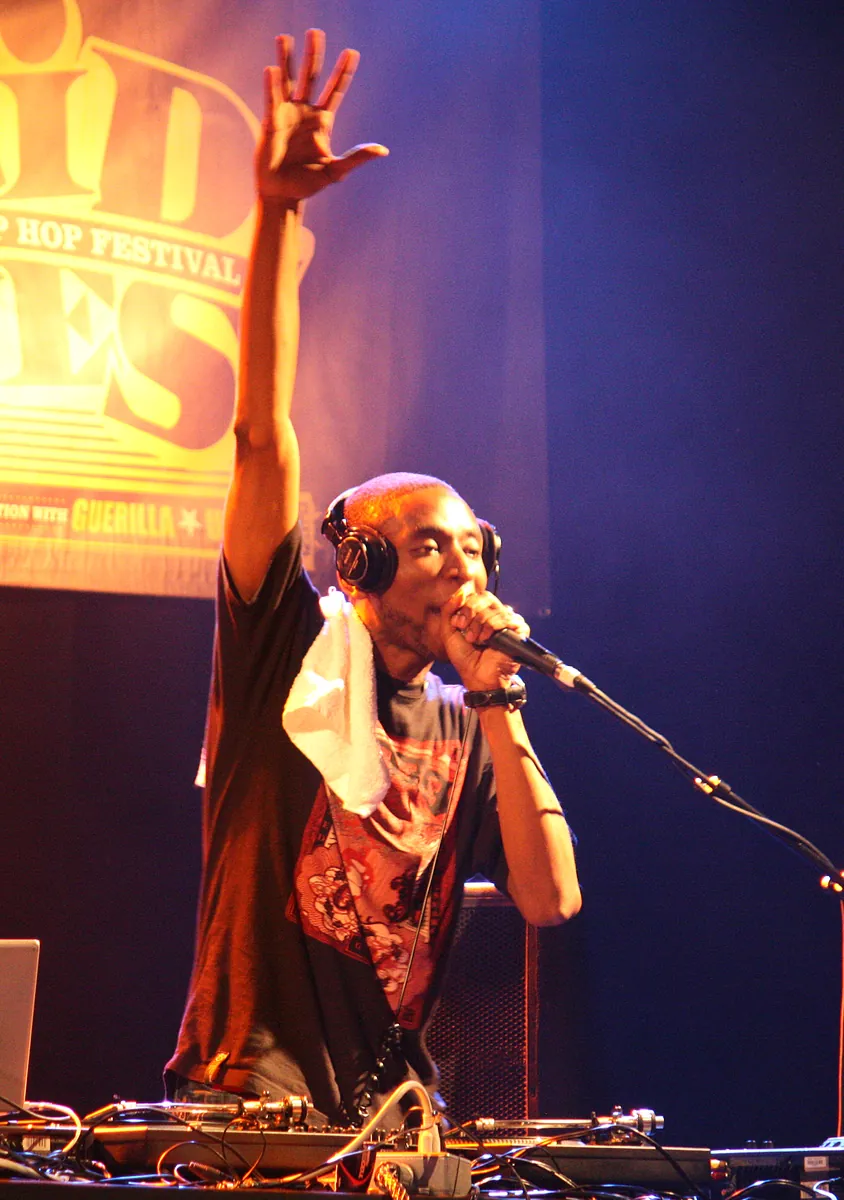
tap the eye to open · swipe or use buttons to browse
Winston-Salem sits in the northwest Piedmont of North Carolina, 65 miles from the geographic center of the state — close enough to the Appalachian foothills to feel their pull, far enough into the…
Read the full storyOn the map
Tours
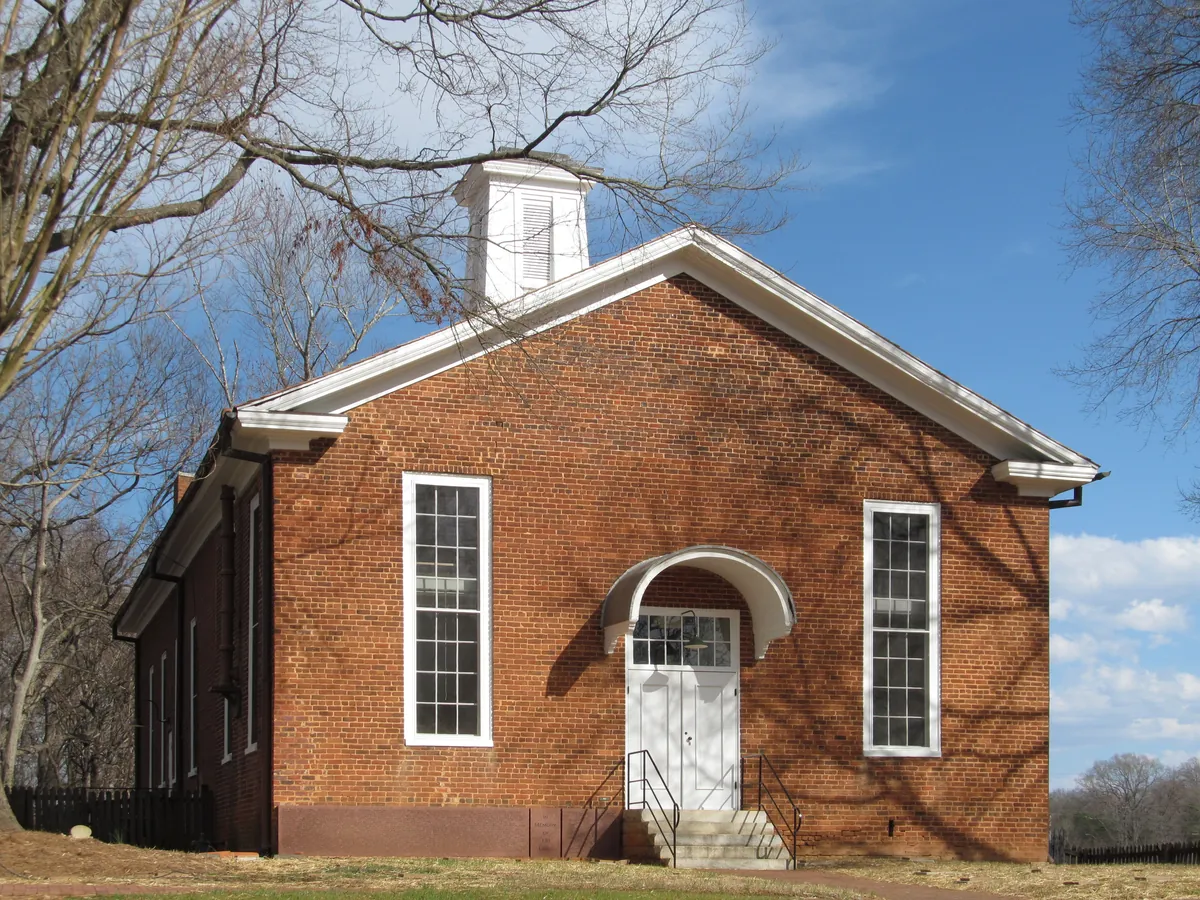
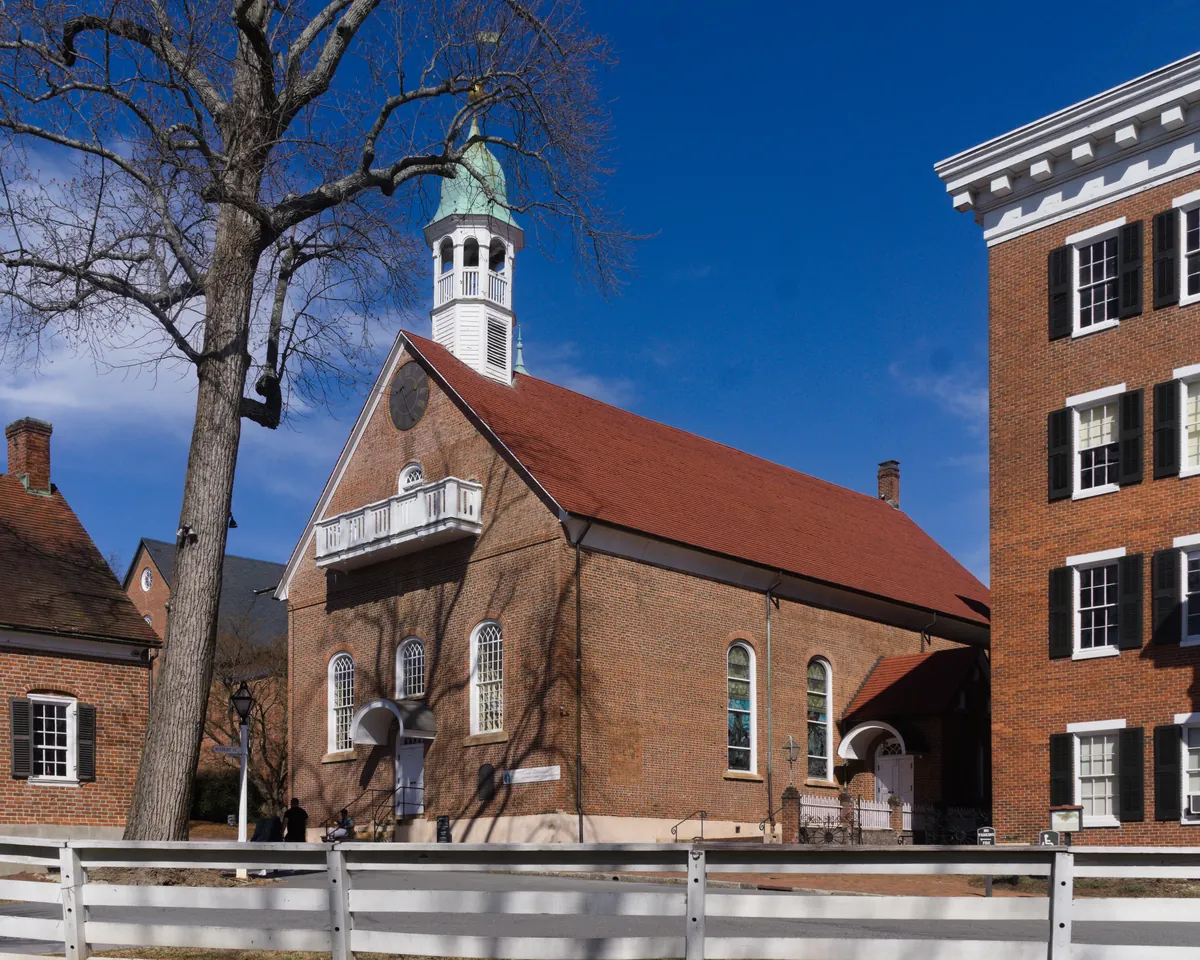
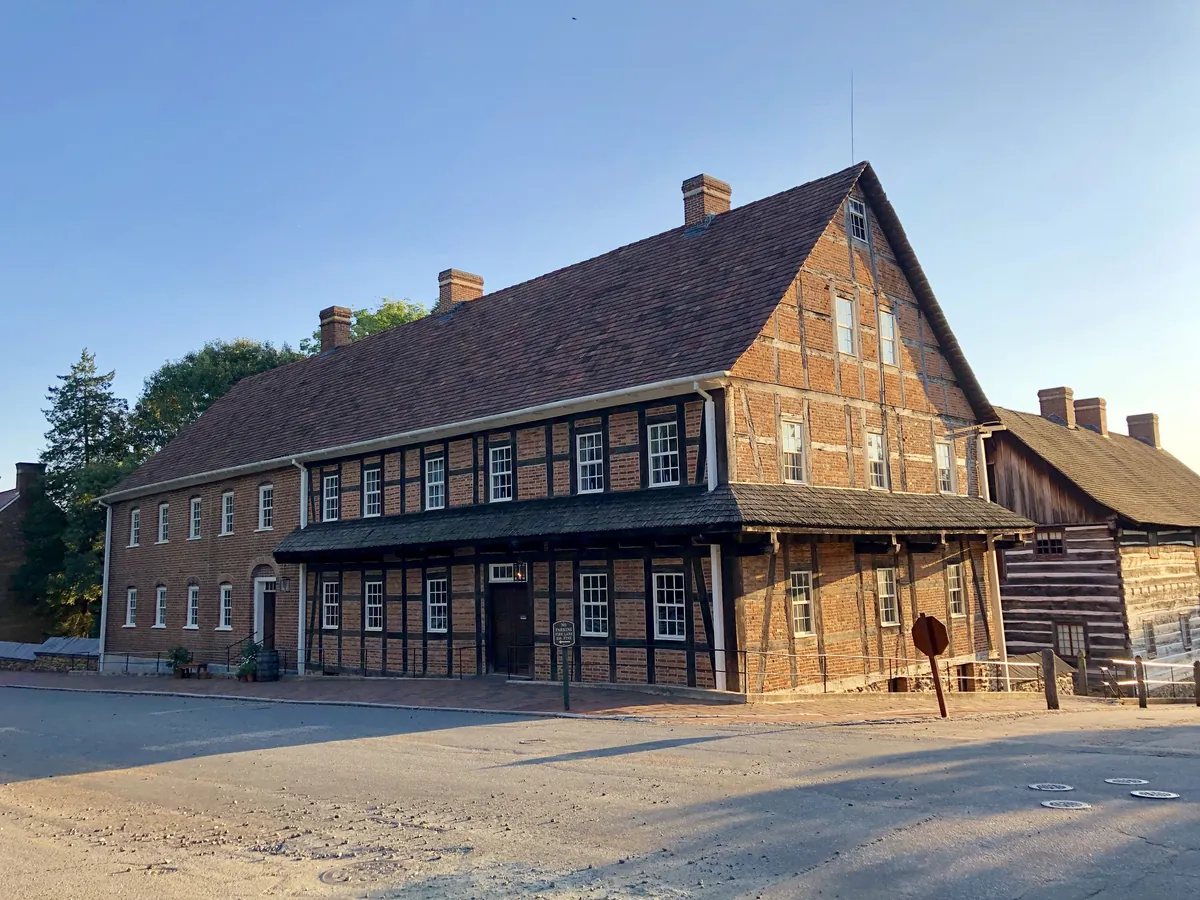
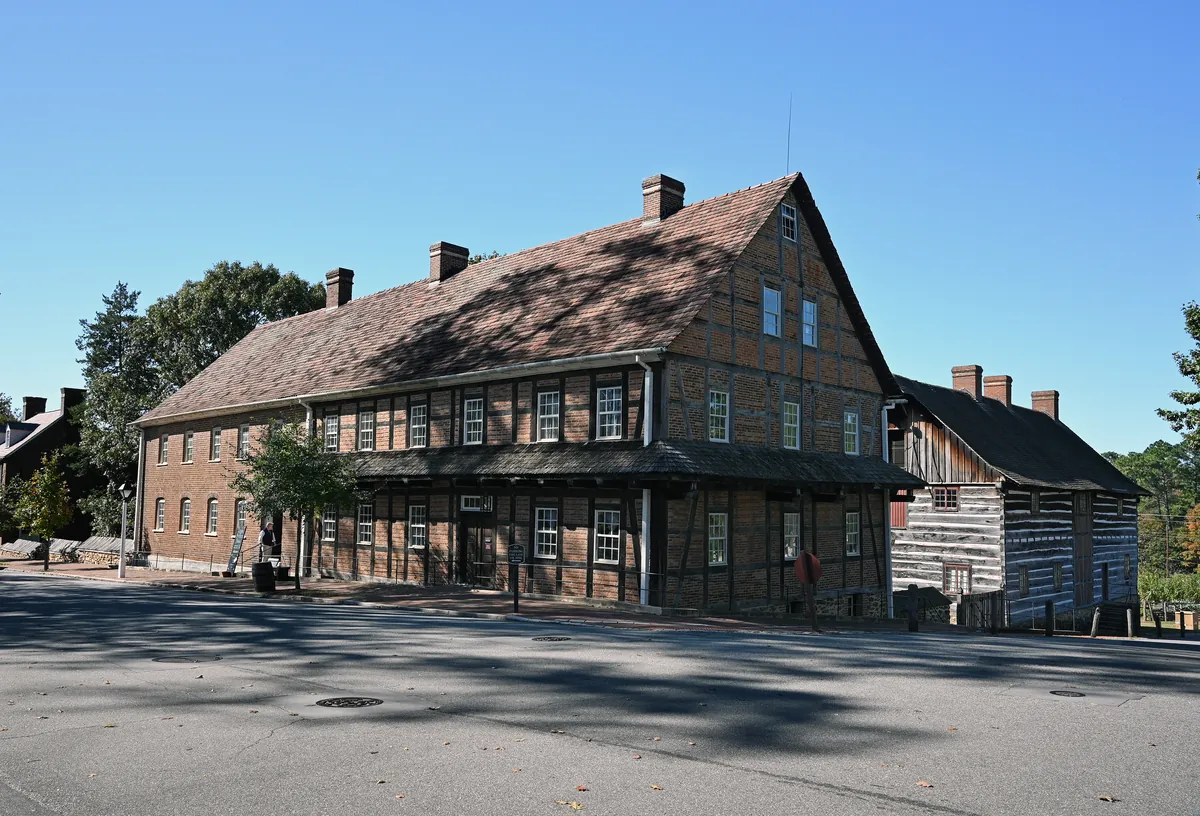
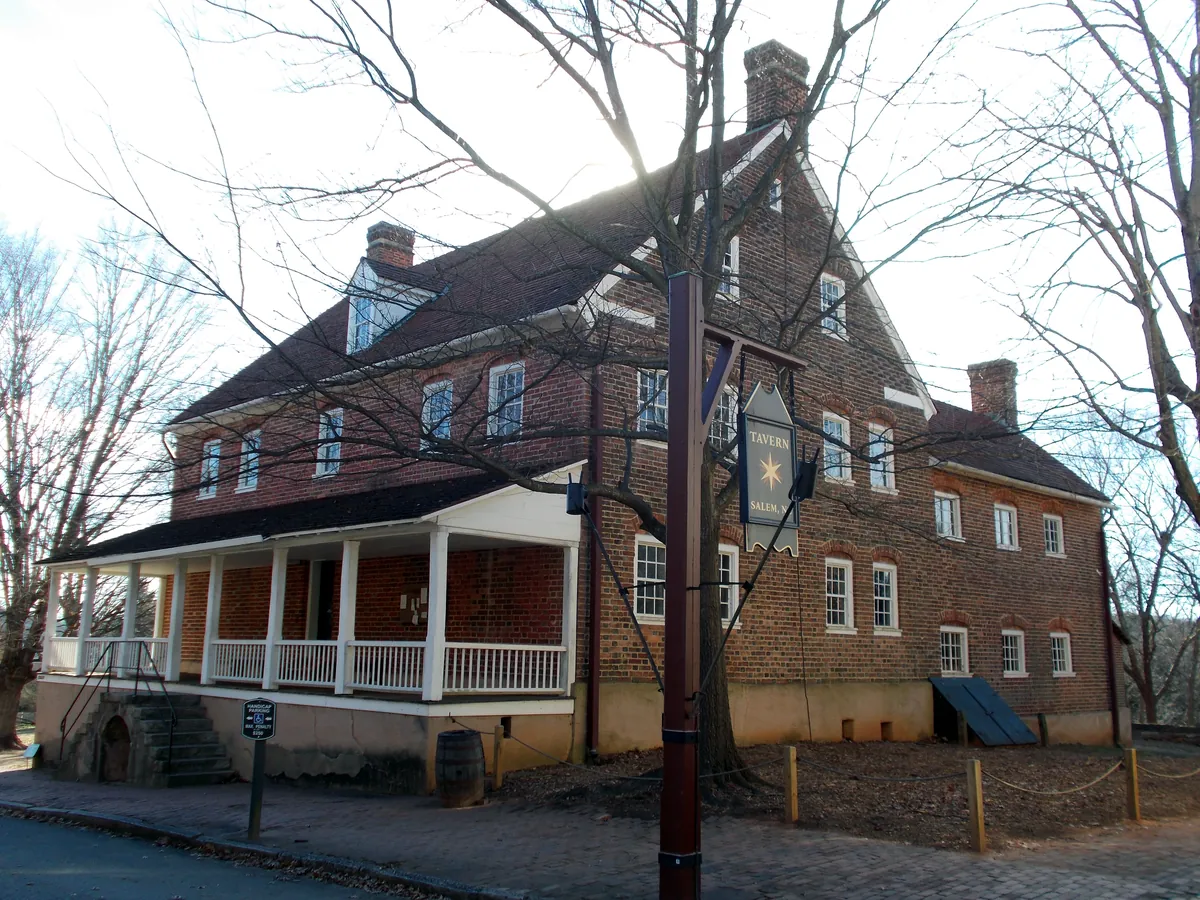
Salem was built as a single argument: a Moravian congregation town where the church owned the ground and every building answered to the community. This walk is that argument, still standing — the house where the trades were taught, the tavern that was the town's one door to the outside world, the graveyard where the dead lie by choir and not by family, the bakery still firing its 18th-century oven, and the church where a Union chaplain read freedom aloud in 1865. Park once; it's all within a few blocks.
Reading
Simon Green Atkins arrived in a city being built for tobacco and started building something else. In 1892, with a single room and backing from the John F. Slater Fund, he opened the Slater Industrial Academy — and didn't stop at the campus edge. He also developed Columbian Heights, the neighborhood surrounding it, treating institution and community as a single project. By 1925, the state had renamed the school Winston-Salem Teachers College and designated it the first Black institution in North Carolina empowered to grant degrees for elementary teacher education. Less than two miles away, a congregation organized in 1822 — after white Moravians stopped welcoming Black worshippers — had already been doing this work longer. They built a log church in 1823, a brick church in 1861, and endured. That brick building is the oldest surviving African American church structure in North Carolina. What Atkins built and what that congregation built share the same logic: you make the thing you are not given.
In 1949, Winston-Salem created the first arts council in the United States, a civic decision that launched a national movement before the city had even begun to remake its tobacco-and-textile identity. The institutions that followed built on that founding instinct. The North Carolina General Assembly established America's first state-supported arts conservatory here in 1963 — but Winston-Salem's citizens had already voted with their phones, raising nearly $1 million in two days to win the school. UNCSA opened in 1965, joined the UNC System in 1972, and eventually sent Jada Pinkett Smith, Danny Glover, and Mary-Louise Parker into the world. The Carolina Theatre, a vaudeville and movie house since 1929, was donated to UNCSA in 1980 and now anchors downtown as the Stevens Center — home stage to the Winston-Salem Symphony, Piedmont Opera, and the International Black Theatre Festival. The traveler standing here is inside a city that decided, early and repeatedly, that culture was infrastructure.
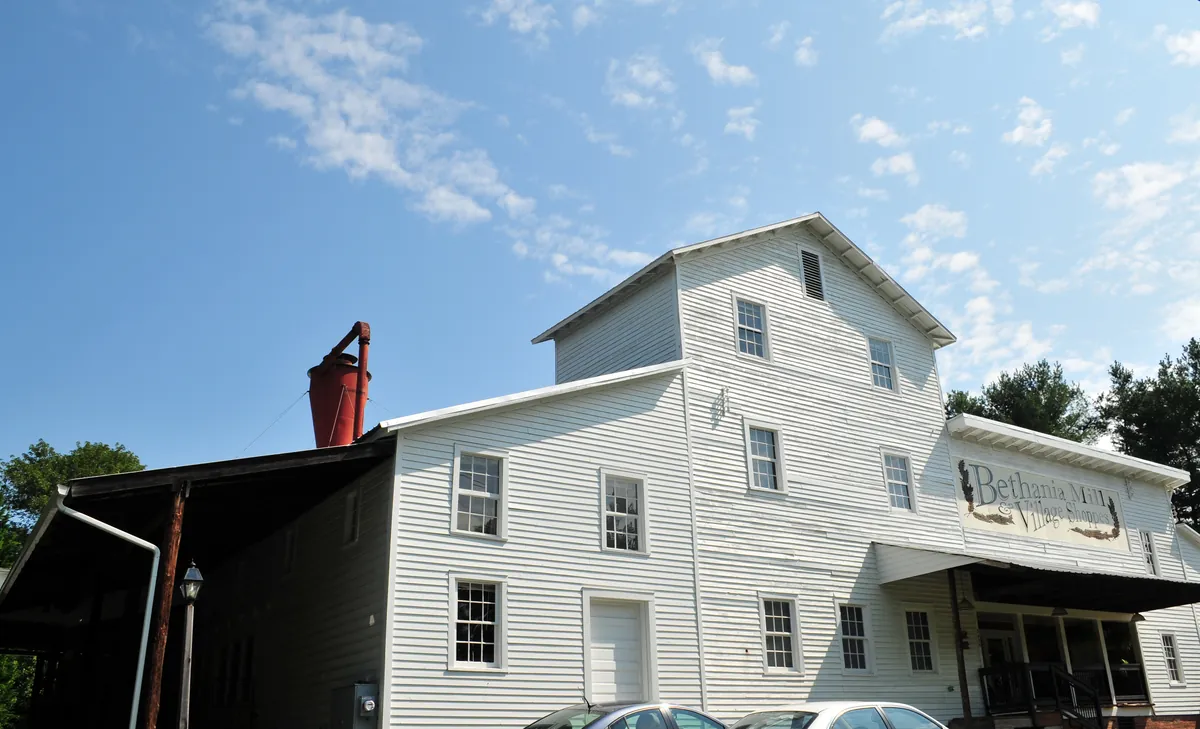
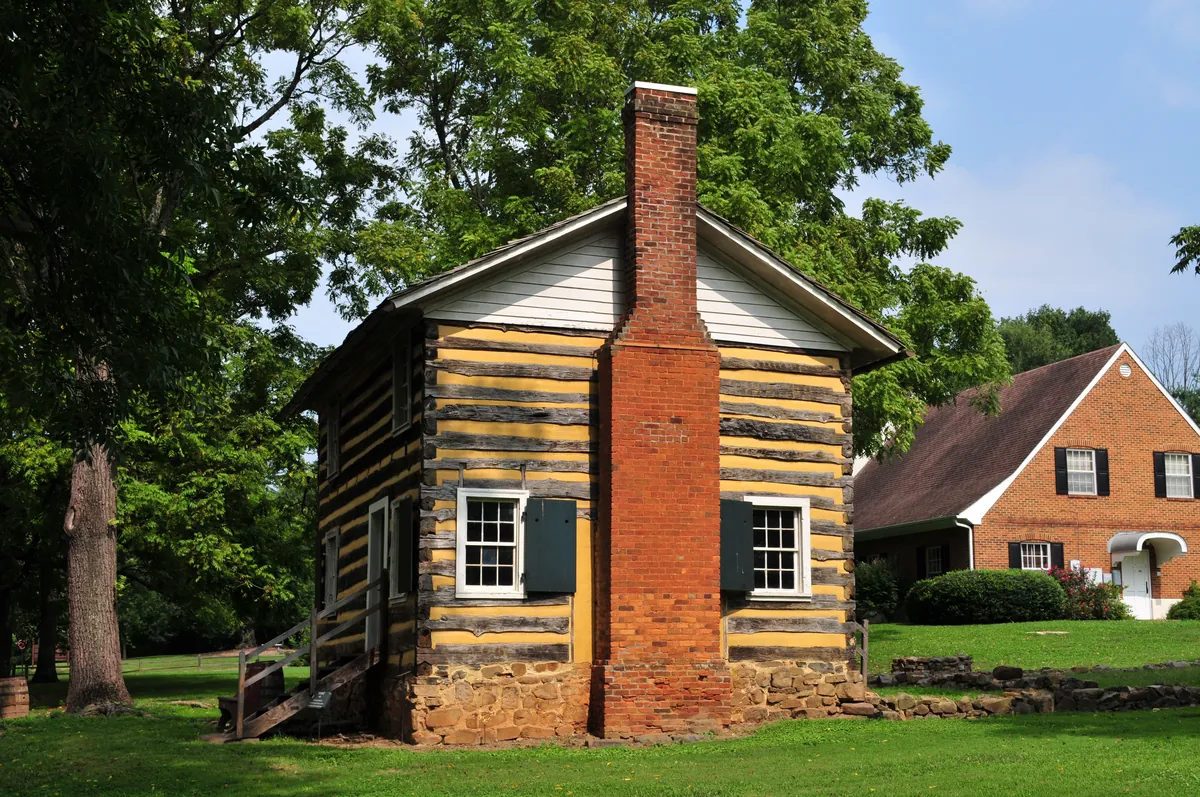
Fifteen Moravians came down the Great Wagon Road in November 1753 and stopped at a place in the Muddy Creek forks, calling it Bethabara — house of passage. They had purchased nearly 99,000 acres they named Wachovia, and they meant to build something deliberate on it. By 1766, Salem was laid out around a square, congregation-owned, its church the anchor of everything. For a century Salem was one kind of place — ordered, closed to outsiders, keeping meticulous records of every trade and deed. Just north, Winston grew up differently: a county seat, then a tobacco town, with R.J. Reynolds and Pleasant Hanes establishing operations in the 1880s and reshaping what the Piedmont meant. By 1913, the two towns voted themselves into one city. The name they chose held both halves — neither absorbed the other, at least not on paper — and that tension between the planned congregation town and the industrial boomtown is still what you're navigating when you walk Winston-Salem today.
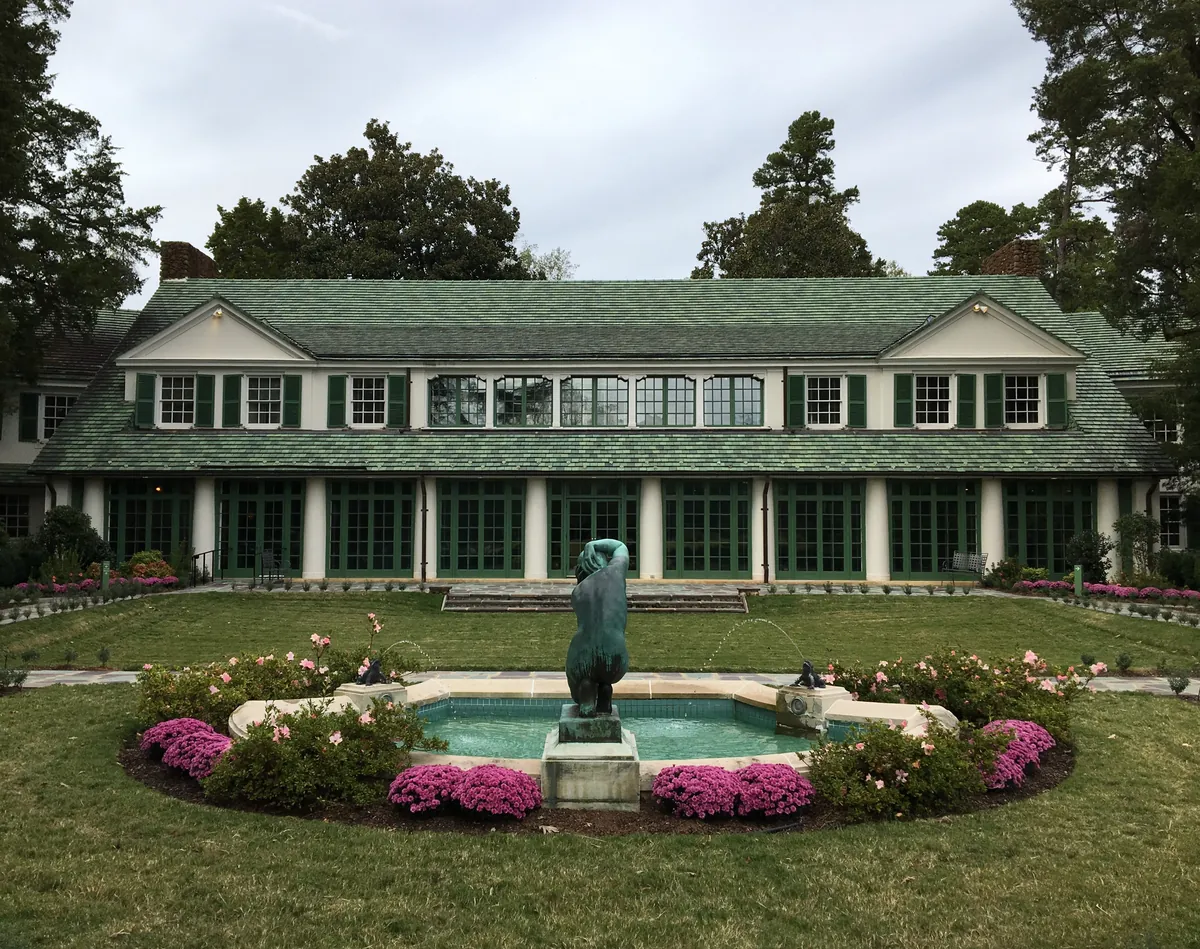
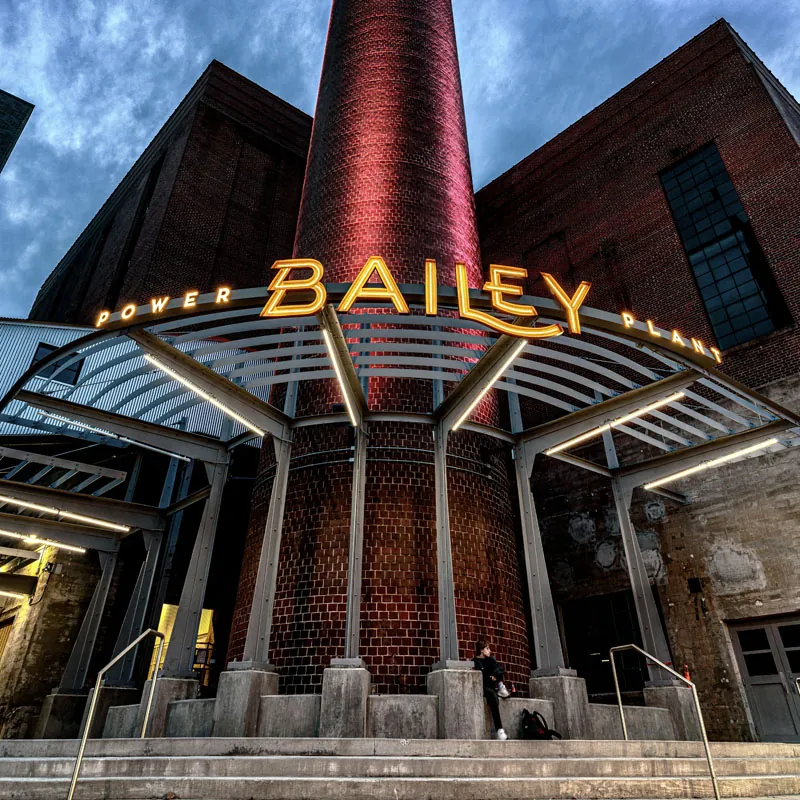
He came to Winston in 1874 with a plan and not much capital, sold his share of the family tobacco business in Virginia, and started manufacturing the next year. In 1913 he made the move that named a city: Camel cigarettes, packaged and sold at a time when most smokers still rolled their own. Winston-Salem became the Camel City, and it traces directly to him. Reynolds died in July 1918; his wife Katharine carried the family philanthropy forward. The work outlasted the man. Reynolds had donated to what became Winston-Salem State University, and decades later, in 1956, the family's giving brought Wake Forest University to town. Walk Fourth and Main and the company's reach is still legible — the 1929 Reynolds Building, the estate at Reynolda, the smokestacks of Bailey Power Plant rewired into a research quarter. The industry walked away. What it built stayed.
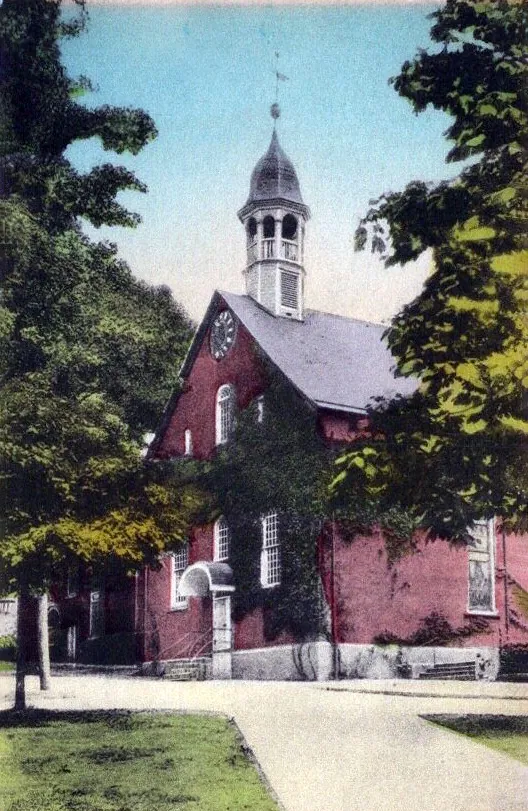
In 1753, Moravian Bishop August Gottlieb Spangenberg chose a site in the Muddy Creek forks of the North Carolina Piedmont and named it Wachovia, after the ancestral lands of their patron, Count Zinzendorf. The first settlers established Bethabara that November. By 1766, Salem — the Hebrew word for peace, the name Zinzendorf chose — was under construction as the congregation's central town, its public buildings arranged around Salem Square, its property owned by the church. For years, only church members could live there. What they built endured in a way that most planned communities do not: a girls' school founded in 1772, a congregation formally organized in 1771, an Easter Sunrise Service that has run without interruption since 1772. When Winston and Salem merged in 1913, the old town receded into the city but did not disappear. The bones held. You can still walk them.
Tickets & Shows
Before you go
Tobacco warehouses, Moravian streets, HBCU halls — Winston-Salem in the decades before it became itself. The city you walk through started here.
A native son came home to Konnoak Hills and Reynolda House to film the city's actual texture — sheet metal, VFW bars, Moravian stars — into a family portrait.
Plan your trip
The only thing left to do is go.
Some of these are partner links — if you book through them, Portage may earn a commission at no extra cost to you.
Plan your visit
Editorial content compiled with AI assistance. Place details verified against public records.