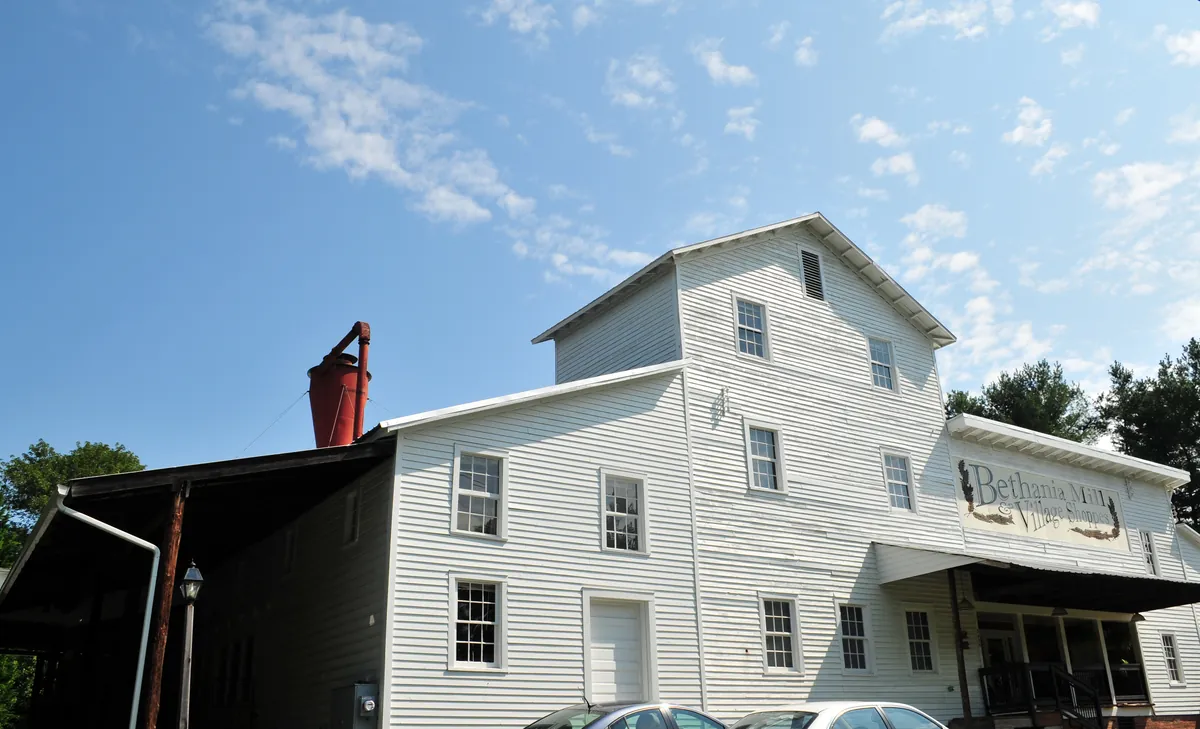
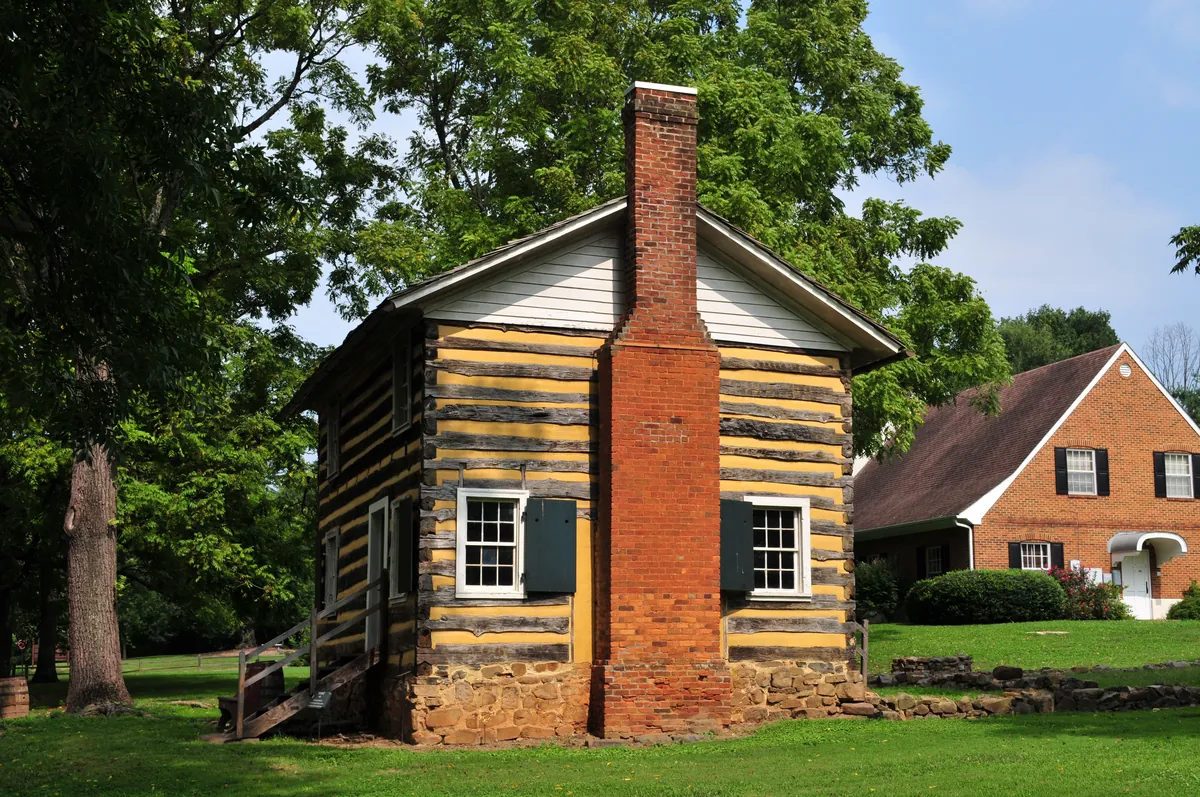
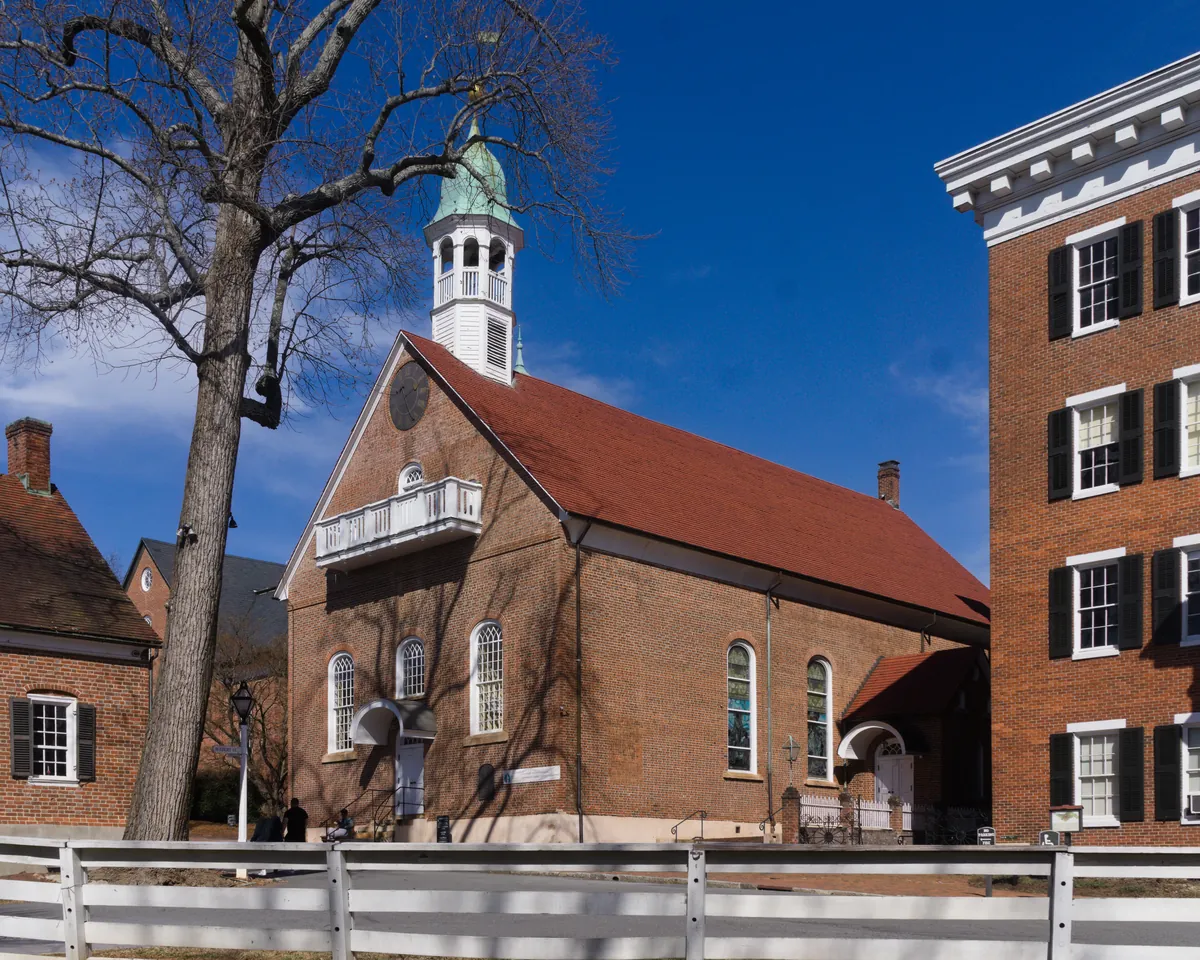
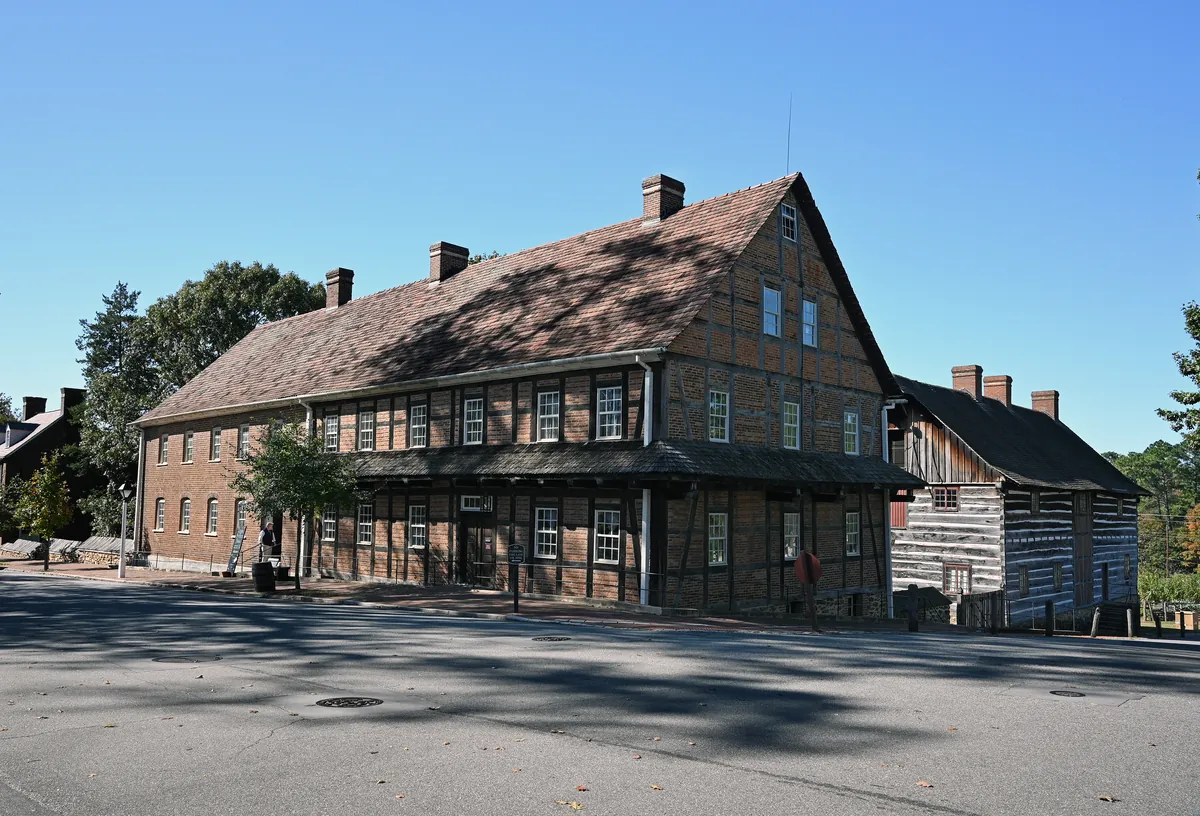
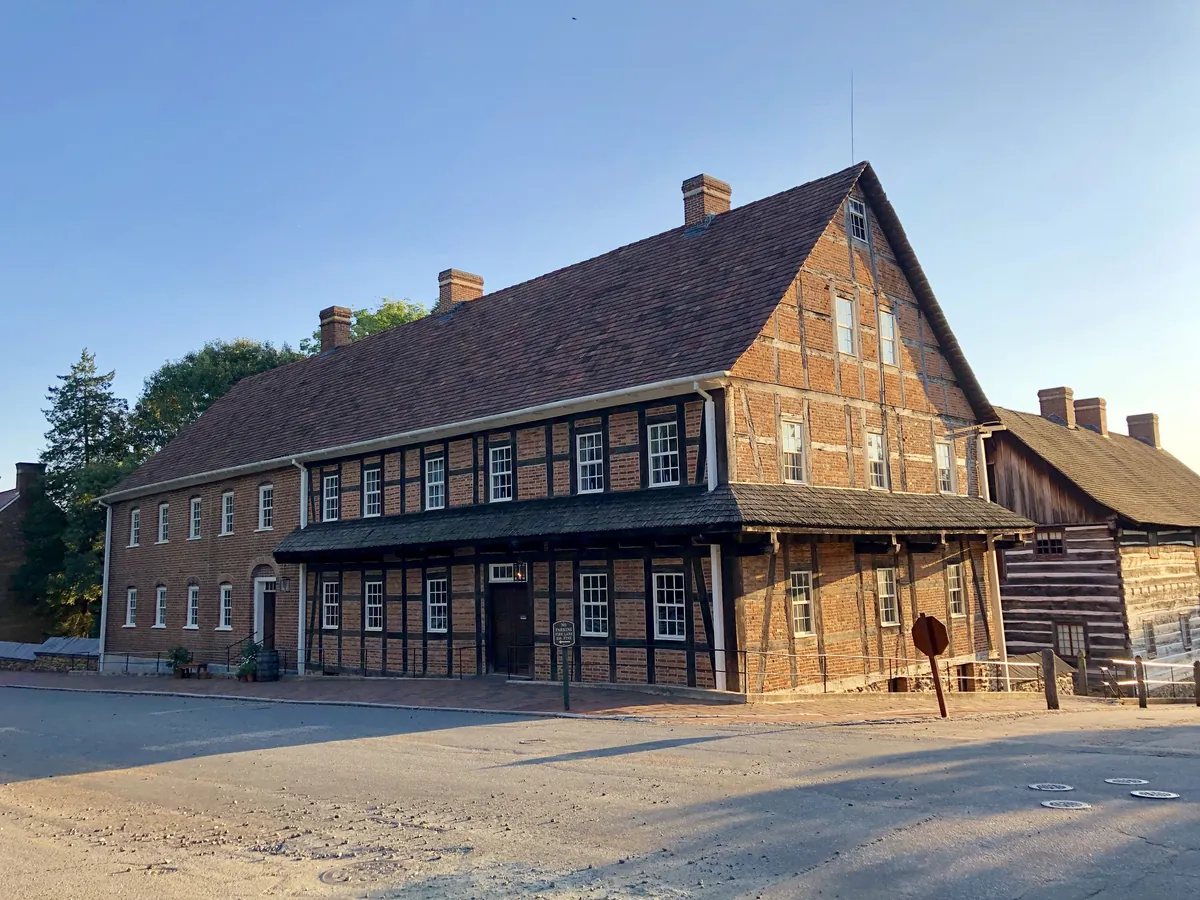
In 1753, Moravian Bishop August Gottlieb Spangenberg chose a site in the Muddy Creek forks of the North Carolina Piedmont and named it Wachovia, after the ancestral lands of their patron, Count Zinzendorf. The first settlers established Bethabara that November. By 1766, Salem — the Hebrew word for peace, the name Zinzendorf chose — was under construction as the congregation's central town, its public buildings arranged around Salem Square, its property owned by the church. For years, only church members could live there. What they built endured in a way that most planned communities do not: a girls' school founded in 1772, a congregation formally organized in 1771, an Easter Sunrise Service that has run without interruption since 1772. When Winston and Salem merged in 1913, the old town receded into the city but did not disappear. The bones held. You can still walk them.