Top picks in Puerto Rico
The places most worth your time here.
Connect your Cour circle to see which places friends and family recommend here.
Connect Cour →Landmarks
62 places worth the detour
tap the eye to open · swipe or use buttons to browse
Puerto Rico rises from the northeastern Caribbean, a main island and smaller landmasses like Vieques and Culebra, positioned at a crossroads between the Greater and Lesser Antilles. Its strategic…
Read the full storyReading
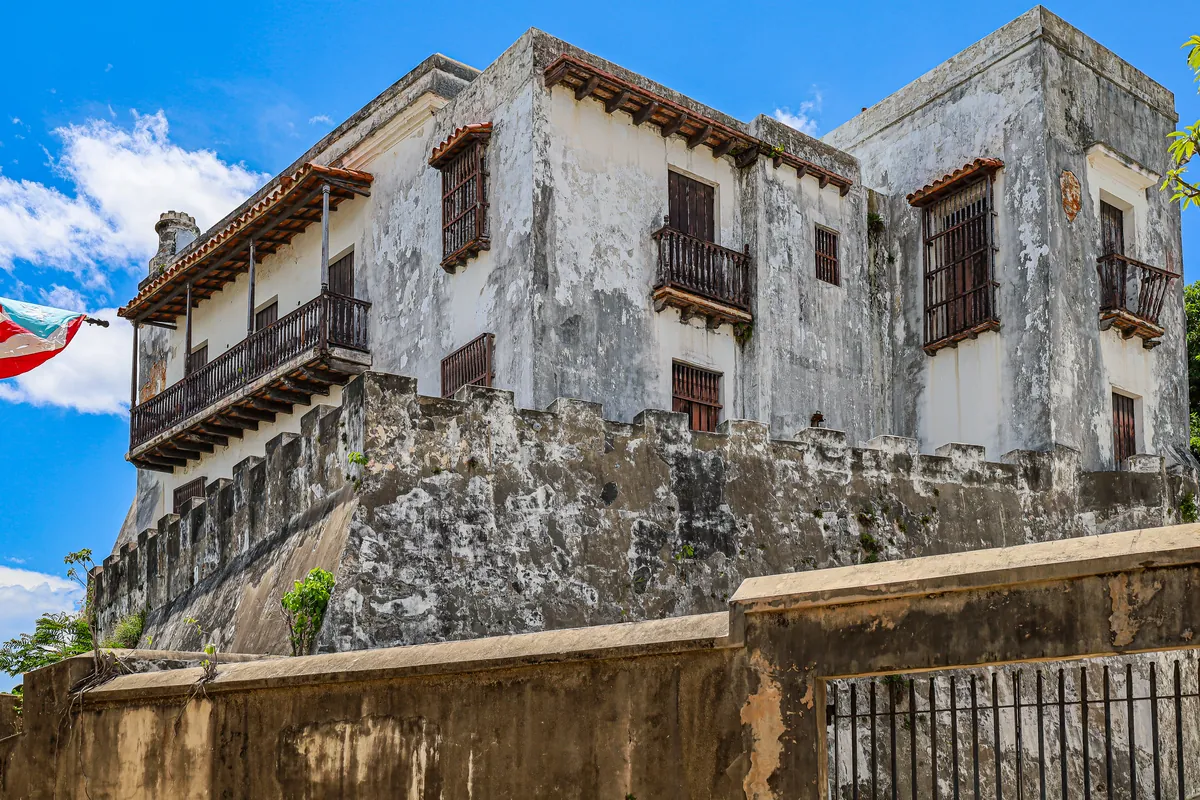
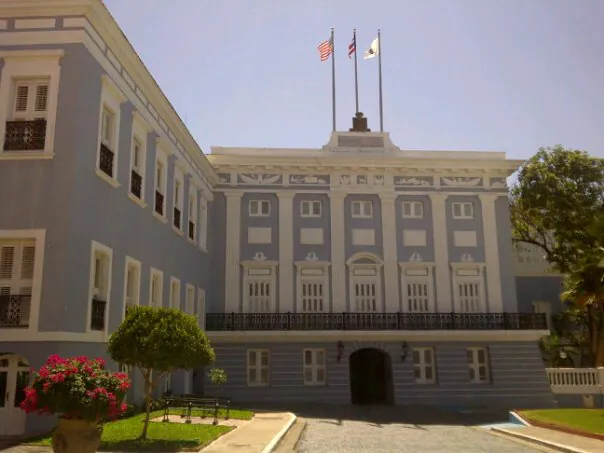
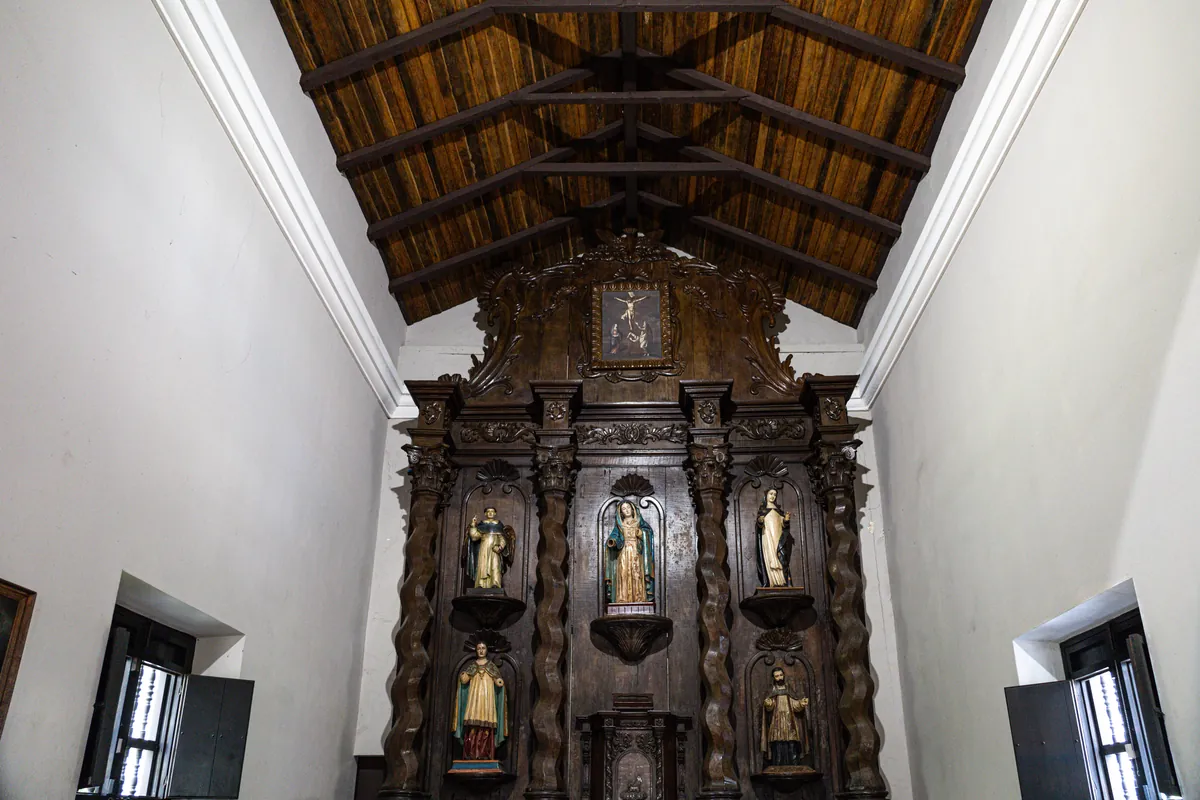
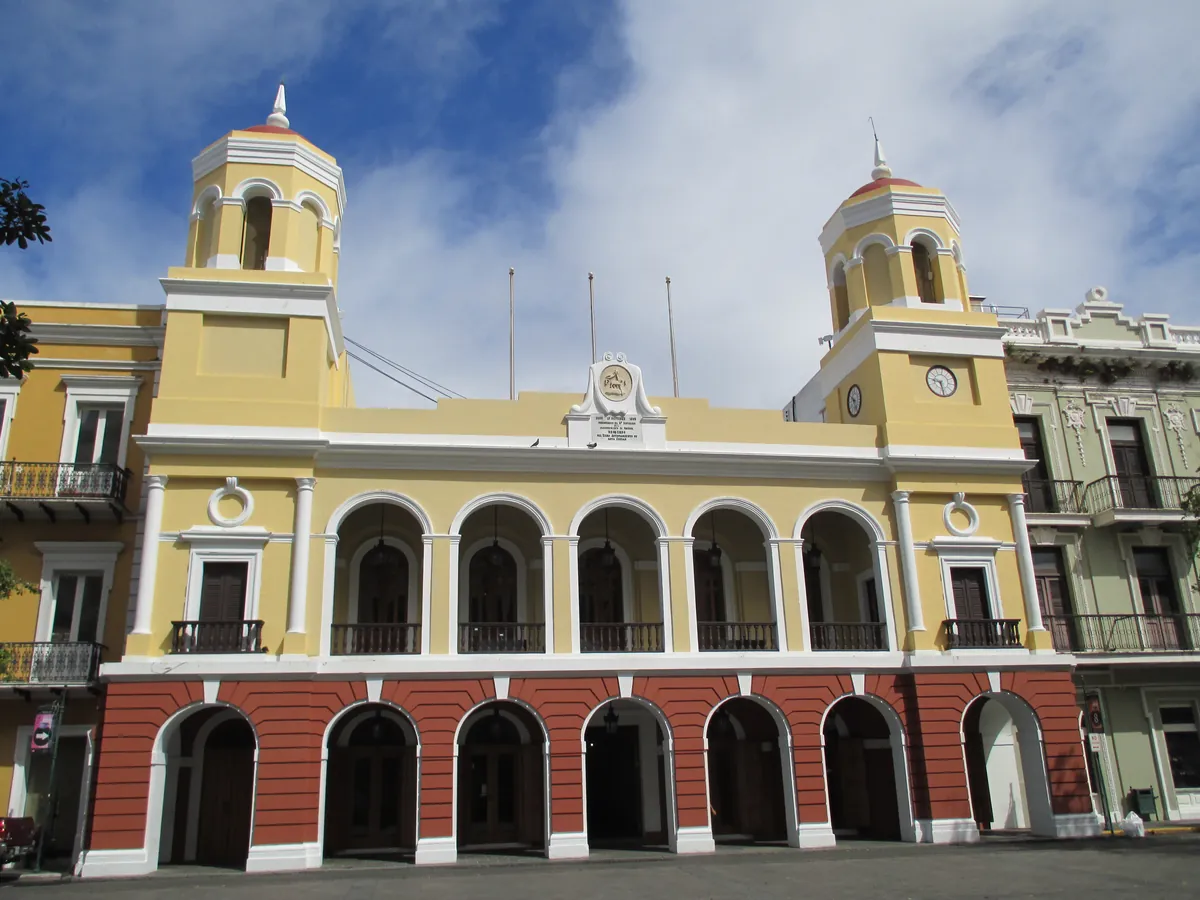
The Spanish built San Juan to hold. The Catedral de San Juan Bautista went up in 1521, was leveled by a hurricane, and came back in 1529 in stone — because wood had already proved its answer. The Plaza de Armas started as a military drill ground in the 16th century and became, by the logic of the city growing outward around it, its central square. The City Hall took from 1604 to 1789 to finish, its final façade modeled on Madrid's Plaza Mayor and completed in 1840 — and it never stopped functioning as a seat of government, never got handed to a preservation society. Inside it, in 1873, Puerto Rico signed the abolition of slavery. These buildings absorbed everything the island lived through — hurricanes, conquest, colonial law, papal visits — and kept working. That is what you are walking through: not a preserved past, but a past that refused to stop.
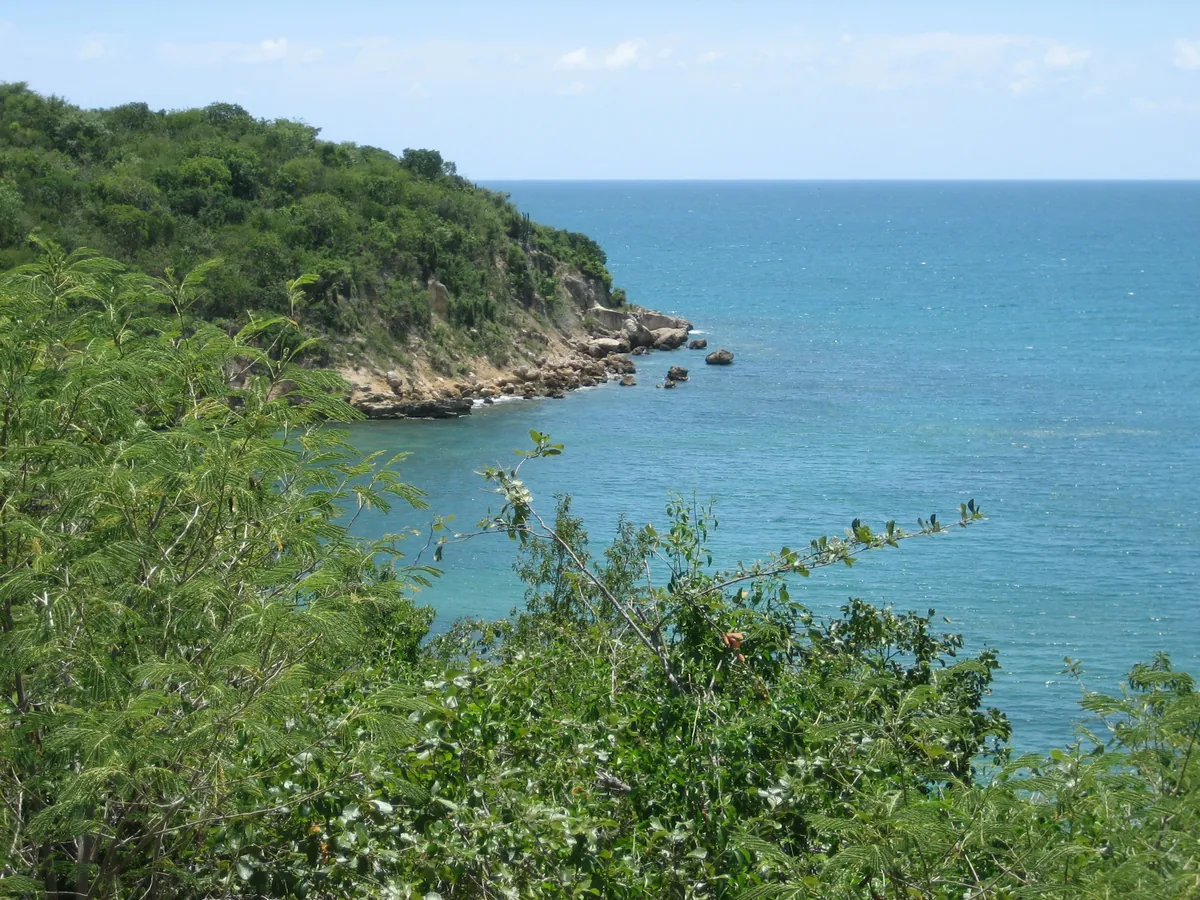
Theodore Roosevelt designated portions of the Culebra Archipelago a federal wildlife reserve in 1909 — the first such designation in the Caribbean. The U.S. Navy used Culebra and Vieques for gunnery and bombing practice for decades after that. When the Navy left Culebra in 1975, it left two rusting M4 Sherman tank hulks on Flamenco Beach — too heavy to bother moving. Locals and visitors have covered them in graffiti ever since. On Vieques, when Congress transferred those lands in 2001 and 2003, the result was approximately 17,771 acres of refuge — the largest in the Caribbean — protecting mangrove wetlands, subtropical dry forest, and eight federally listed animal species. Some areas remain closed due to unexploded ordnance. What the military built for practice, Puerto Rico now tends as sanctuary.
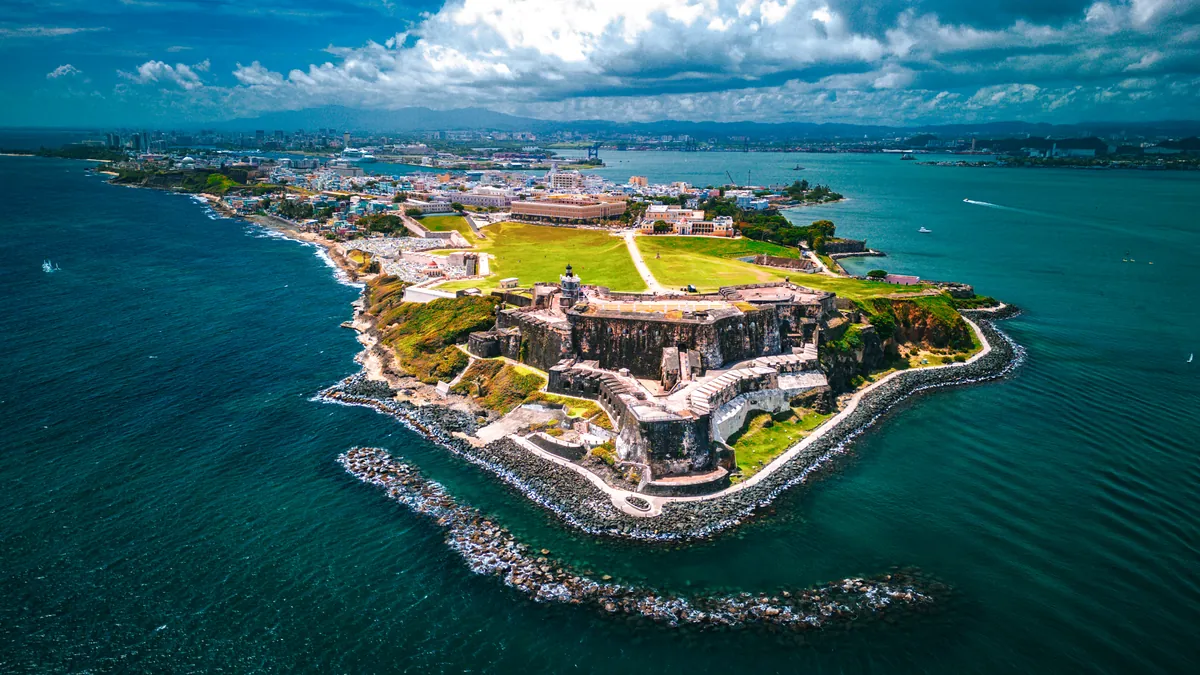
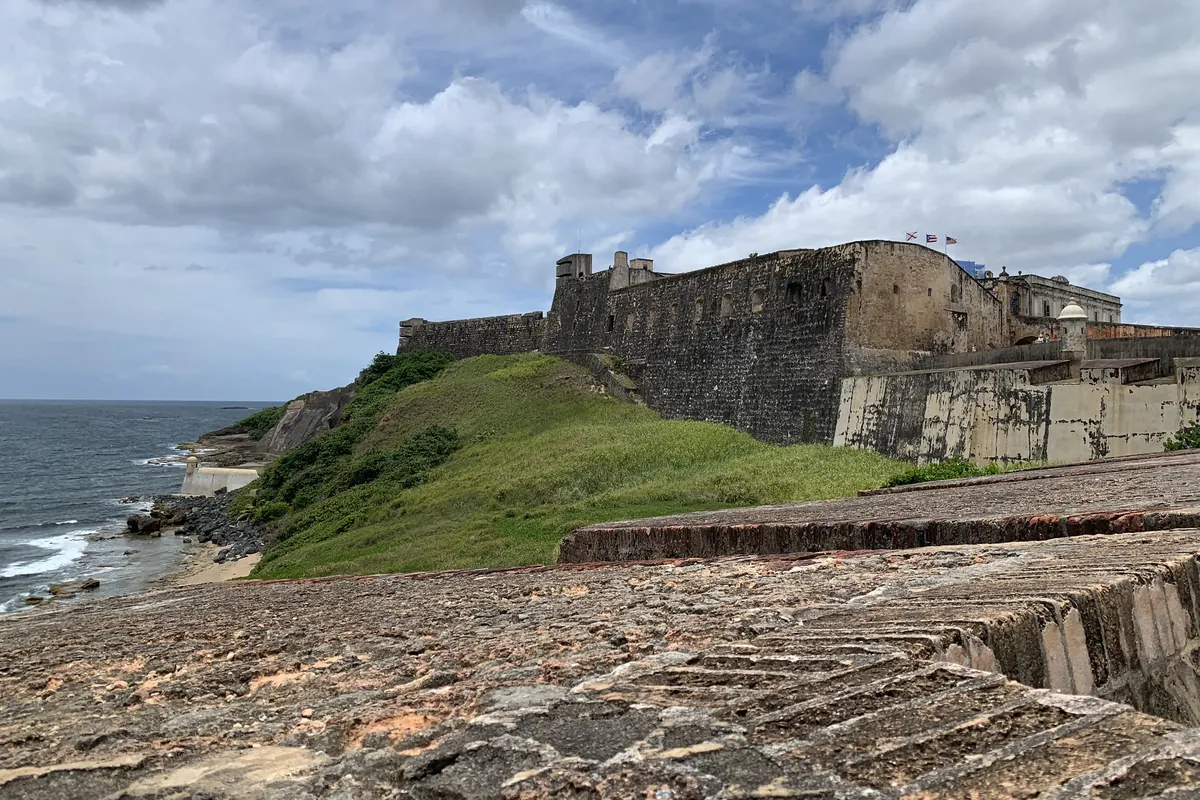
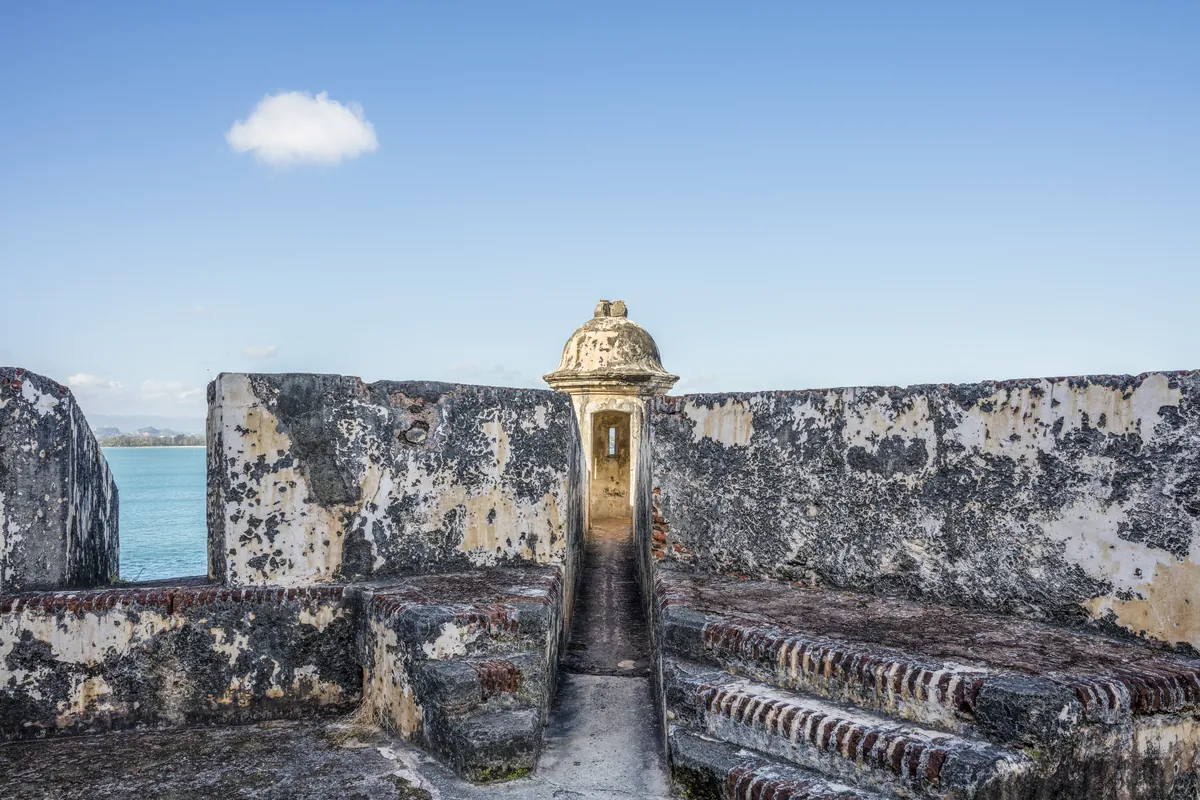
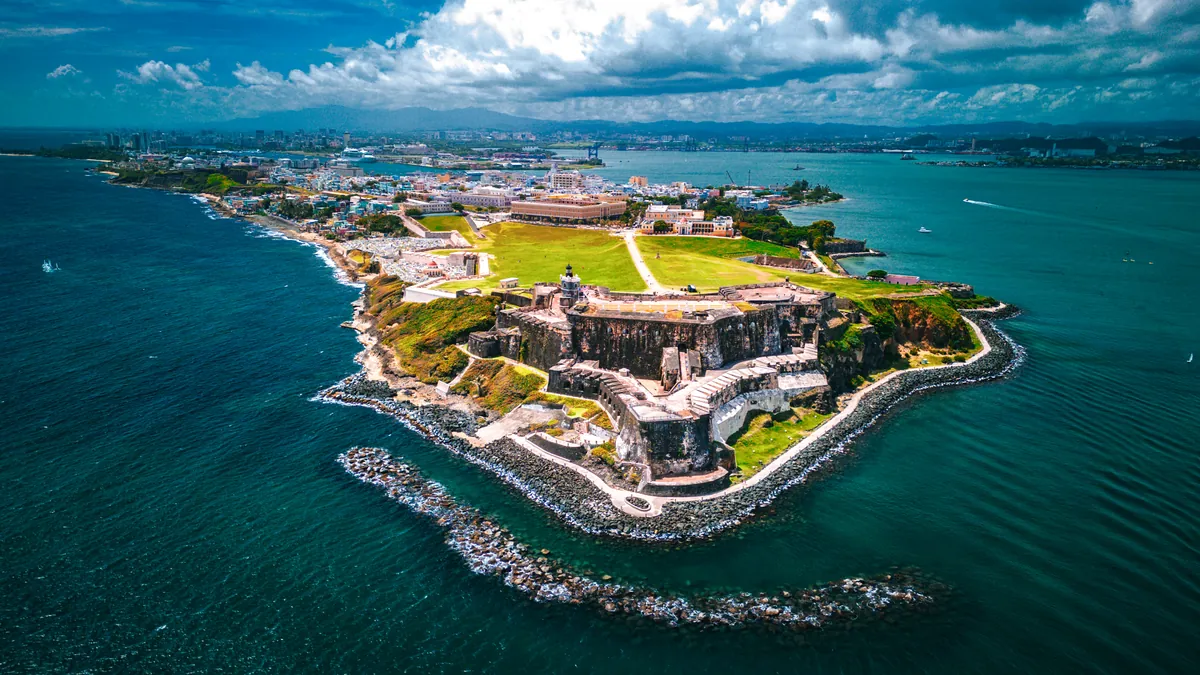
Spain commissioned El Morro in 1539 because Puerto Rico was the stepping-stone — the passage from Europe to Cuba, Mexico, and the American continents. Everything that followed proves the calculation right. Sir Francis Drake attacked by sea and lost. A subsequent English force came overland, found the one crack in El Morro's armor, took the city — then dysentery drove them out before they could hold it. The Dutch couldn't force a surrender and burned San Juan on their way out. Meanwhile, up the hill on what the Spanish renamed from Gallows Hill, Castillo San Cristóbal took 150 years to complete and covered 27 acres — the largest fortification ever built in the New World. In 1797, its defenses repelled a British invasion force of seven thousand. In 1898, its guns fired the first shot of Puerto Rico's entry into the Spanish-American War. The walls between 18 and 25 feet thick still stand at 140 feet above the Atlantic. The stakes that built them are still legible in the stone.
Before Columbus arrived in 1493, the Taíno were already here — and what they left behind is still being uncovered. A 1975 hurricane outside Ponce stripped enough soil from the riverbank to expose Tibes, the oldest ceremonial and sports complex yet found in Puerto Rico, and what archaeologists have determined is the oldest astronomical observatory in the Antilles. Its nine ball courts and plazas were built first by the Igneri, who occupied the area around 25 AD; the Taíno followed. The 186 human burials found there make it the largest indigenous cemetery in the region. Northwest of Ponce, at Caguana, petroglyphs carved into stone monoliths — some hauled from the adjacent Tanamá River — line ten ceremonial ball courts built around 1270 AD. The Taíno people's numbers collapsed in the later 16th century from disease, exploitation, and warfare. What they built before that endures.
Plan your trip
The only thing left to do is go.
Editorial content compiled with AI assistance. Place details verified against public records.