Bogalusa was built in under a year by outside capital, stripped bare in three decades, and left to survive on its own terms. What survived was extraordinary: a civil rights resistance that refused to be nonviolent, a Pulitzer Prize poet who wrote its reckoning, and a river that has been cooling people down in the pines for as long as there have been people here.
The route
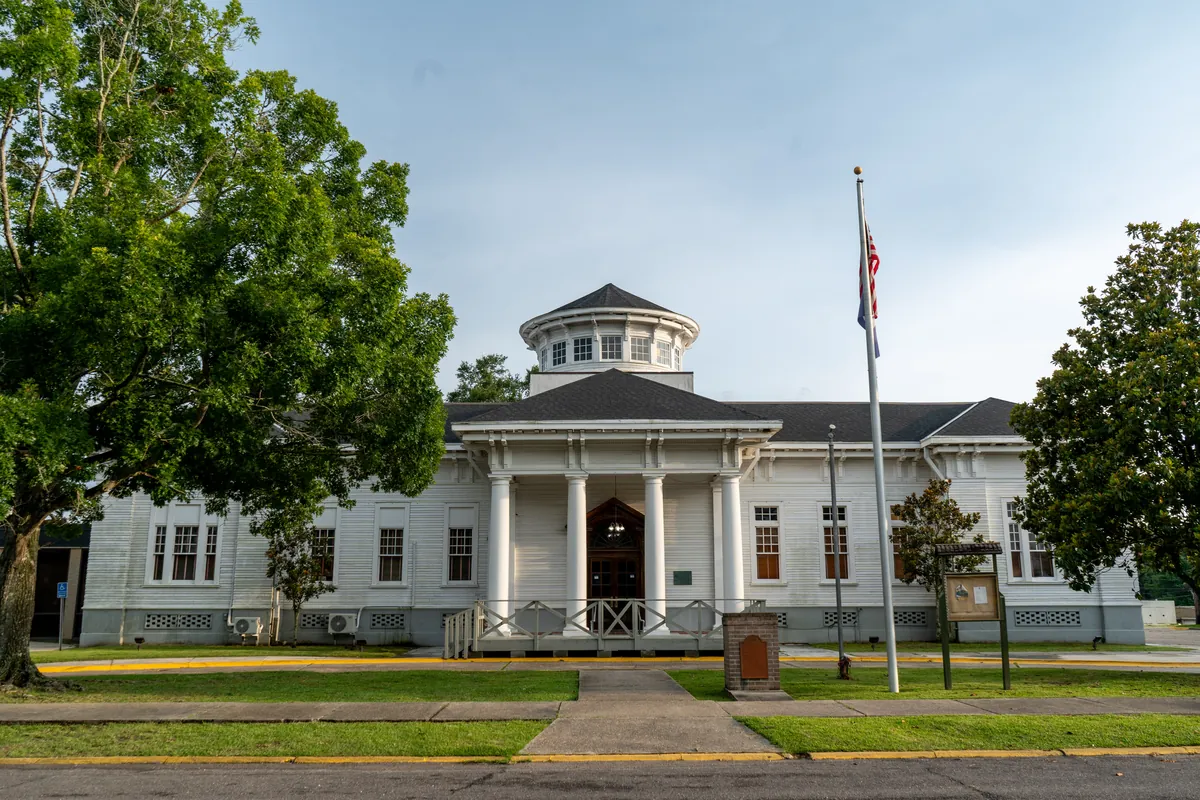 1Historic Site·1906Bogalusa — The Magic City
The Goodyear brothers of Pennsylvania bought piney woods in Washington Parish and built a sawmill company town in 1906. At its peak, the Great Southern Lumber Company here was the largest sawmill in the world. The city that grew around it earned the nickname "The Magic City" for how quickly it rose out of the piney woods. This is Louisiana's North Shore — the land that wraps the northern edge of Lake Pontchartrain, the massive estuary that defines southeastern Louisiana. The lake itself is no lake at all but a brackish passage to the Gulf, fed by the Tangipahoa, Tchefuncte, Tickfaw, Amite, and Bogue Falaya rivers, draining a watershed that spans sixteen Louisiana parishes and four Mississippi counties. Bogalusa sits inland in Washington Parish, where the timber was. In the 1960s, the city became a pivotal civil rights battleground. Bogalusa was home to the Deacons for Defense and Justice — an armed self-defense organization that protected civil rights workers and Black communities when local law enforcement would not. What began as a company town built for profit became a place where people fought over what the city could mean. The Bogalusa City Museum on Avenue F holds the lumber-era and civil rights exhibits — the two stories that made this place.
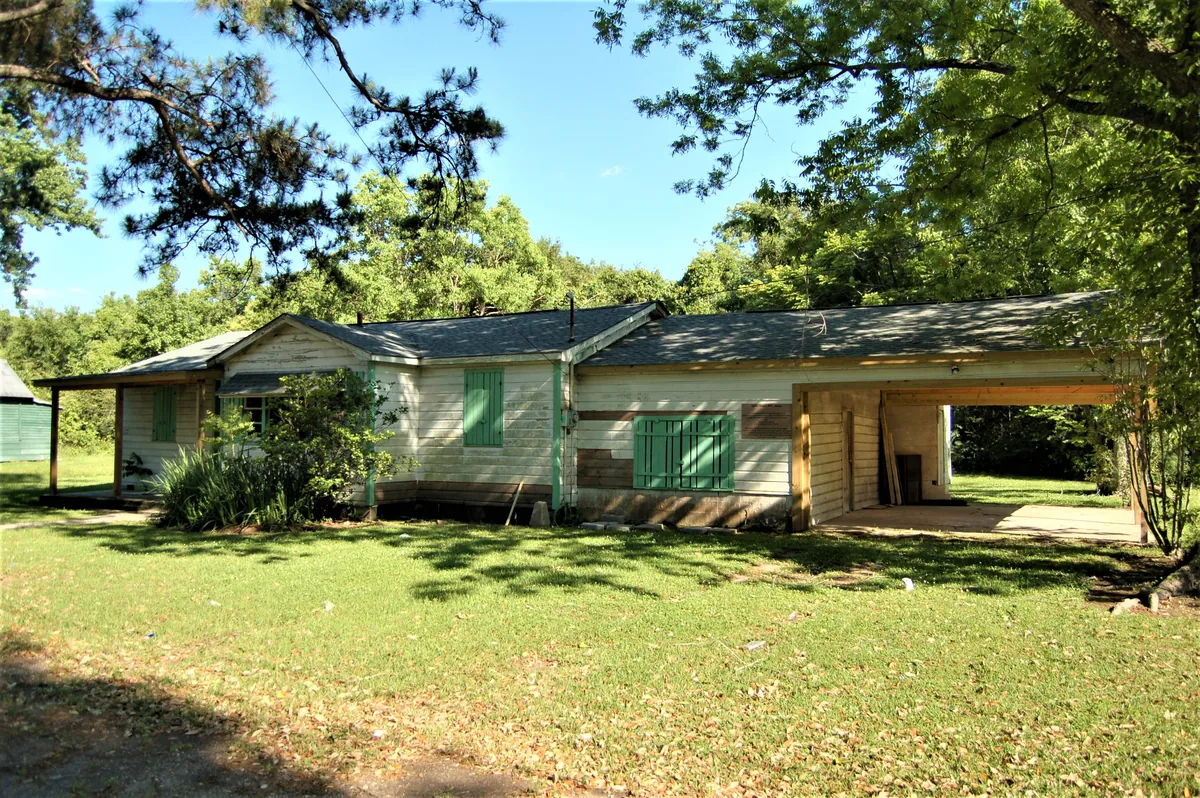 2Civil Rights·1965Bogalusa Civil Rights Sites — Oneal Moore & the Deacons
On June 2, 1965, Oneal Moore — the first Black deputy sheriff hired in Washington Parish — was shot and killed by night riders. In response, Bogalusa's Black community organized the Deacons for Defense and Justice, an armed self-defense organization that refused to accept nonviolence as the only option. The confrontations at the Crown-Zellerbach paper mill and in Bogalusa's streets were among the most intense in the South. Clarence Triggs was killed the following year. The civil rights struggle here was never gentle, and this city's resistance informed the national movement.
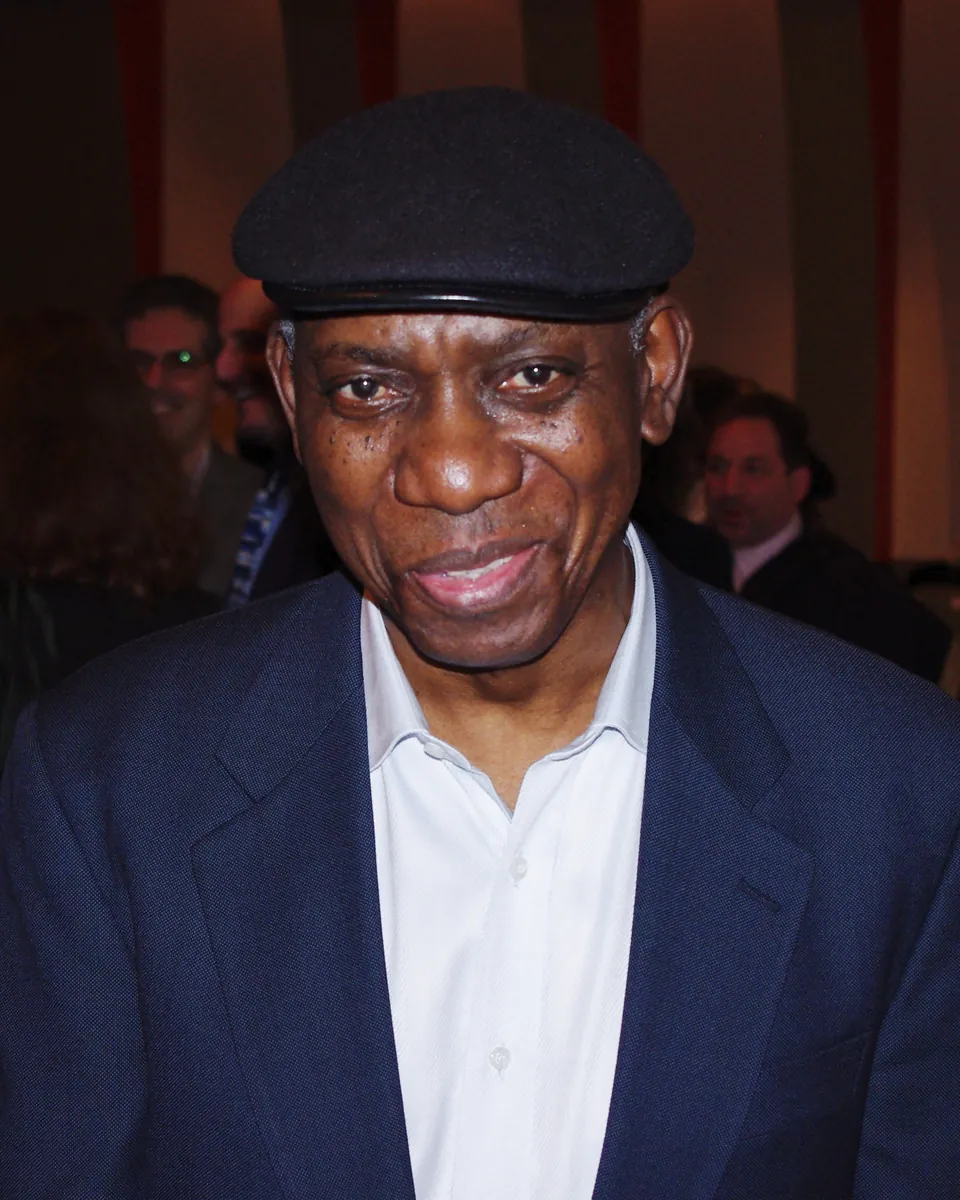 3Literary·1947Yusef Komunyakaa Birthplace
Born James Willie Brown Jr. in Bogalusa in 1947, Yusef Komunyakaa won the 1994 Pulitzer Prize for Poetry. His collection Magic City is a lyric memoir of growing up Black in Bogalusa during the civil rights era — the sawmill ghosts, the racial terror, the music coming through walls, the specific light of a Louisiana boyhood under threat. He is one of the most significant American poets of his generation, and the city that made him is this one: the company town built on logged-out forest, where the civil rights movement turned violent outside his front door.
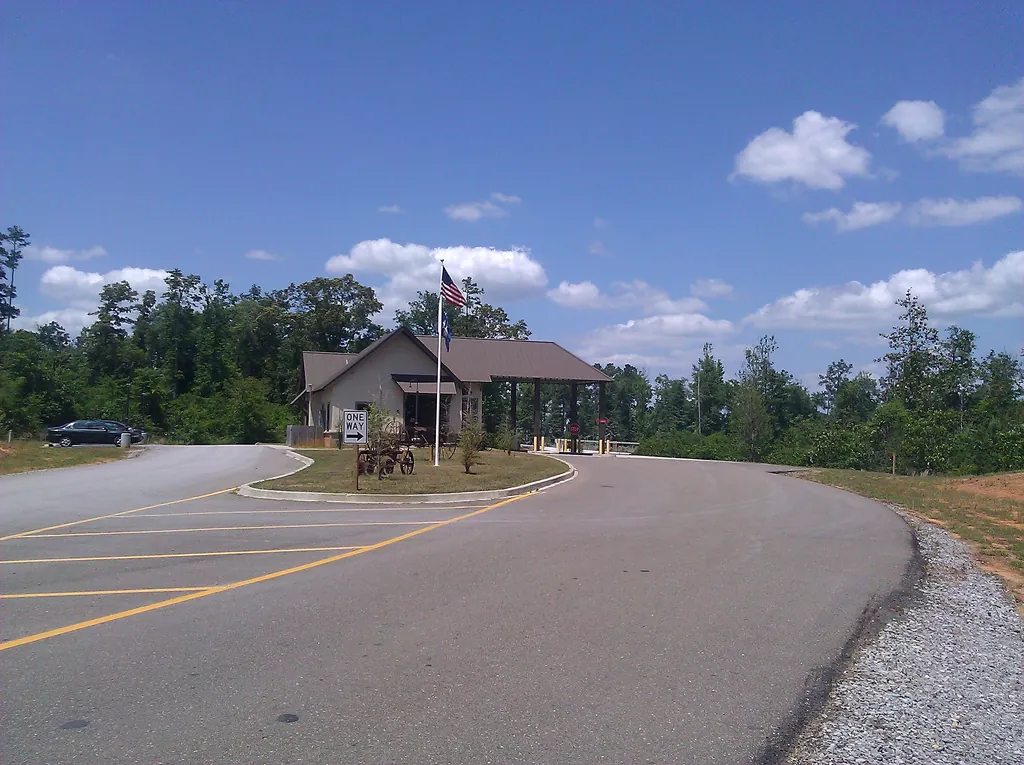 4Nature & Parks·NaturalBogue Chitto State Park
The Bogue Chitto River moves slowly through 2,593 acres of cypress-tupelo swamp in Washington Parish — one of the most ecologically intact river-swamp systems still standing in southeast Louisiana. The current is gentle enough that a beginner paddler can make distance without fear, though the bottomland forest closes in tight around the water. Fricke's Cave is a sandstone formation in a region built almost entirely of alluvial soil. The geology has no reason to be there, and yet it is — a pocket of stone in the middle of swamp country. Twenty-five miles of trails cut through the bottomland forest for mountain bikes and horses. The terrain isn't flat, which surprises people who think Louisiana is all delta. Primitive camping and RV sites sit on-site; the day-use fee is modest. Water levels shift with rain upriver, so check lastateparks.com before you drive out. The river itself is the reason to go. It's slow, shaded, and genuinely wild in a part of the state where most waterways have been dredged, channelized, or otherwise made legible to shipping. This one still moves the way it did before anyone named it.
- 5Architecture·1911·NRHPWashington Parish Fairgrounds — Mile Branch Settlement
The Washington Parish Free Fair opened in 1911 and has drawn tens of thousands annually ever since — one of Louisiana's oldest continuous fairs and believed to be the largest free county or parish fair in the United States. The fairgrounds came to Franklinton in 1913. What keeps people coming isn't novelty; it's the reliability of October's livestock exhibits, homemaking displays, rodeo, carnival midway, and parade — the full agricultural fair built to last. In 1976, the fairgrounds became a refuge. Dogtrot houses, log cabins, barns, a shop, and a school — all slated for demolition across Washington Parish — were disassembled and moved here. The Mile Branch Settlement assembled them into a pioneer village showing what early homesteads looked like in this corner of Louisiana. Two buildings earned National Register listing: the Knight Cabin and the Sylvest House. The rest form a record of 19th-century rural construction, the kind that disappears when land changes hands. October brings the full fair. December opens the cabins for Pioneer Christmas, quieter, the structures lit and dressed for the season. Both events pull from the same anchors — what was built, what was saved, what still draws a crowd more than a century in.