Top picks in Charlottesville
The places most worth your time here.
Connect your Cour circle to see which places friends and family recommend here.
Connect Cour →Landmarks
74 places worth the detour
tap the eye to open · swipe or use buttons to browse
Charlottesville sits in the Virginia Piedmont, in the rolling country between the Blue Ridge Mountains to the west and the Southwest Mountains closer in — a position that made it, from the beginning,…
Read the full storyOn the map
Reading
The Robert E. Lee equestrian statue had stood in what Charlottesville called Lee Park for decades — until the city renamed it Emancipation Park in 2017, then Market Street Park in 2018, while the legal fight over the statue itself ground on. On July 10, 2021, the statue came down. The Jefferson School African American Heritage Center took the bronze and, through a project called Swords Into Plowshares, melted it into new work in 2023. A few blocks away, a street sign marks where Heather Heyer was killed on August 12, 2017 — Fourth Street between Market and Water, renamed Heather Heyer Way that December. The community has kept its own memorial there: flowers, chalk, gatherings every August 12. What the city is left with are the parks themselves, the renamed streets, the empty pedestals — ground that had to be fought over before anyone could decide what it was actually for.
Charlottesville was always a place things moved through before it was a place people stayed. The Three Notch'd Road — the old colonial artery running 71 miles from Richmond to the Shenandoah Valley — put it on the map before there was a map to put it on. Jefferson and Monroe traveled that route during their Virginia governorships, back and forth to Richmond, and the town that grew along it inherited their weight. The railroad followed the same logic, threading west through the mountains, tying the Valley to the coast along corridors the road had already proven. What that position produced was a town that had to reckon with everything in motion: armies, commerce, people bought and sold. The infrastructure was always the point, and the infrastructure was always inseparable from the labor that built it. A city shaped by roads becomes a city everything passes through — ideas, conflicts, the long argument over what it actually stands for.
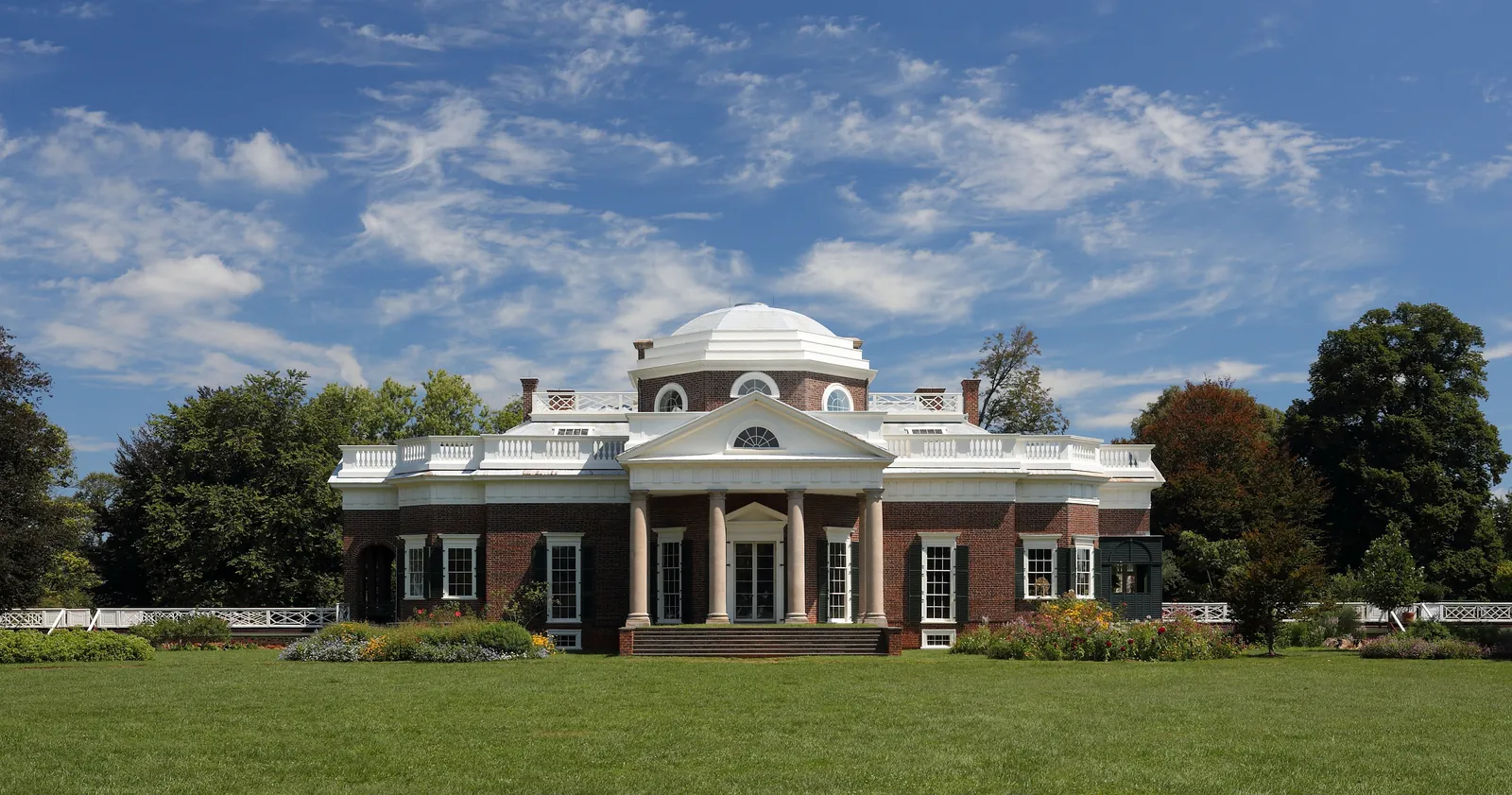
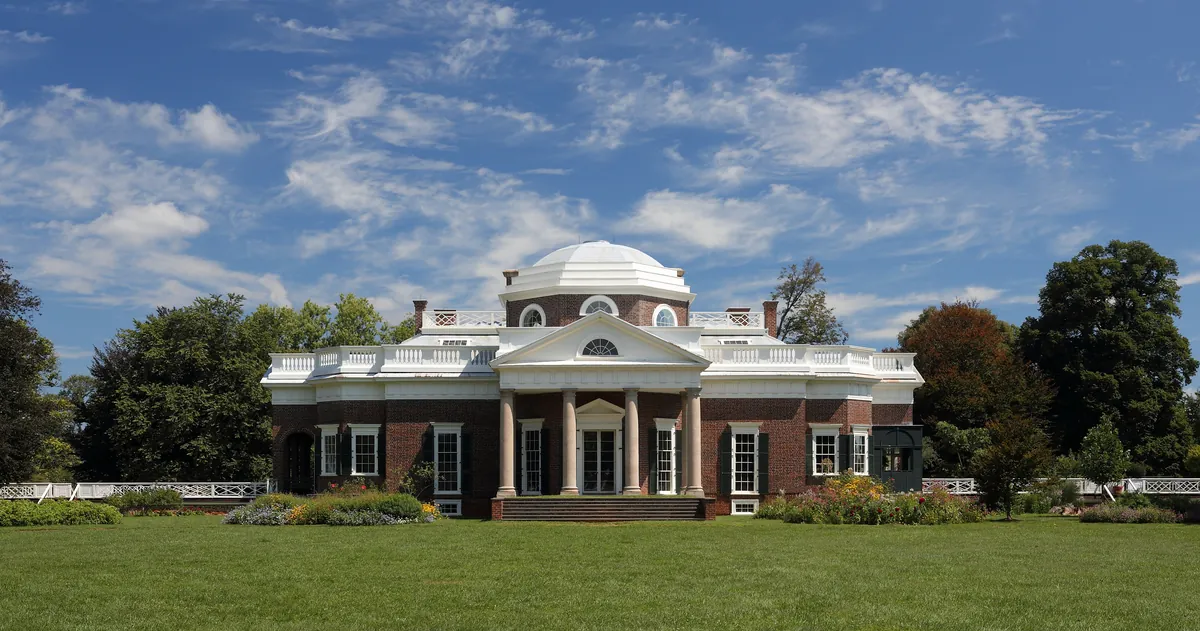
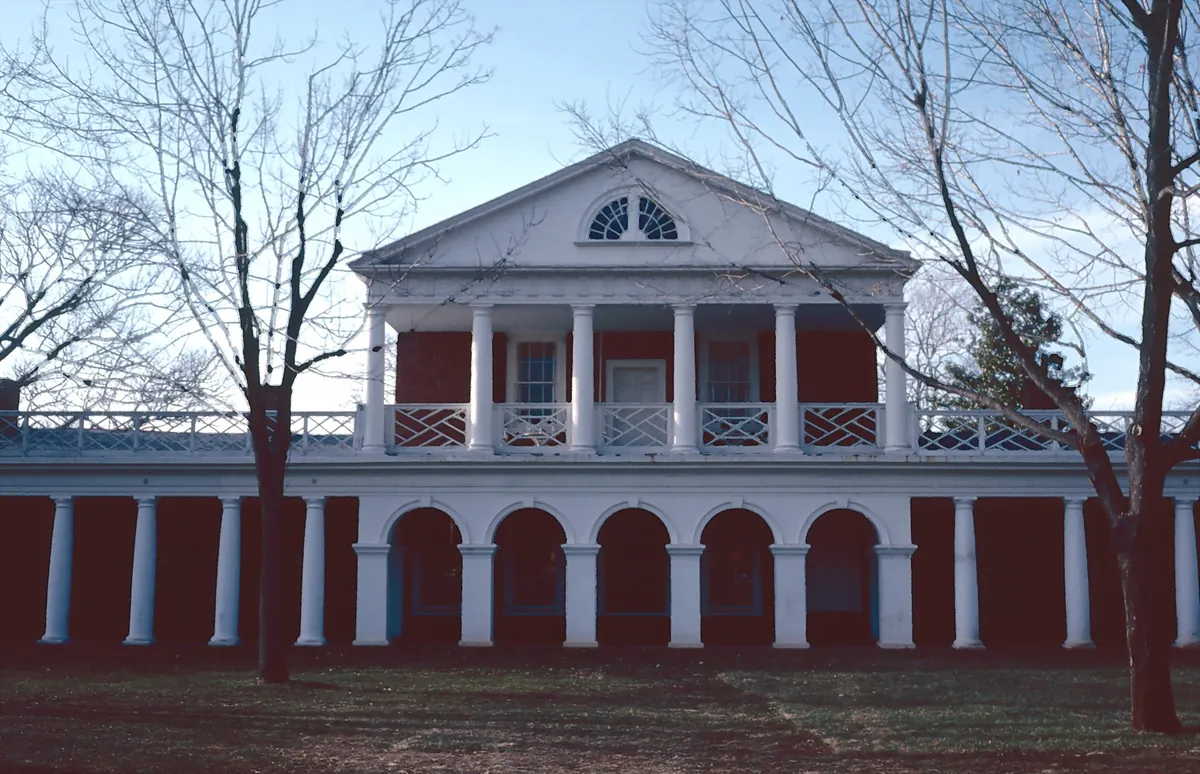
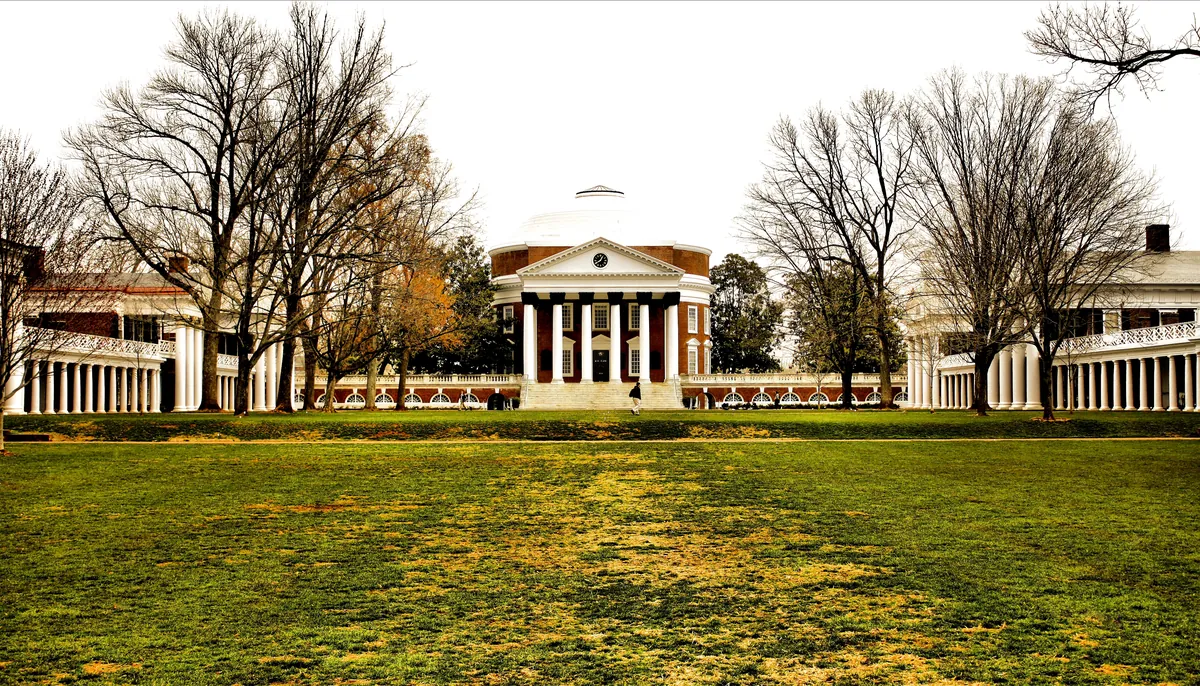
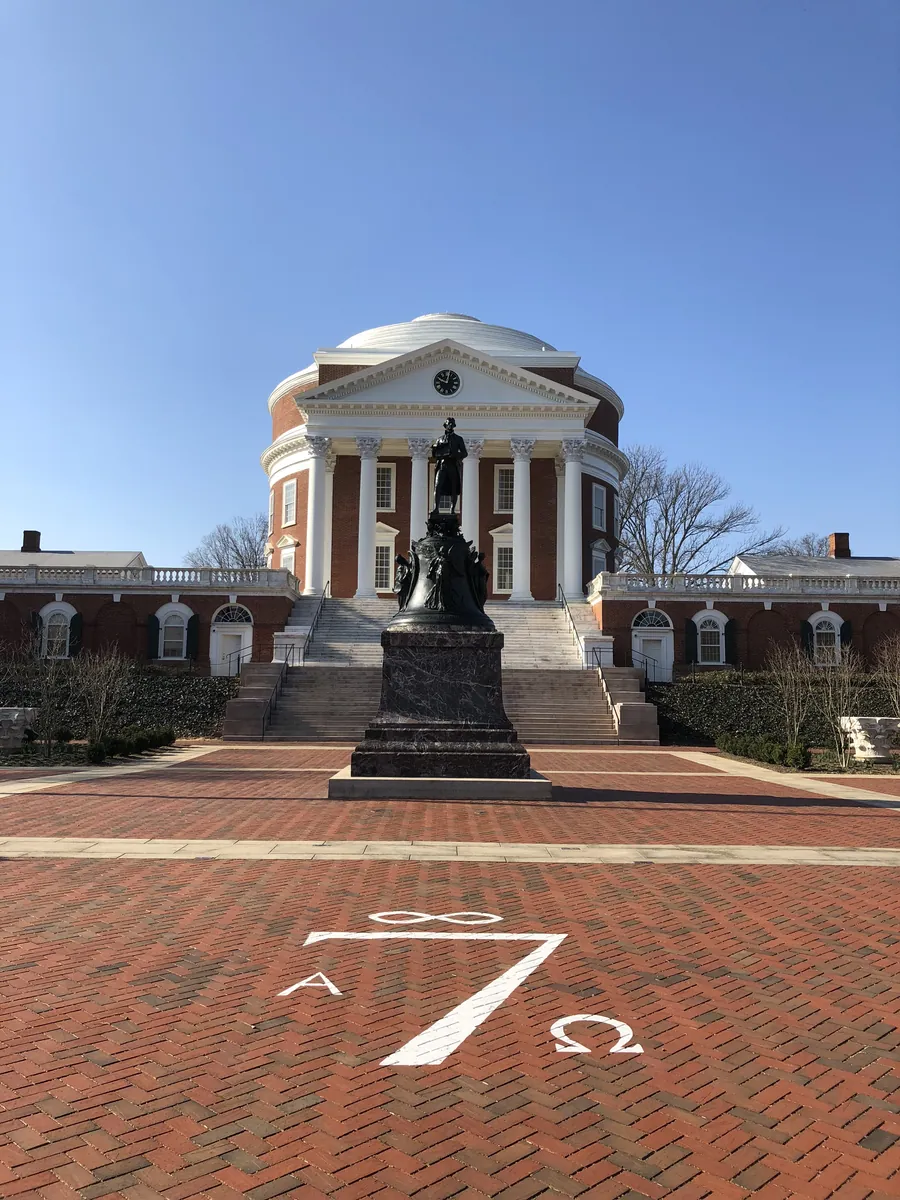
James Monroe laid the cornerstone for Pavilion VII on October 6, 1817 — the first of ten pavilions along Jefferson's Lawn, the start of the Academical Village that became the University of Virginia. Jefferson wanted a library at the center, not a church. He modeled the Rotunda on the Pantheon in Rome, half its diameter, and put students and faculty side by side along a terraced green that opens at one end to the Blue Ridge Mountains. Enslaved laborers built it. Jefferson died in 1826, before the Rotunda was finished, and three years later, in January 1829, thirty-three enslaved people from Monticello were auctioned at the Eagle Hotel to settle his debts. The Lawn still holds students in their final-year rooms, the fireplaces and outside bathrooms Jefferson drew, unchanged. UNESCO named the Lawn and Monticello a World Heritage Site in 1987. The mountains he left open are still there.
Tickets & Shows
Before you go
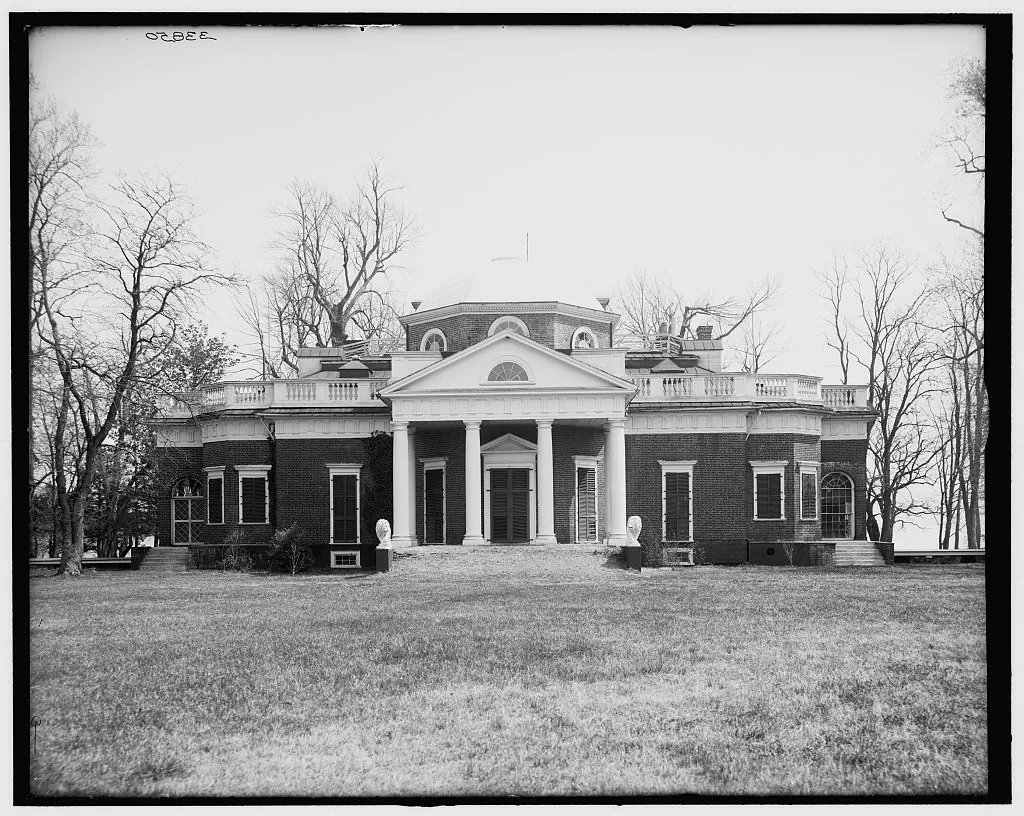
Jefferson built his intellectual empire here on the backs of enslaved people. Read the full reckoning before you walk Monticello's manicured grounds.
Grad students, philosophers, and slackers holding down one corner lot — Charlottesville's class tensions, unfiltered and on asphalt.
Plan your trip
The only thing left to do is go.
Some of these are partner links — if you book through them, Portage may earn a commission at no extra cost to you.
Plan your visit
Editorial content compiled with AI assistance. Place details verified against public records.