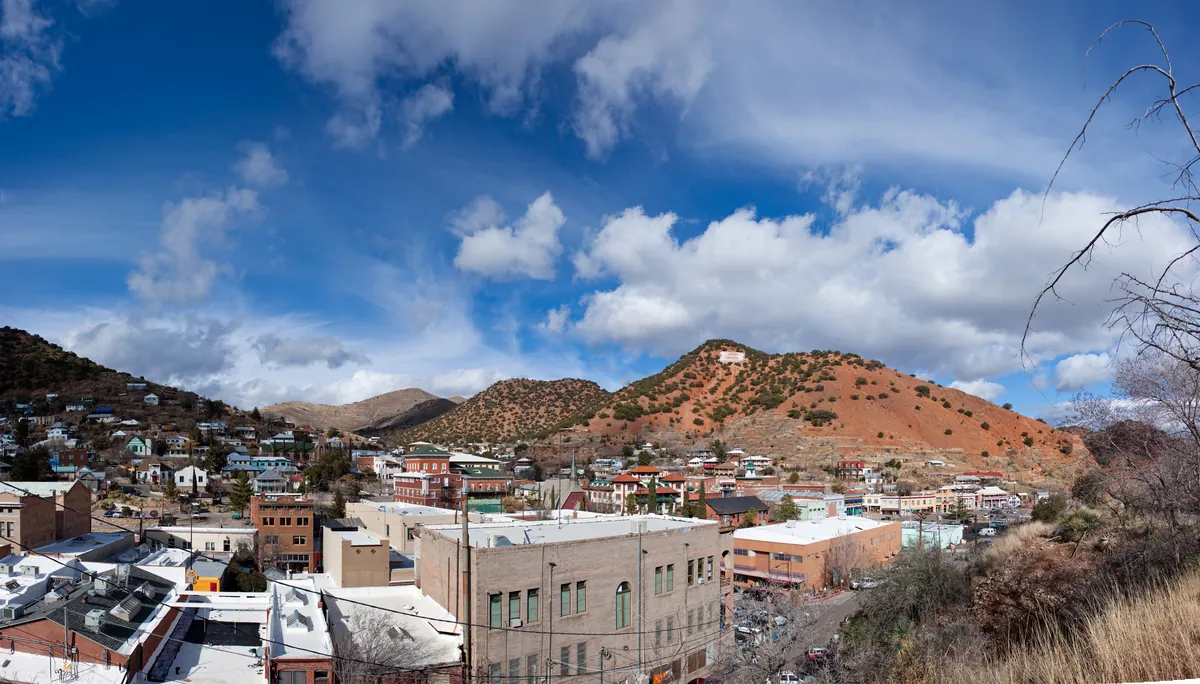
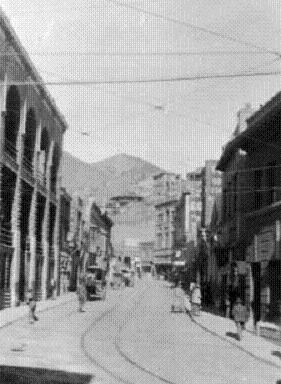
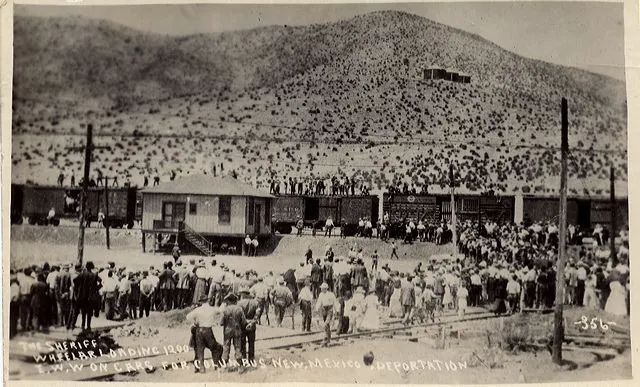
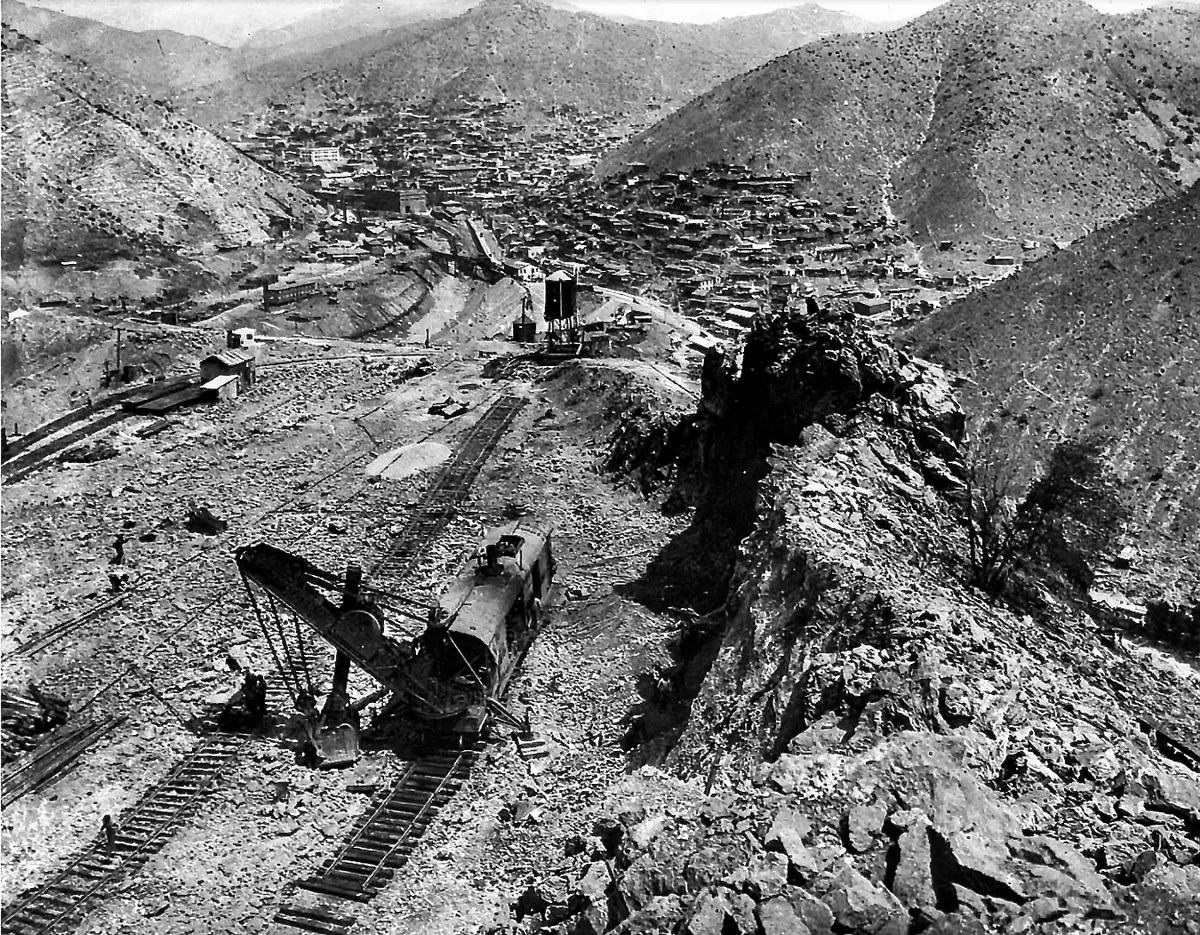
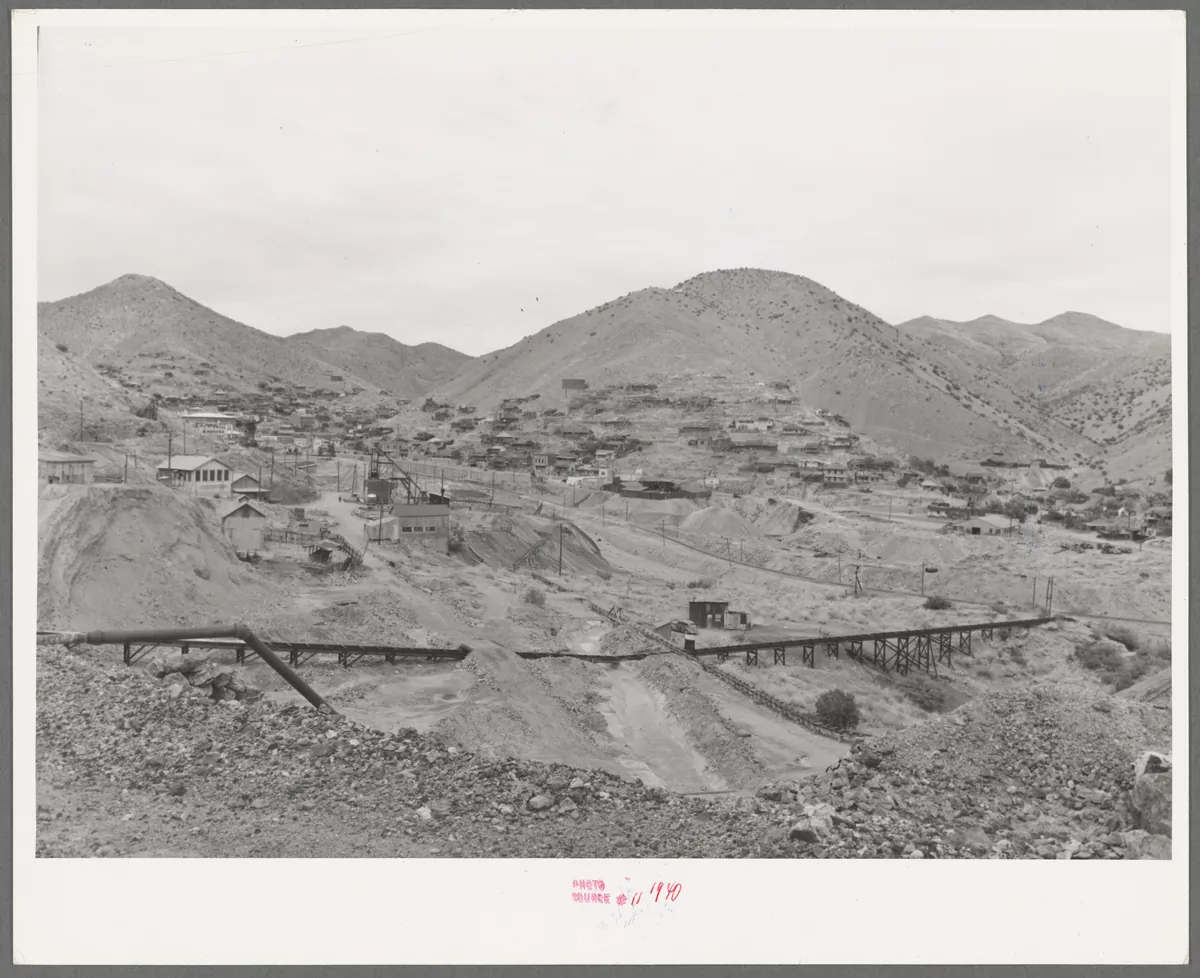
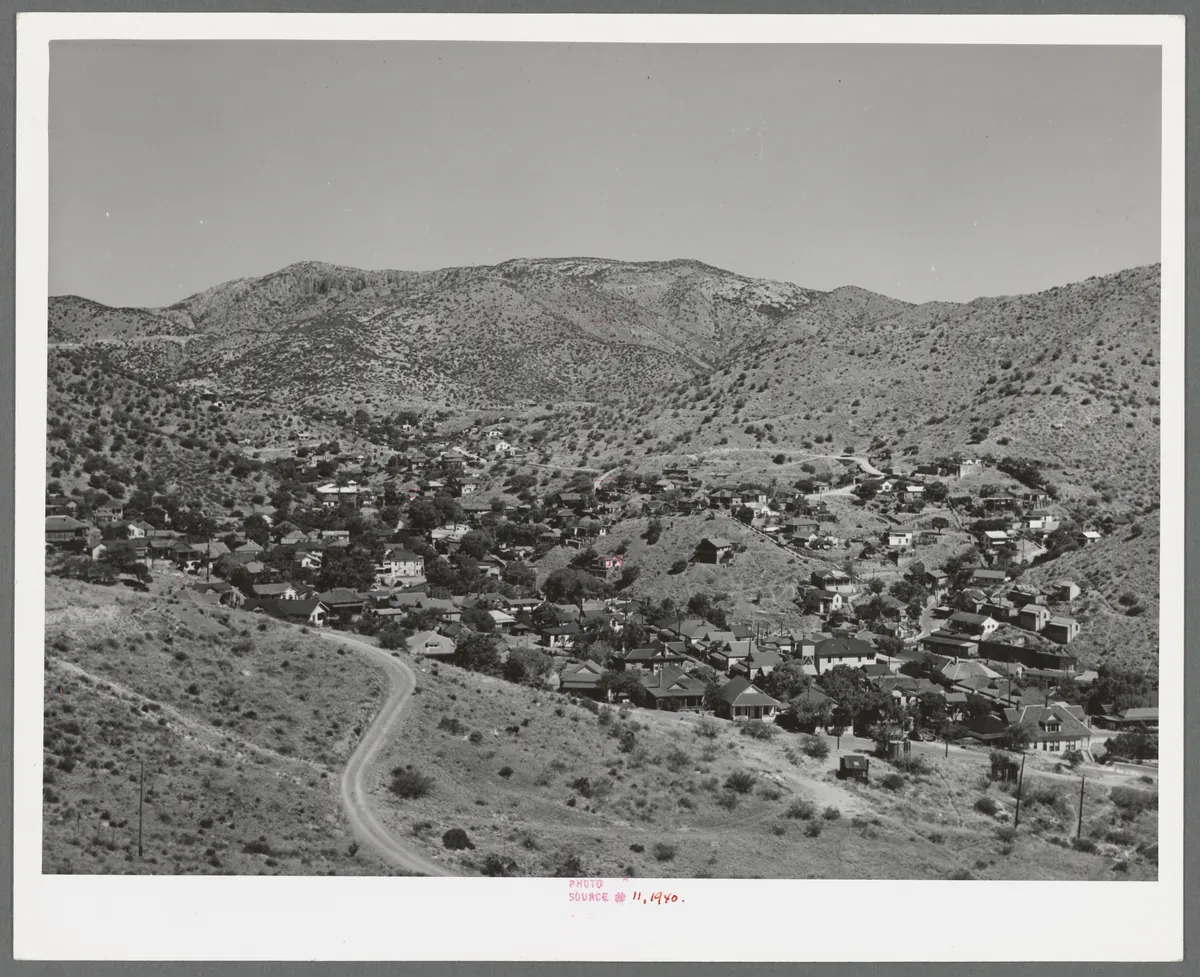
Bisbee came to life in 1880 when prospectors found copper, gold, and silver in the Mule Mountains. The camp took the name of Judge DeWitt Bisbee, who backed the Copper Queen Mine. What happened next defines the place still: in 1917, after a labor dispute turned bitter, Phelps Dodge and Sheriff Harry Wheeler rounded up more than a thousand striking IWW miners at gunpoint, loaded them into cattle cars, and shipped them to Hermanas, New Mexico. The town kept mining. In the 1950s the Lavender Pit open-pit operation consumed much of the original townsite — the houses, the streets, the ground itself went into the pit. When Tombstone lost its county seat in 1929, Bisbee took it and holds it still.
The Queen Mine shut down but reopened as a tour on February 1, 1976. You ride a mine car into the mountain and see where the ore came from. Above ground, the streets climb steep into the canyon. Artists moved in after the miners left. No chain hotels — the lodging is local, the galleries are working studios, and the breakfast joints serve skillets named for the mines. Bisbee's not a ghost town. It's a county seat that swallowed its own heart and kept going.
- ·Coords from Wikipedia (town center). NOT a ghost town — still a living town/county seat, so categorized as Historic Site. KEY FACTS: (1) founded 1880 as a copper/gold/silver camp, named for Judge DeWitt Bisbee, a Copper Queen Mine backer; (2) became Cochise County seat in 1929 (moved from Tombstone), still holds it; (3) site of the 1917 Bisbee Deportation — Phelps Dodge and Sheriff Harry Wheeler kidnapped 1,000+ striking IWW miners at gunpoint and shipped them by cattle car to Hermanas, NM; (4) the Lavender Pit open-pit mine consumed much of the original townsite in the 1950s; (5) Queen Mine Tour opened to visitors Feb 1, 1976. Bisbee ~95mi SE of Tucson.
More archive
Memories
Editorial content compiled with AI assistance. Place details verified against public records.