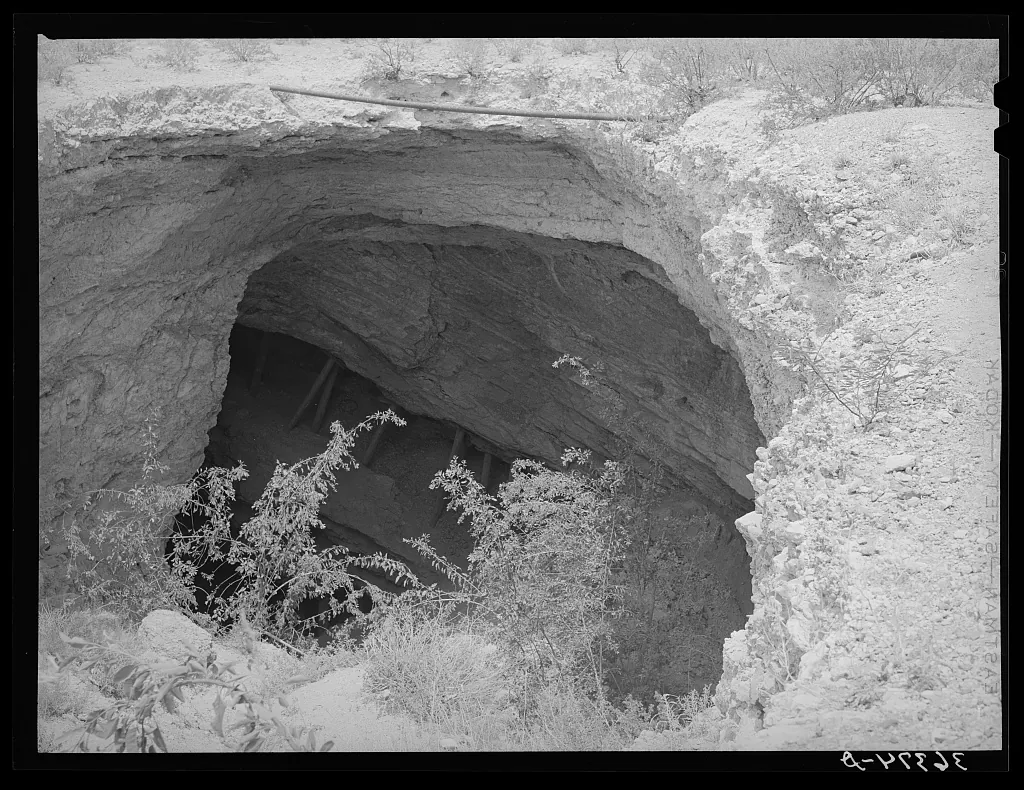
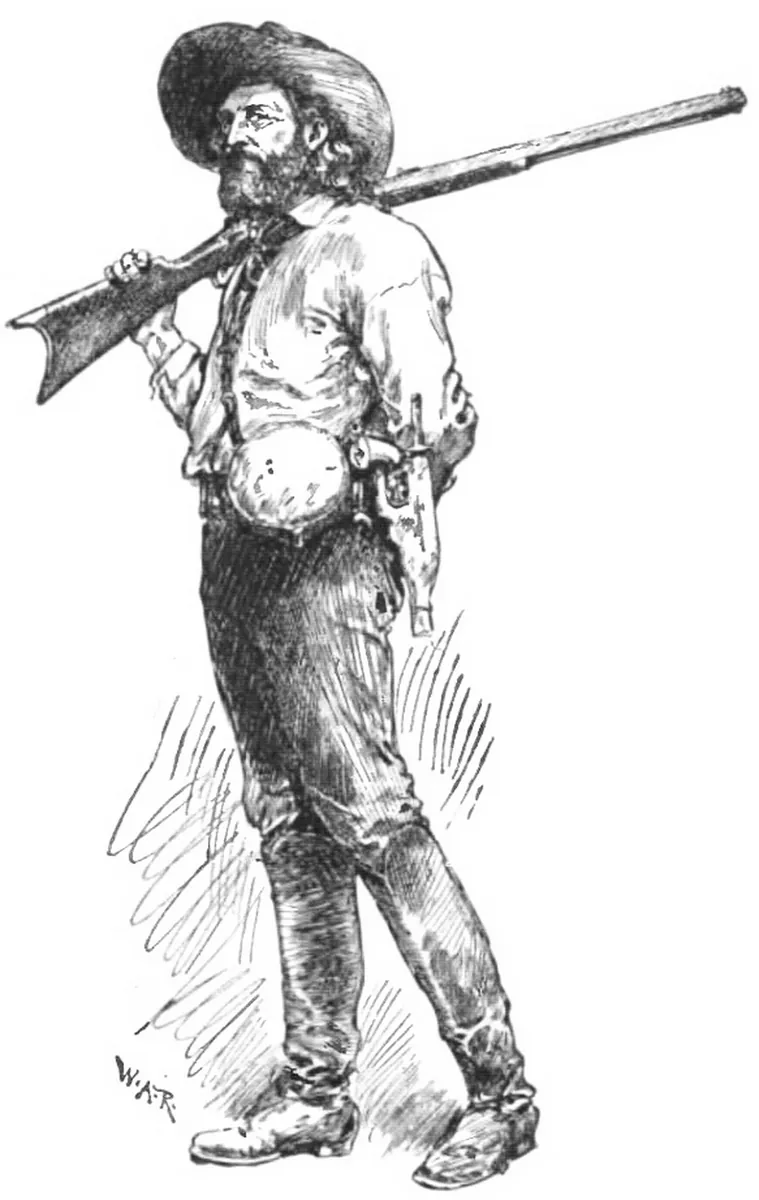
Ed Schieffelin prospected east of the San Pedro River in 1877. He'd been warned — the only thing he'd find out there was his tombstone. He filed claims anyway: the Tombstone and the Graveyard. By March 1879, a settlement had taken the name. By 1881, three thousand people lived there. By 1883, seven thousand.
The district produced roughly 32 million troy ounces of silver — about $25 million in bullion by mid-1884. Schieffelin had partnered with his brother Al and a man named Richard Gird; together they opened the claims that fed the boom. The population would hit fourteen thousand before the decade closed.
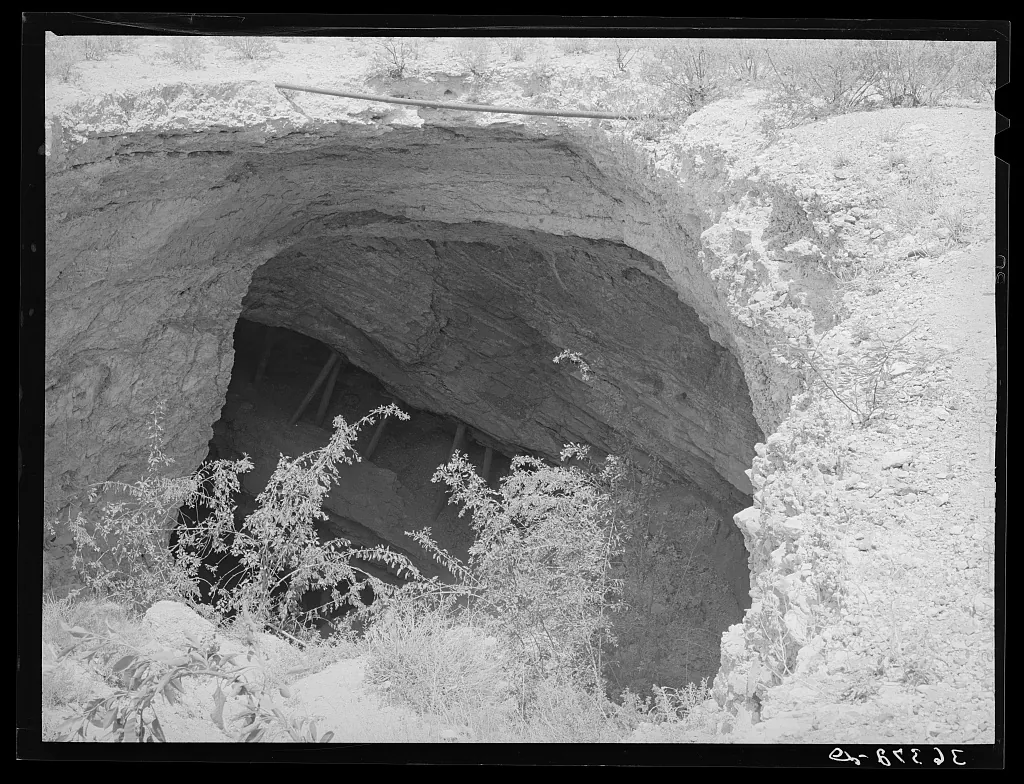
In 1886, fire destroyed the Grand Central hoist and pumping plant while the mines were already flooding from the water table. The richest ore had been mined out. The last operations closed in the late 1880s.
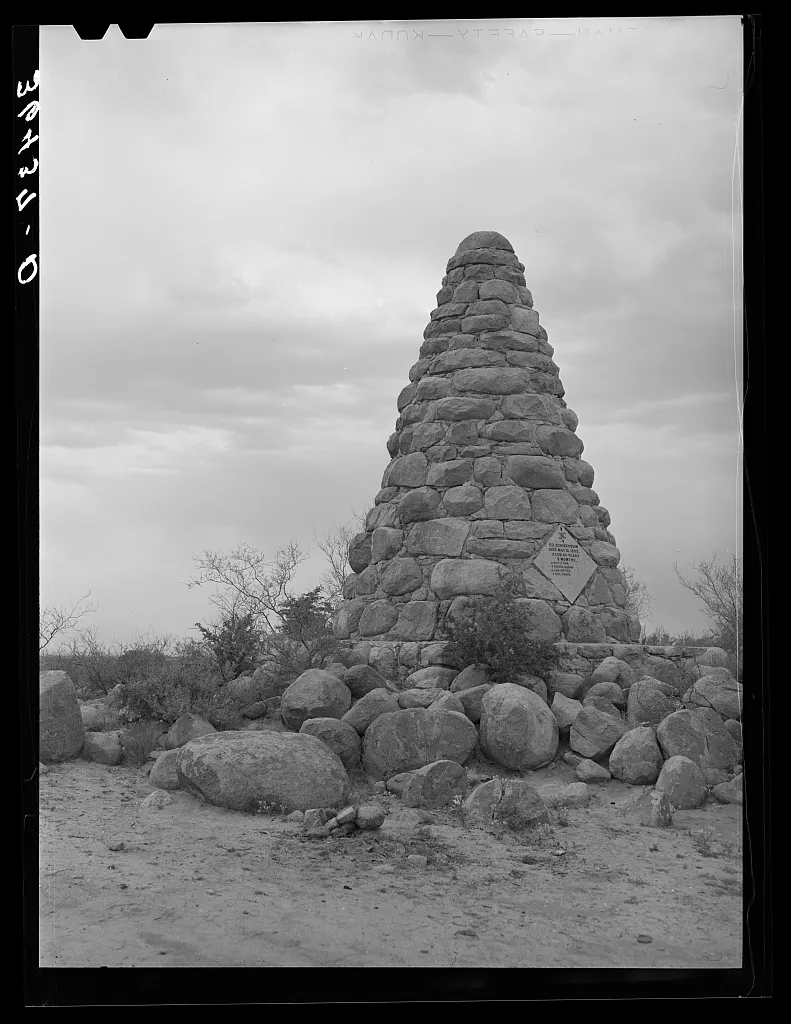
Schieffelin asked to be buried here, dressed as a prospector, near where he'd made the first strike. He died in 1897; the monument — a granite marker northwest of Tombstone, off Monument Road — went up that same year.
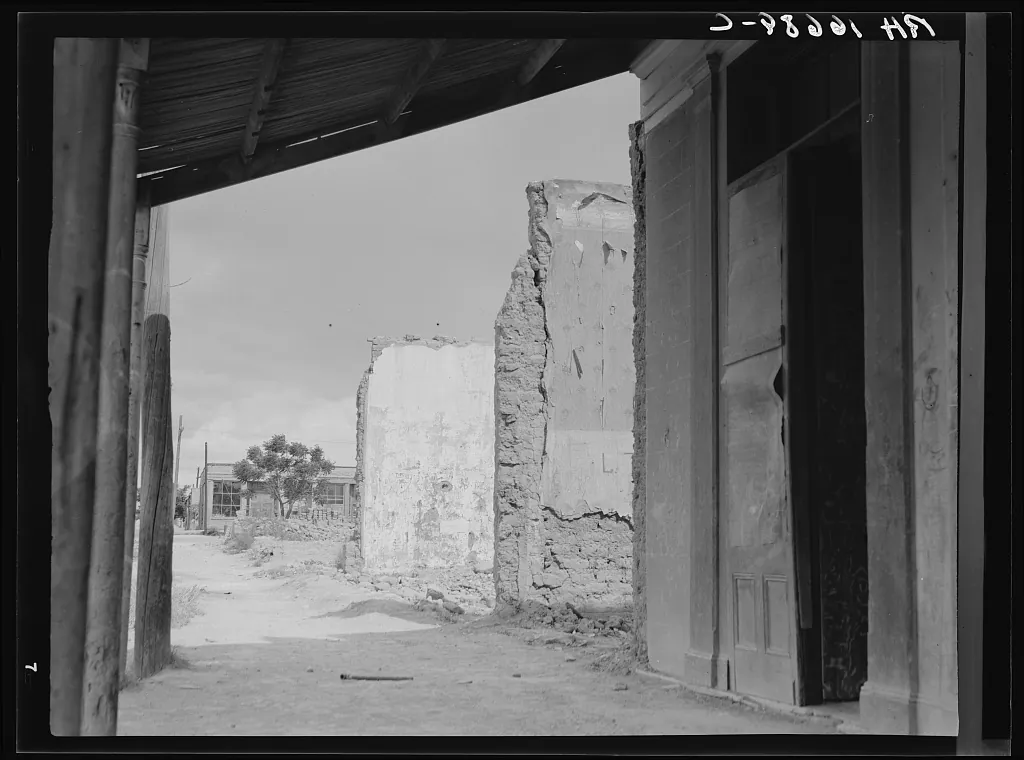
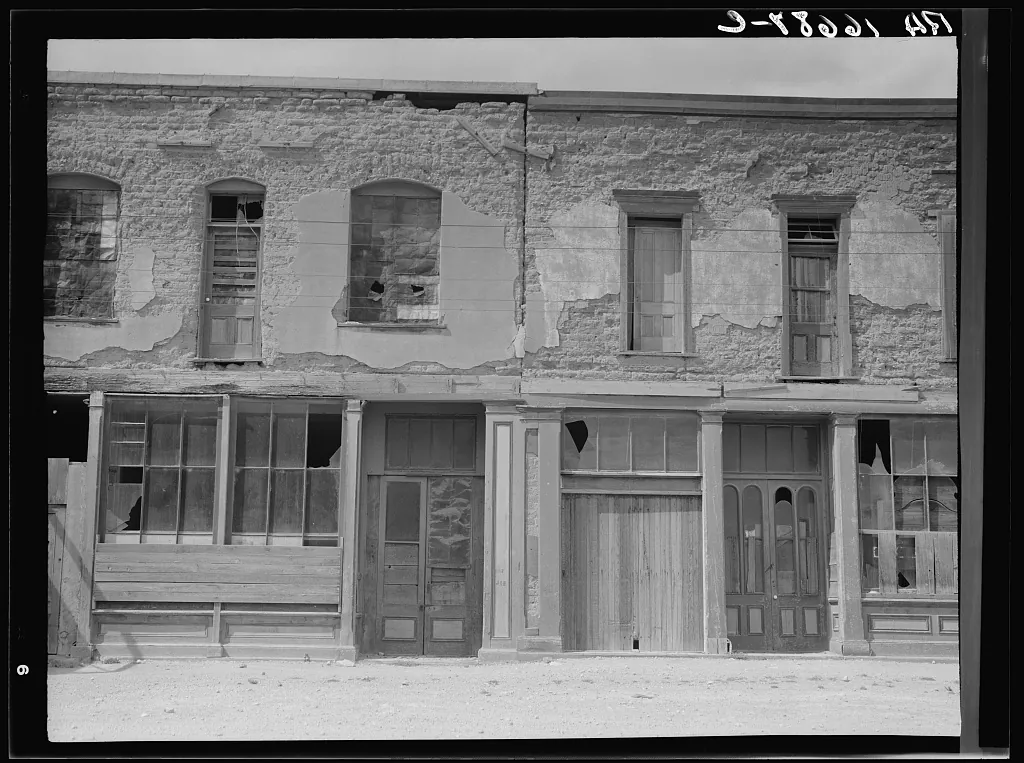
The boom built Tombstone in under seven years. The silver ran out, but what the strike left behind was a town that refused to disappear — courthouses, newspapers, mine records, enough built infrastructure that when the ore was gone, something remained. The monument marks where that started: Schieffelin back in his working clothes, two and a half miles from the city that proved the soldiers wrong.
- ·Coords are the Schieffelin Monument (~31.7184, -110.0489, ~2.5 mi NW of Tombstone off Monument/Allen Rd) — the visitable, mappable site for this strike/boom story; from Arizona State Parks. Ed Schieffelin (1847-1897) prospected E of the San Pedro 1877; '...your tombstone' jest; partnered with Al Schieffelin & Richard Gird. Settlement named Tombstone March 1879. Population 100 → ~14,000 in <7 years (3,000 in 1881, 5,300 in 1882, ~7,000 in 1883). District produced ~32M troy oz silver; ~$25M bullion by mid-1884. 1886 fire destroyed the Grand Central hoist/pumping plant amid water-table flooding; richest ore mined out, mines closed late 1880s. Schieffelin asked to be buried here dressed as a prospector; monument erected 1897. 5+ specific facts. NOTE: complements (does not duplicate) the existing Good Enough Mine and Tombstone Courthouse landmarks — this one is anchored at the Schieffelin Monument grave site specifically.
More archive
Memories
Editorial content compiled with AI assistance. Place details verified against public records.