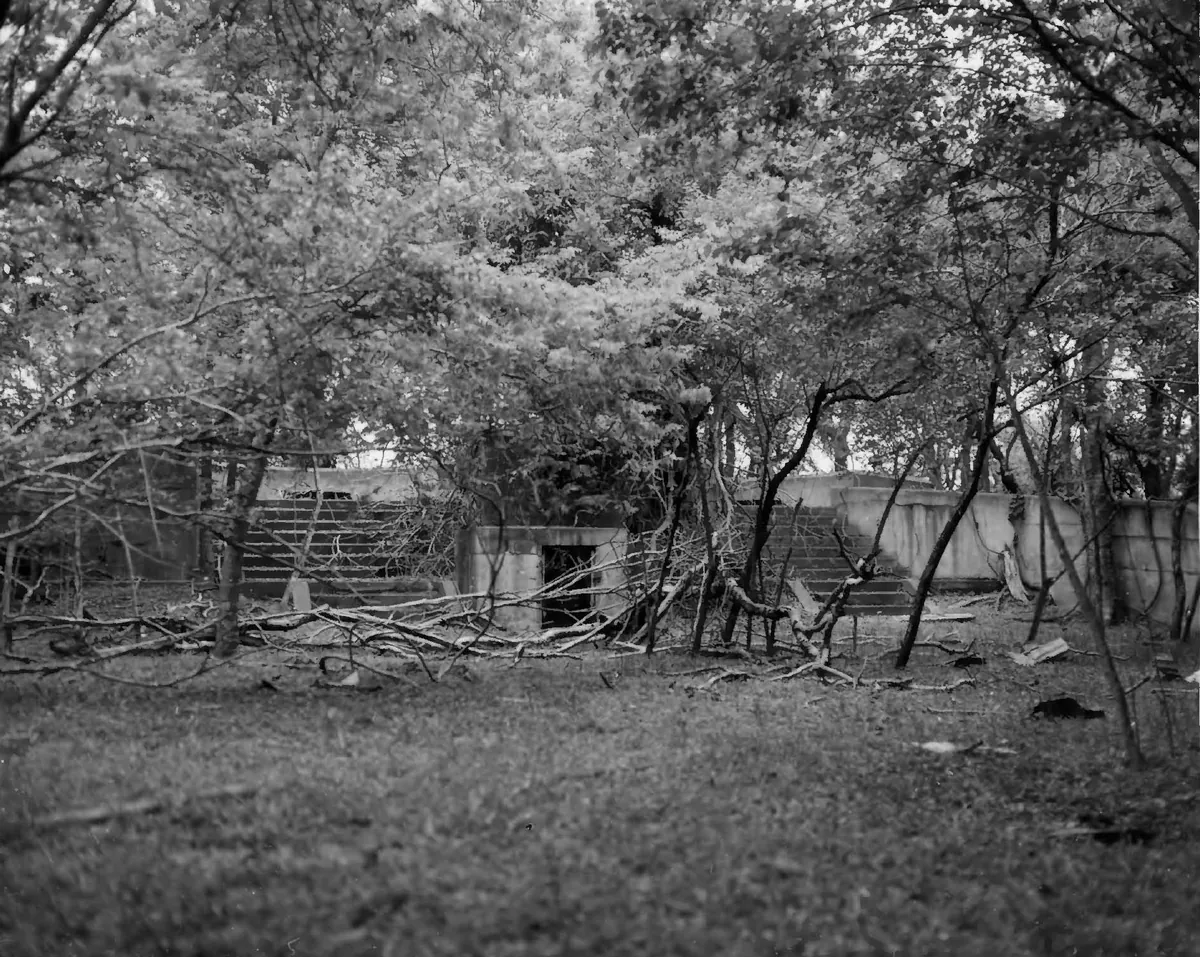
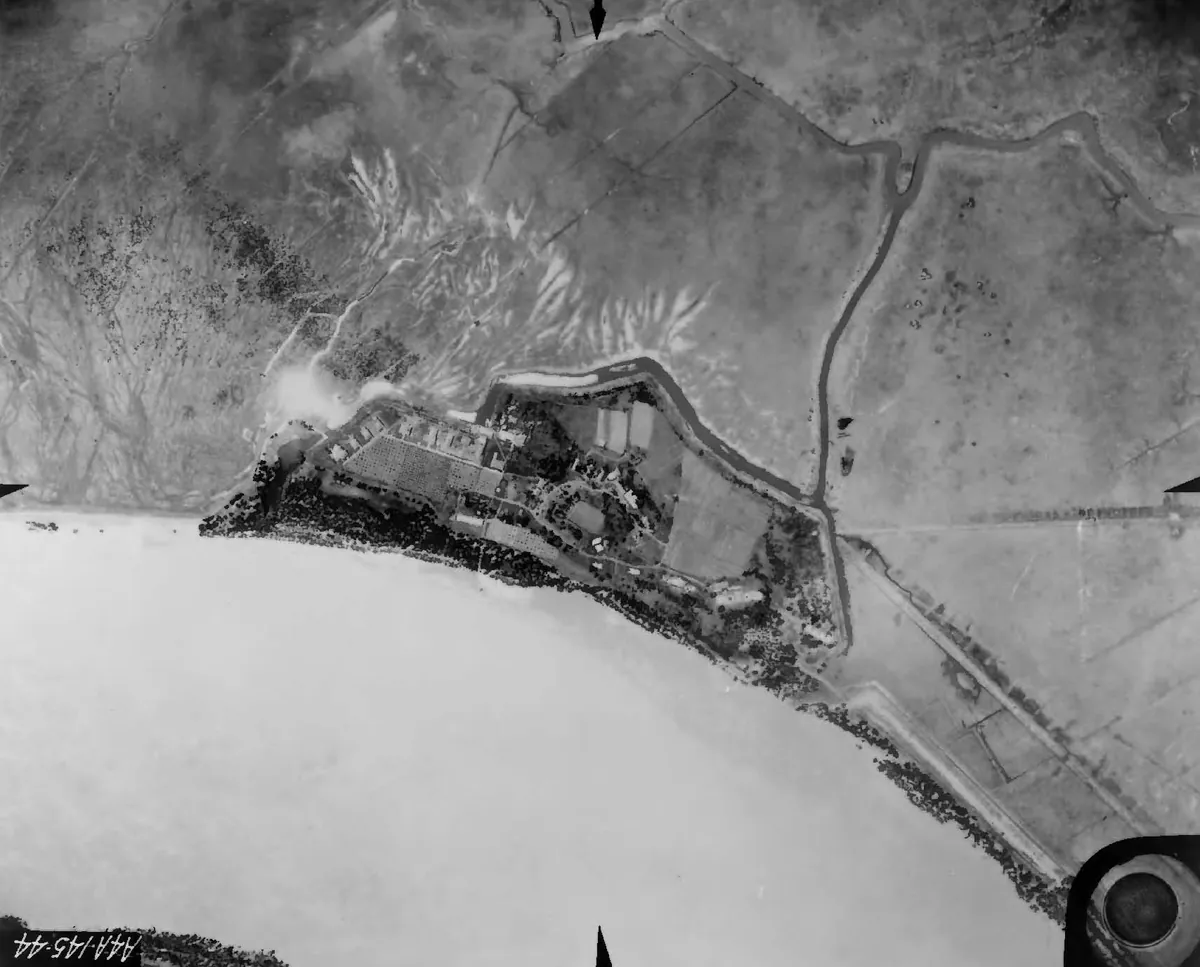
Four flags flew over this masonry fort on the Mississippi River before it ever fell to enemy fire. The first structure on this site was Fort San Felipe, built during Spanish control of Louisiana in the eighteenth century. Under American command, it became Fort St. Philip, rebuilt along with Fort Jackson across the river at Andrew Jackson's urging to defend New Orleans from downriver approach.
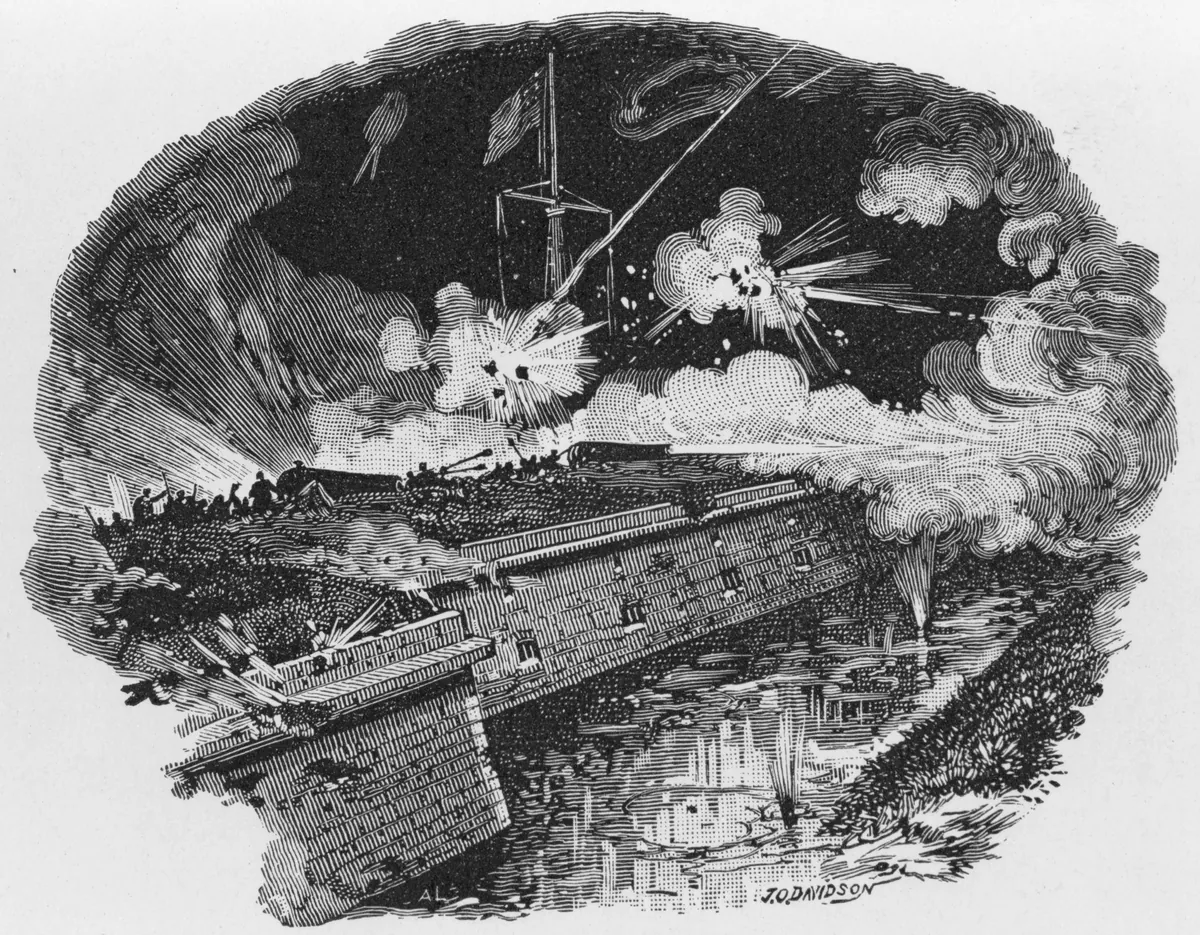
In January 1815, British naval forces attacked during the War of 1812. The garrison held. After ten days of bombardment, the British withdrew. Jackson wrote to the Secretary of War that he was strengthened not only by the defeat of British forces at New Orleans, but by the fleet's failure to pass Fort St. Philip. In April 1862, Union forces besieged the fort for twelve days—the decisive battle in the capture of New Orleans during the Civil War.
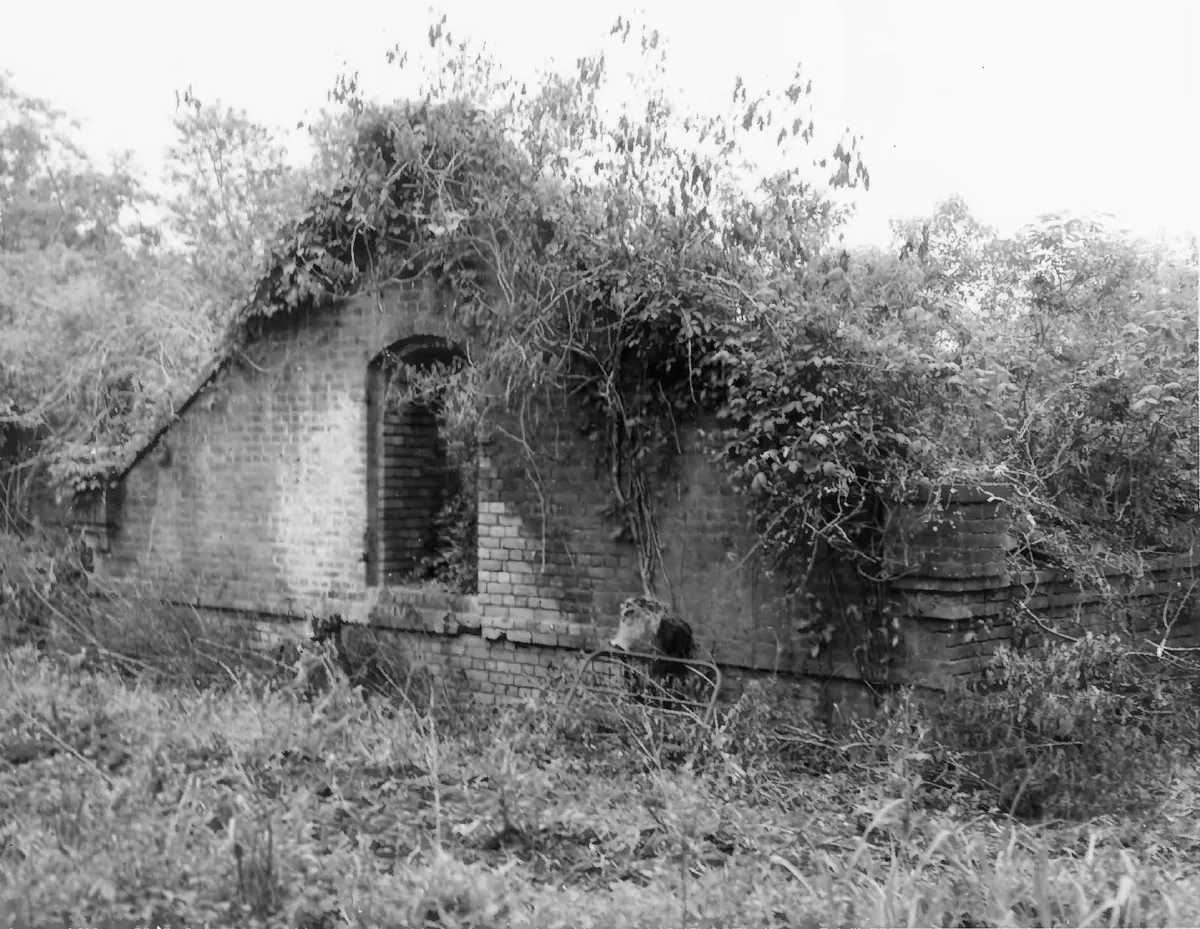
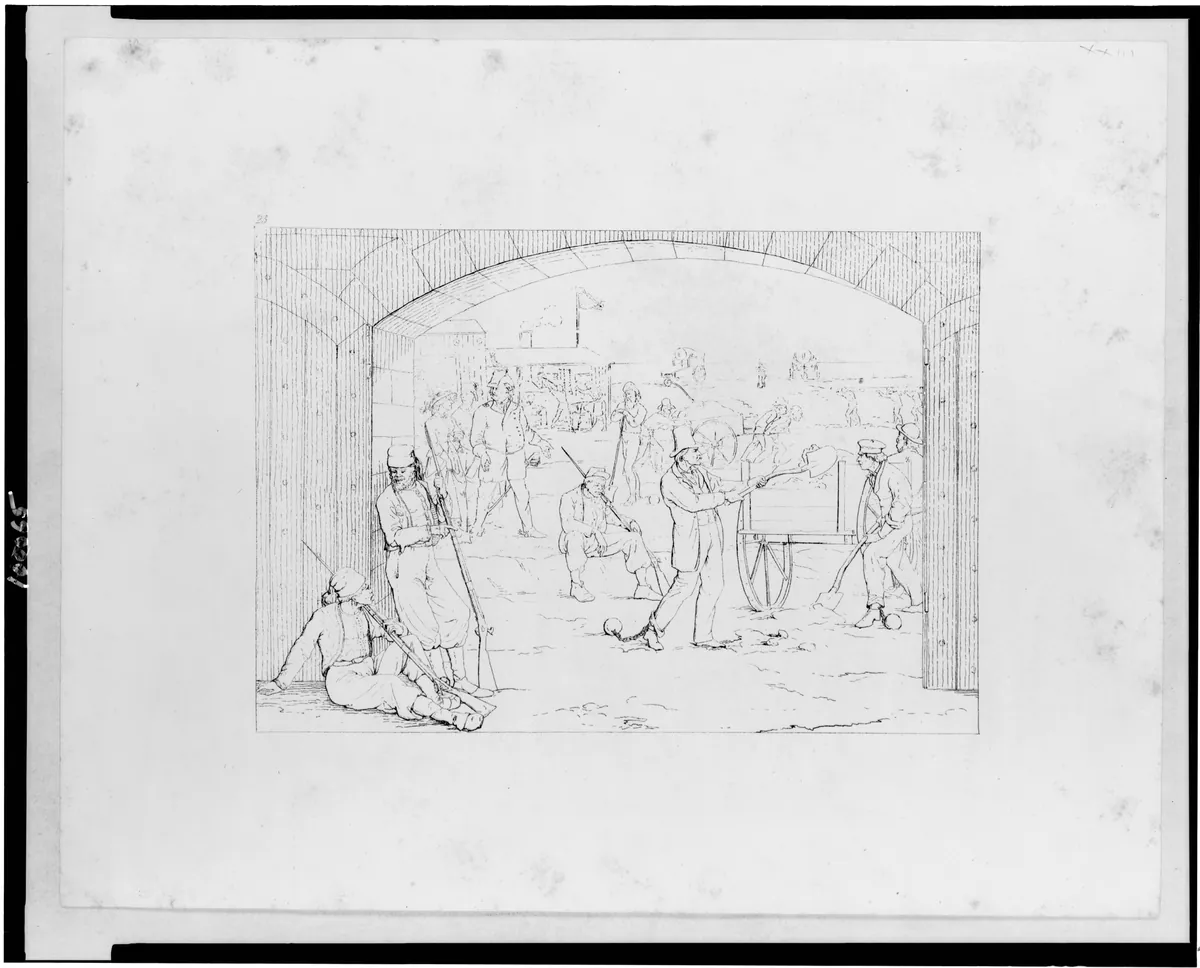
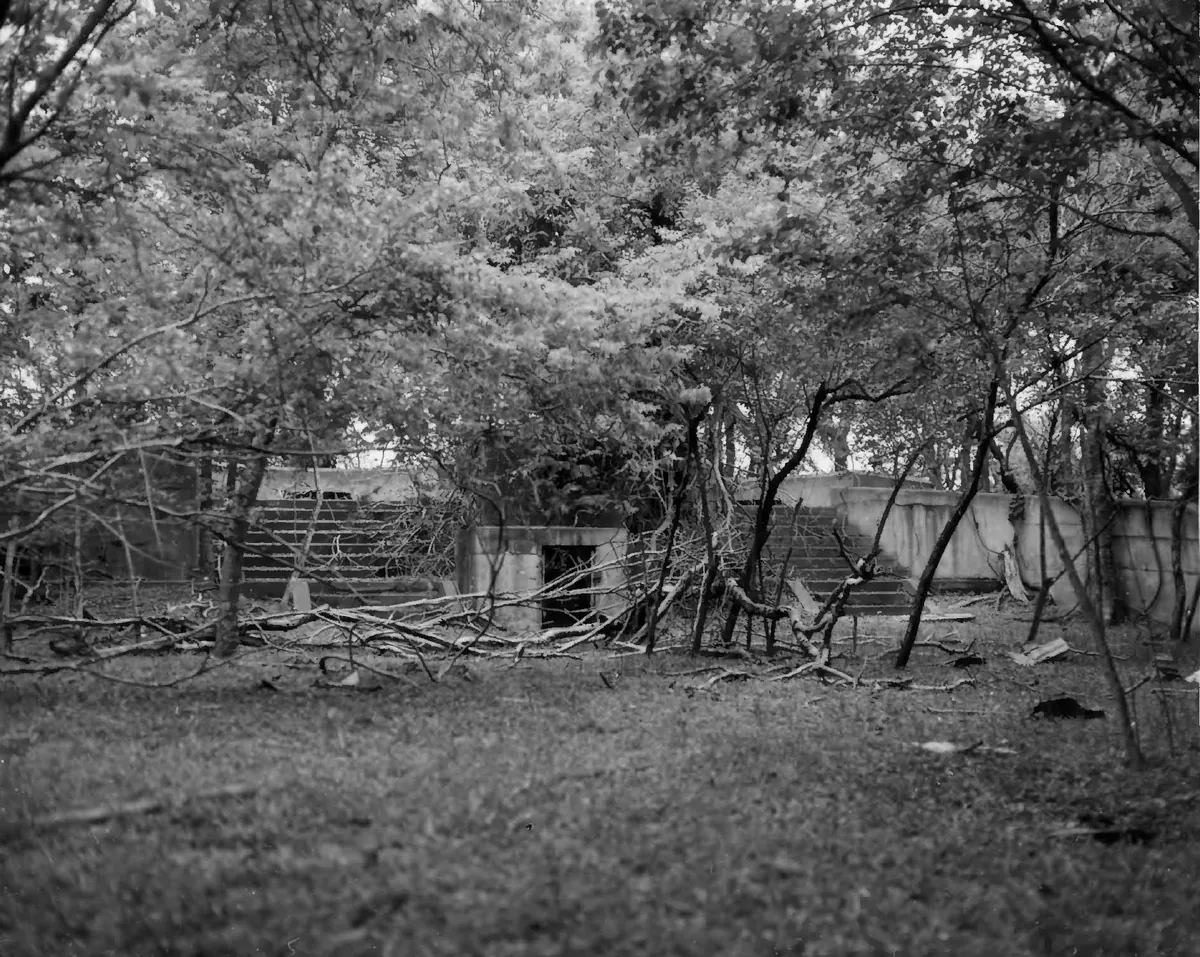
The fort's twentieth-century afterlife played out in stranger chapters. The 1930s saw it used as a tanning factory. During the Civil Rights Movement, Leander Perez threatened to jail civil rights opponents and demonstrators at the fort and installed barbed wire in 1964. From 1978 through 1989, a nonsectarian spiritual community called Vella-Ashby occupied four Spanish-American War-era buildings on the grounds; as many as sixteen members lived there at a time, calling themselves the Christos family.
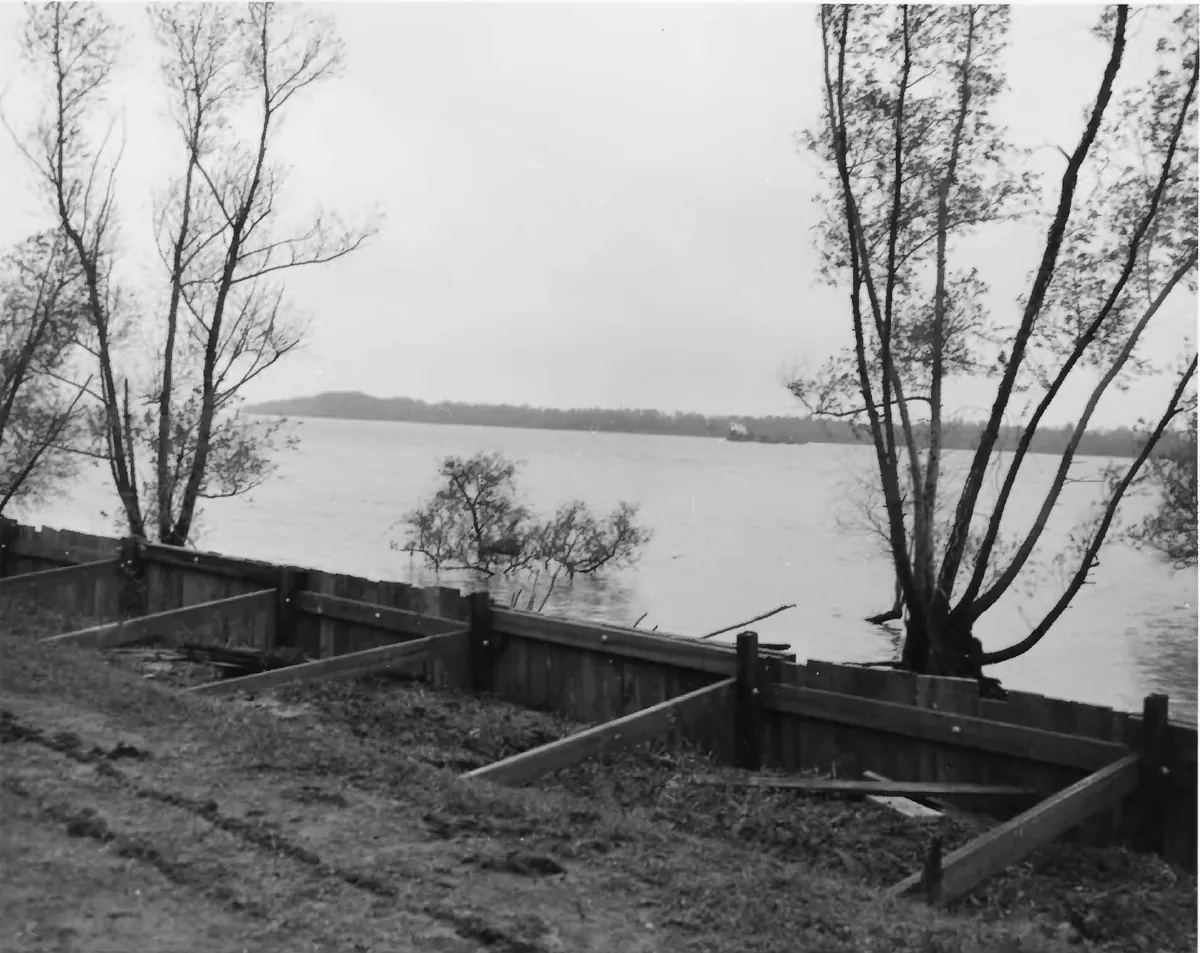
Hurricanes Katrina and Rita in 2005 ravaged what remained. The National Park Service reports that only the original brick fort and concrete Spanish-American War structures still stand. The site eroded into the river's flood path. It remains in private hands, accessible only by boat or helicopter—a National Historic Landmark collapsing into the delta that made New Orleans possible.
- ·First built as the Spanish 'San Felipe' in the 1700s. French, Spanish, American, and Confederate flags all flew over this fort.
- ·Withstood a 9-day British naval bombardment in January 1815 during the War of 1812.
- ·Endured a 12-day Union siege in April 1862 before falling alongside Fort Jackson.
- ·In the 1960s, Leander Perez threatened to use the fort as a prison for civil rights workers entering Plaquemines Parish.
- ·In the 1980s, a commune briefly occupied the ruins. They bragged about self-sufficiency but were spotted buying groceries in town.
- ·Now in private hands. Largely collapsed. Accessible only by boat or helicopter.
More archive
Memories
Editorial content compiled with AI assistance. Place details verified against public records.