The Rappahannock's Grip — How the River Shaped Fredericksburg's Destiny as a Trading Hub and Battleground
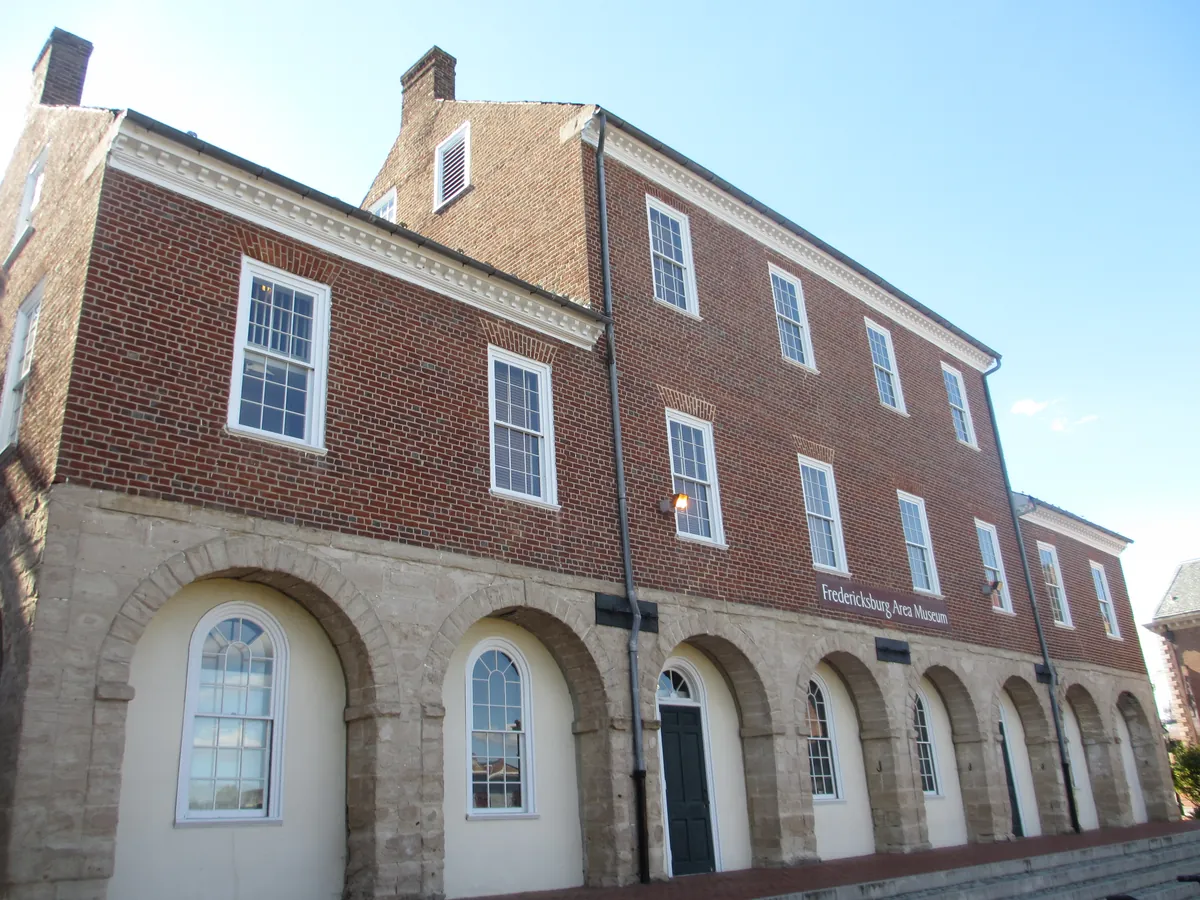
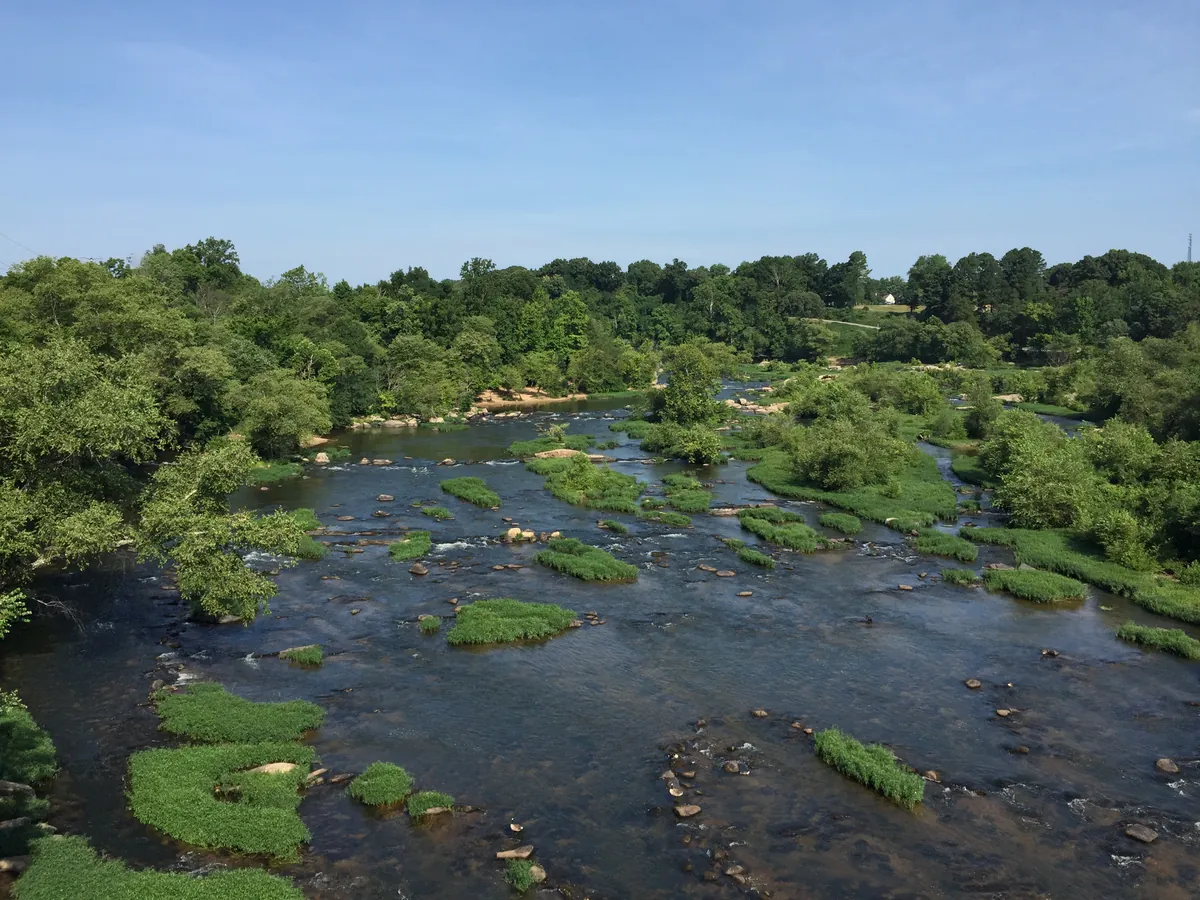
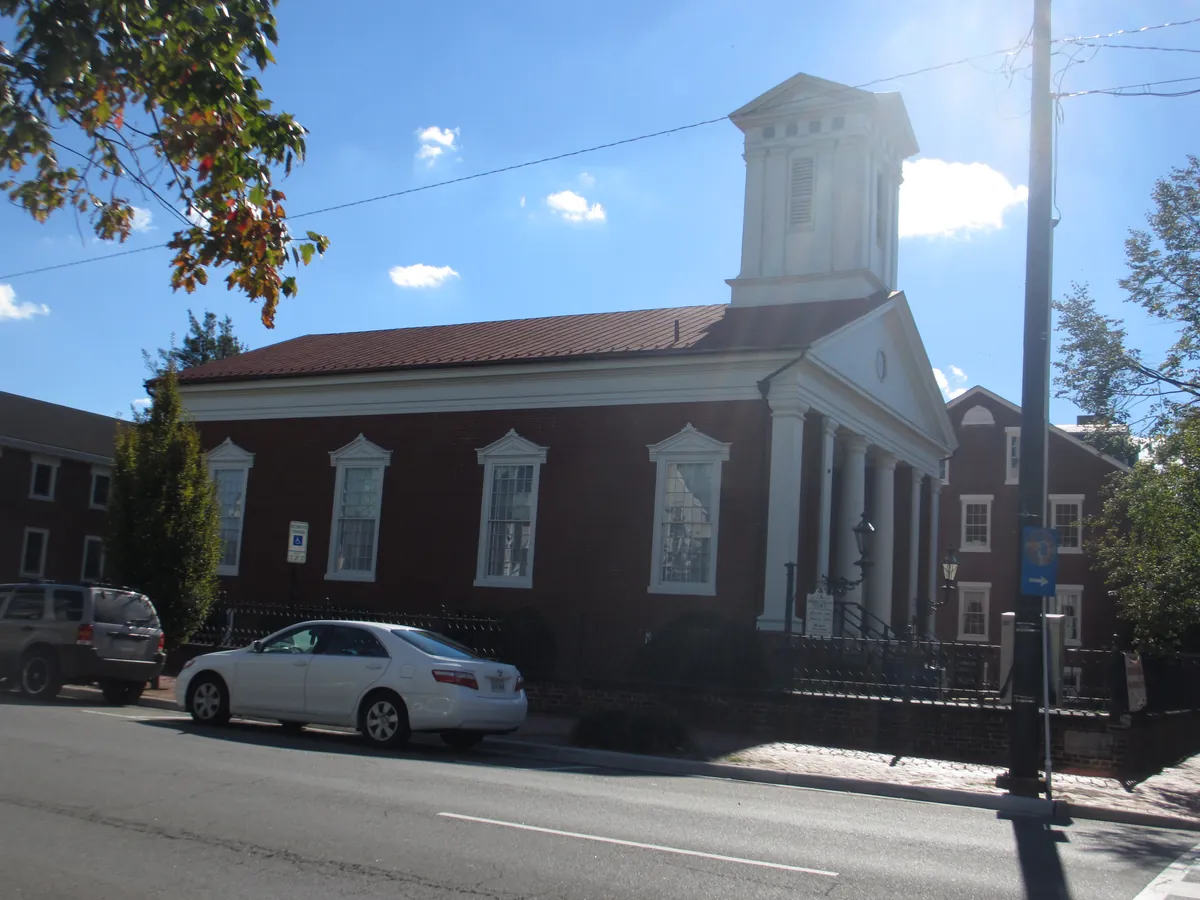
The Rappahannock drops off the Piedmont at Fredericksburg and stops — ocean-going vessels could navigate no further upstream, which is precisely why the Virginia General Assembly planted a trading town here in 1728. Before the English arrived, that same seam in the bedrock separated the Siouan-speaking Manahoac of the Piedmont from the Algonquian Powhatan downstream; the fall line had always been a boundary. The tobacco trade built a colonial streetscape that is still standing — more than 350 buildings across 40 blocks — because the Civil War nearly emptied the place. Union artillery opened on the downtown in December 1862, four days of bombardment followed by looting; neither the city nor its surrounding counties recovered their 1860 population for decades. The slow recovery left the buildings standing. During that same battle, roughly 10,000 enslaved people crossed the Rappahannock to Union lines. The river made this city a port, then a target, then a crossing to freedom.