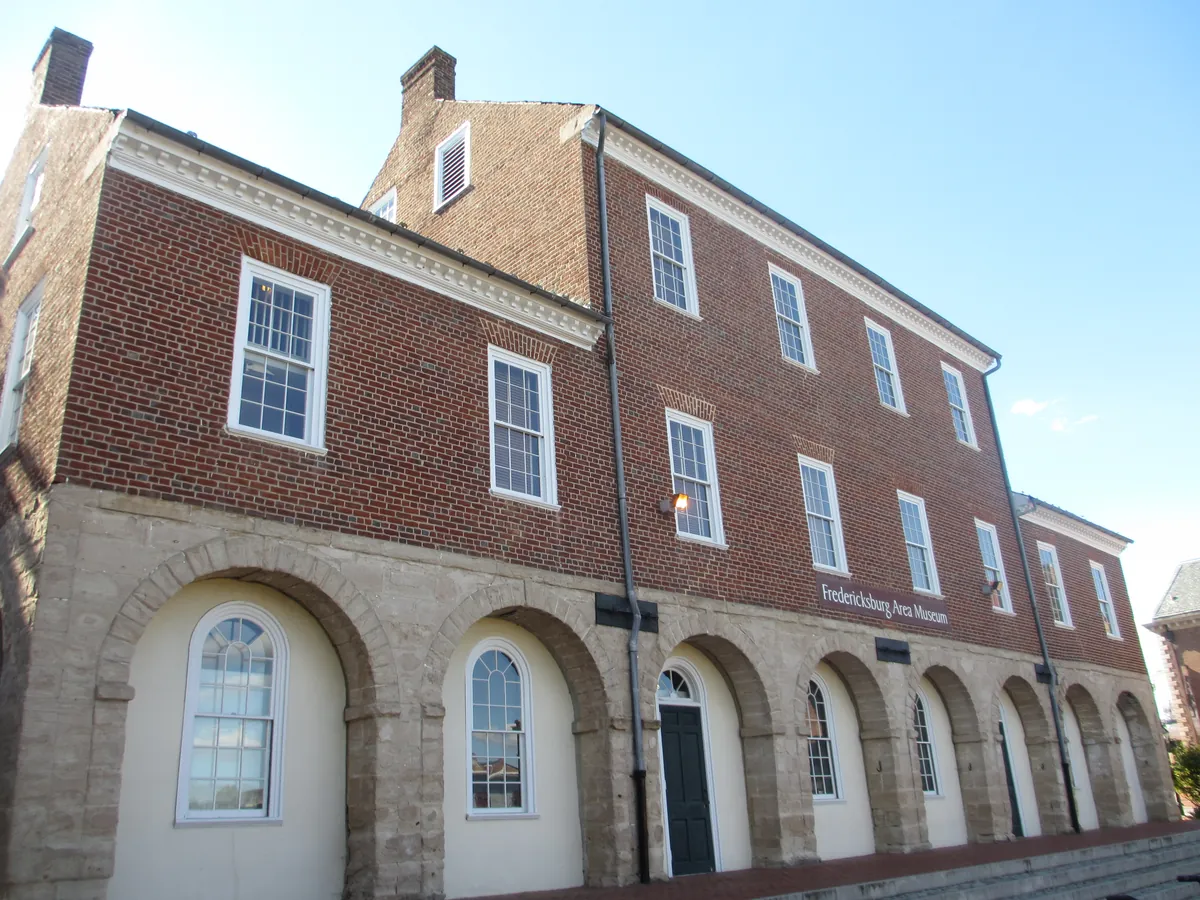
Top picks in Fredericksburg
The places most worth your time here.
Connect your Cour circle to see which places friends and family recommend here.
Connect Cour →Landmarks
99 places worth the detour


tap the eye to open · swipe or use buttons to browse
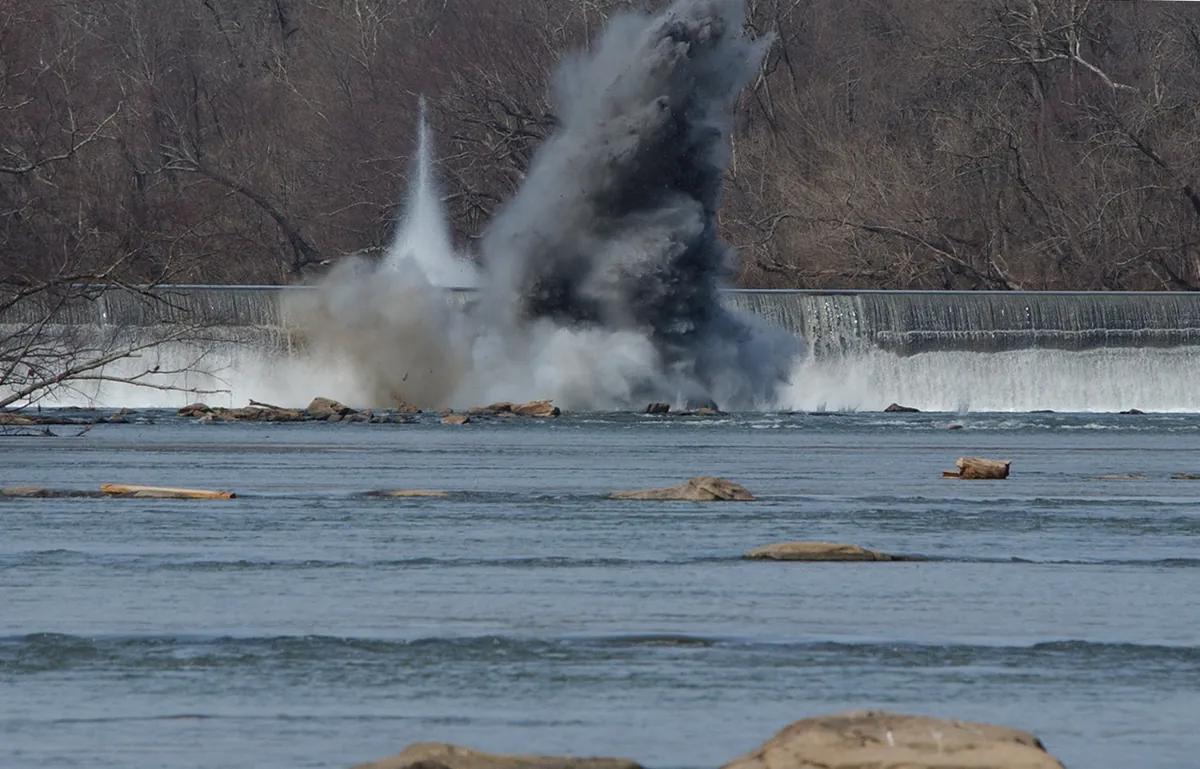
The Rappahannock River defines this city before anything else does. Where the river crosses the fall line — the geologic boundary where the Piedmont meets the Tidewater coastal plain — the water…
Read the full storyOn the map
Reading
George DeBaptiste was born around 1815 in Fredericksburg to free Black parents — a distinction that required paper proof in Virginia, documented on January 22, 1835, when he obtained a free movement pass. He learned barbering in Richmond, married Marie Lucinda Lee, who was enslaved, and purchased her freedom with his earnings. That act of purchase is where his Fredericksburg story ends and something larger begins. The city he left sat halfway between two warring capitals, and in 1862 alone, more than 10,000 African Americans in the region left slavery for freedom behind Union lines — a mass departure that no single document could contain. What DeBaptiste built started here, in a city already holding the tension between bondage and legal freedom, between what was permitted and what people made possible anyway.
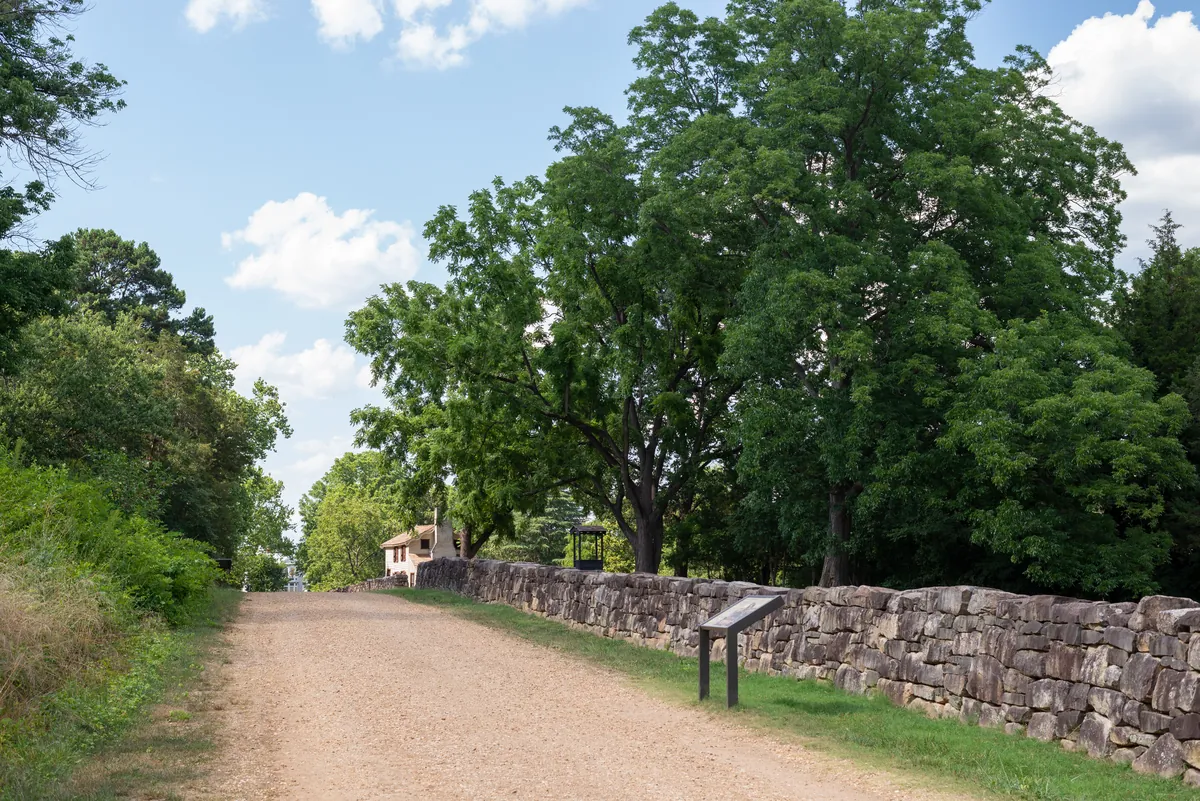
Fredericksburg sits halfway between Washington and Richmond, and in December 1862 that geography stopped being metaphor. For four days — December 11 through 15 — Union forces bombarded the town, occupied what remained, and on the 13th sent wave after wave of soldiers across 900 yards of open ground toward a stone wall along the Sunken Road at the base of Marye's Heights, where Confederate infantry under James Longstreet waited behind a position the attackers could see and could not reach. Fourteen assaults. Not one Federal soldier touched the wall. Total casualties came to approximately 18,500. While the battle was still being absorbed, nearly 10,000 enslaved people crossed the Rappahannock to Union lines. The town took decades to rebuild; it never recovered its tobacco trade. What survived — more than 350 buildings across a 40-block district — became the bones of the city standing here now.
The Rappahannock drops off the Piedmont at Fredericksburg and stops — ocean-going vessels could navigate no further upstream, which is precisely why the Virginia General Assembly planted a trading town here in 1728. Before the English arrived, that same seam in the bedrock separated the Siouan-speaking Manahoac of the Piedmont from the Algonquian Powhatan downstream; the fall line had always been a boundary. The tobacco trade built a colonial streetscape that is still standing — more than 350 buildings across 40 blocks — because the Civil War nearly emptied the place. Union artillery opened on the downtown in December 1862, four days of bombardment followed by looting; neither the city nor its surrounding counties recovered their 1860 population for decades. The slow recovery left the buildings standing. During that same battle, roughly 10,000 enslaved people crossed the Rappahannock to Union lines. The river made this city a port, then a target, then a crossing to freedom.
Tickets & Shows
Before you go
Six Irish soldiers, three per side, meet on the same ground you'll walk. The irony does the work before you arrive.
Shot on the actual Sunken Road and Rappahannock crossing — the ground where 13,000 men fell — built from firsthand accounts, not textbook narration.
Plan your trip
The only thing left to do is go.
Some of these are partner links — if you book through them, Portage may earn a commission at no extra cost to you.
Plan your visit
Editorial content compiled with AI assistance. Place details verified against public records.