The Rappahannock moves fast here — "river of quick, rising water," the Algonquian name they gave it — and this stretch of paved trail tracks it through Fredericksburg. The trail follows the riverbank and gives you the kind of overlook that people who actually live here say you shouldn't skip.
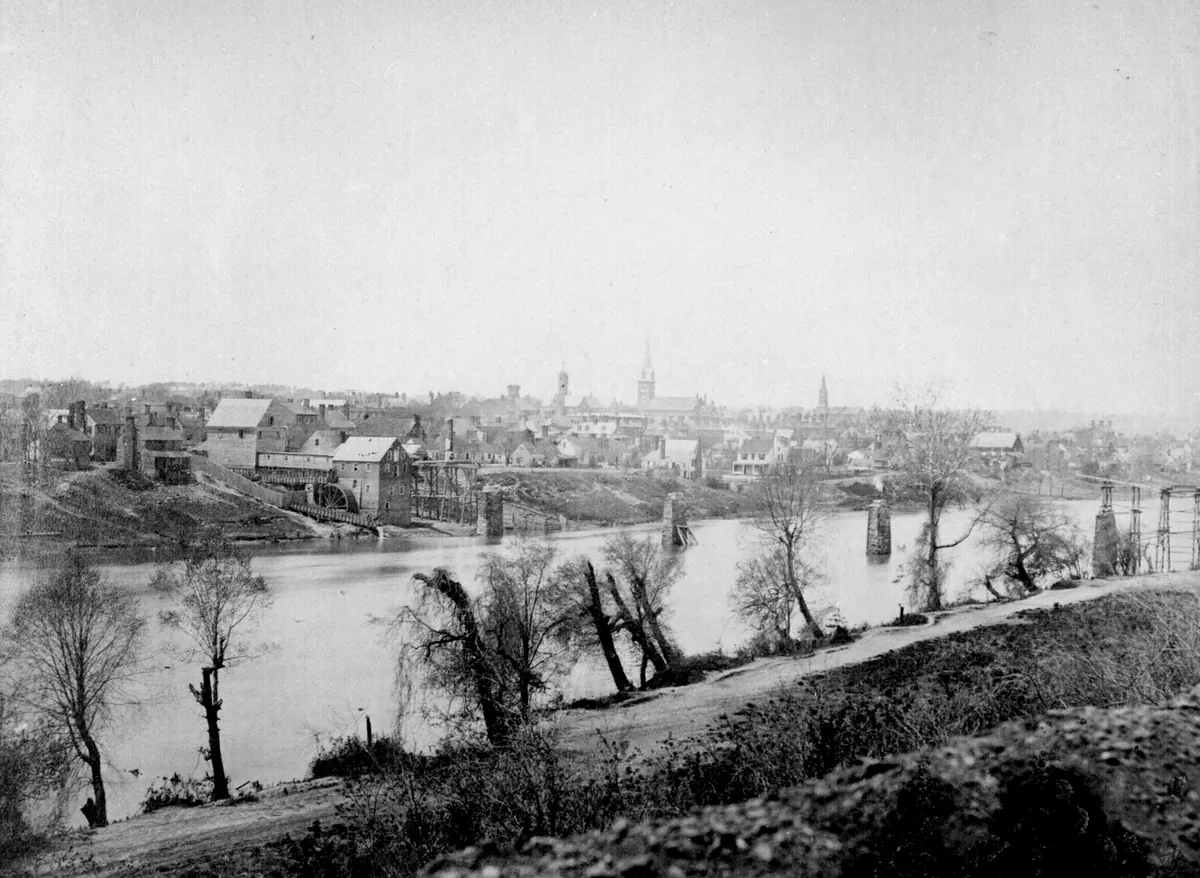
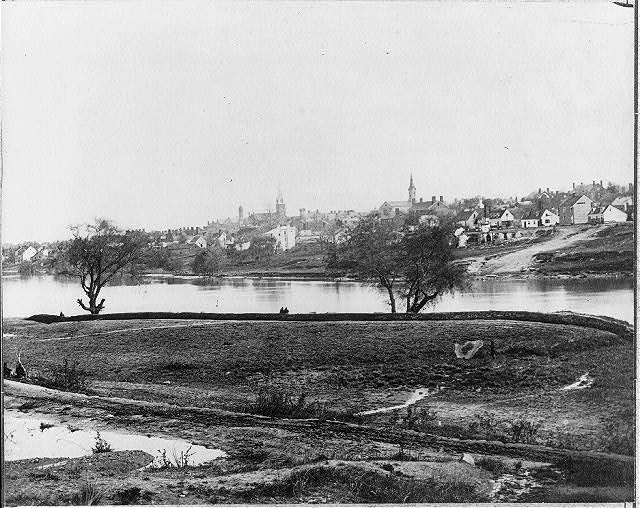
This is the river that stopped armies. During the Civil War, the Rappahannock functioned as the boundary of the eastern theater — few fords, fewer bridges, and Union troops vulnerable every time they tried to cross. Fredericksburg sat at the center of that. After the first battle here in December 1862, some ten thousand enslaved people crossed this river to freedom behind Union lines. The Trail of Freedom, they call it now. Historical markers on both banks mark the exodus.
The trail touches old ground but wasn't built to excavate it. It's a city amenity. The river widens into a brackish tidal estuary southeast of here, and if you go at the right hour you'll see why the oysters from this estuary earned a reputation: low salinity, Blue Ridge minerality, the least salty oysters on the East Coast. They taste almost buttery, so they say.
You go because the river's real and the history didn't get cleaned up for tourists. The path just runs alongside it.
- ·Free. Part of the larger Fredericksburg trail network connecting to the Quarry Trail and Embrey Dam Trail.
More archive
Memories
Editorial content compiled with AI assistance. Place details verified against public records.