Top picks in Charleston
The places most worth your time here.
Connect your Cour circle to see which places friends and family recommend here.
Connect Cour →Landmarks
69 places worth the detour

tap the eye to open · swipe or use buttons to browse
Charleston sits at the confluence of the Ashley and Cooper rivers, where the harbor opens southeast toward the Atlantic. The position was not chosen for scenery. It was chosen for control — of deep…
Read the full storyOn the map
Reading
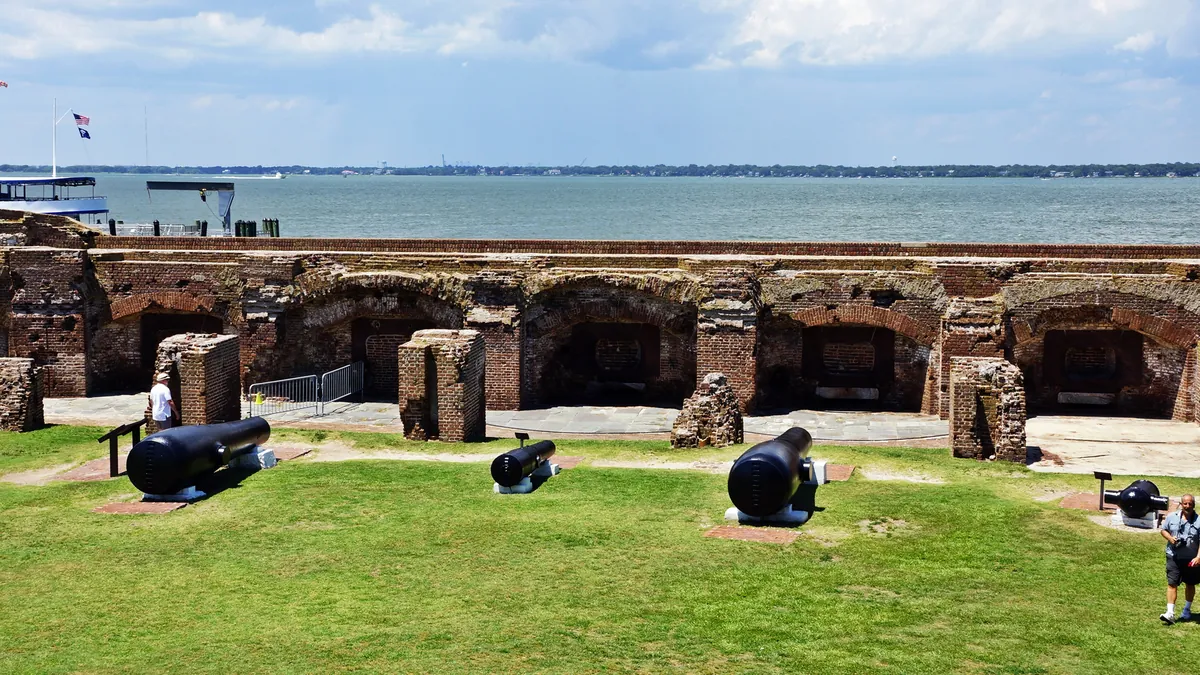
Charleston's war story begins where the land itself begins — on a peninsula, where two rivers meet the Atlantic and the harbor runs deep enough to matter. In 1776, a half-finished fort on Sullivan's Island held against a British fleet because palmetto logs absorb cannonballs rather than shattering under them; South Carolina has called itself the Palmetto State ever since. Four years later the British took the city anyway, converting the Old Exchange Building's basement into a military prison. The Revolution settled, Charleston grew rich on cotton and enslaved labor, and the tensions that wealth produced pushed South Carolina to become the first state to secede in 1860. The following year, Confederate batteries opened fire on the unfinished federal fort sitting on an artificial island in the harbor — and the Civil War began where the harbor that made Charleston powerful had always made confrontation inevitable.
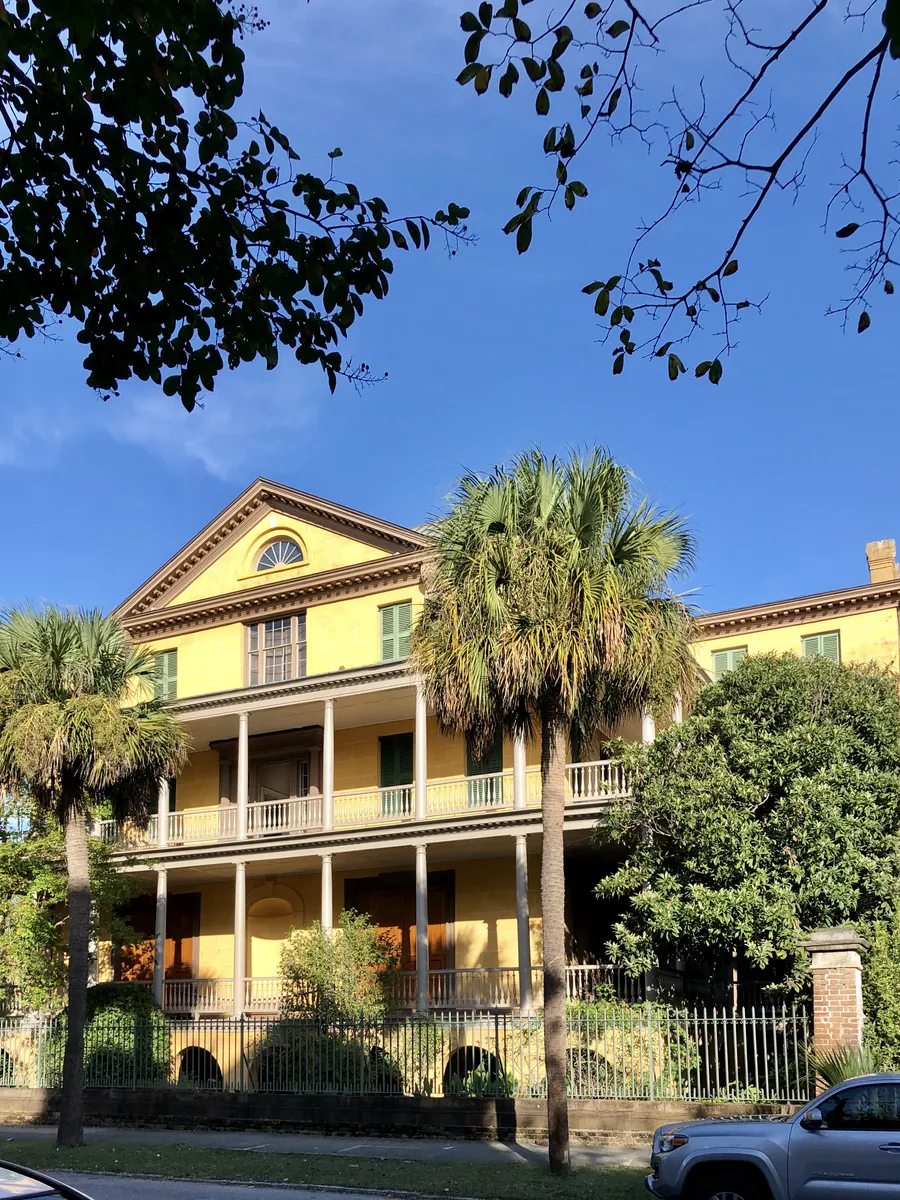
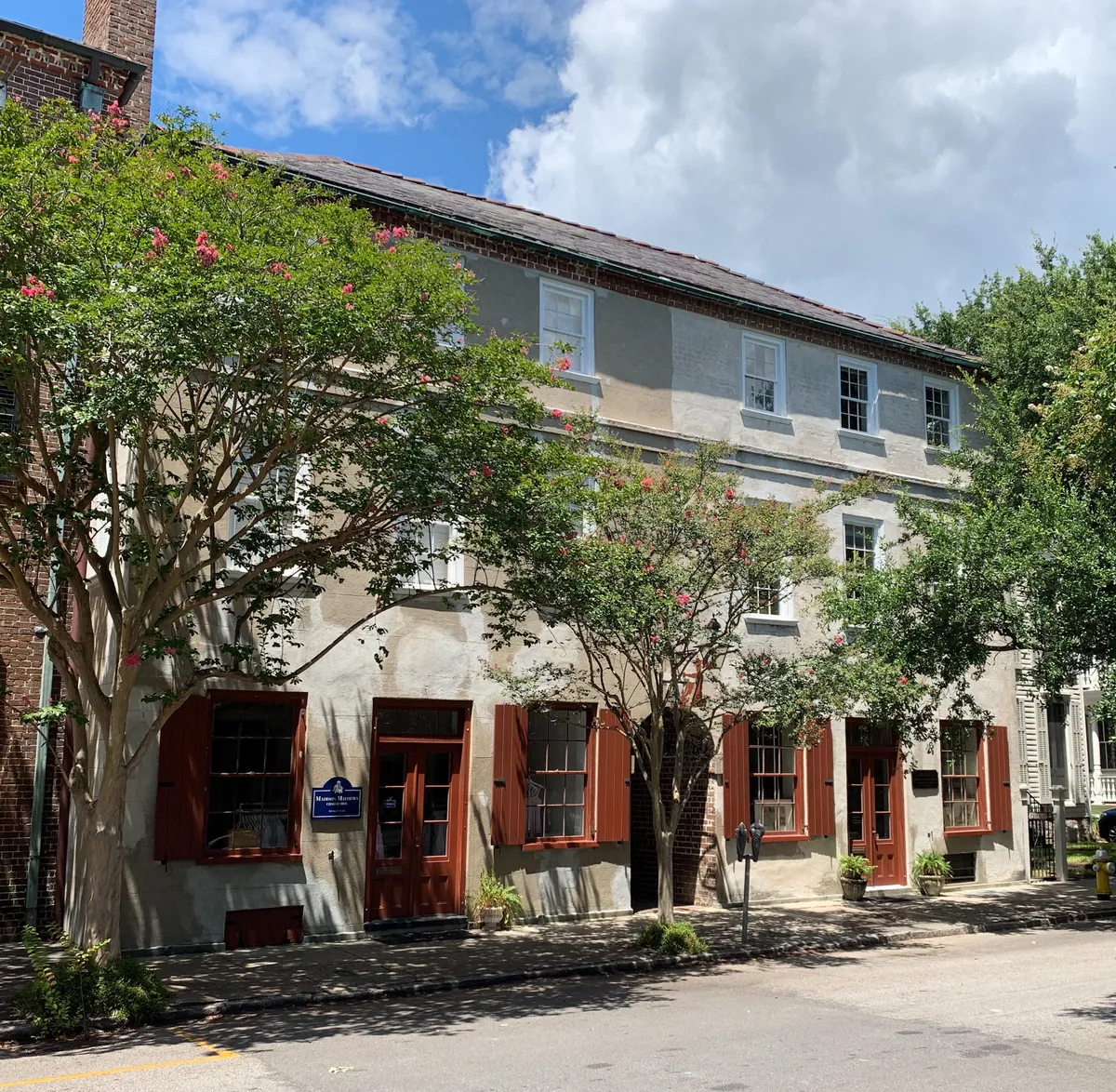
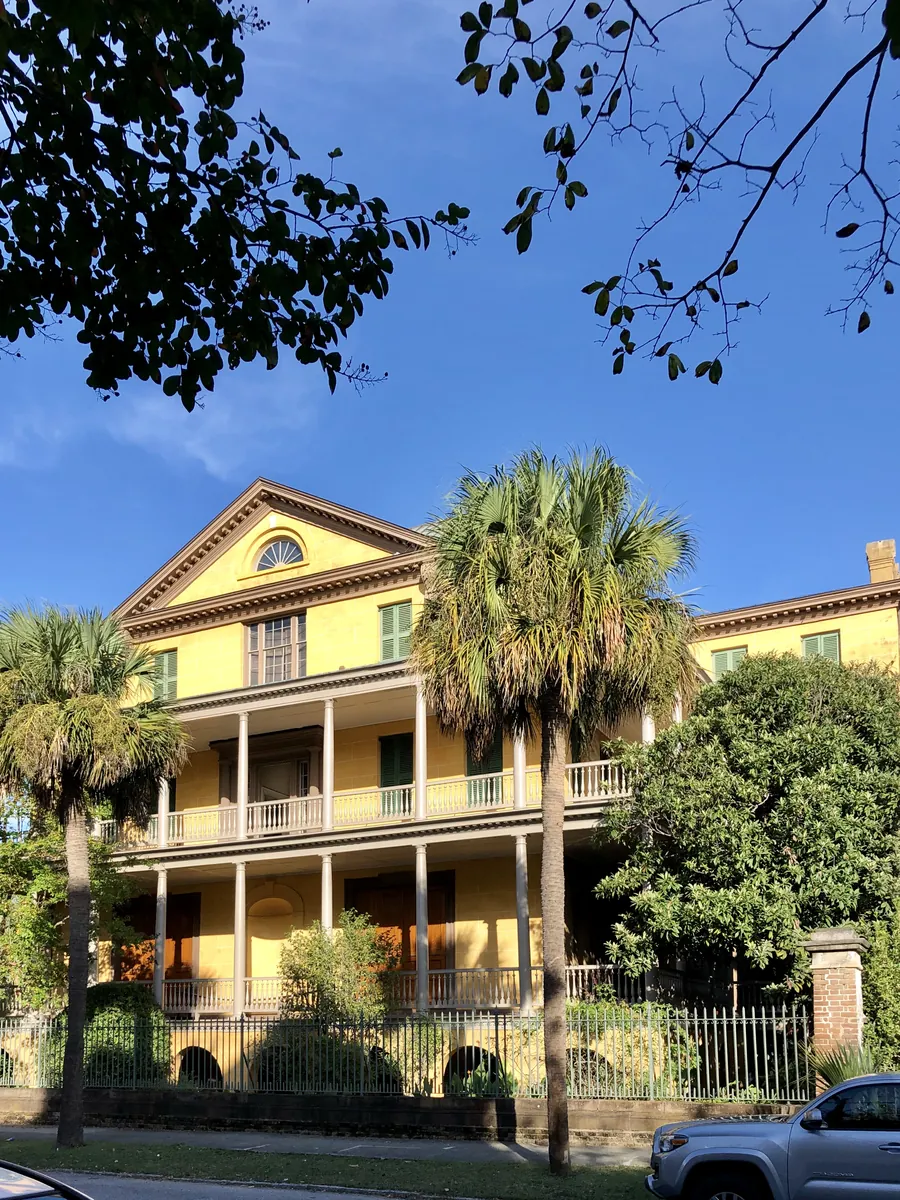
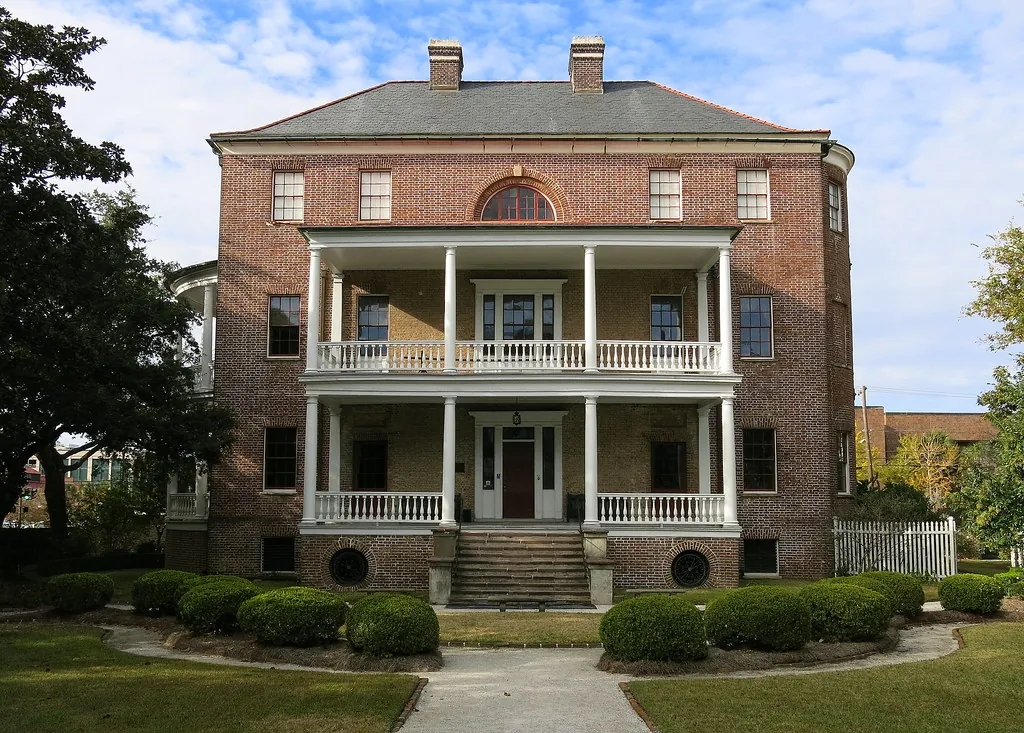
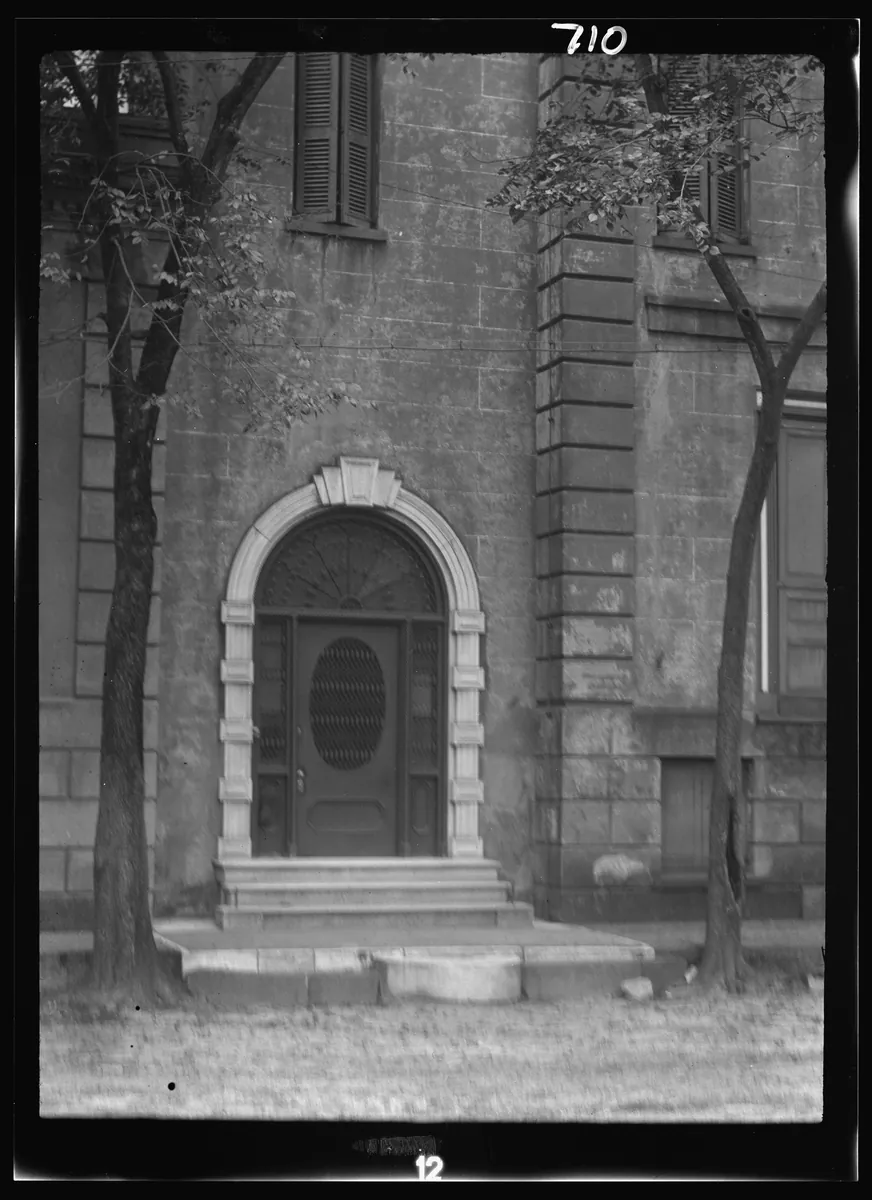
In 1920, the Joseph Manigault House — Gabriel Manigault's 1803 example of Adam-style architecture, built for his brother Joseph — nearly became a gas station. That threat pushed a group of Charlestonians to organize the Preservation Society of Charleston, the city's first serious preservation effort, born specifically to save the building. The instinct spread. Along East Bay Street, the thirteen merchant row houses known as Rainbow Row had fallen into near-slum conditions after the Civil War; in the 1920s Susan Pringle Frost bought six of them, and in 1931 Dorothy Haskell Porcher Legge painted a section pink — she wanted to uplift the block, though local tradition holds the colors helped sailors find their bearings from port. By 1945 most were restored. This is a city that learned to fight for its own buildings, one near-loss at a time. What you walk past in Charleston survived because someone refused to let it go.
Denmark Vesey won his freedom with lottery winnings in 1799, helped found what became Mother Emanuel AME Church, and organized what authorities called the largest planned slave uprising in American history. He was hanged in 1822. The response was swift: Black worship services were banned. The congregation went underground and kept meeting. That refusal to dissolve is the through-line of Black Charleston. Mother Emanuel survived arson, earthquake, and forced silence before reopening as the oldest AME church in the South. The Avery Normal Institute opened in 1865, closed in 1954, and alumni reclaimed it by 1985 as an archive holding over six thousand records of Lowcountry Black life. On June 17, 2015, nine people were murdered at Mother Emanuel. The church reopened days later and still holds services. What was built here, across two centuries of direct assault, did not break.
Charleston was the capital of American slavery — the record says so plainly — and the ground here carries that weight at every turn. More than forty percent of the enslaved Africans brought to colonial America entered through Sullivan's Island. At Gadsden's Wharf on the Cooper River, historians estimate more than 100,000 people were disembarked and held between the 1760s and 1808. The grand houses that still stand along Charleston's streets were built on that system — one Rhode Island merchant made his fortune trading captive Africans, then built one of the most celebrated neoclassical homes in the country. On Chalmers Street, the last surviving slave auction facility in South Carolina is now a city-operated museum. The International African American Museum opened on the approximate ground of Gadsden's Wharf in 2023. The city did not erase this history. It built something honest from it.
Tickets & Shows
Before you go
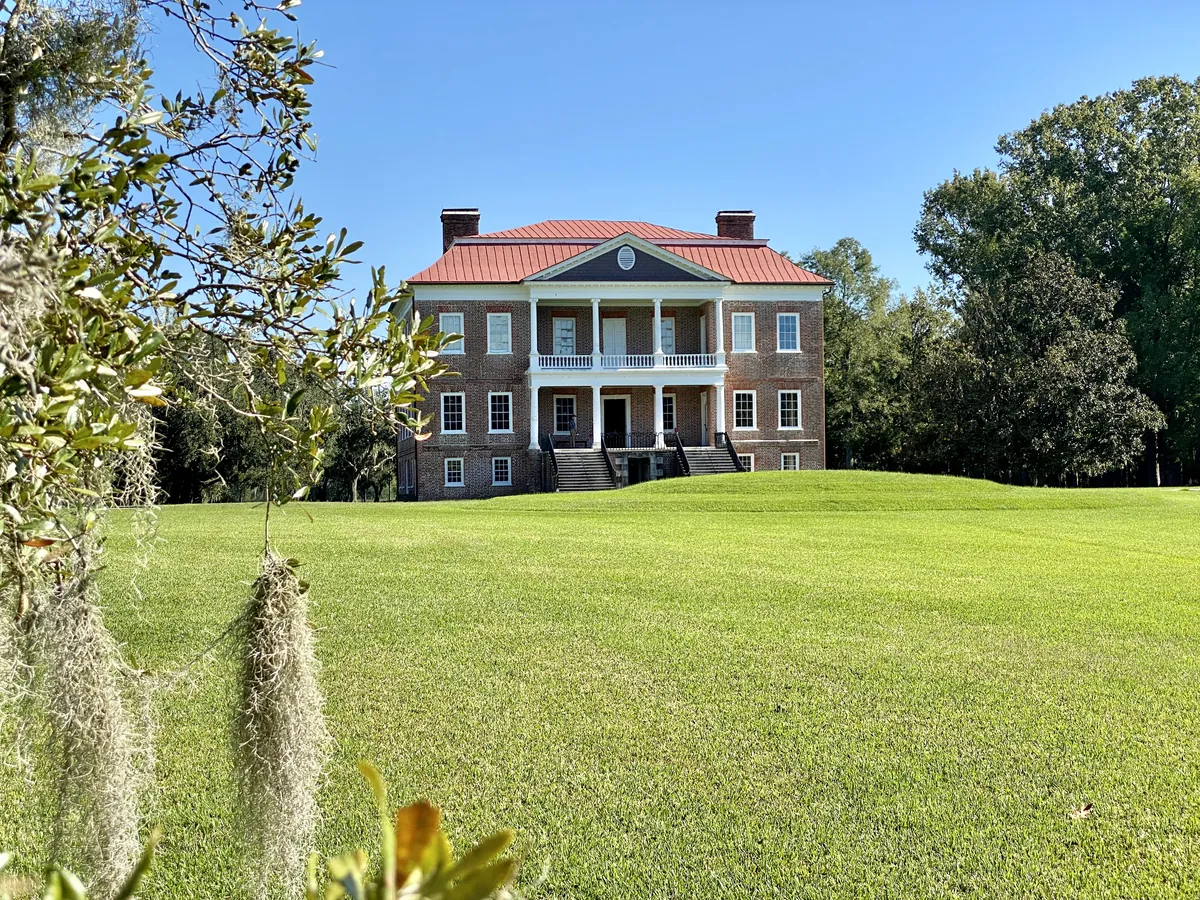
Two women — one enslaved, one her owner — built something real on Meeting Street. The city's bones are the story.
Shot across Charleston — the American Theatre, Boone Hall Plantation, Cypress Gardens. The city itself is the romance.
Plan your trip
The only thing left to do is go.
Some of these are partner links — if you book through them, Portage may earn a commission at no extra cost to you.
Editorial content compiled with AI assistance. Place details verified against public records.