The Cradle of American Slavery — How Charleston Became the Primary Port for the Transatlantic Slave Trade
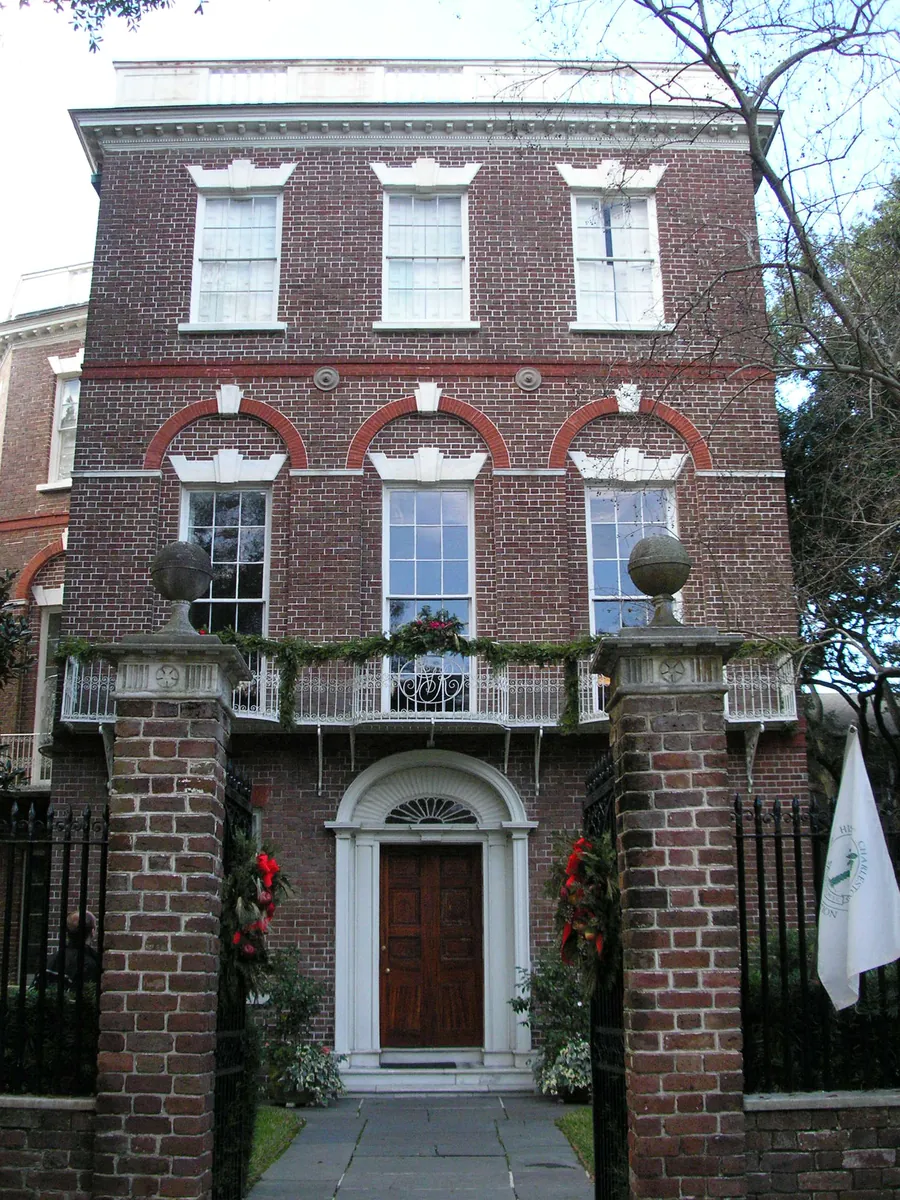
Charleston was the capital of American slavery — the record says so plainly — and the ground here carries that weight at every turn. More than forty percent of the enslaved Africans brought to colonial America entered through Sullivan's Island. At Gadsden's Wharf on the Cooper River, historians estimate more than 100,000 people were disembarked and held between the 1760s and 1808. The grand houses that still stand along Charleston's streets were built on that system — one Rhode Island merchant made his fortune trading captive Africans, then built one of the most celebrated neoclassical homes in the country. On Chalmers Street, the last surviving slave auction facility in South Carolina is now a city-operated museum. The International African American Museum opened on the approximate ground of Gadsden's Wharf in 2023. The city did not erase this history. It built something honest from it.
Related places