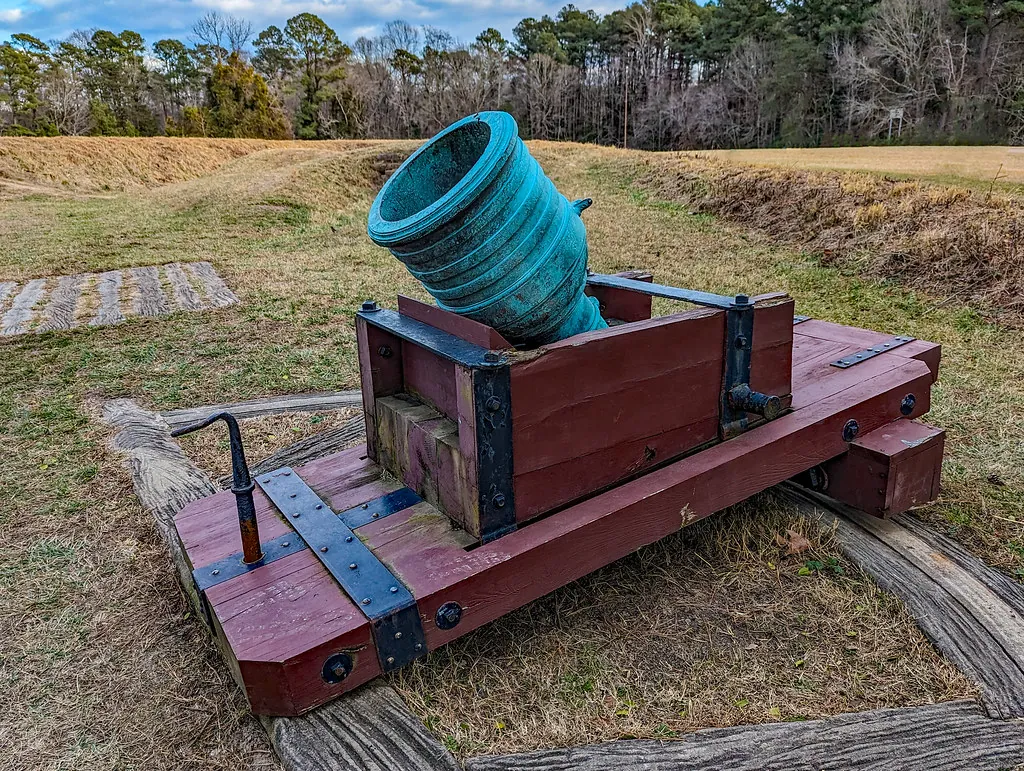
The Revolution didn't happen in monuments. It happened in mud-floored farmhouses, in encampments where men went hungry, on printing presses that ran broadsheets through the night. The American Revolution Museum at Yorktown, opened in 2016, understands this.
The outdoor living-history site is the real argument. A re-created Continental Army encampment and a working Revolution-era farm occupy the same grounds, and neither exists to be admired from a distance. The farm includes quarters for enslaved people, a tobacco barn, and crop fields — the full picture of who actually kept these operations running, not the sanitized version. This is the museum acknowledging what the Revolution was built on, not just what it claimed to stand for.
Inside, the permanent galleries hold nearly 500 period artifacts. The anchor is a July 1776 broadside of the Declaration of Independence — the document in the moment of its declaration, before it became mythology. That's the difference between a history museum and a shrine. One keeps the object; the other keeps the stakes.
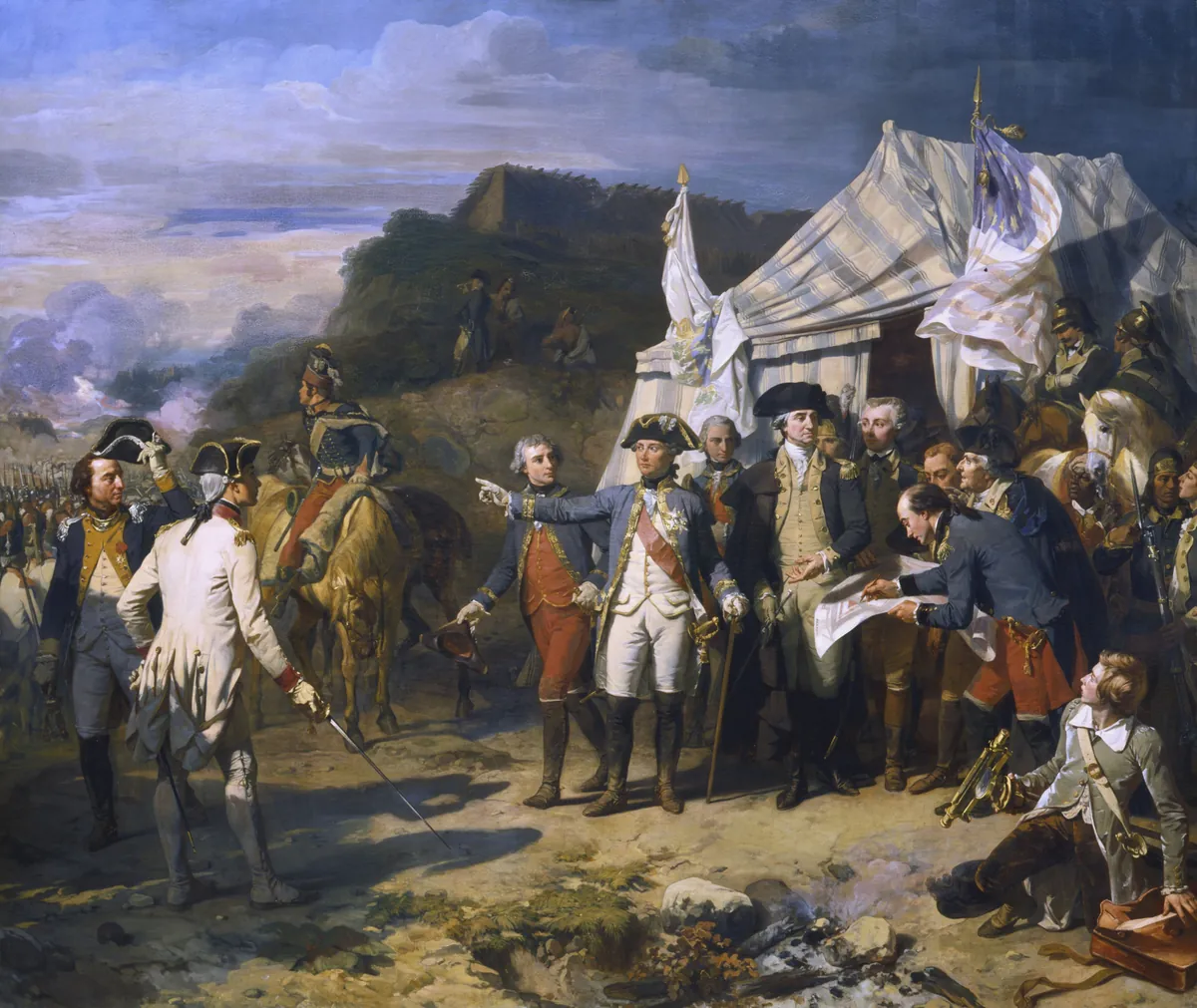
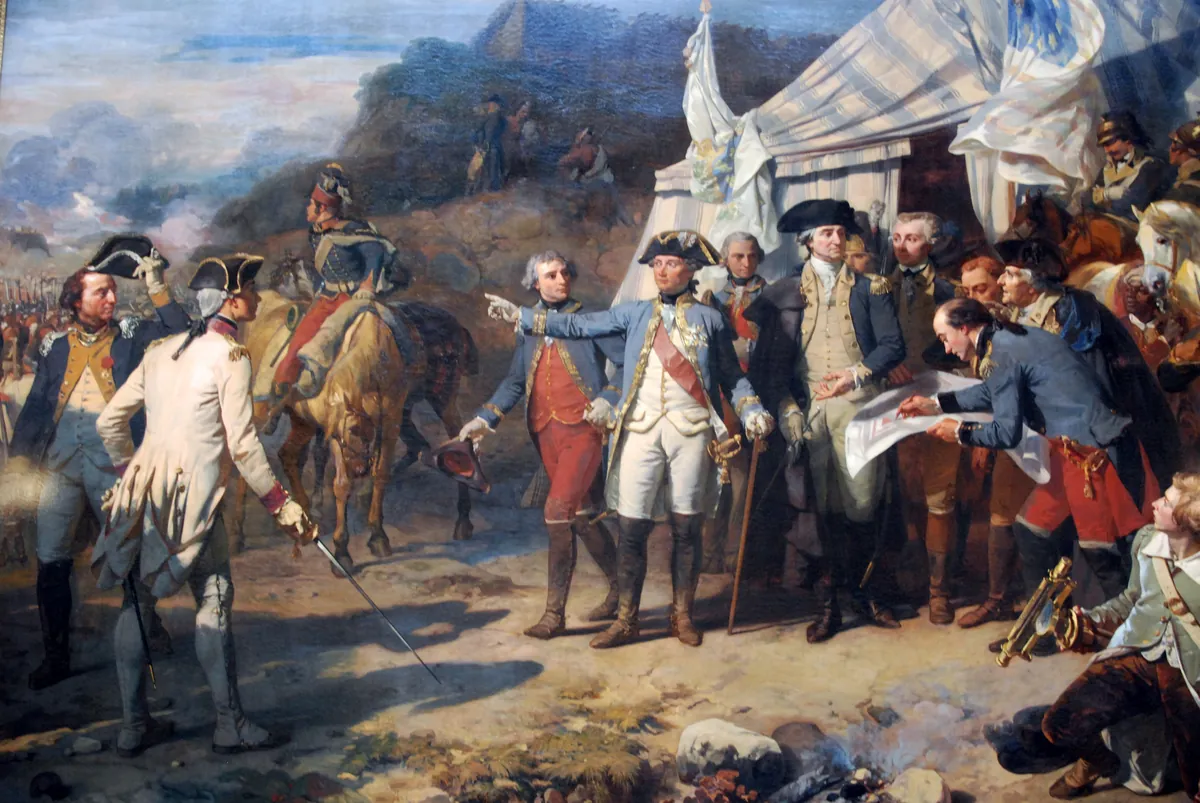
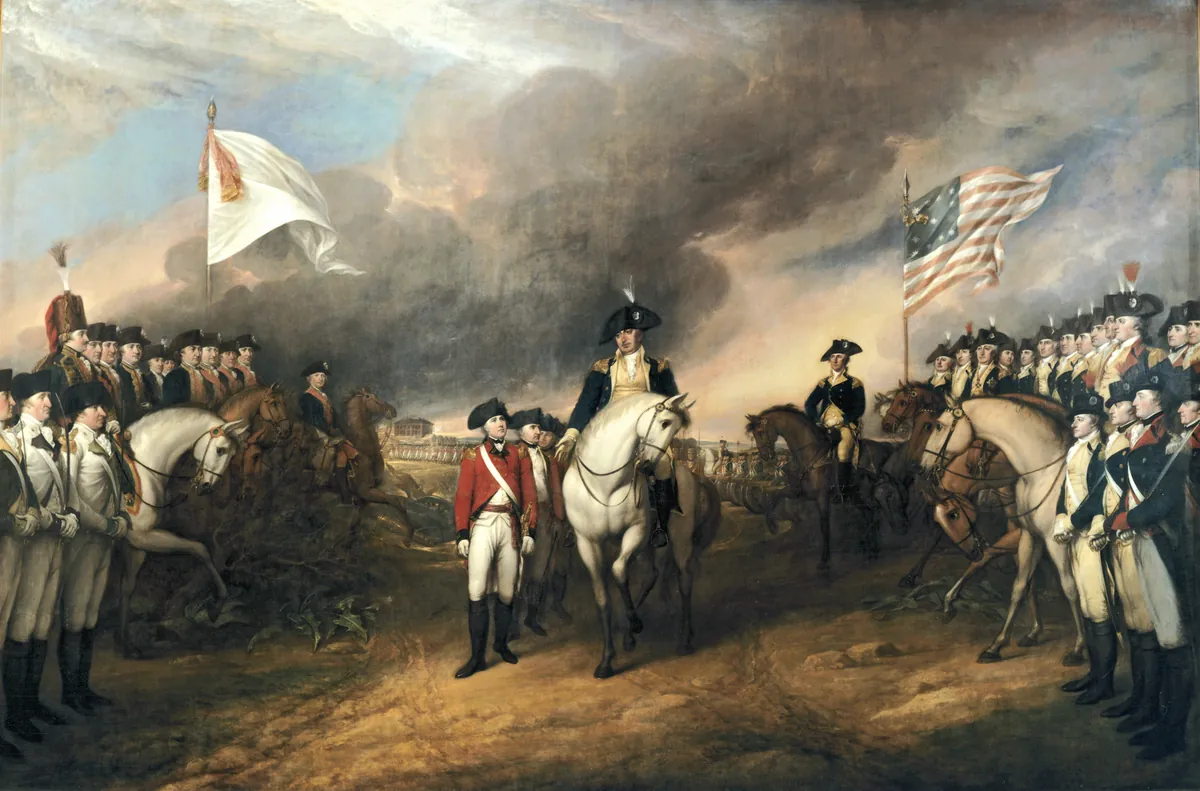
The museum pairs with Jamestown Settlement under the same foundation, which tells you something about the ambition here: the full arc from first English settlement to constitutional republic, held together as a single story. Yorktown, where that story reached a military turning point in 1781, is the right place to tell it.
Go because the outdoor farm doesn't let you off easy. Go because a broadside printed in July 1776 is not a reproduction. Go because the encampment and the enslaved workers' quarters sit on the same ground, and someone made the decision to keep them there together.
- ·Opened 2016. Comprehensive Revolutionary War museum with immersive galleries. Outdoor living-history encampments: Continental Army and a 1781 Yorktown siege site. Paired with Jamestown Settlement under the same foundation.
More archive
Memories
Editorial content compiled with AI assistance. Place details verified against public records.