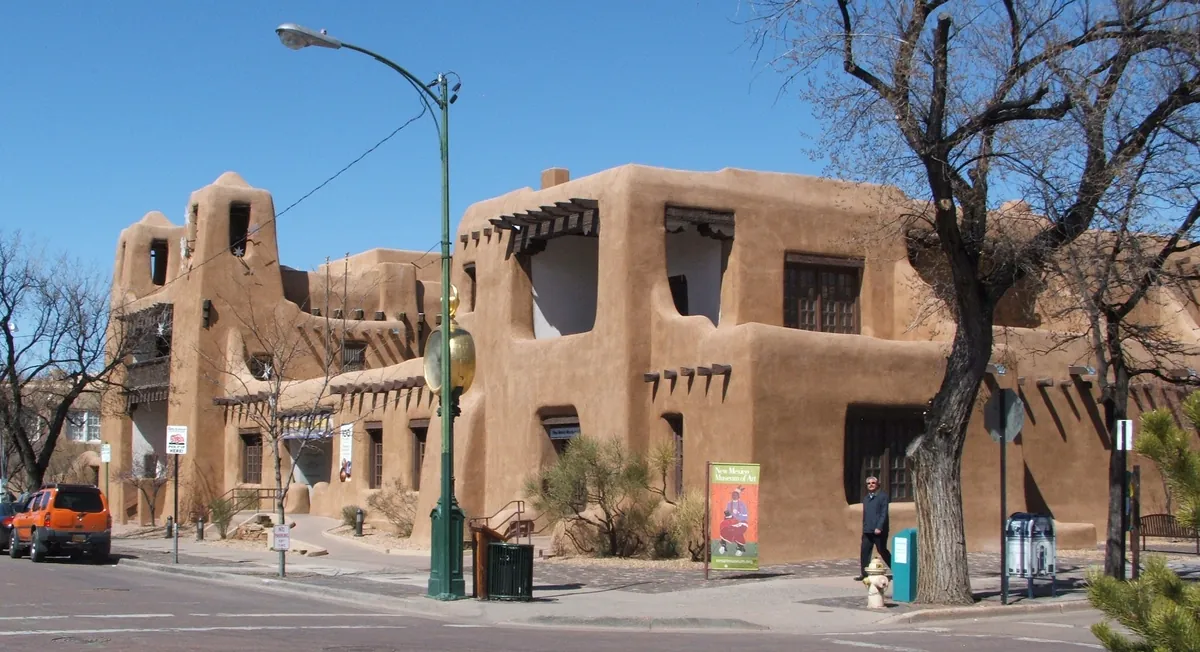
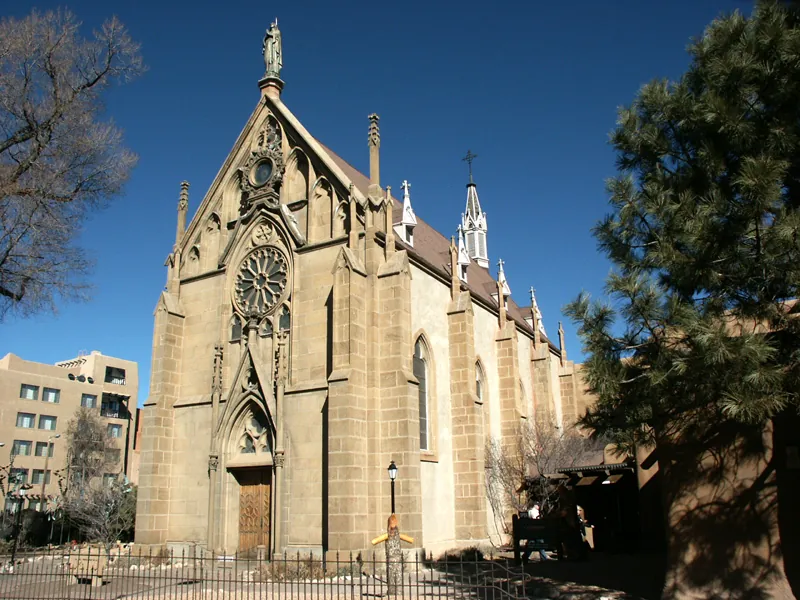
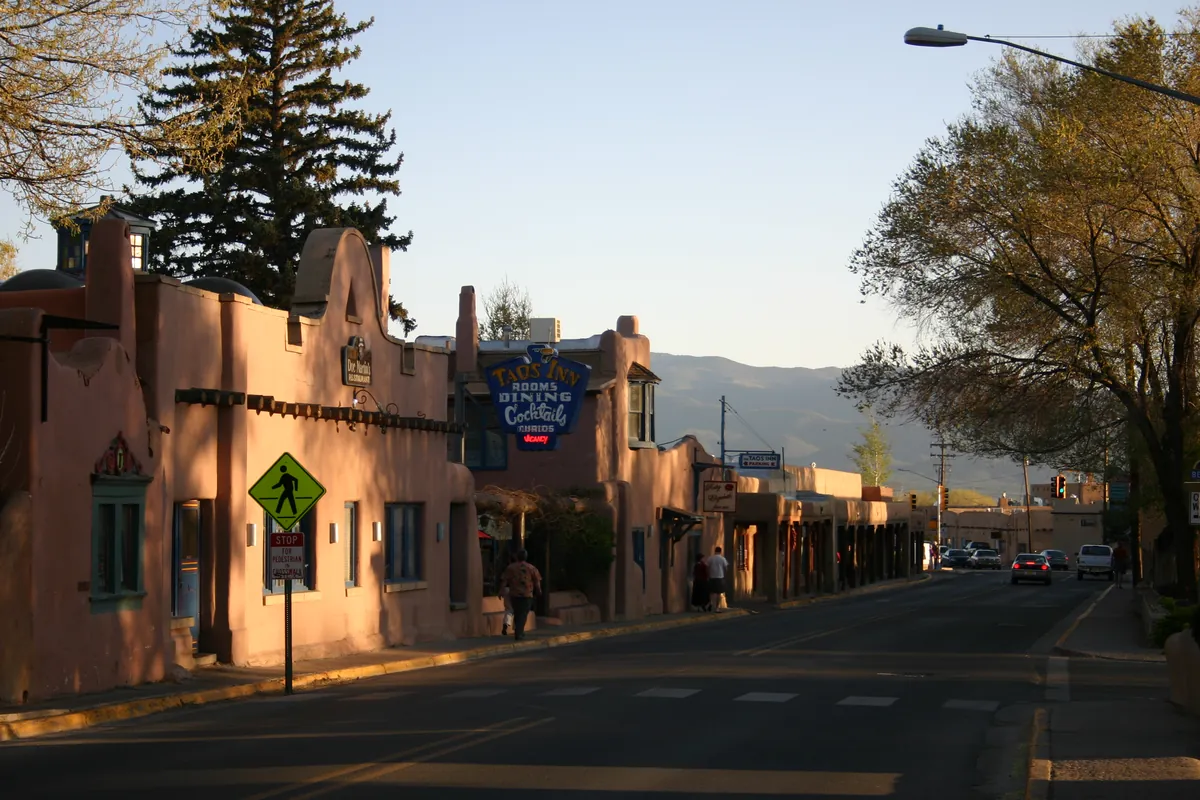
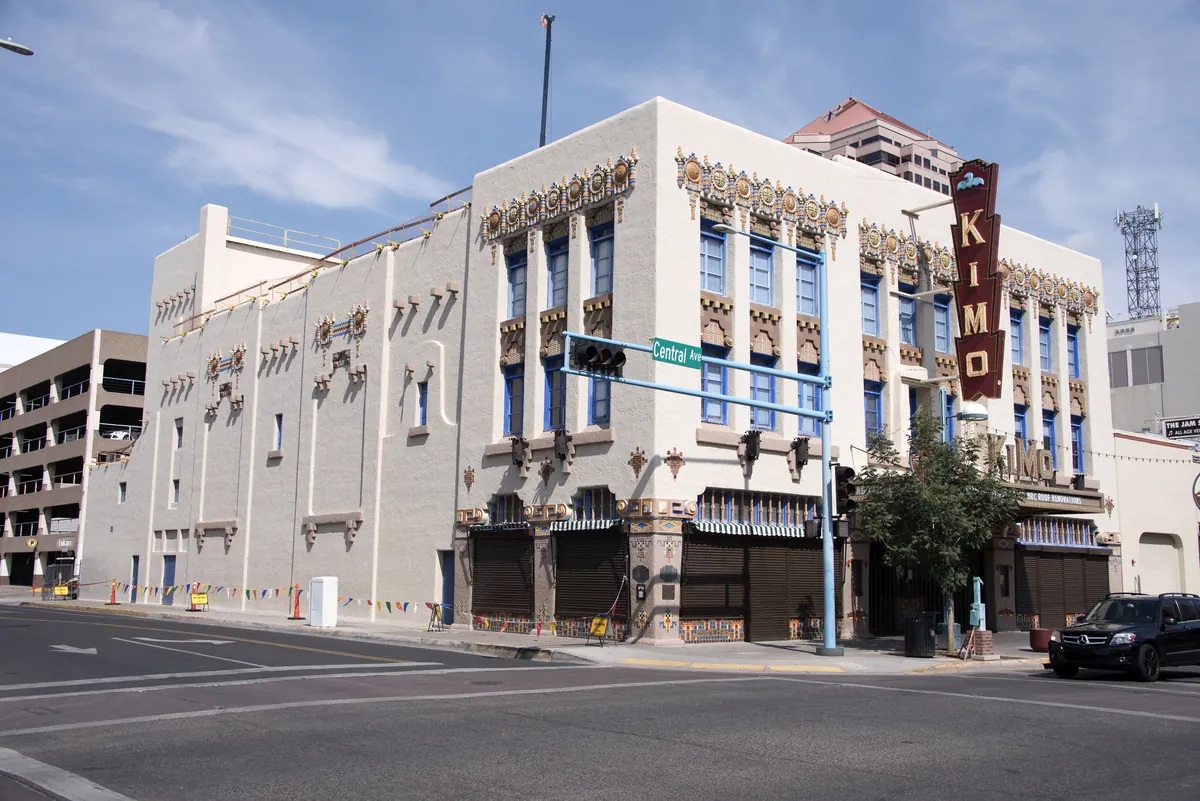
When the railroad bypassed Santa Fe in the late nineteenth century, the city faced a choice about what it was. Civic leaders chose to promote what remained: the landscape, the culture, the centuries of layered building. Artists and writers arrived. Out of that deliberate turn came the Santa Fe Style — a Pueblo Revival aesthetic drawn from local adobe construction — which became official building code after 1912. Isaac Rapp's New Mexico Museum of Art, completed in 1917, made the argument in stone and plaster: its façade pulled directly from the mission churches of Acoma, San Felipe, Cochiti, Laguna, Santa Ana, and Pecos. The style wasn't nostalgia. It was a decision about what the city would look like going forward, one that has held. The adobe cityscape travelers see today is not accident or preservation instinct — it is policy, chosen at the moment of decline and kept ever since.