Top picks in Northeast Louisiana
The places most worth your time here.
Connect your Cour circle to see which places friends and family recommend here.
Connect Cour →Landmarks
46 places worth the detour
tap the eye to open · swipe or use buttons to browse
The oldest large-scale architecture in North America is here. Three thousand five hundred years ago — fifteen centuries before the Maya built their first pyramids, two thousand years before the…
Read the full storyOn the map
Tours
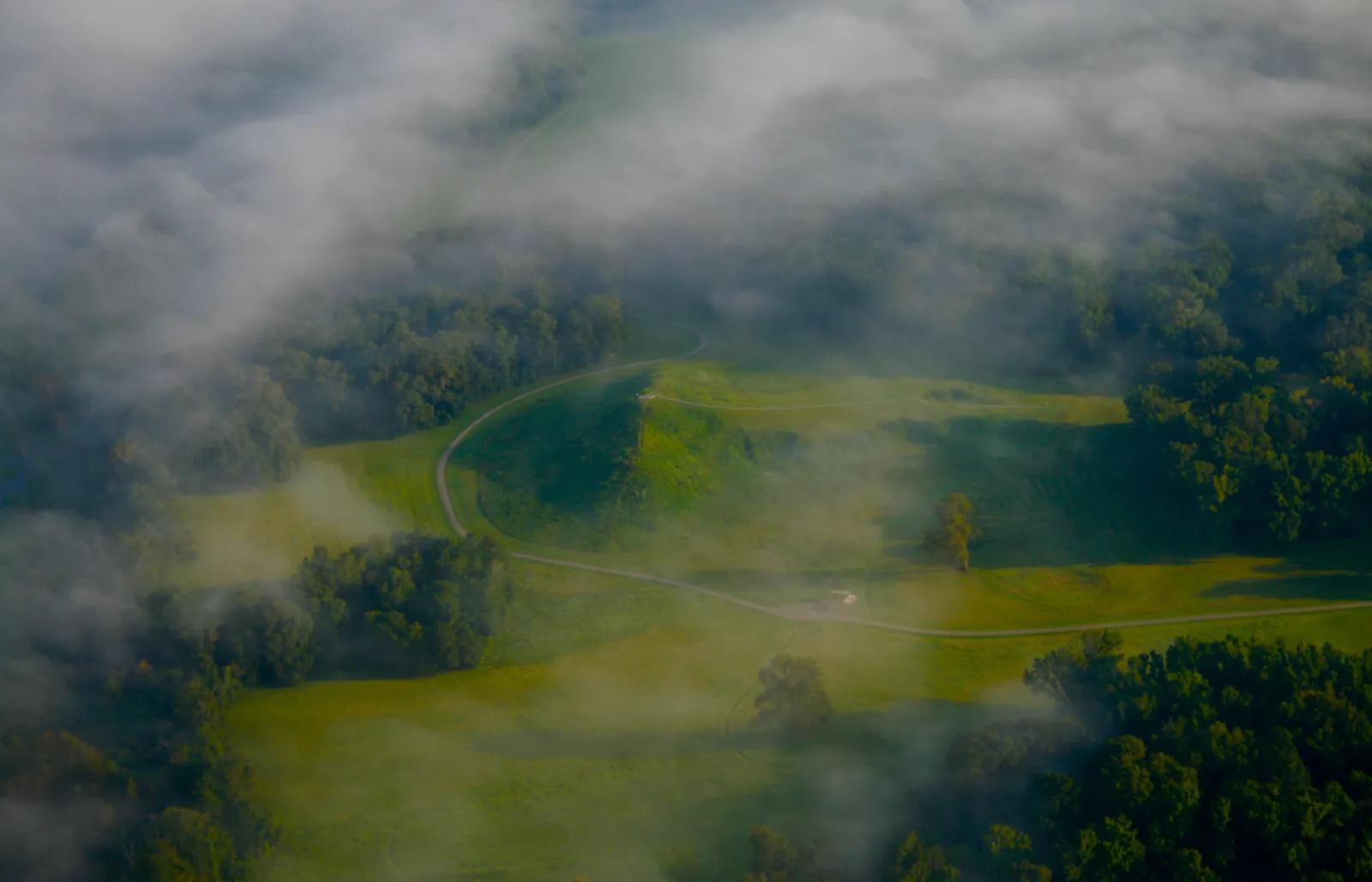
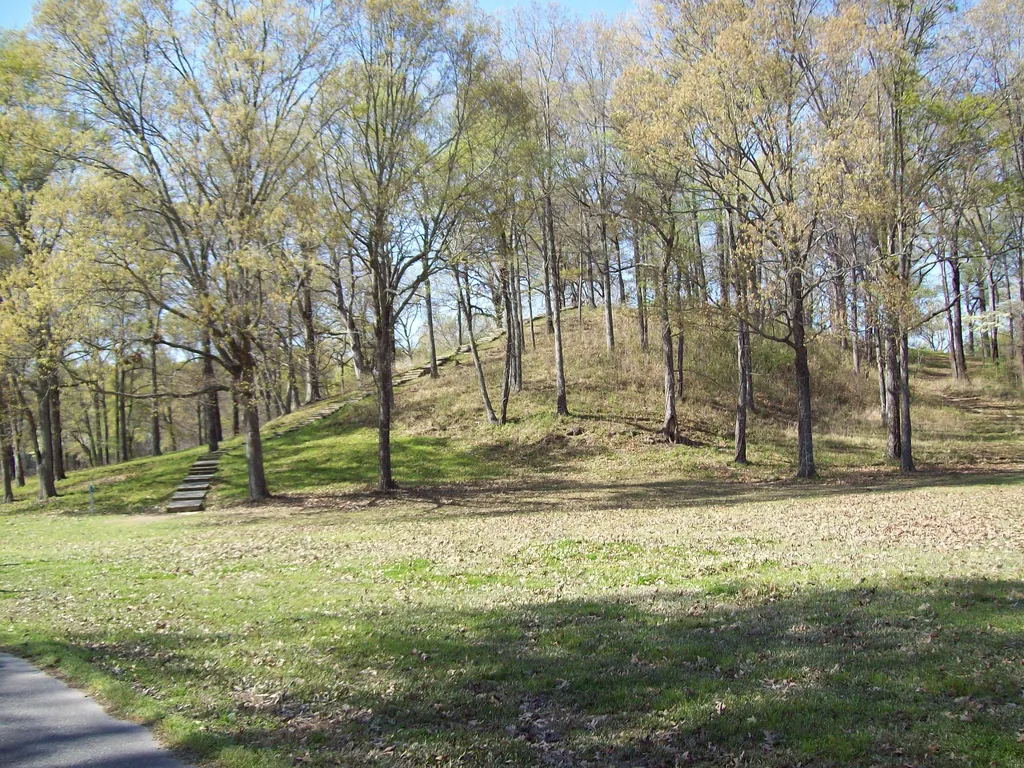
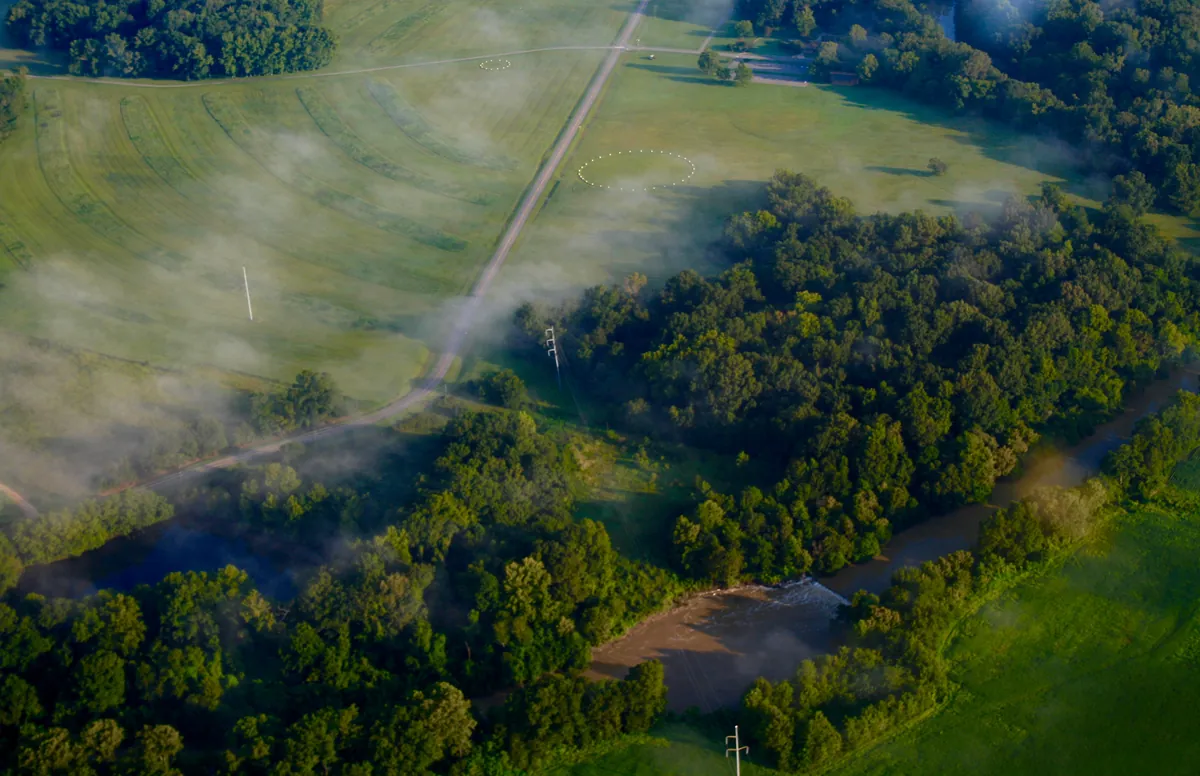
Poverty Point is the largest pre-contact earthwork complex in North America, and hunter-gatherers were not supposed to have built it. Three thousand four hundred years ago, a people whose name is lost moved 1.5 million cubic yards of soil by basket into six concentric ridges and a 72-foot bird-shaped mound, contemporary with the earliest Olmec pyramids and 2,000 years before the Maya classic. UNESCO recognized it in 2014. The day starts in Monroe, where Joseph Biedenharn moved his Coca-Cola bottling operation in 1907; his investment helped C.E. Woolman found what became Delta Air Lines in 1924, then runs north past Black Bayou Lake to the ridges. Industrial Monroe is 120 years old. The mounds are 3,400.
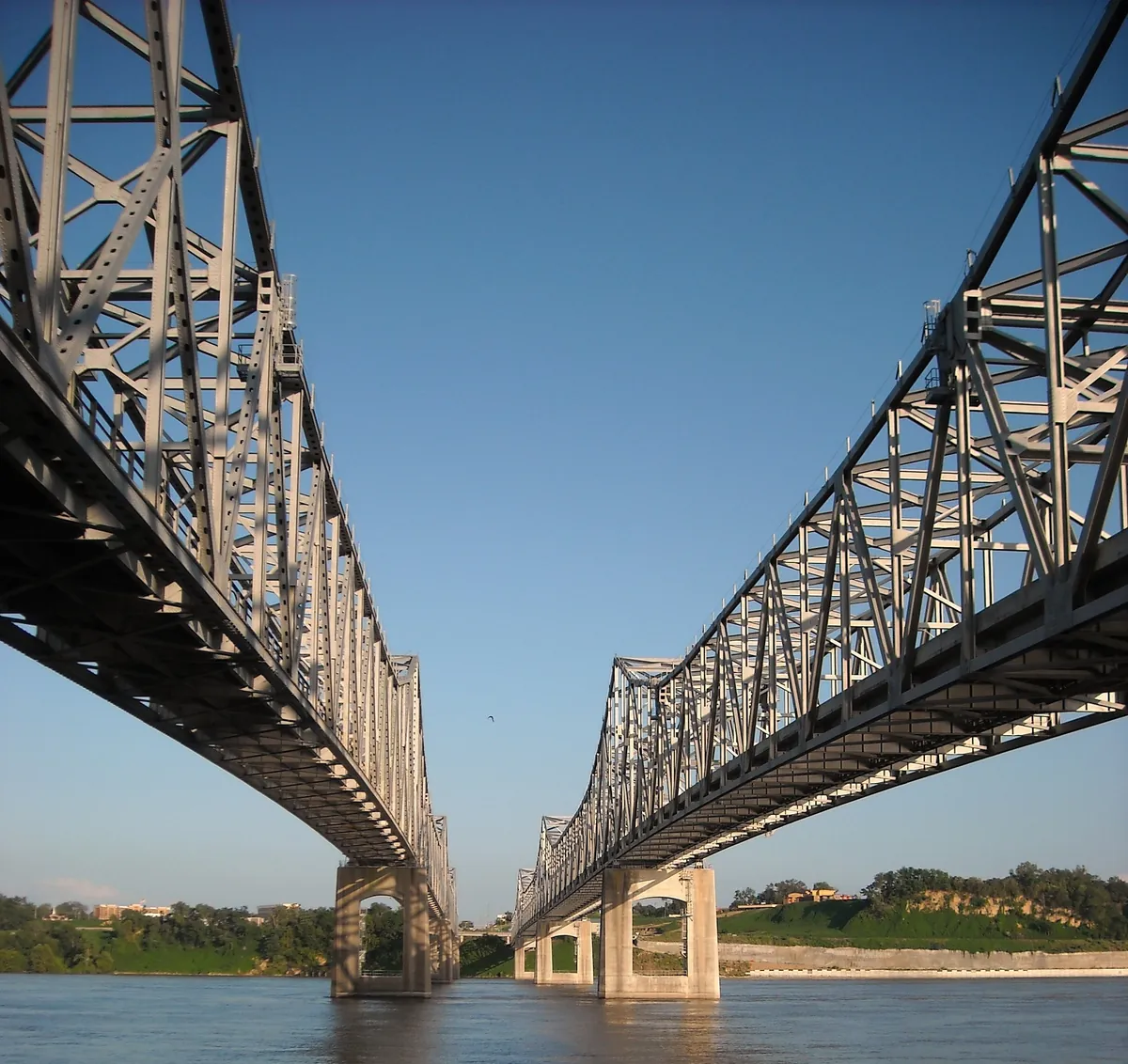
The Delta on the Louisiana side was the richest cotton ground in the state and the most brutal — Tensas, Madison, and East Carroll parishes ran on enslaved labor at a scale that rivaled the sugar country. Frogmore's working gins still process the crop the parish was built on. Winter Quarters is the only plantation house Grant's troops left standing on the march to Vicksburg in 1863. The Tensas River bottomlands — 71,000 acres — hold the last strong population of Louisiana black bears, the subspecies that named the teddy bear. The cotton, the war, and the bears are all still here.
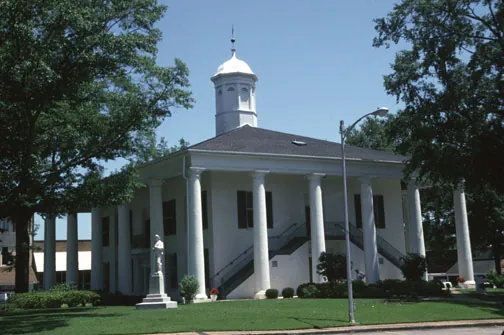
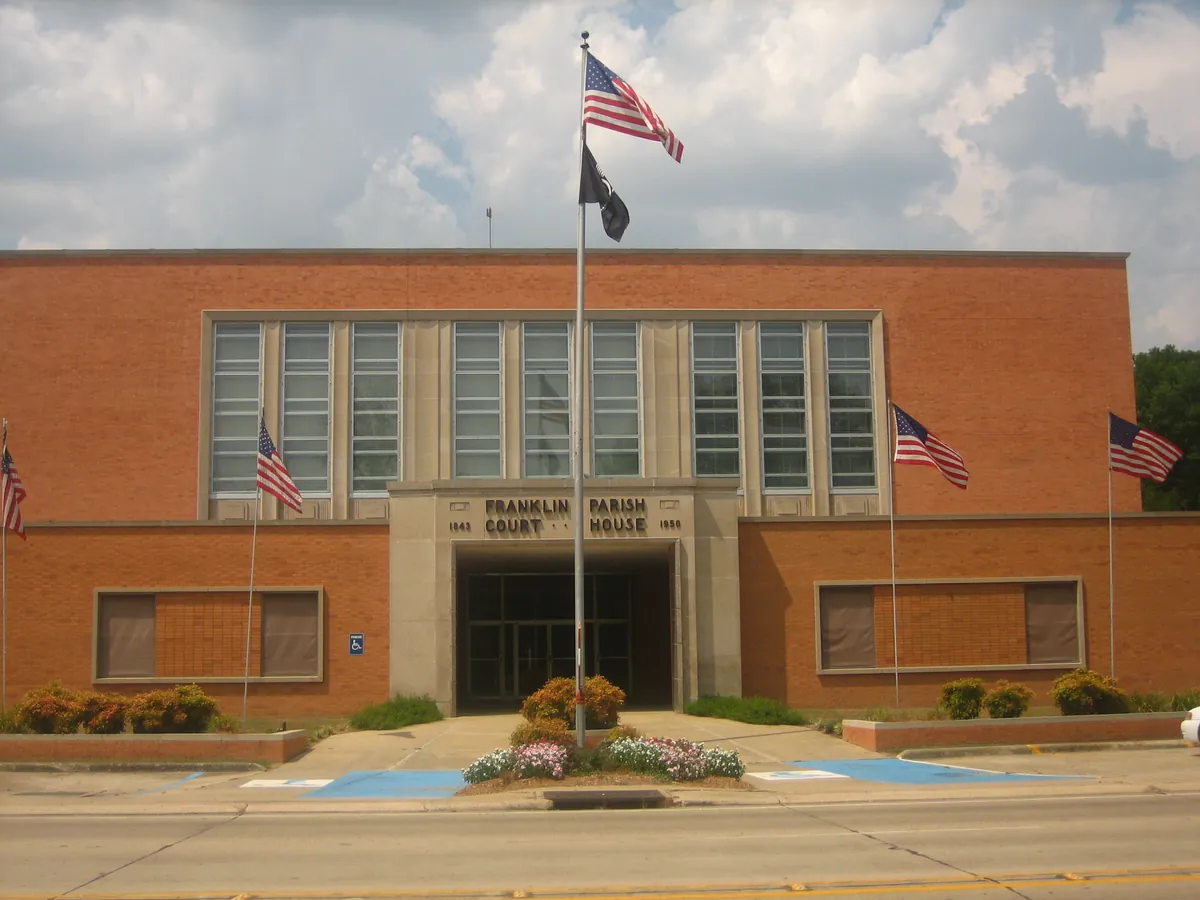
The parish-seat courthouse is how rural Louisiana told itself it was a place. Columbia laid out its square in the 1830s when the parish bench was barely a generation old. Homer's 1860 Greek Revival courthouse is one of five antebellum survivors in the state — recording deeds since before the Civil War. Ruston was platted on a railroad grid in 1884; the courthouse came with it. Bastrop's 1914 courthouse anchors a downtown built on lumber and paper-mill money. Winnsboro's Romanesque pile closes the loop. Each square is a claim that the parish meant something.
Reading
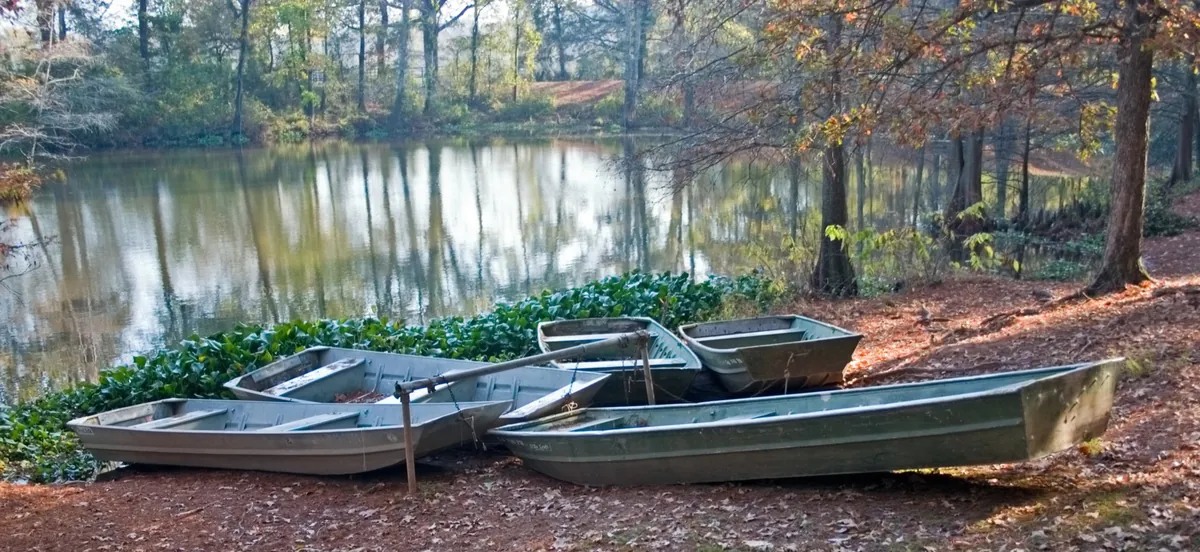
Northeast Louisiana does not do water the way the rest of the state does. The cypress swamps, the silty bayous, the dark delta lakes — that is Louisiana's standard offering. Up here, the piney uplands drain differently. Lake Claiborne runs clear enough that you can see your feet, which is why it has one of the few genuine sand swimming beaches in the state park system. Caney Lake, on a 294-acre peninsula near Chatham, has produced some of the largest bass ever caught in Louisiana, and a governor who wrote "You Are My Sunshine" and lived to 101 has his name on the sign. Farther south, the Poverty Point Reservoir — completed in 2002, facilities still catching up — sits in the Mississippi Flyway, where cormorants, bald eagles, and pelicans work the same air corridors they always have. The reservoir is engineered. The logic behind it is 3,500 years old.
In the early 1900s, the pine forests of Morehouse Parish turned into money, and Bastrop spent it in brick. Lumber and paper mills gave the town its shape, and the ornate commercial storefronts that still line the downtown blocks are what certainty looks like when it gets pressed into masonry — buildings put up by people who believed the boom would last. At the center, the 1914 Morehouse Parish Courthouse anchors the square. A few blocks off, a Russian immigrant named Charles Snyder built his family home in 1929; the Morehouse Historical Society converted it to a museum in 1972, and it now holds the parish's paper trail — genealogy records, photographs, working farm implements in the Carriage House out back. What the mills built, the archive preserves. The brick is still standing. The records are still open.
Louisiana's 1898 constitution stripped Black voters from the rolls two years before the North Louisiana Colored Agriculture Relief Association broke ground on what would become Grambling State University. That sequence is the whole story. People built a 375-acre university, a World-Famed Tiger Marching Band that played two presidential inaugurations, and a football program where Eddie Robinson won 408 games over 57 years and sent more than 200 players to the NFL — all of it constructed inside a state architecture designed to prevent exactly that kind of permanence. The NE Louisiana Delta African American Heritage Museum, chartered in 1994, holds the artifact record of the century in between: Don Cincone's expressionist collection, civil rights exhibits, the work of regional artists Daryl Triplet and Bernard Menyweather. Three sites, one argument. The law said no. They built anyway.
The Ouachita River has been organizing human life for longer than most of the world's monuments have existed. Hunter-gatherers built Watson Brake — eleven mounds in a 900-foot oval, the oldest such complex in North America — over five centuries in the river's floodplain, returning again and again without permanent settlement to anchor them. That was 5,400 years ago; a 1997 redating rewrote what archaeologists thought they understood about mound-building on the continent. The Spanish arrived in 1785, establishing Fort Miró on the river bluff at what is now Monroe. The Louisiana Purchase brought it into the United States in 1803, and the town was renamed Monroe in 1819. What grew here afterward — the cotton economy, the refuge that now holds the last Louisiana black bear population, the Masur family's donated home turned free art museum — all of it sits in the same floodplain the river has been shaping for millennia.
Thirty-four centuries ago, hunter-gatherers in what is now West Carroll Parish moved 750,000 cubic yards of earth — by hand, in woven baskets — to build six concentric ridges and a 72-foot mound. No one knows exactly why. Poverty Point predates the Pyramids of Giza and is the largest pre-Columbian earthwork complex in North America. UNESCO granted it World Heritage status in 2014. The site challenges every assumption about what pre-agricultural societies could achieve. From the observation tower, the scale is staggering: the outer ridge measures three-quarters of a mile across.
The Louisiana black bear — the subspecies that inspired Teddy Roosevelt's 'teddy bear' after a 1902 hunting trip in the delta — was listed as threatened in 1992 when fewer than 150 remained. The Tensas River National Wildlife Refuge protects 71,000 acres of bottomland hardwood forest that is the bear's primary habitat. Conservation efforts, habitat corridors, and strict protections worked: the population rebounded past 700, and the bear was delisted in 2016. The refuge remains the best place to see these animals in the wild, especially along the auto tour route at dawn.
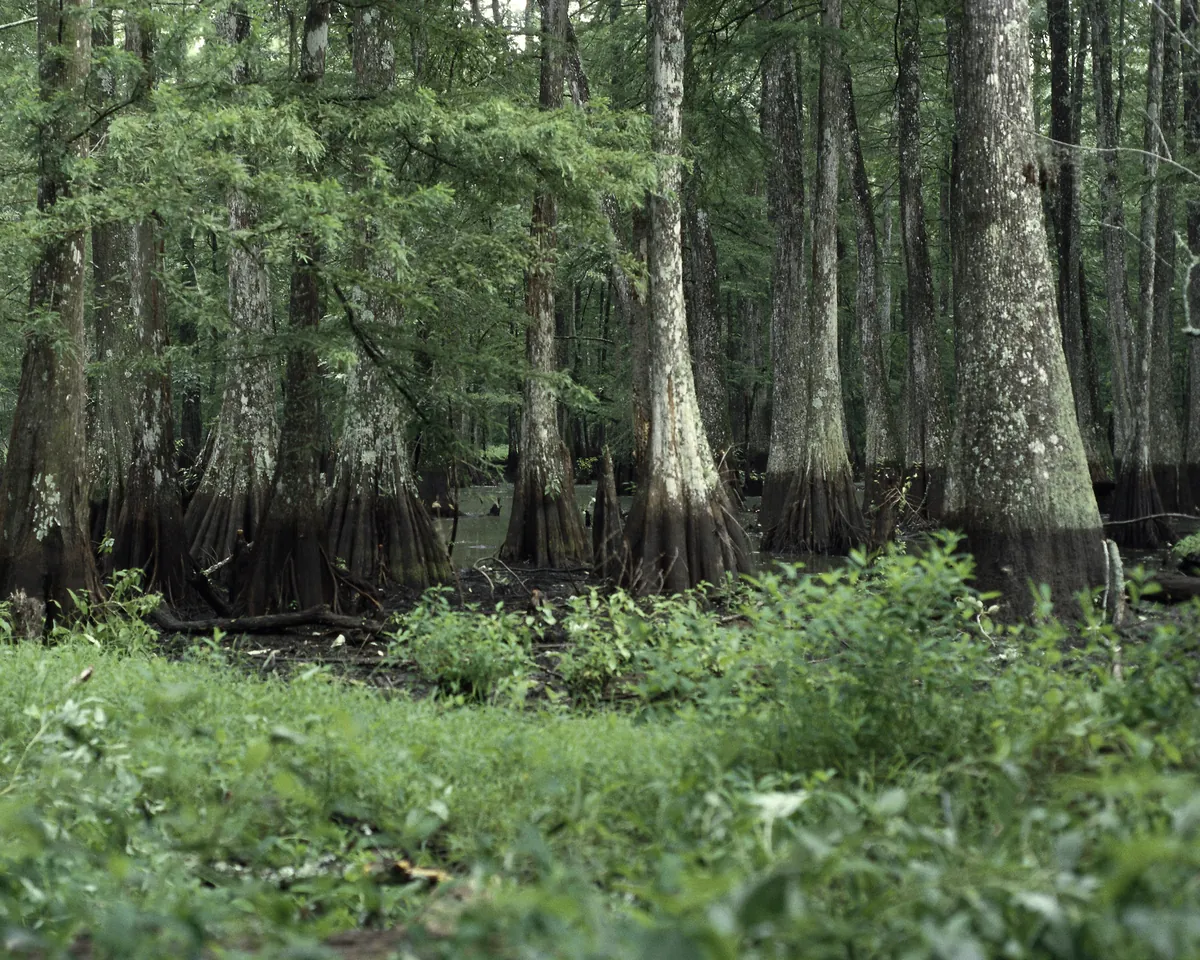
Claire Lee Chennault grew up in northeast Louisiana and taught school before becoming an Army Air Corps pursuit pilot. Forced into retirement due to hearing loss, he went to China in 1937 to advise Chiang Kai-shek's air force. By 1941, Chennault had recruited American volunteer pilots — the Flying Tigers — who flew shark-mouthed P-40 Warhawks against the Japanese. In six months they destroyed nearly 300 enemy aircraft while losing only 14 pilots in combat. Chennault became a national hero. The museum at Selman Field, where Army Air Forces navigators trained during the war, preserves his story in the city that shaped him.
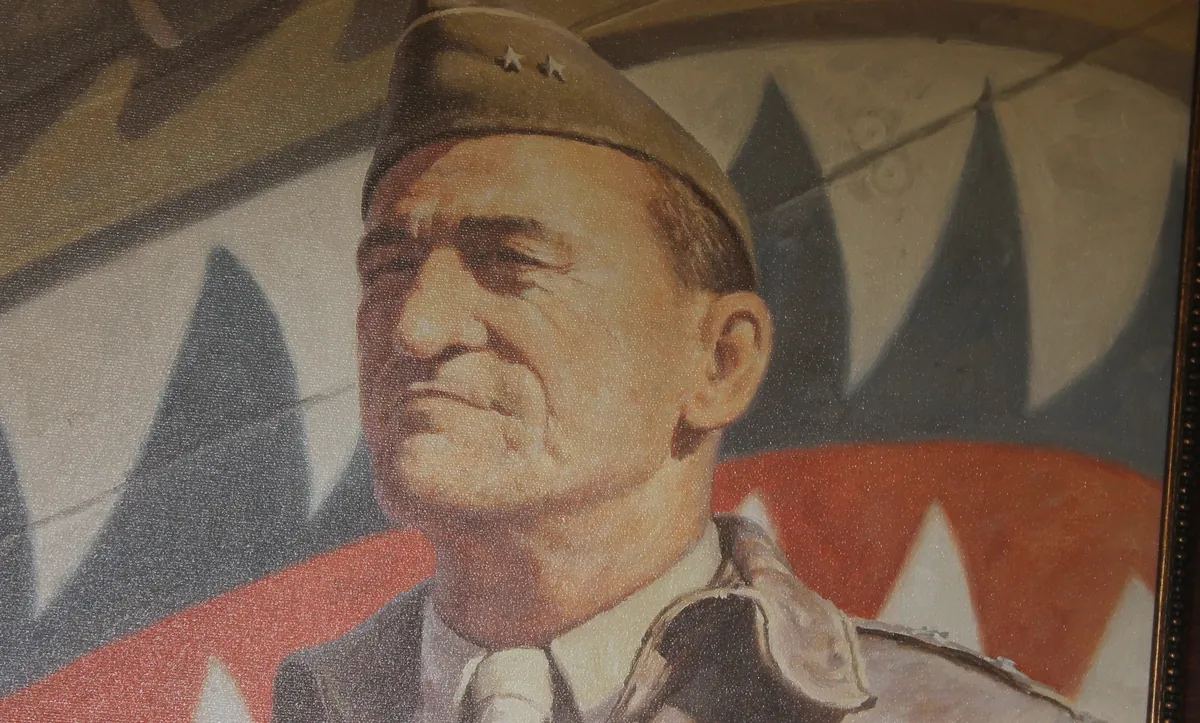
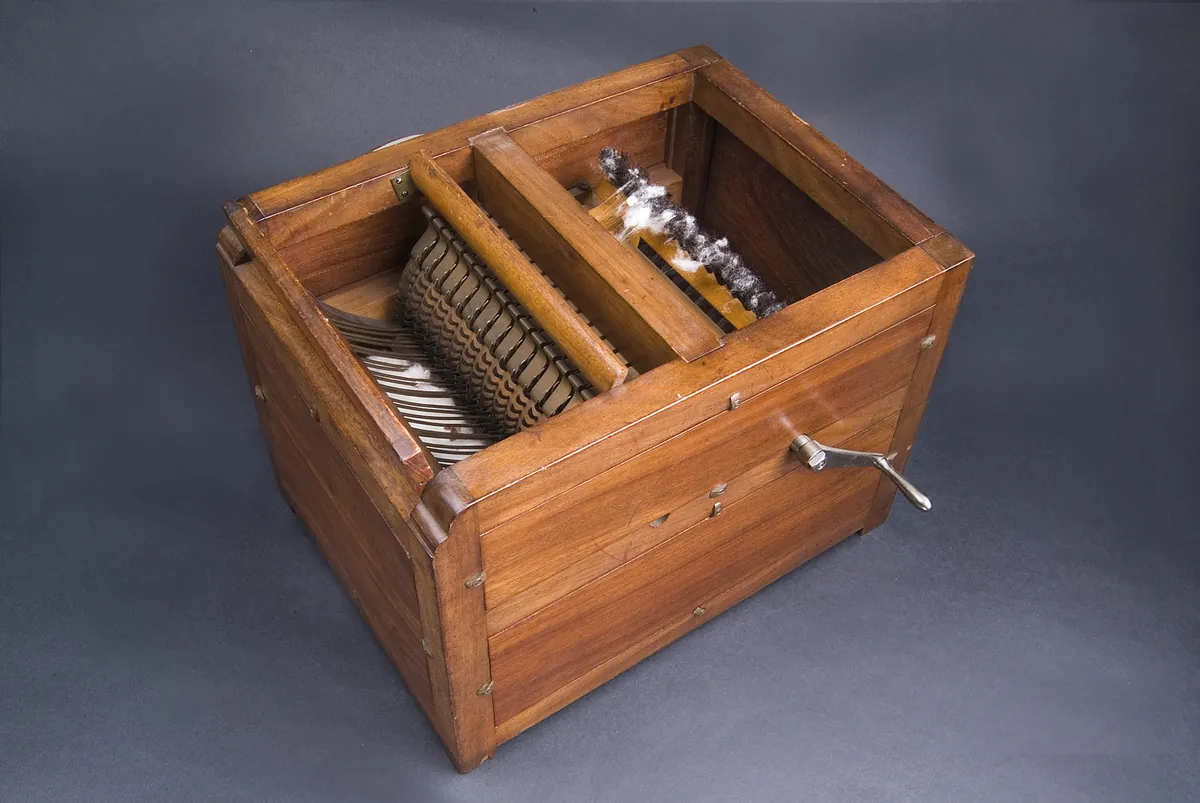
Northeast Louisiana's delta parishes were cotton country from the 1820s through the mid-twentieth century. Enslaved people cleared the bottomland forests, built the levees, and picked the cotton that made plantation owners rich. After emancipation, sharecropping kept many Black families tied to the same land under different terms. Mechanization finally broke the cycle in the 1950s and 1960s, depopulating the parishes. At Frogmore Cotton Plantation in Concordia Parish, an 1800s steam gin and a modern computer-controlled gin operate side by side — the entire arc of cotton's labor story in one place.
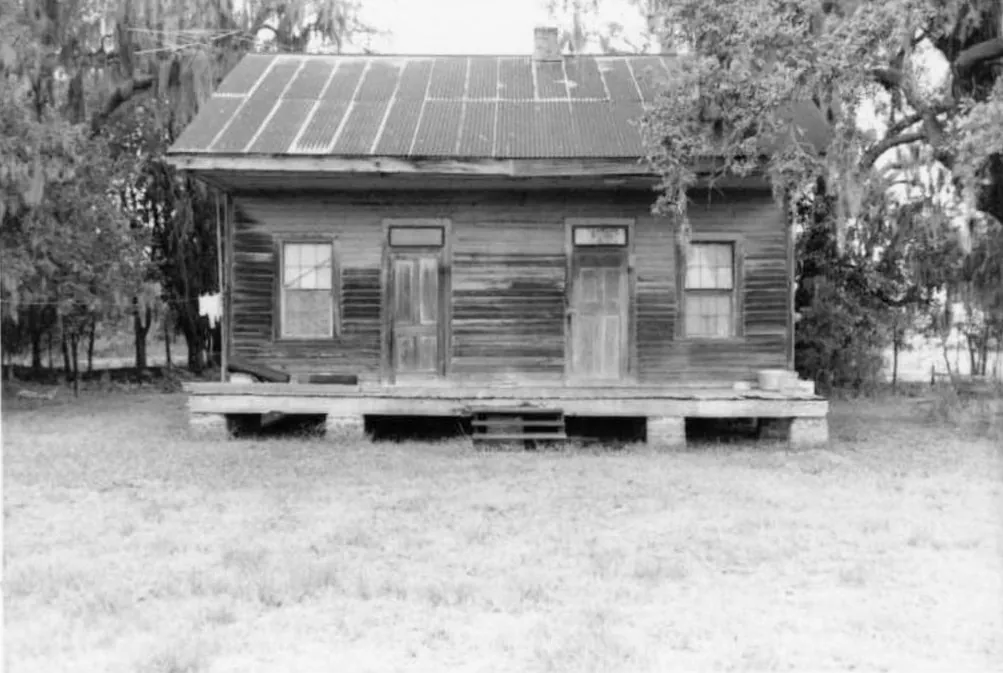
Before Ulysses S. Grant could take Vicksburg, he had to get his army past it. During the winter of 1862–63, Union troops camped in the swamps of Tensas and Madison parishes, digging canals, building bridges, and dying of disease while Grant tried every conceivable approach to the Confederate fortress. Winter Quarters — the only surviving plantation home on Grant's march route — served as a Union hospital. The bullet holes are still in the walls. Understanding the Vicksburg Campaign requires standing on the Louisiana side and appreciating the sheer misery of the approach.
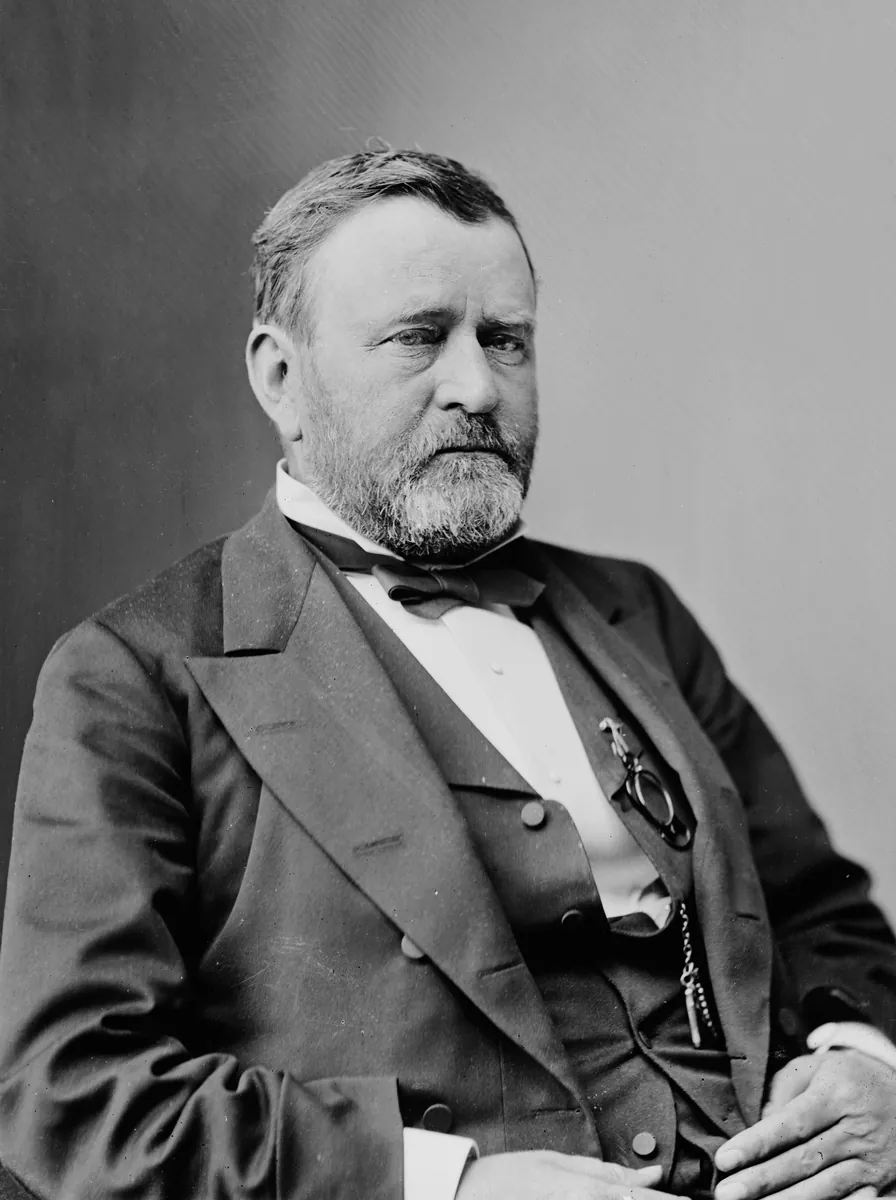
In 1894, Monroe candy store owner Joseph Biedenharn noticed customers loved Coca-Cola at the soda fountain but couldn't take it with them. He used a small bottling machine in the back of his shop to put the drink in Hutchinson-style bottles and shipped a case to Coca-Cola's Asa Candler in Atlanta. Candler thanked him but showed little interest. Three years later, the company began its own bottling operation. Biedenharn never received a national franchise, but Monroe can claim — with documentation — that bottled Coca-Cola started here. The original equipment is on display at the Biedenharn Museum.
Happening this month
Tickets & Shows
Before you go
Also in this region
Northeast Louisiana is one of several areas in North Louisiana.
Plan your trip
The only thing left to do is go.
Some of these are partner links — if you book through them, Portage may earn a commission at no extra cost to you.
Plan your visit
Editorial content compiled with AI assistance. Place details verified against public records.