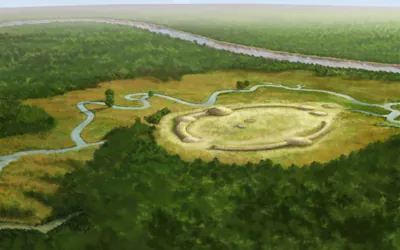
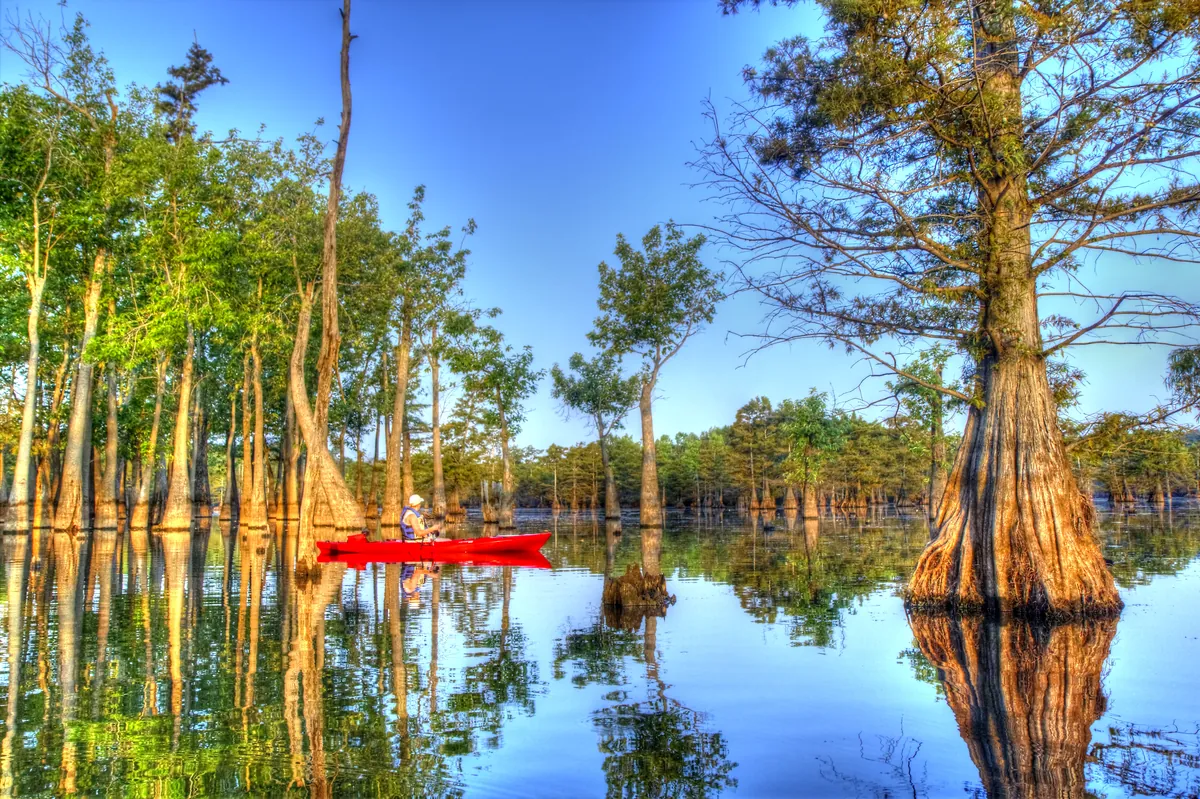
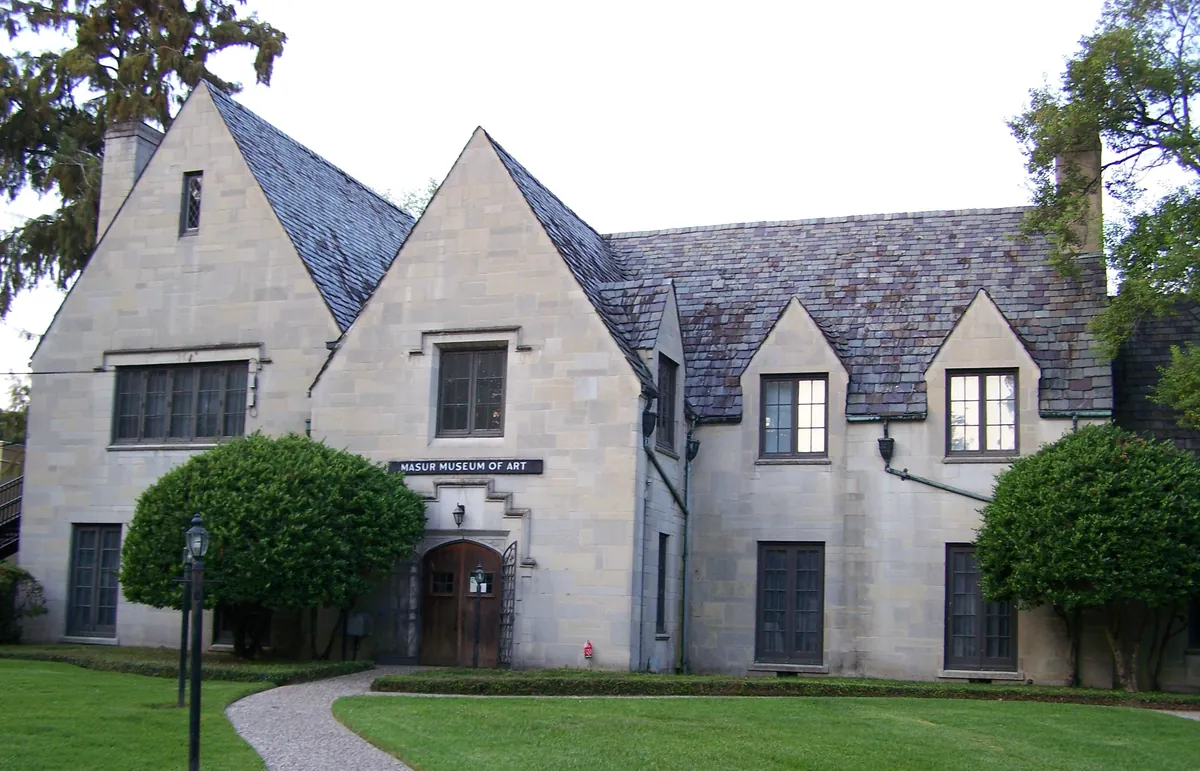
The Ouachita River has been organizing human life for longer than most of the world's monuments have existed. Hunter-gatherers built Watson Brake — eleven mounds in a 900-foot oval, the oldest such complex in North America — over five centuries in the river's floodplain, returning again and again without permanent settlement to anchor them. That was 5,400 years ago; a 1997 redating rewrote what archaeologists thought they understood about mound-building on the continent. The Spanish arrived in 1785, establishing Fort Miró on the river bluff at what is now Monroe. The Louisiana Purchase brought it into the United States in 1803, and the town was renamed Monroe in 1819. What grew here afterward — the cotton economy, the refuge that now holds the last Louisiana black bear population, the Masur family's donated home turned free art museum — all of it sits in the same floodplain the river has been shaping for millennia.