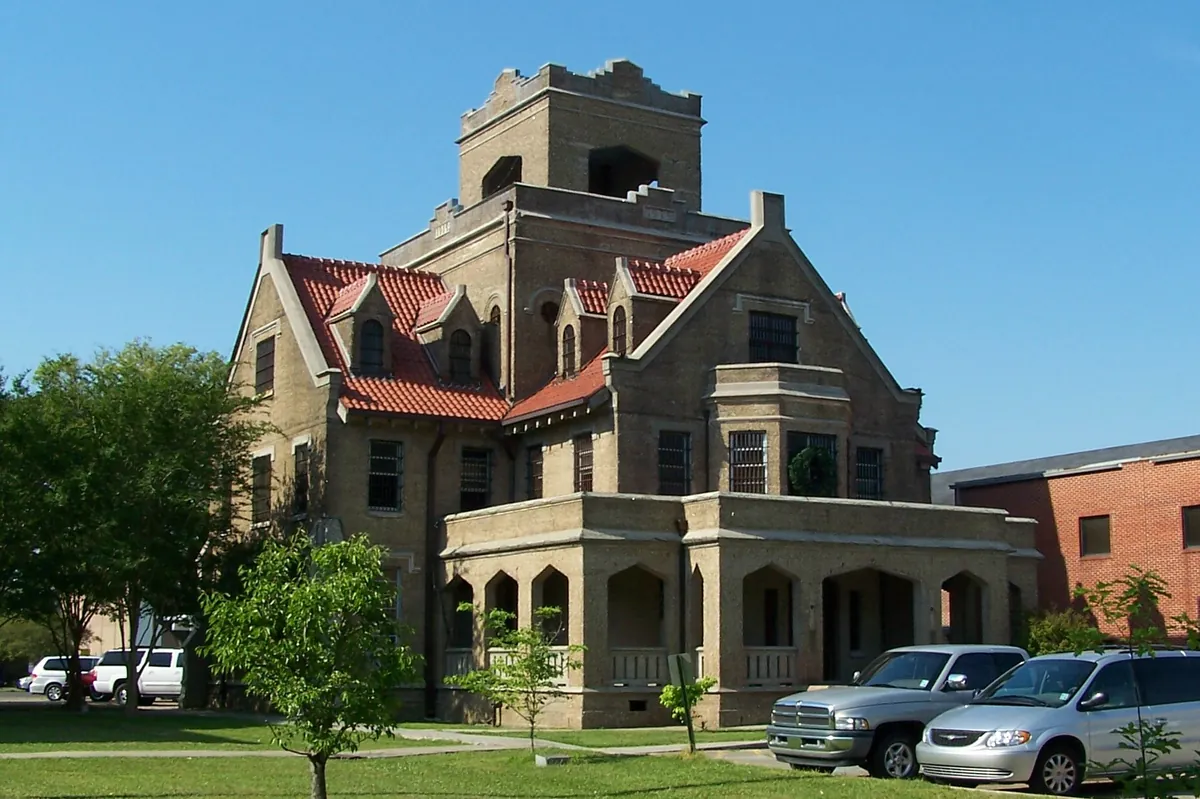
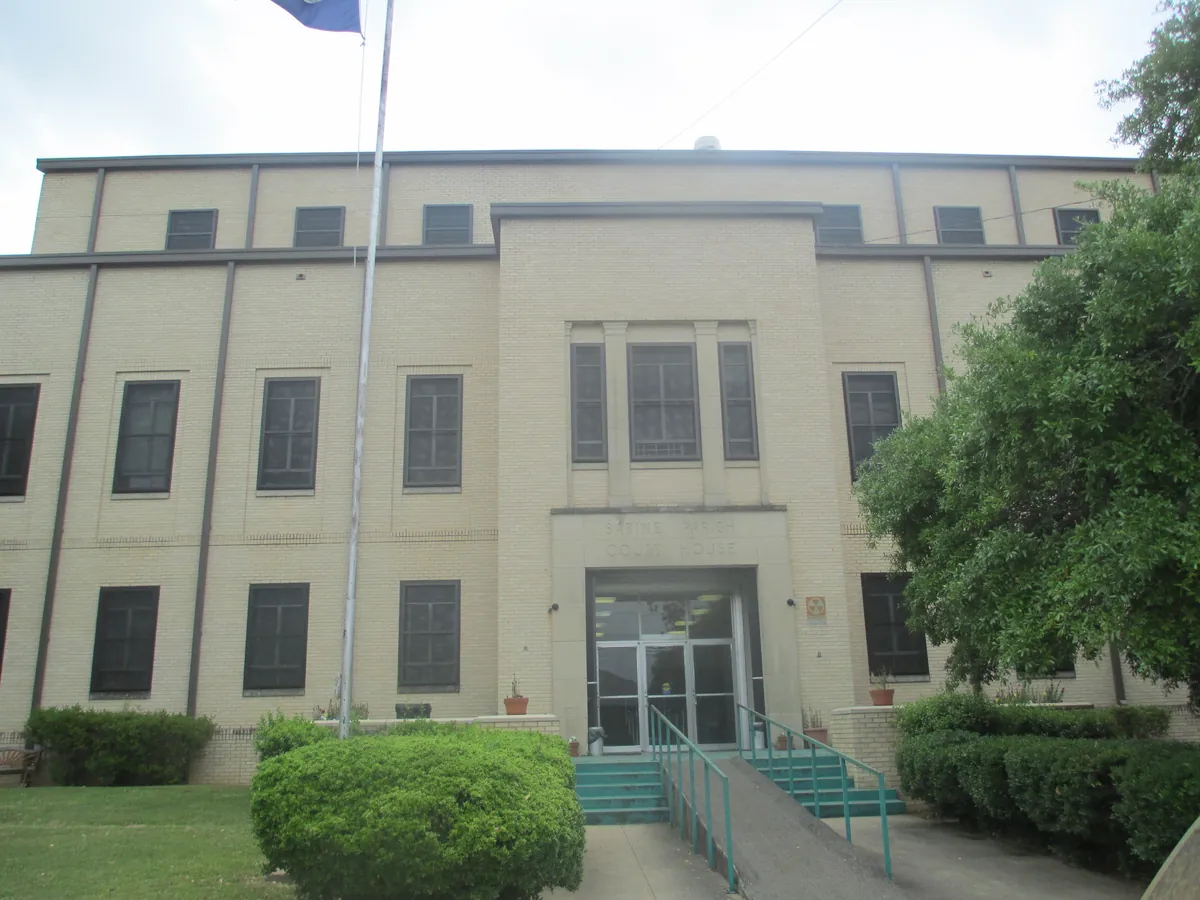
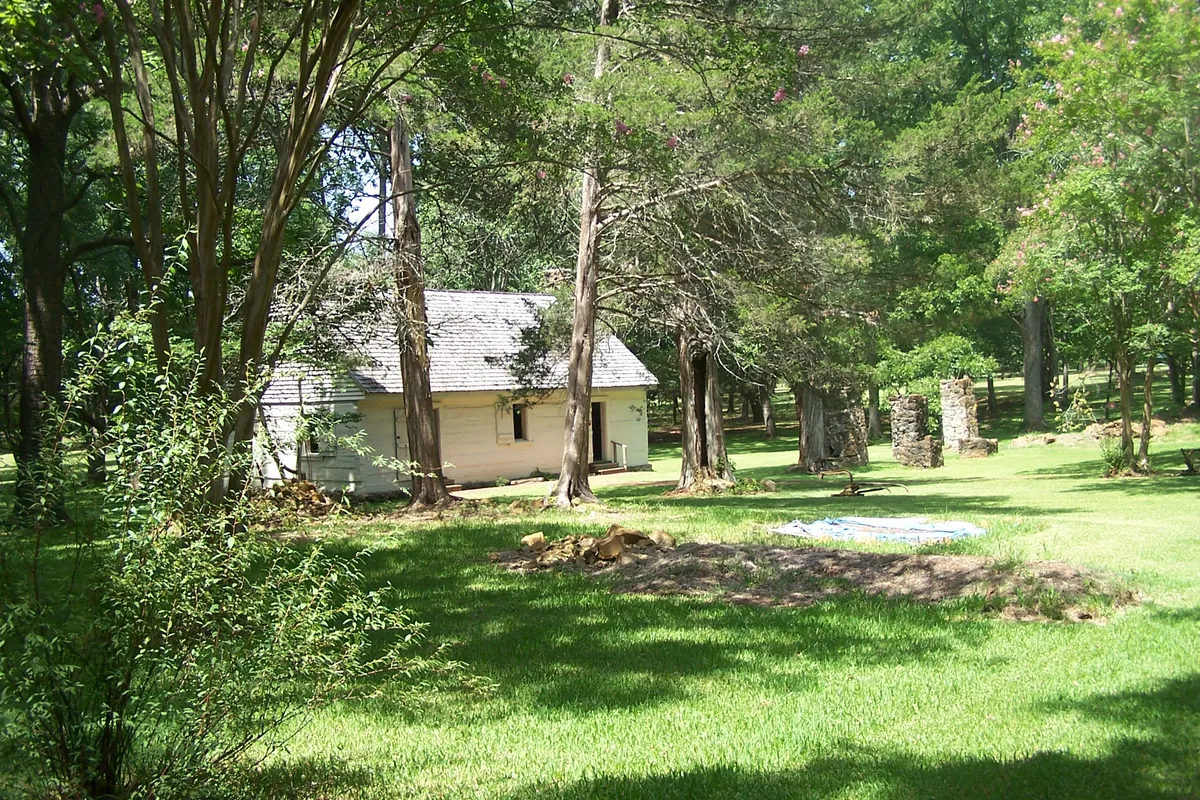
When the Adams-Onís Treaty ended the Neutral Strip's lawlessness in 1819, the United States had to build governance from nothing on ground that had belonged to no one. Colonel Zachary Taylor arrived in 1822 to establish Fort Jesup on the Sabine River frontier — and the officers who served under him, Jefferson Davis and Robert E. Lee among them, were learning the same lesson: order requires a physical presence. When Texas fell into American hands, the Army evacuated in 1846 and that presence moved west. What remained was a string of parishes still working out what civic life looked like. The 1912 Sabine Parish Courthouse in Many — copper dome, pressed-tin ceilings, Classical Revival brick — and the Gothic Jail completed in DeRidder in 1914 are the built answer: institutions raised on former no-man's-land, serious enough in their architecture to insist they intended to stay.