In 1778, the Spanish Crown began shipping families from the Canary Islands to Louisiana — not as colonists seeking fortune but as settlers ordered to populate and defend the lower Mississippi. Over five years, roughly 2,000 Isleños arrived and were settled along Bayou Terre-aux-Bœufs in what became St. Bernard Parish. They brought with them a fishing and trapping culture, a dialect of Spanish, and a form of oral poetry called décimas — ten-line verses sung at gatherings that preserved family history and community news in a place where most people couldn't read.
For over two centuries, the Isleños maintained their language and traditions in remarkable isolation. They fished, trapped muskrat, and raised cattle in the marshes downriver from New Orleans. The Spanish they spoke diverged from peninsular Spanish and became its own thing — a creole of Canarian dialect, Louisiana French, and English that linguists recorded before it largely disappeared in the late 20th century.
St. Bernard Parish was also home to Saint Malo, one of the earliest Filipino settlements in North America. Manila Men — sailors who jumped ship from Spanish galleons — built a fishing village in the marshes by the 1760s, decades before American independence. The two communities coexisted in the wetlands for generations.
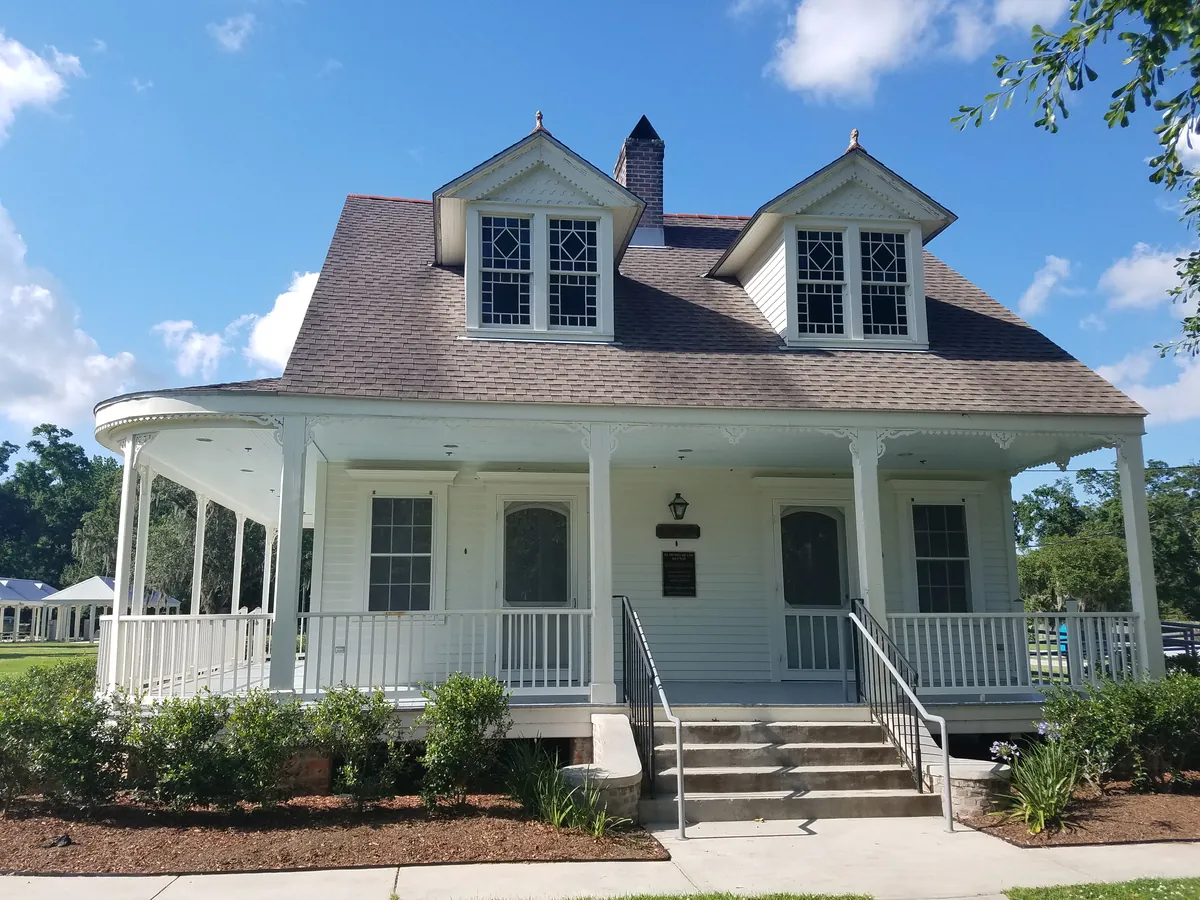
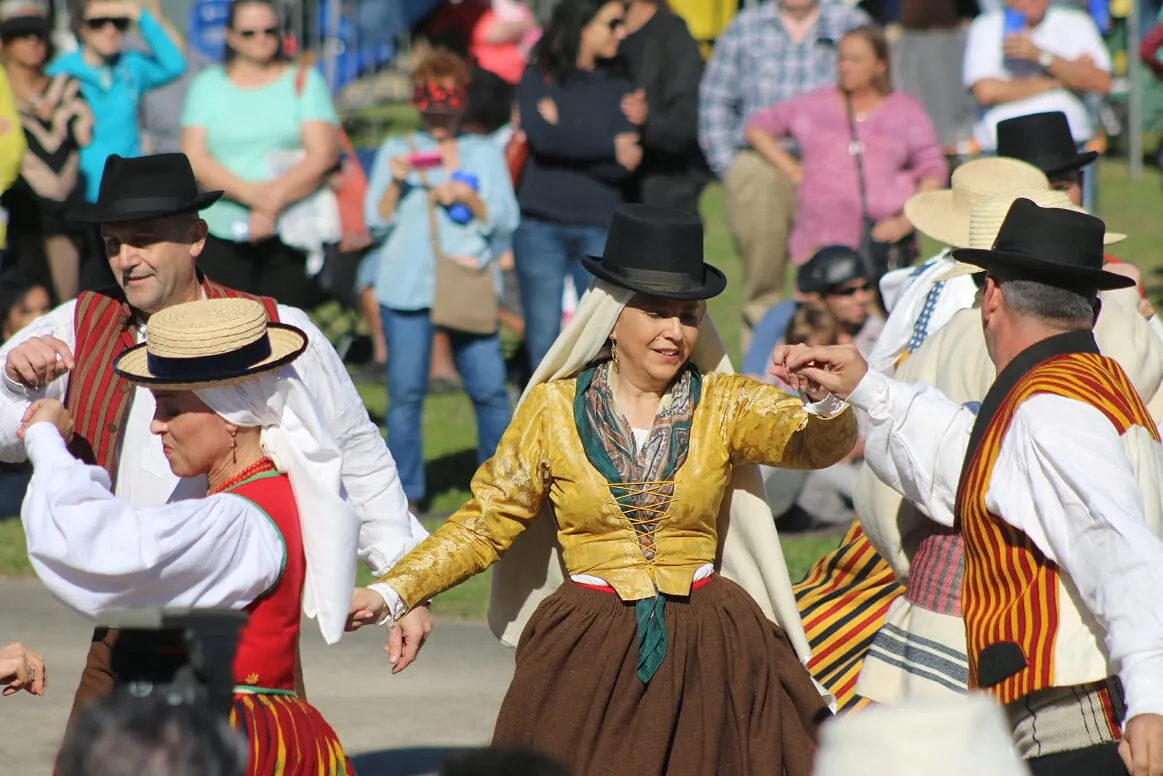
Hurricane Katrina in 2005 devastated the Isleño homeland. The museum complex survived and continues to preserve the material culture, décimas recordings, and genealogical records of a community that most Americans don't know exists. The annual Isleños Fiesta is the public face of a heritage that runs much deeper than one weekend a year.