Good forHistory buffs
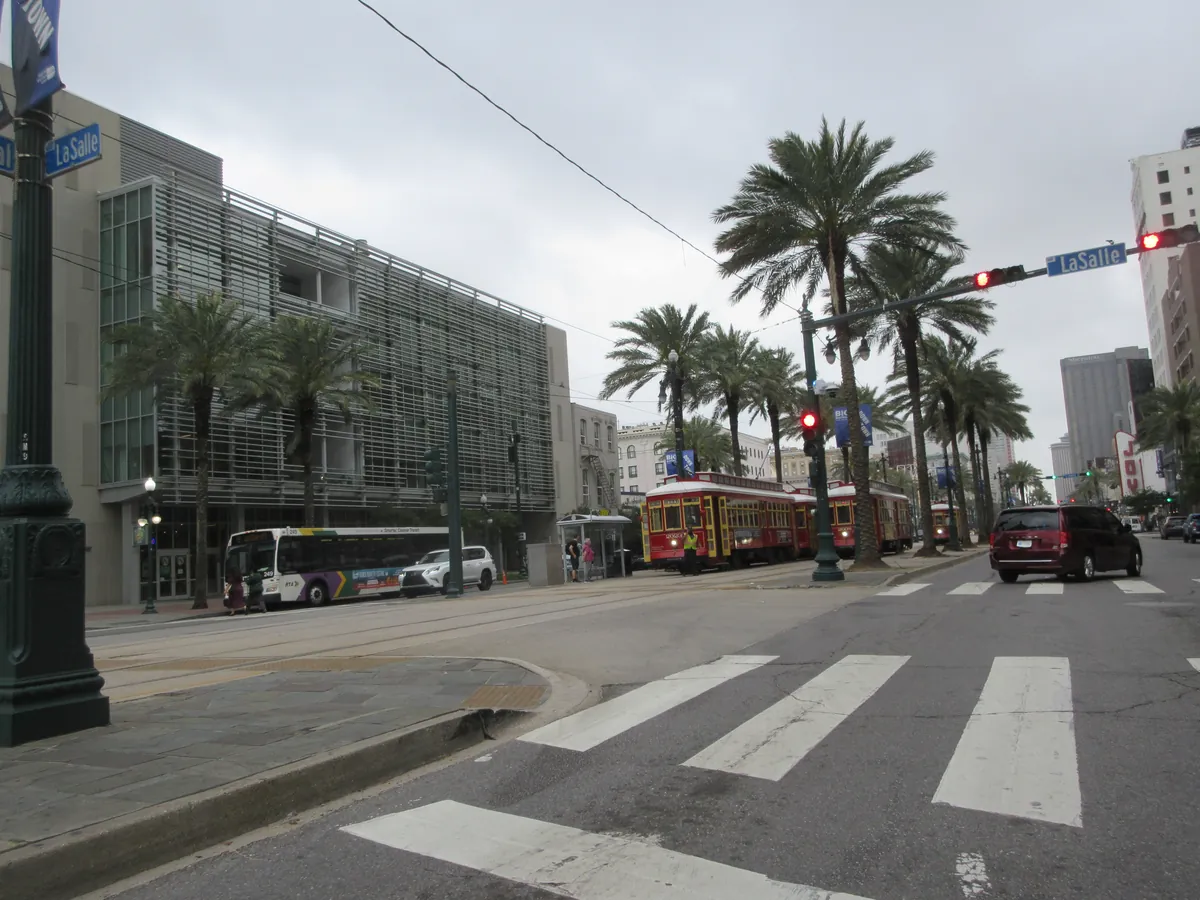
Canal Street is the widest boulevard in New Orleans and the dividing line between the original French Creole city and the American sector that grew upriver after the Louisiana Purchase. The broad median — which New Orleanians call the 'neutral ground,' a term that originated here and applies to every median in the city — was the buffer zone where the two cultures conducted business without entering each other's territory. The French side became the French Quarter; the American side became the CBD. Canal Street was never a canal; the one planned for it was never dug.
Quick facts
- ·At 171 feet wide, Canal Street is one of the broadest boulevards in the United States.
- ·The term 'neutral ground' for a median originated here — the buffer between Creole and American sectors — and is still used citywide.
- ·The planned canal that gave the street its name was never actually dug.
- ·Canal Street hosted the city's first electric streetcar line in 1893; the line still runs today.
- ·The street divided two cultures so sharply that businesses maintained separate Creole and American entrances into the 1830s.
More archive
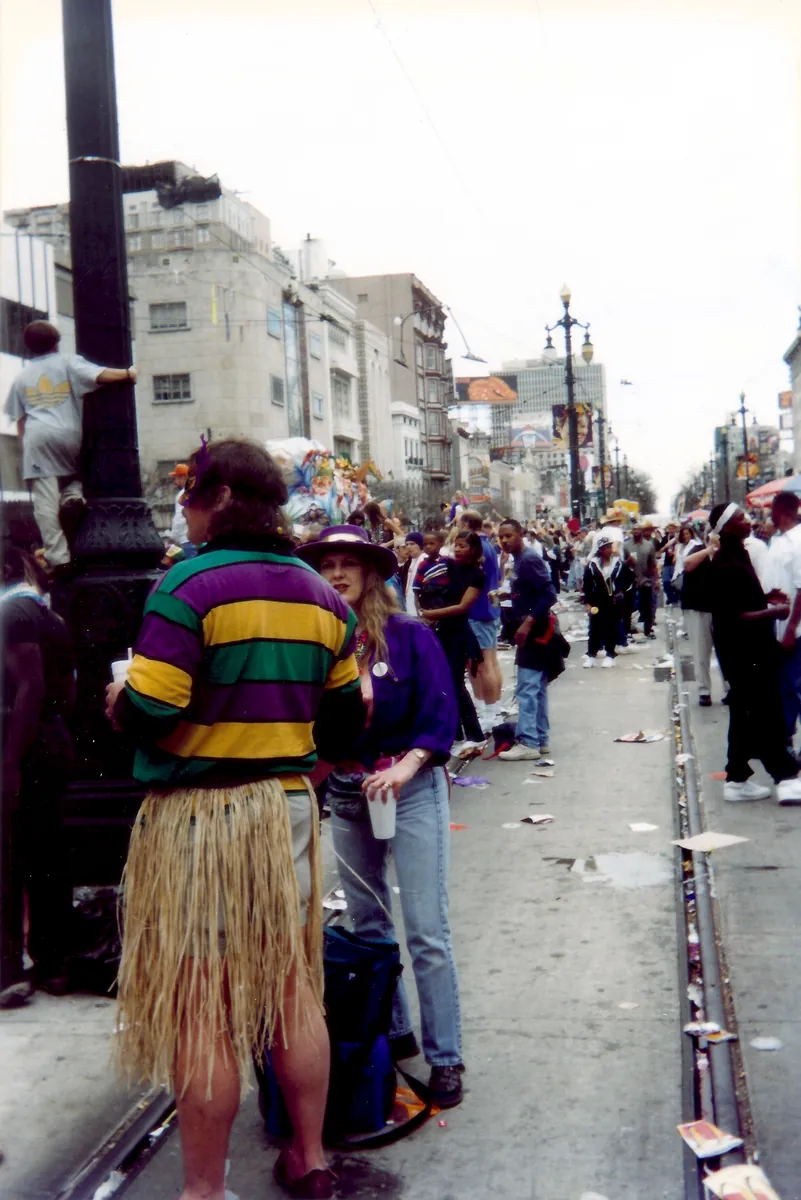
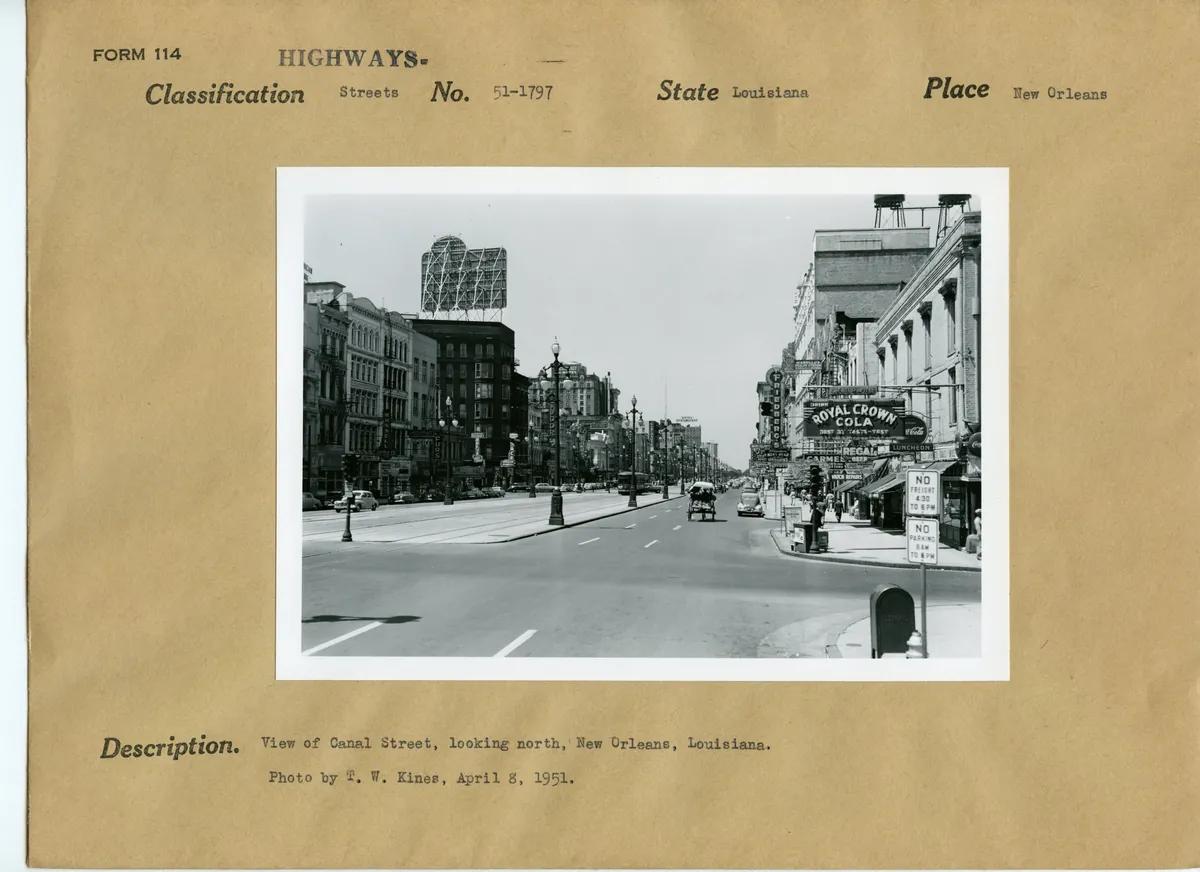
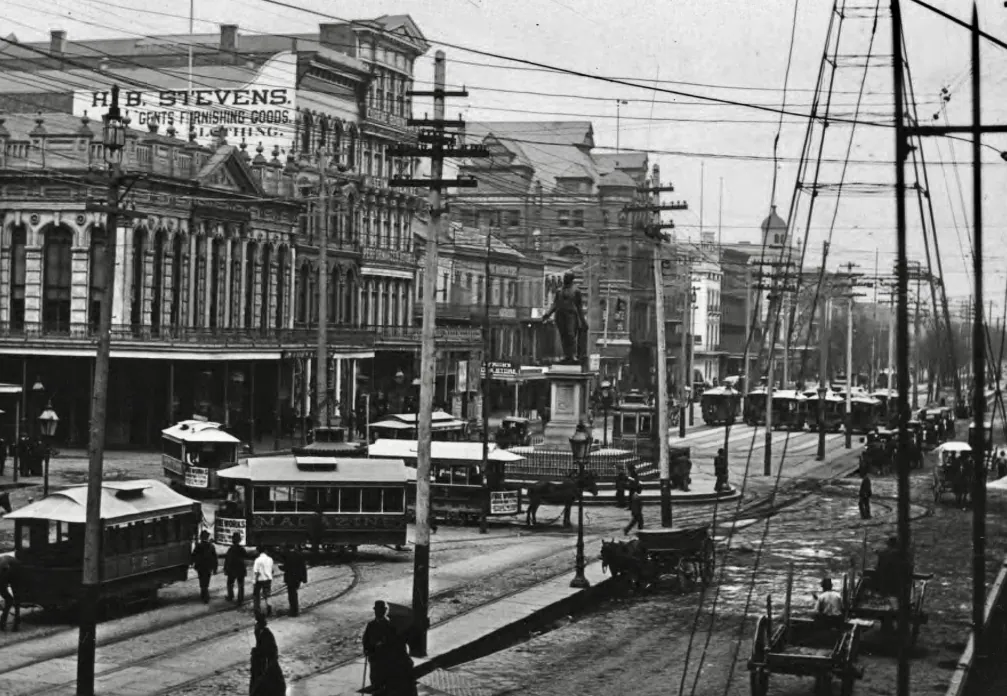
3 historical photographs.
Memories
Be the first to leave a memory at Canal Street — The Neutral Ground.
Sign in to see memories your family has left at this place.
Editorial content compiled with AI assistance. Place details verified against public records.