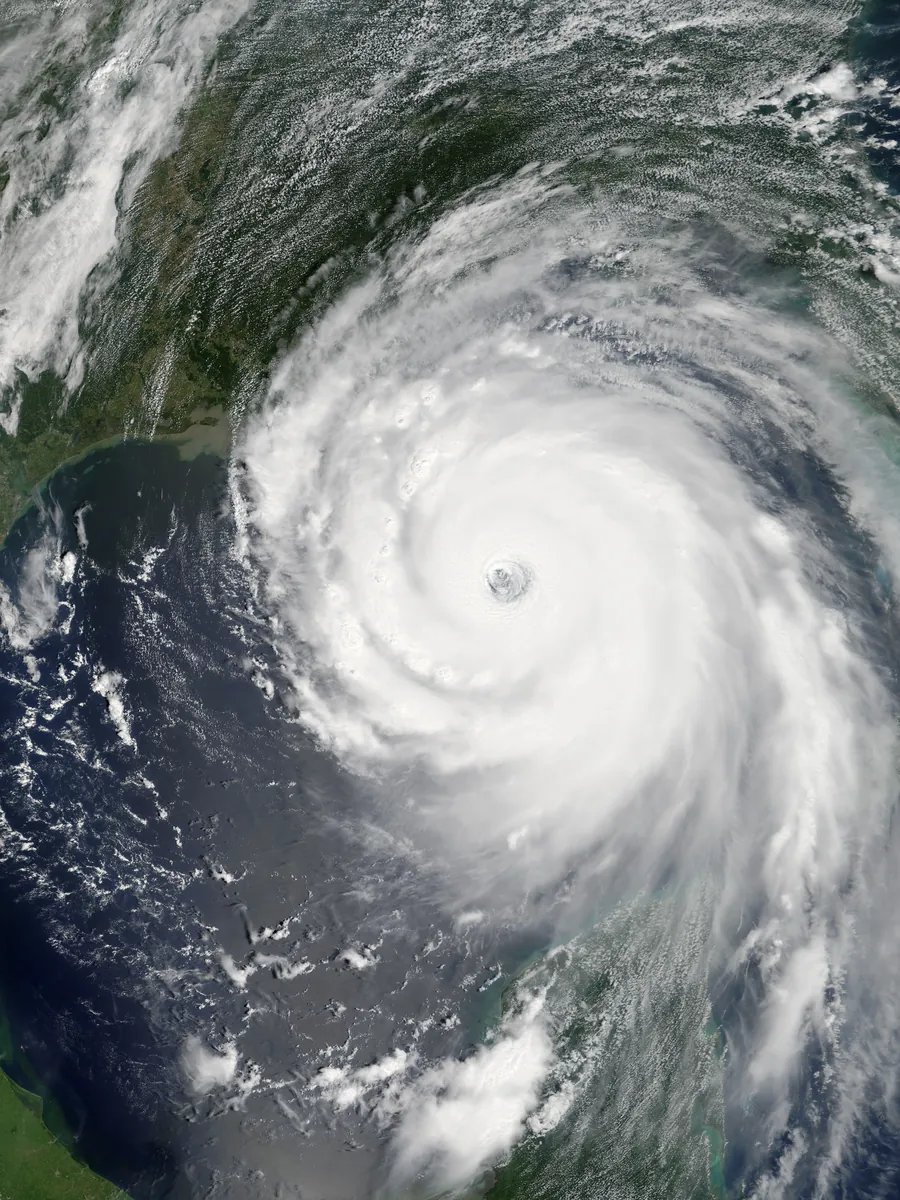
The land that became New Orleans formed around 2200 BCE when the Mississippi deposited silt, creating the delta. Native Americans lived here for 1,300 years, building mounds and maintaining trade routes between the river and Lake Pontchartrain. French colonists arrived by the 1690s. In 1718, Bienville founded the city on a natural levee—relatively high ground along a sharp bend in the flood-prone Mississippi. The first artificial levees went up in 1727.
Half of New Orleans sits below sea level. Levees and pumps are the only reason the city is habitable. The system stretches hundreds of miles: levees, floodwalls, canals, and pumps. After the 2005 Katrina failures, the current system was rebuilt—one of the largest civil-engineering projects on the continent.
You can walk the Mississippi River levee in Algiers or Holy Cross. Stand there and the geography becomes plain: the river is higher than the rooftops behind you. The city exists in the bowl the river carved, protected by earthworks older than the nation. You're looking at the reason New Orleans remains on the map.
- ·The first New Orleans levees went up in 1727, the year Bienville founded the city.
- ·Half of New Orleans sits below sea level; levees and pumps are the only reason it's habitable.
- ·The current system was rebuilt after Katrina's 2005 failures.
- ·One of the largest civil-engineering projects on the continent.
- ·Visitor tip: walk the Mississippi River levee in Algiers or Holy Cross to see the geography directly.
Memories
Editorial content compiled with AI assistance. Place details verified against public records.