Top picks in Glenwood Springs
The places most worth your time here.
Connect your Cour circle to see which places friends and family recommend here.
Connect Cour →Landmarks
69 places worth the detour
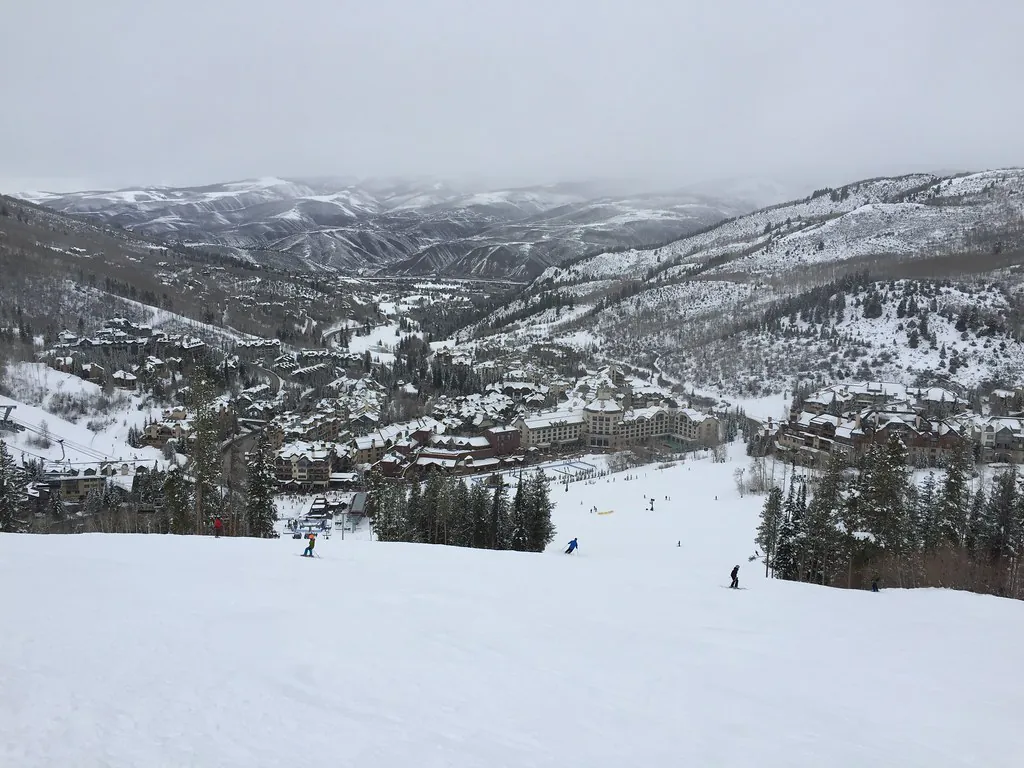
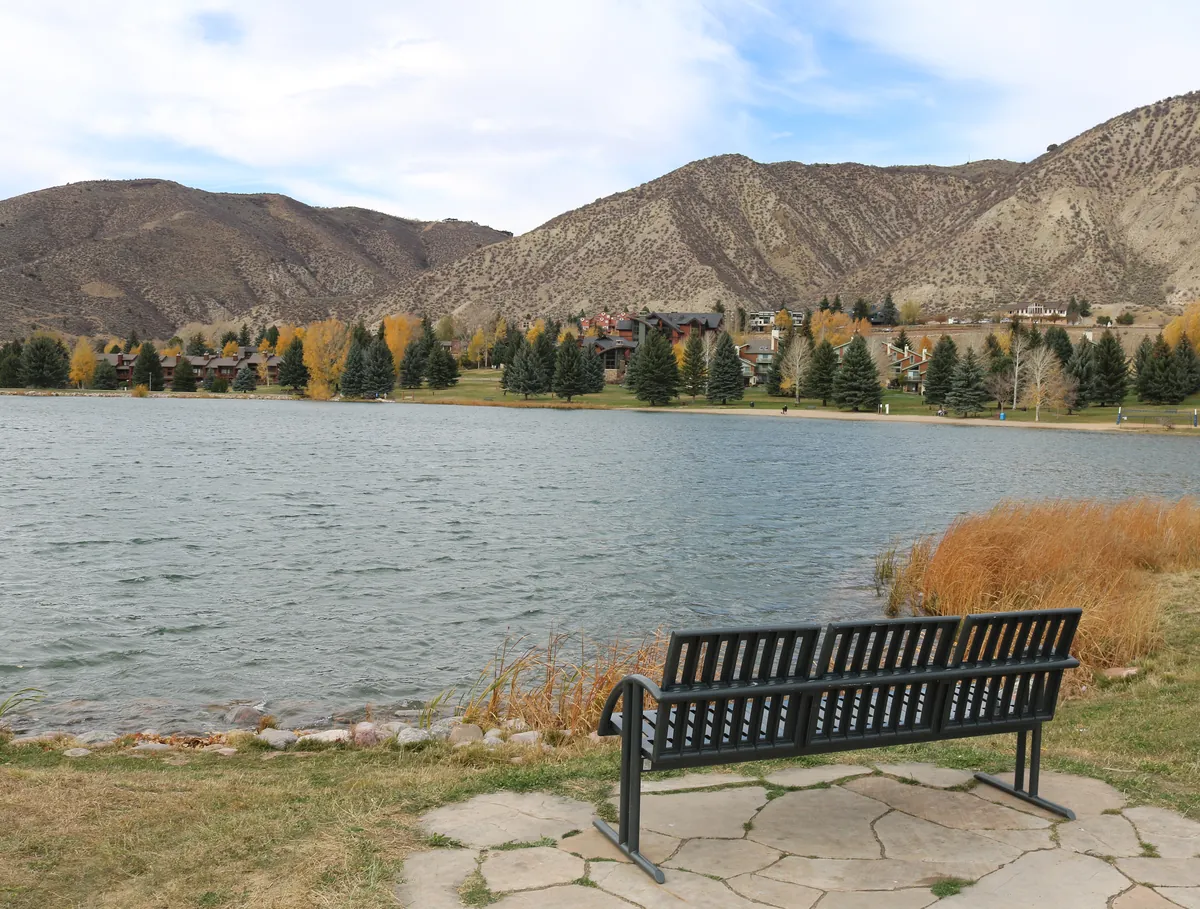
tap the eye to open · swipe or use buttons to browse
Glenwood Springs sits at the confluence of the Roaring Fork River and the Colorado River, pressed on all sides by canyon walls that leave almost no flat ground to build on. The terrain is not…
Read the full storyOn the map
Reading
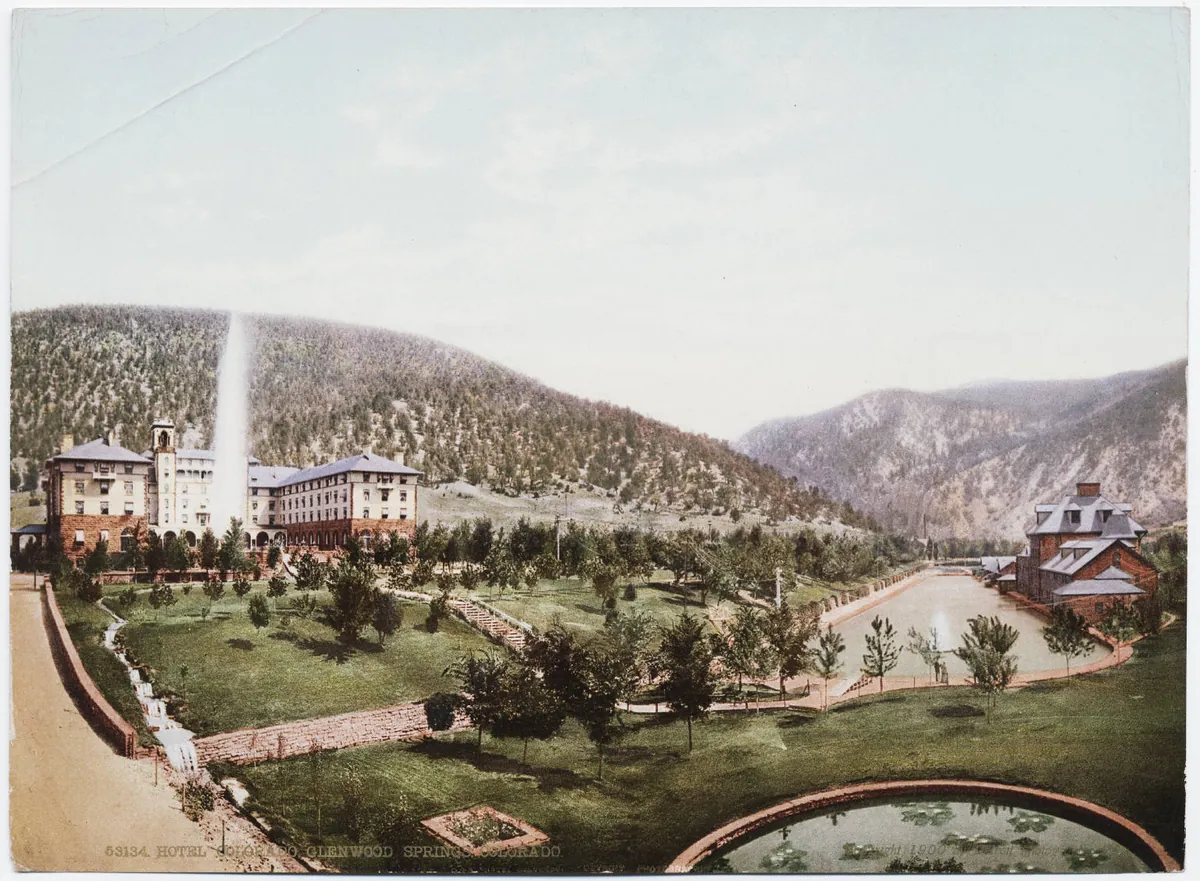
Before it was a destination, it was a squatter camp called Defiance — tents and saloons at the confluence of the Colorado and Roaring Fork Rivers, on land the Ute had used for hunting and healing for millennia. Isaac Cooper platted it in 1883; his wife Sarah pushed to rename it Glenwood Springs the following year, after her Iowa hometown. The town incorporated in 1885, and what came next wasn't a mining boom but something rarer: a civic tradition. The Strawberry Days Festival launched in 1898 and has run every year since, documented as Colorado's oldest continuously held civic celebration west of the Mississippi. The Hotel Colorado opened in 1893 and drew President Theodore Roosevelt in 1905. The rough camp that named itself Defiance kept choosing, instead, to become a place where people gathered — and kept showing up to do it again.
The water came first. Two rivers — the Roaring Fork completing its 70-mile run from Independence Pass, the Colorado pushing west through the canyon — met at the bottom of a mountain bowl, and a town grew up at that junction. Isaac Cooper platted it in 1883; by 1884 it had a name borrowed from an Iowa hometown; by 1885 it had incorporated. Then the Denver & Rio Grande Western Railroad arrived, and what had been a river crossing became a commercial hub. The 1904 station — brick and red sandstone, medieval towers, pyramidal roofs — still stands close to the Colorado's southern bank, and the California Zephyr still stops there daily on its run between Chicago and Emeryville. By Amtrak's 2019 count, it ranked as Colorado's second busiest station. The rivers made settlement possible. The railroad made it matter beyond itself.
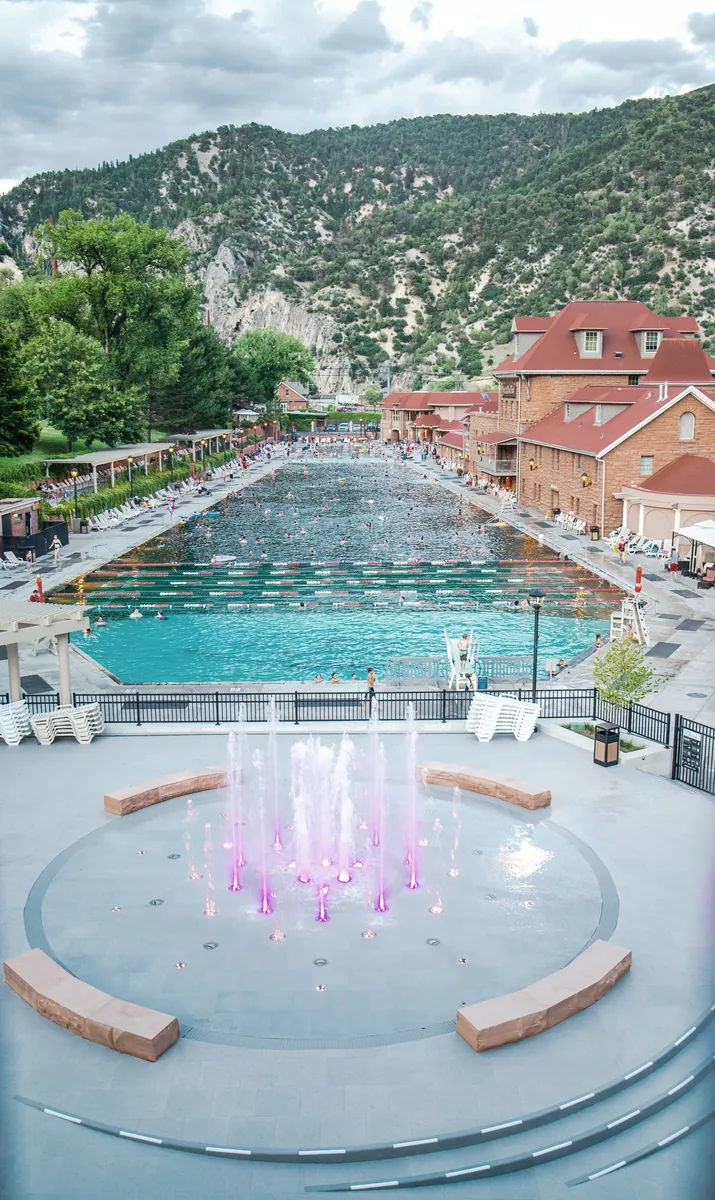
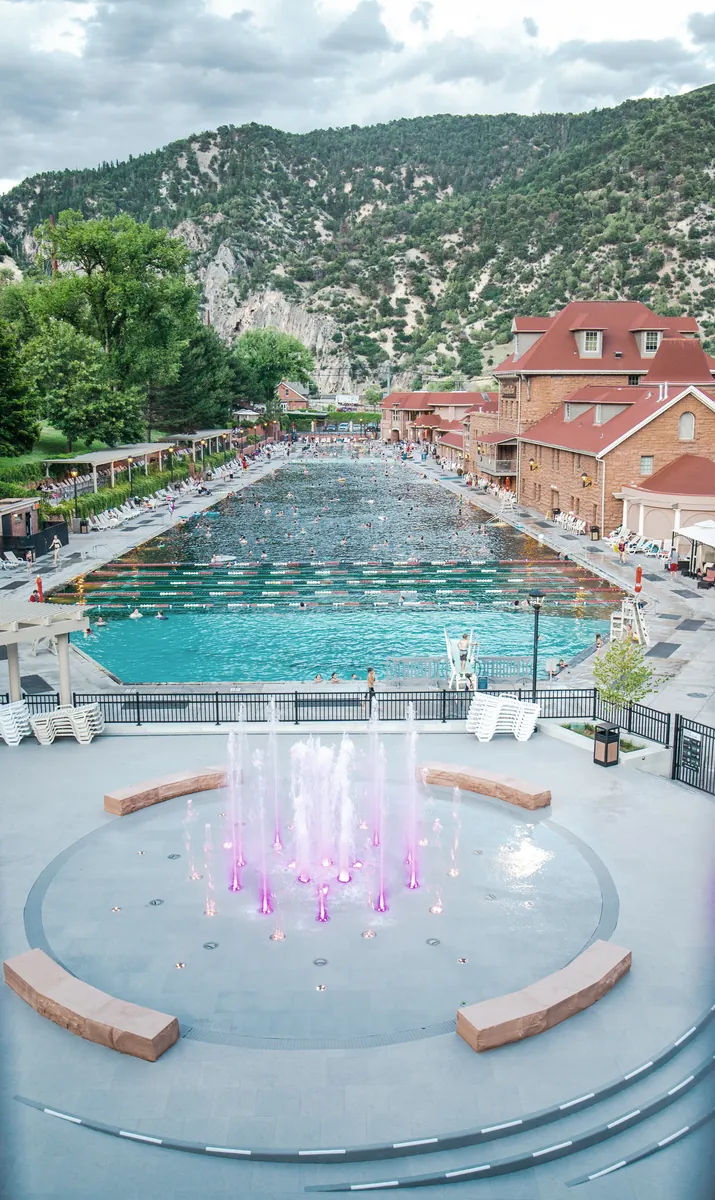
The Ute people already knew what the water could do. Long before Glenwood Springs had a name, they used the underground vapor caves and hot springs at this river confluence for healing — oral histories marking the site as sacred. White settlers arrived, called the rough camp Defiance, and eventually platted a legal town in 1883. The springs didn't change, but what was built around them did. The Yampah Spring now feeds what is claimed to be the world's largest hot springs pool. Three subterranean rock chambers, geothermally heated to 125°F and carrying 34 minerals, still operate as a vapor spa. The Hotel Colorado — Italian Renaissance on the Colorado frontier — drew President Theodore Roosevelt for a bear-hunting expedition. The town that grew up fast and rough around sacred water became, in time, a place people traveled to on purpose.
Before you go
Plan your trip
The only thing left to do is go.
Some of these are partner links — if you book through them, Portage may earn a commission at no extra cost to you.
Editorial content compiled with AI assistance. Place details verified against public records.