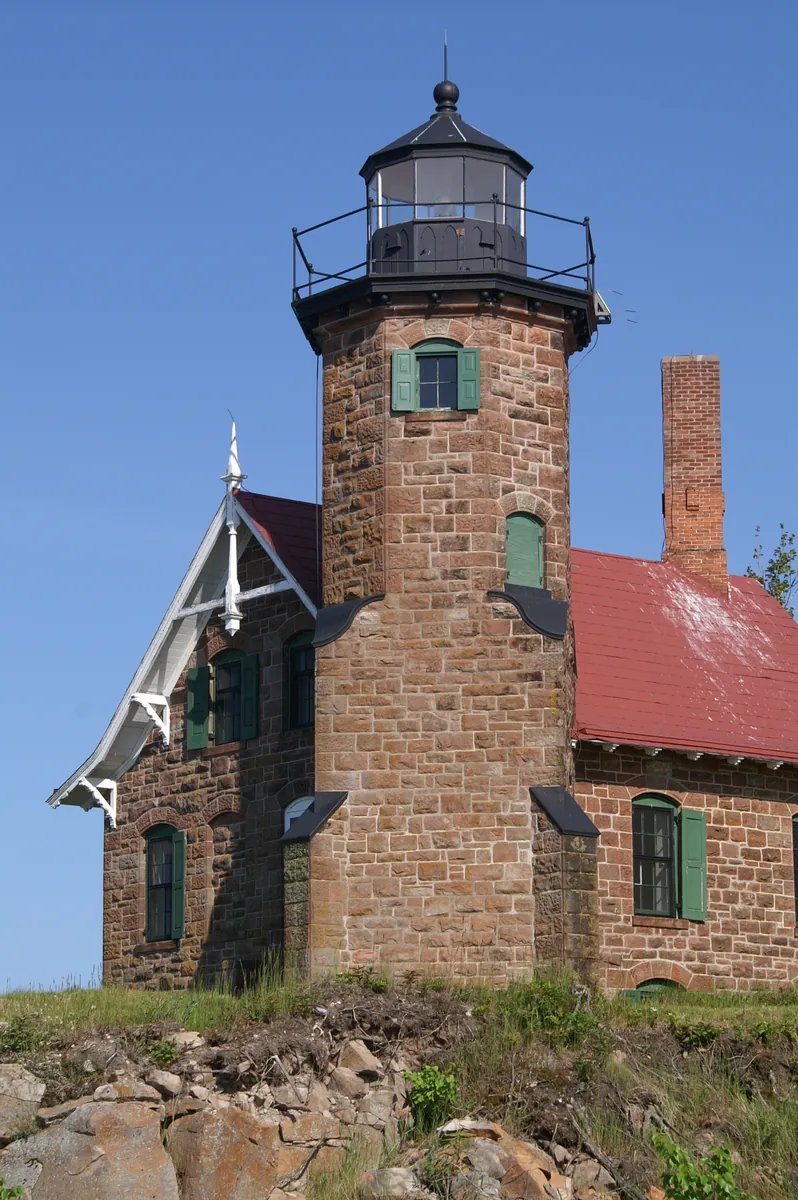
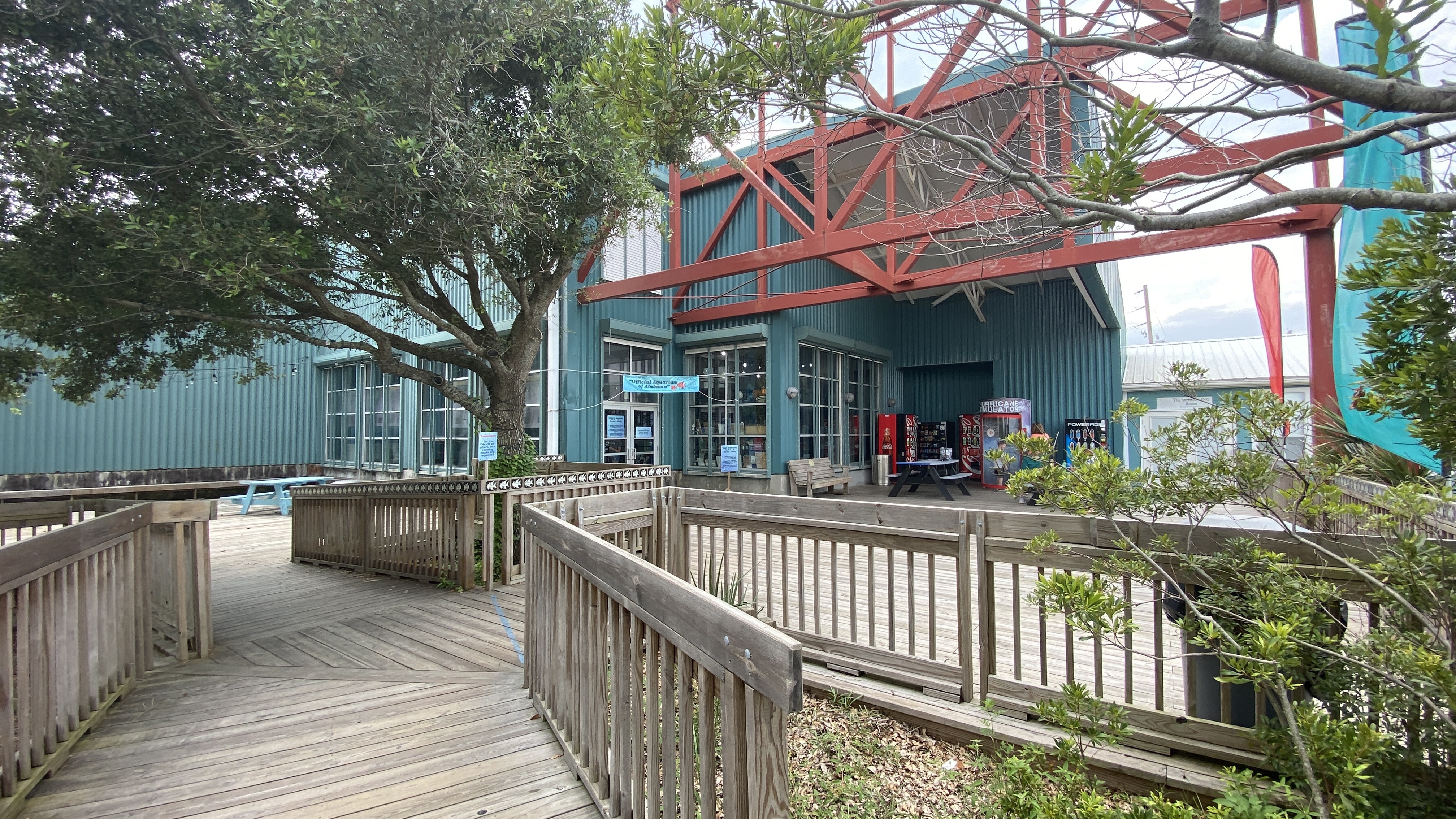
The island was called Massacre Island once, and then, sometime before Antoine de la Mothe Cadillac arrived around 1712, it had been renamed Isle Dauphine — for the heir to the French throne. By then it served as the primary port of entry for French Louisiana, the place ocean-going ships reached before the shallower bay could receive them. Cadillac, Governor-General of Louisiana, kept a home here, on ground the brief calls the first capital of the Louisiana Territory. The settlement is gone. The live oaks remain. You walk the same boulevard named for Jean-Baptiste Le Moyne de Bienville — founder of New Orleans and early colonial governor — and stand where the colony's first transactions happened. Four lighthouses have marked the bay entrance since 1838; storms and a Confederate demolition charge took three of them. The fourth still stands offshore, surrounded by water now, the island beneath it having all but disappeared. The Gulf takes what it wants. What endures here, it earned.