Top picks in San Luis Obispo & the Central Coast
The places most worth your time here.
Connect your Cour circle to see which places friends and family recommend here.
Connect Cour →Landmarks
48 places worth the detour
tap the eye to open · swipe or use buttons to browse
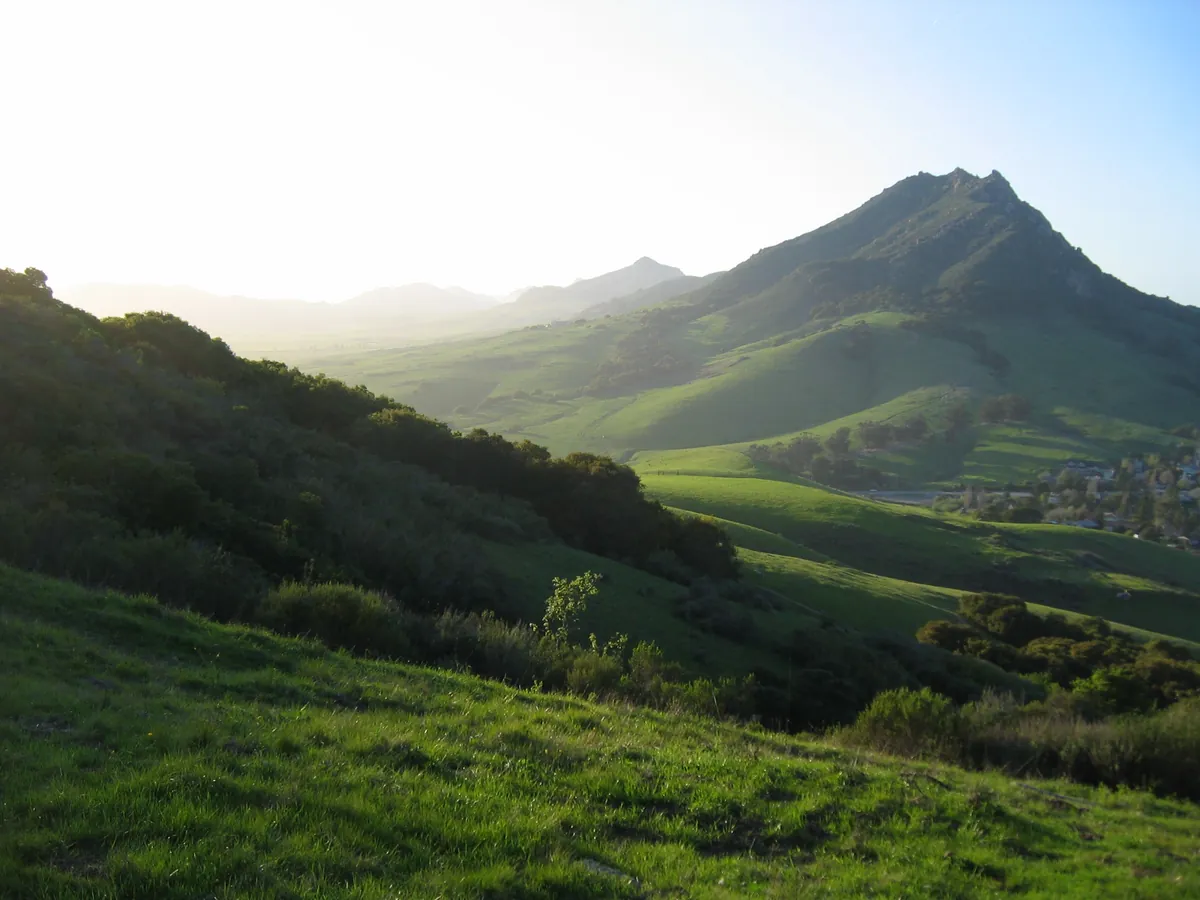
San Luis Obispo sits in a lush valley, six miles from the Pacific, in the shadow of the Santa Lucia Mountains. Its position, roughly halfway between San Francisco and Los Angeles, made it a natural…
Read the full storyReading
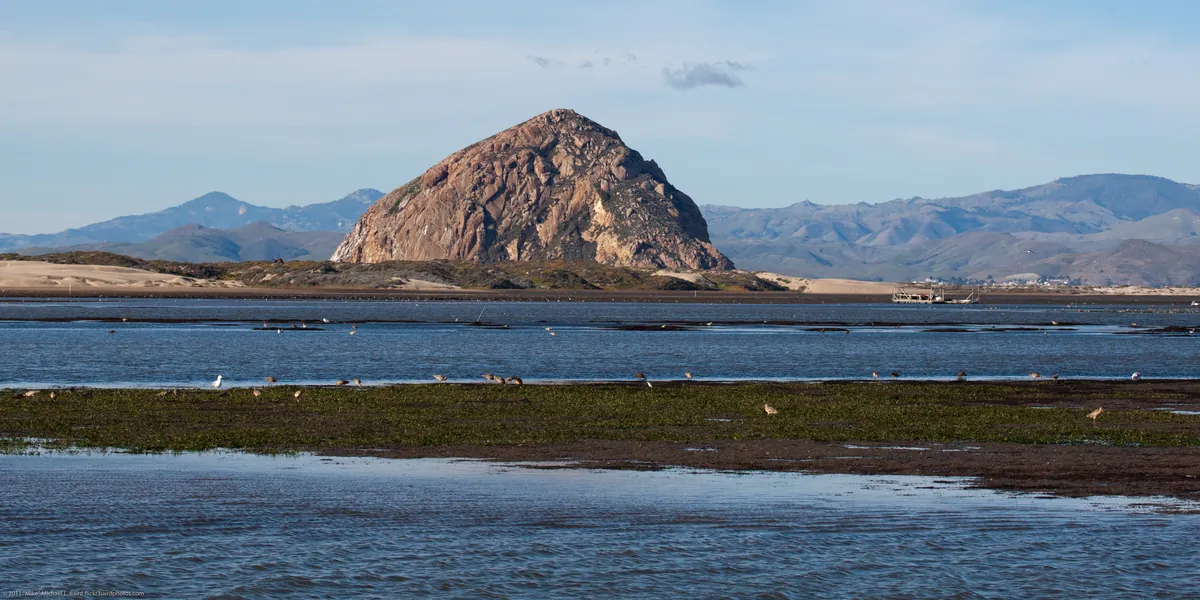
The Central Coast holds its ground. At Morro Rock, a 581-foot volcanic plug at the harbor mouth, the Chumash consider it too sacred to climb; the Salinan hold the established right to ascend it for solstice ceremonies; the state quarried it for breakwater stone from 1889 to 1969 and then stopped. Now peregrine falcons nest there, and the public cannot climb it. Eight thousand acres at Montana de Oro have been state land since 1965, the Chumash present long before the Spanish arrived in 1542. Twenty-five elephant seals came ashore near Piedras Blancas in 1990; by 2020, between 15,000 and 25,000 arrived each year. The monarch butterflies at Pismo Beach tell the harder story — a colony once in the tens of thousands now counted in the hundreds, down roughly 90 percent since the 1980s. This coast keeps the ledger honestly, gain and loss both.
Before the region had a reputation, a winemaker arrived in Paso Robles, acquired land, and released a Cabernet Sauvignon — the bottle marked with a boar, for the German meaning of his name. That early bet on the westside established a template: find the right ground, plant what belongs there, and let the land make the argument. In 1982, Edna Valley became the nation's eleventh federally recognized appellation, its cool growing season shaped by marine air funneling inland from Morro Bay. Seven years later, a French-American partnership selected an old alfalfa farm in the Adelaida district specifically for its limestone soils, importing vines from southern France through federal quarantine before the first wines appeared in 1997. Today, the density of the region is its own statement — corrugated metal tasting rooms clustered on a single block, more than twenty small-production winemakers within walking distance of each other. The Central Coast didn't inherit wine country. It built it, one deliberate planting at a time.
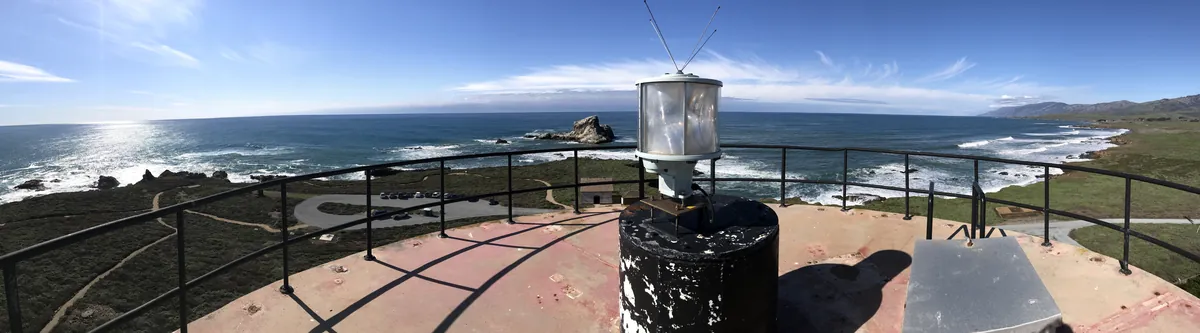
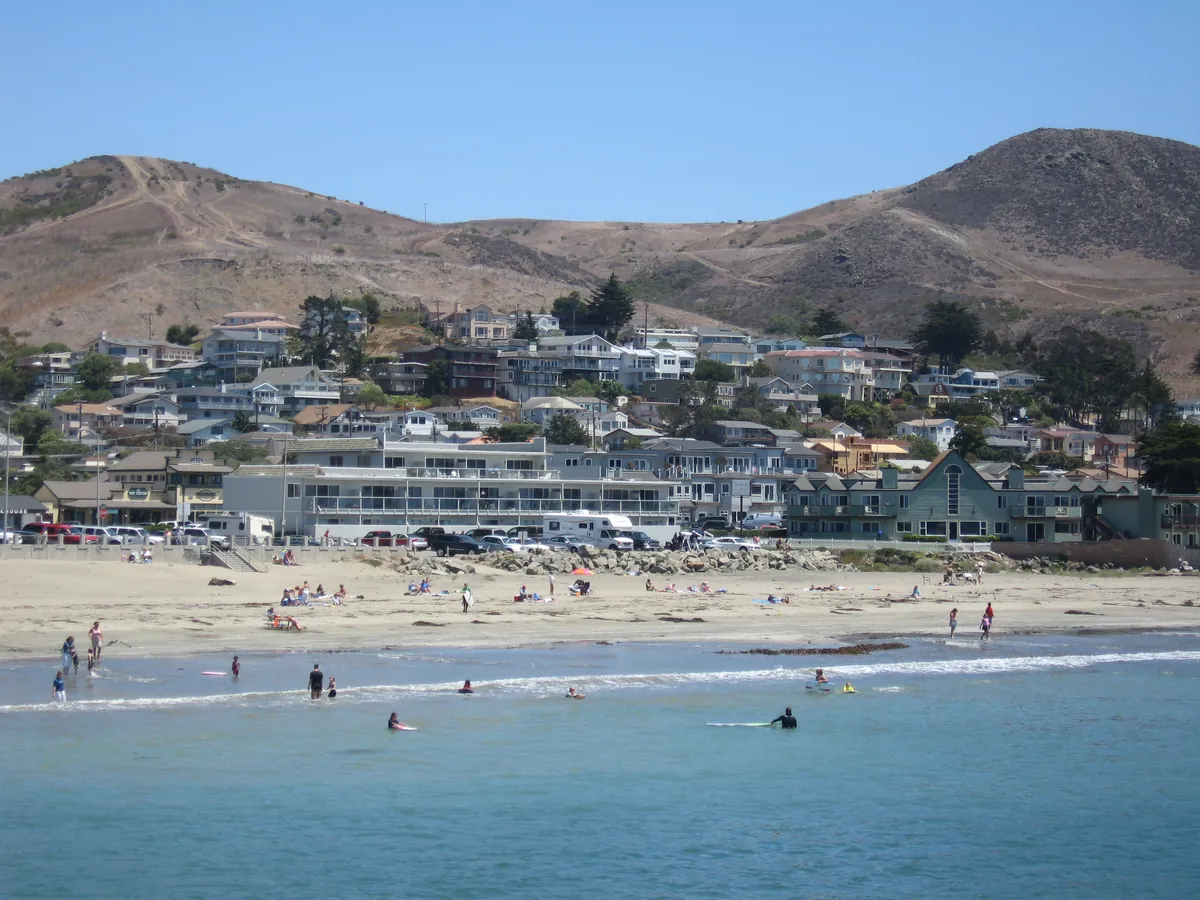
Franklin Riley founded Morro Bay in 1870 as a port — not a town to live in so much as a place to load things: wool, potatoes, barley, dairy goods bound for somewhere else. That was the Central Coast's essential logic for decades. The wharf at Morro Bay, the pier at Cayucos built by Captain James Cass to move cargo up and down the coast, the 1,685-foot pier at Avila Beach handling goods and passengers from 1908 — every one of them was infrastructure before it was scenery. Ships working into Port San Luis did it without a lighthouse until 1890, a fact made vivid on April 29, 1888, when the Queen of the Pacific limped in blind and settled to the bottom 500 feet short of the pier. Nobody died, but the argument was made. The light went up. Some places earn their landmarks the hard way.
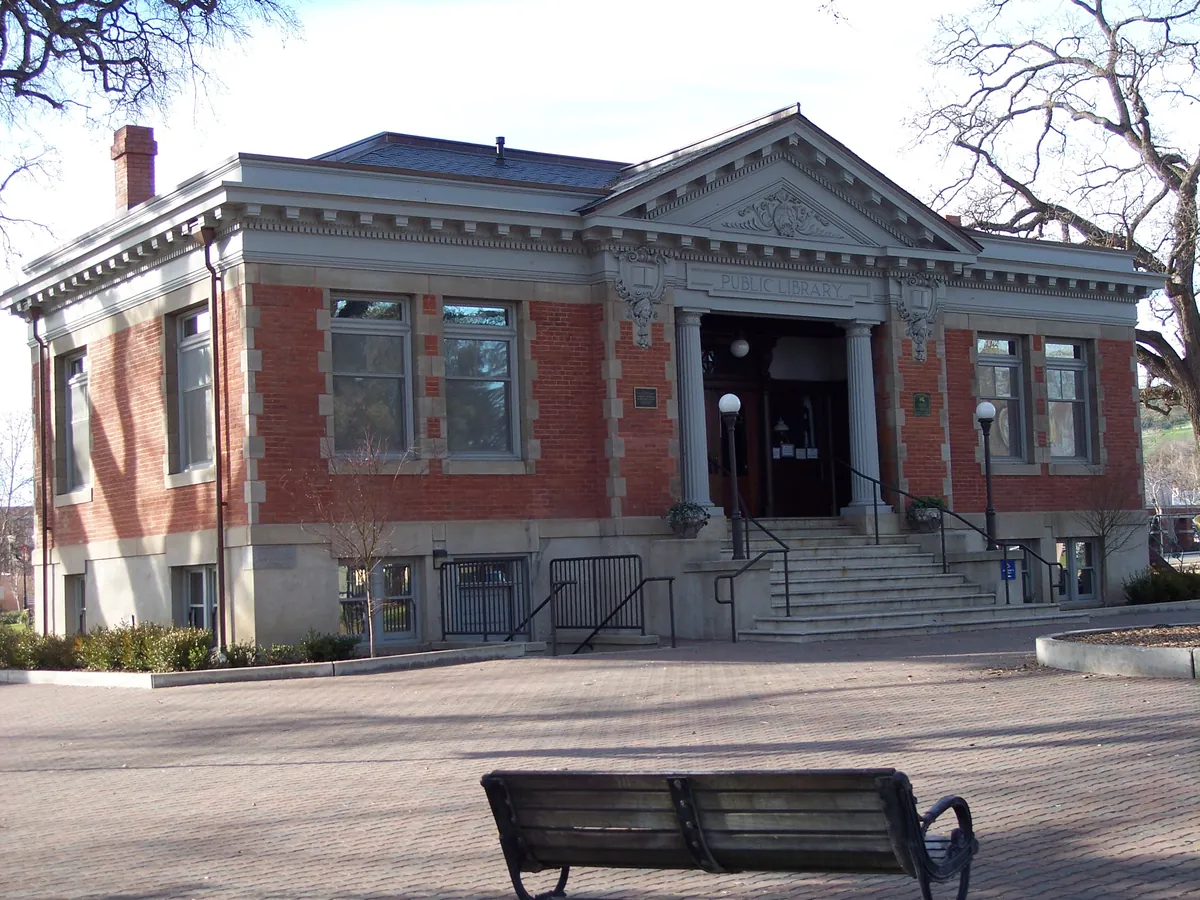
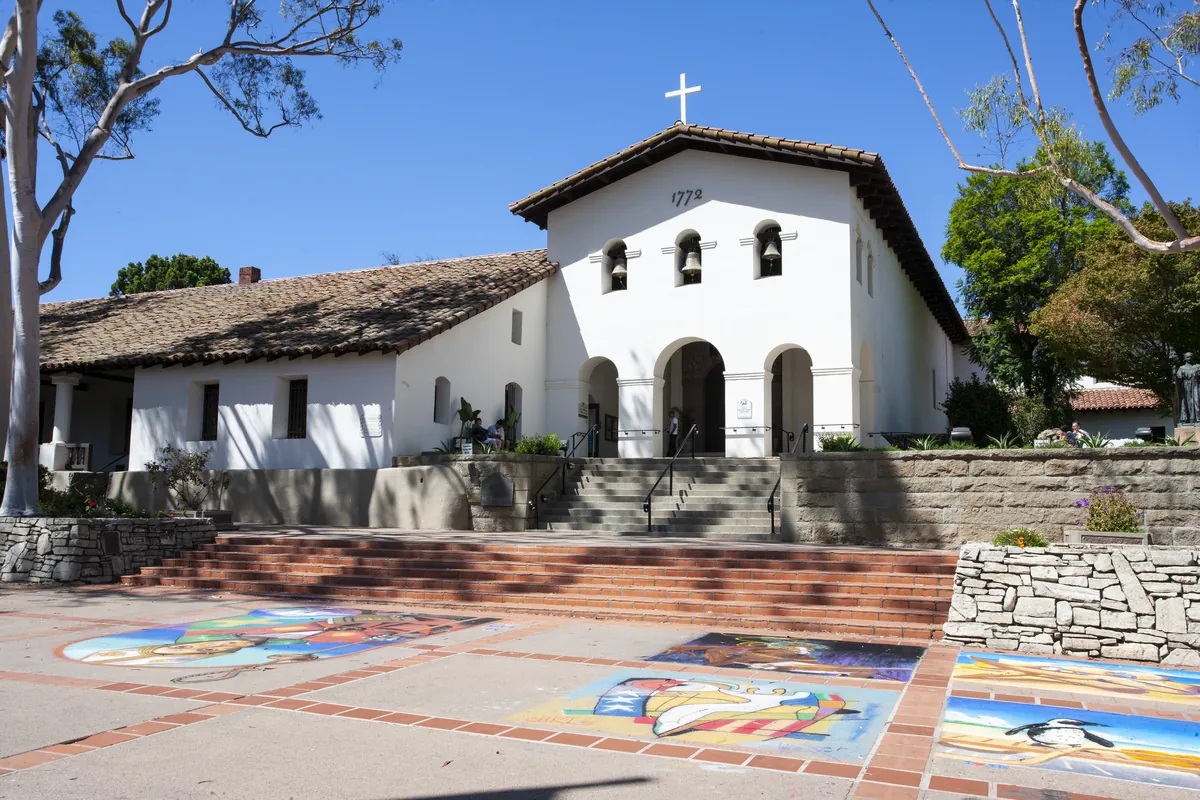
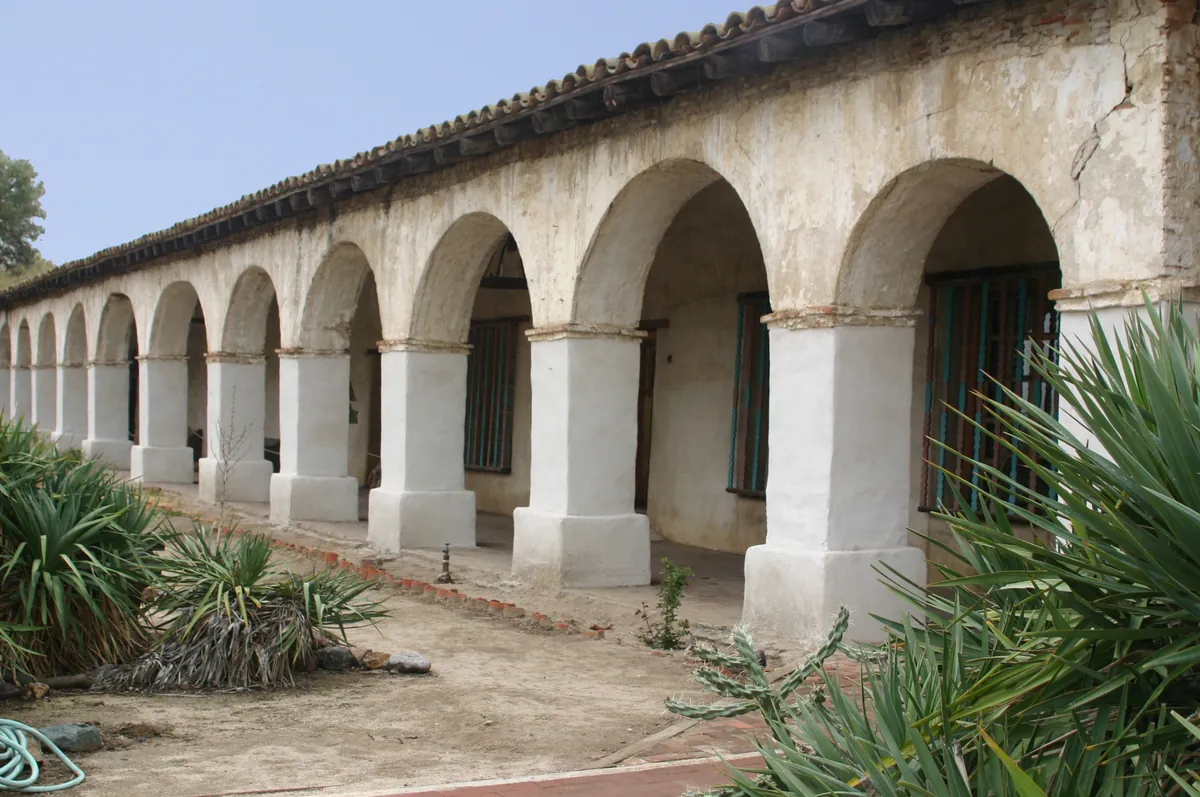
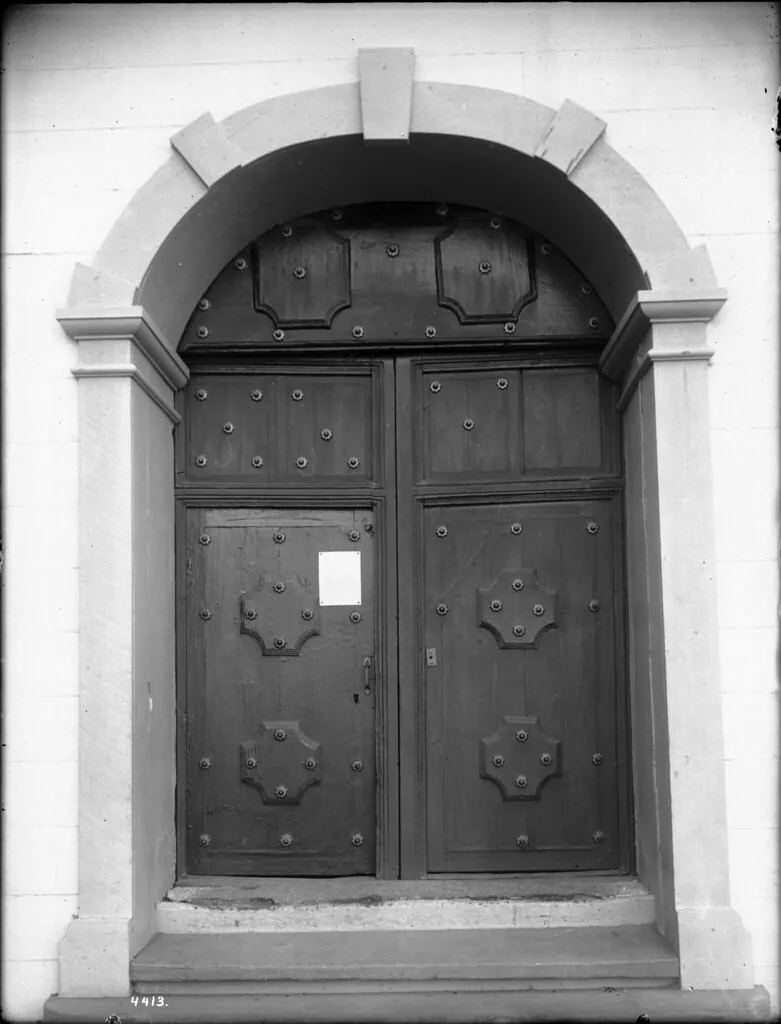
On September 1, 1772, Father Junípero Serra planted a cross near San Luis Creek and celebrated the first mass, and the city that exists today grew from that act. The Chumash, whose people had lived this coastline long before the Portolá expedition passed through in 1769, built the mission with their labor — then set its wooden structures ablaze in resistance. The Spanish rebuilt in adobe and tile. That exchange — Indigenous presence, colonial imposition, the thing made from the collision — runs through the Central Coast still. The Salinan artists who painted San Miguel's interior walls. The name Point Buchon, carrying a Chumash chief's memory on land that stayed closed to the public for generations. The documentary record sits free of charge in a Carnegie Library on Monterey Street. The missions themselves remain active parishes. The city lives inside this history whether it looks directly at it or not.
Plan your trip
The only thing left to do is go.
Editorial content compiled with AI assistance. Place details verified against public records.