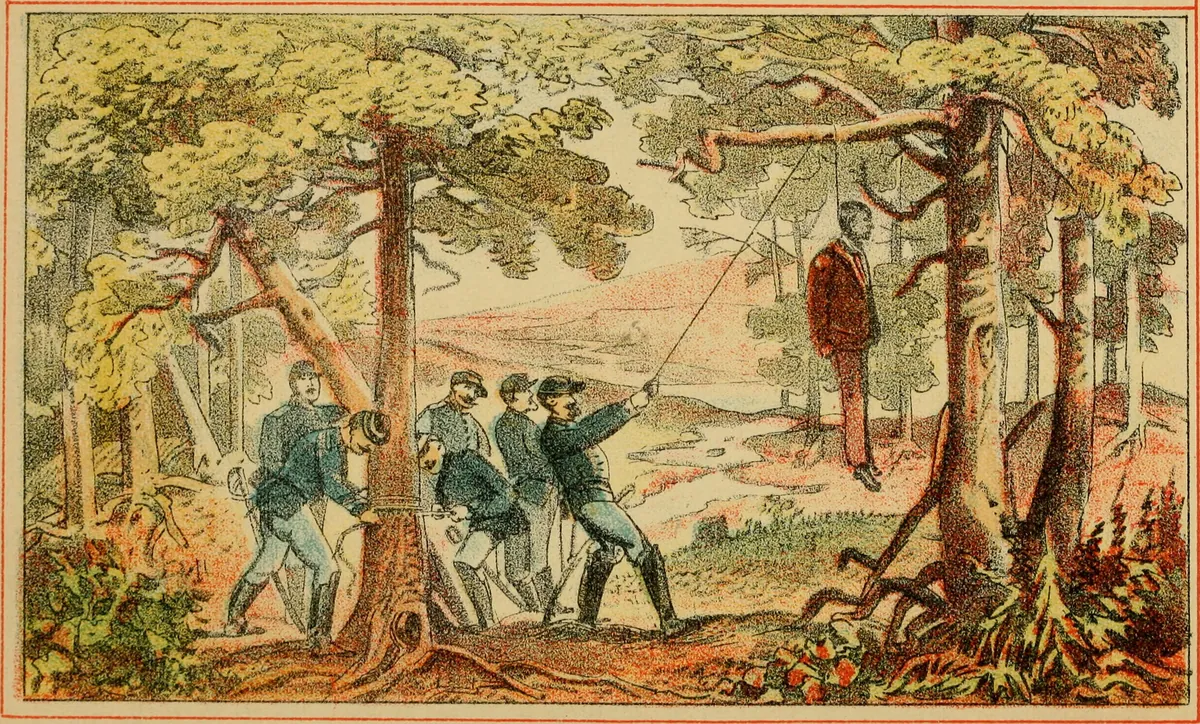
Between 1806 and 1821, the Neutral Strip ran on what historians now call a 'shadow economy' — contraband, horse theft, counterfeit coin, runaway slaves, and a steady stream of stolen cattle driven east from Spanish Tejas into American Louisiana. The most organized operation belonged to Pierre Humphries, a Baltimore-born privateer who set up a base camp near what is now Burr's Ferry on the Sabine and ran raiding parties as far south as the Gulf Coast.
The romantic version — the version the 1930s WPA writers loved — has Jean Lafitte himself leading pack trains up from Barataria through the pine woods. The documentary record is thinner, but what's clear is that Lafitte's network used the Neutral Strip as a smuggling corridor to move tariff-free goods from his Gulf base to American buyers upriver. The ridges and creek bottoms that the Army now uses for training exercises were, two centuries ago, the preferred outlaw trails.
There was also a grim side of this economy that the folklore tends to skip. Runaway slaves from East Texas and south Louisiana fled to the Neutral Strip because slave-catchers had no jurisdiction there, and some were recaptured by bandits who sold them back across the Sabine. The strip's lawlessness was liberating for some and deadly for others, and the modern highway historical markers rarely mention either side of that ledger.