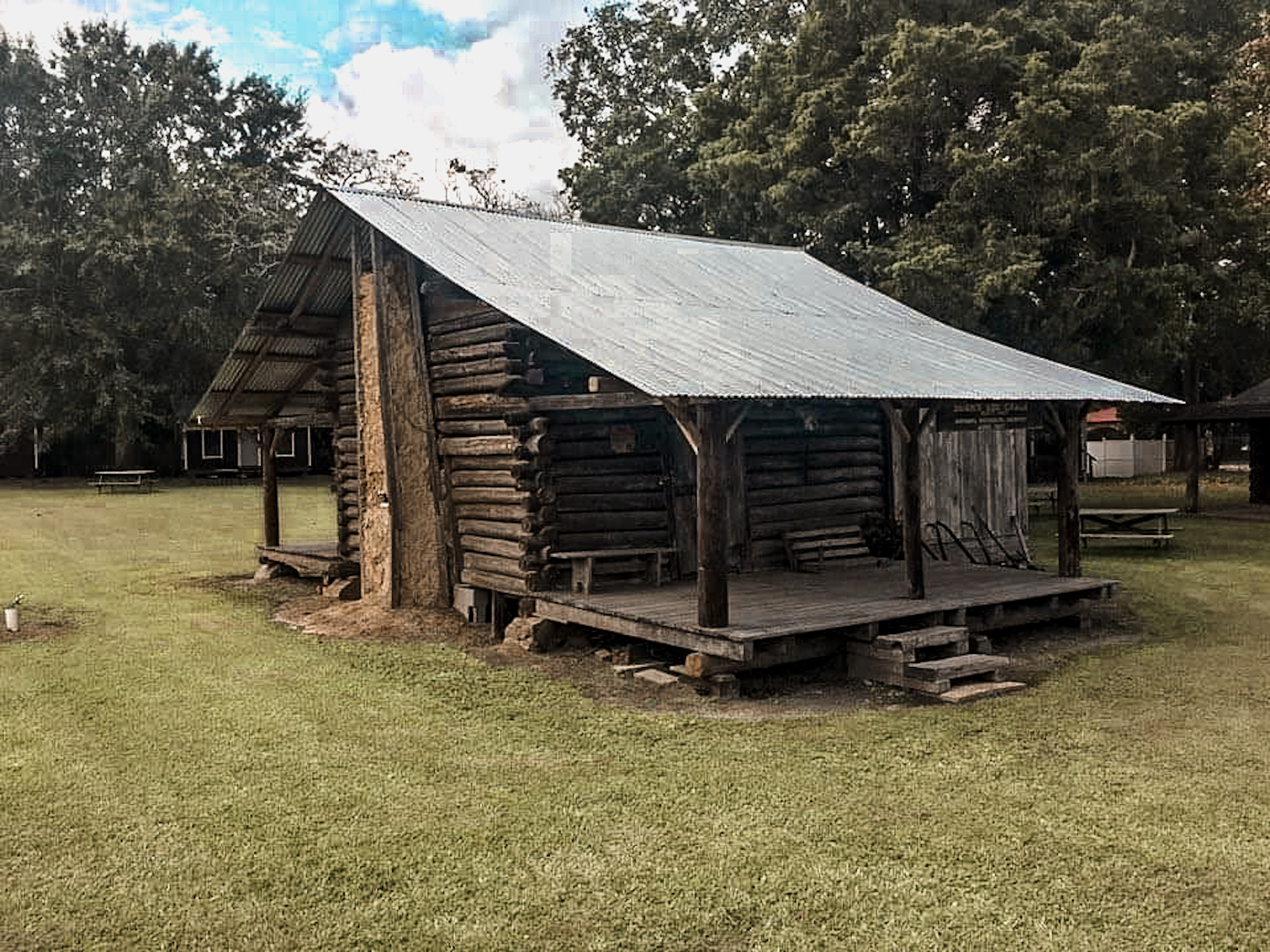
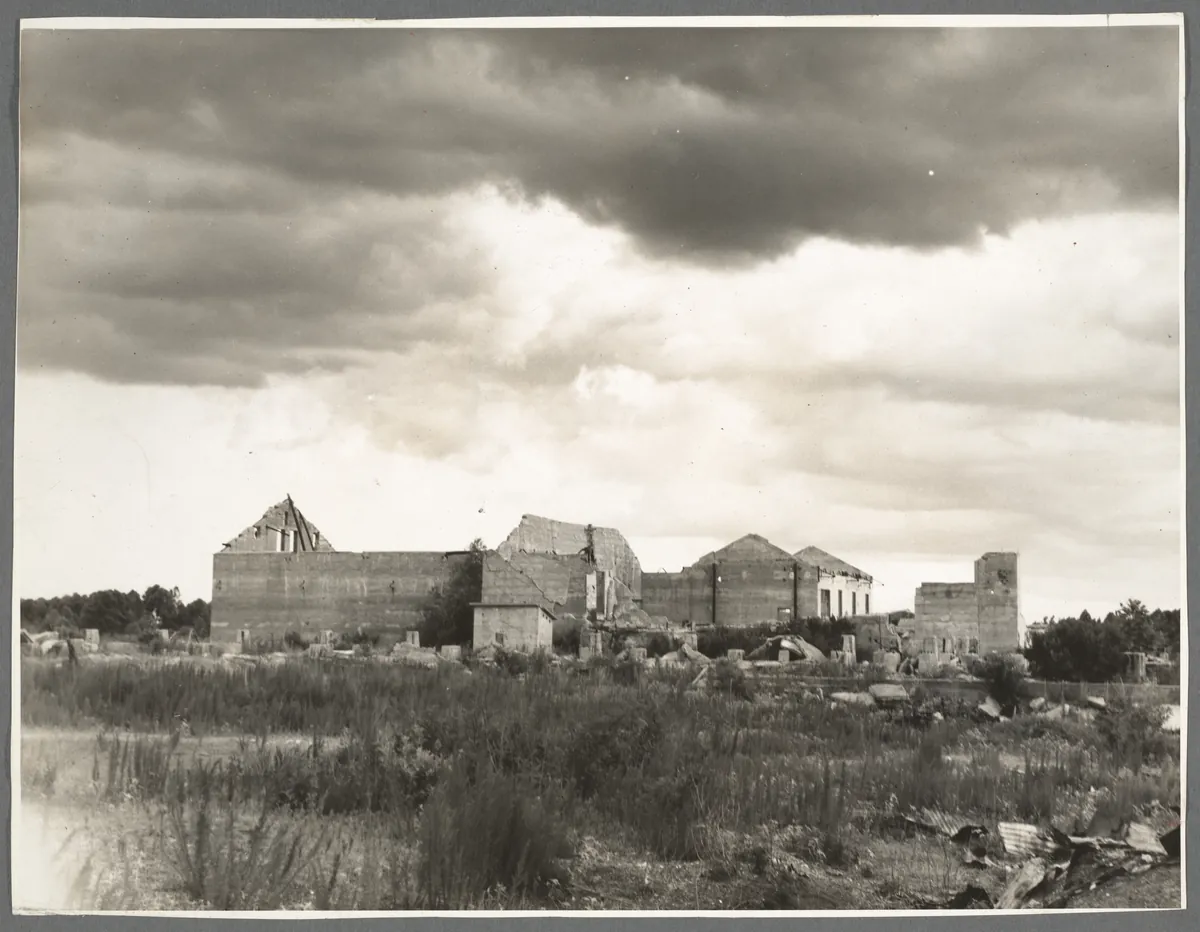
On July 7, 1912, a group of striking sawmill workers gathered in Grabow, a timber camp near Merryville, to hear Arthur Emerson, president of the Brotherhood of Timber Workers. The Brotherhood was a radical union affiliated with the Industrial Workers of the World — and, crucially, the only racially-integrated labor union in the early-20th-century South. Galloway Lumber Company had locked out its striking workers and hired private guards.
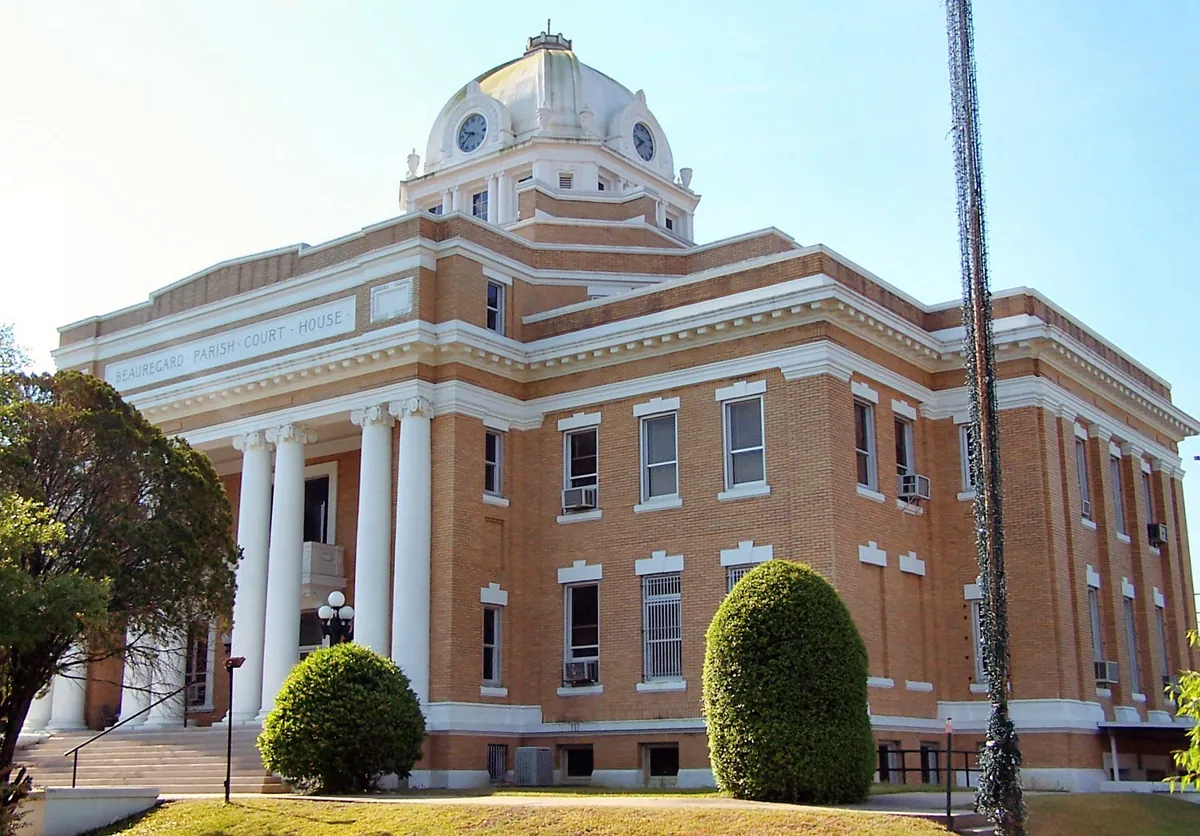
What happened in the next ten minutes is still disputed. Somebody fired a shot. The guards opened up with rifles from the cookhouse. The strikers fired back. When the smoke cleared, three workers and one company guard were dead and more than forty were wounded. Sixty-five union men were arrested and charged with murder, including Emerson himself. The trial in Lake Charles the following year acquitted all of them — a stunning outcome that historians still read as the jury's quiet verdict on how the mill owners had run the parish.
But the acquittal was hollow. The Brotherhood was broken. Galloway Lumber blacklisted anyone suspected of union sympathy, and the company and its allies drove the BTW out of Louisiana within a year. The integrated labor movement in the Southern timber country was finished for a generation. The Merryville Historical Museum keeps the surviving photographs, ledgers, and even recovered rifle cartridges from the mill yard. For anybody who grew up being told the South had no union history worth remembering, the Grabow Riot is the story that undoes the lesson.