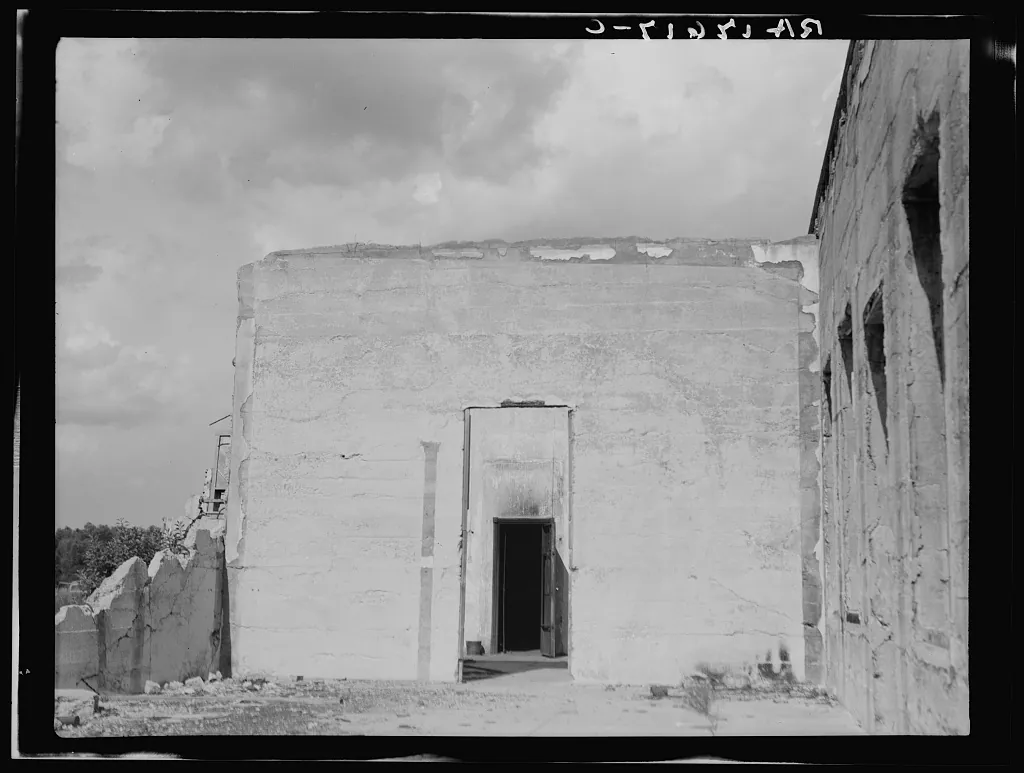
Samuel Holmes Fullerton built Fullerton, Louisiana to last. He put up three and a half million dollars in 1907 to construct the sawmill entirely of steel, iron, and concrete — no combustible materials, the most modern thing in the South. Gulf Lumber Company ran it. On a ten-hour shift it cut four hundred thousand board feet a day, the second-largest mill in the region.
Around it the town went up: a hospital, a hotel called the Hôtel des Pines, two churches, a high school and a grammar school, a drug store, a bank, a Ford dealership, a dance pavilion, a swimming pool. By 1924 three thousand five hundred people lived there. The mill itself was fireproof and the company built the town for permanence.
It lasted twenty years. The thing Samuel Fullerton's steel and concrete could not survive was cutting through ninety-seven thousand acres of longleaf pine without replanting any of it. On May 6, 1927, the last log was sawed and the whistle went silent. The mill shut. The town emptied. The cutover land was sold off — some became Kisatchie National Forest, some became Fort Polk. What is left of Fullerton sits at the Fullerton Lake Recreation Complex in Kisatchie: concrete foundations in the pines, the bones of a town that built itself out of indestructible materials around a resource it consumed.
What stood here
3 surviving images.
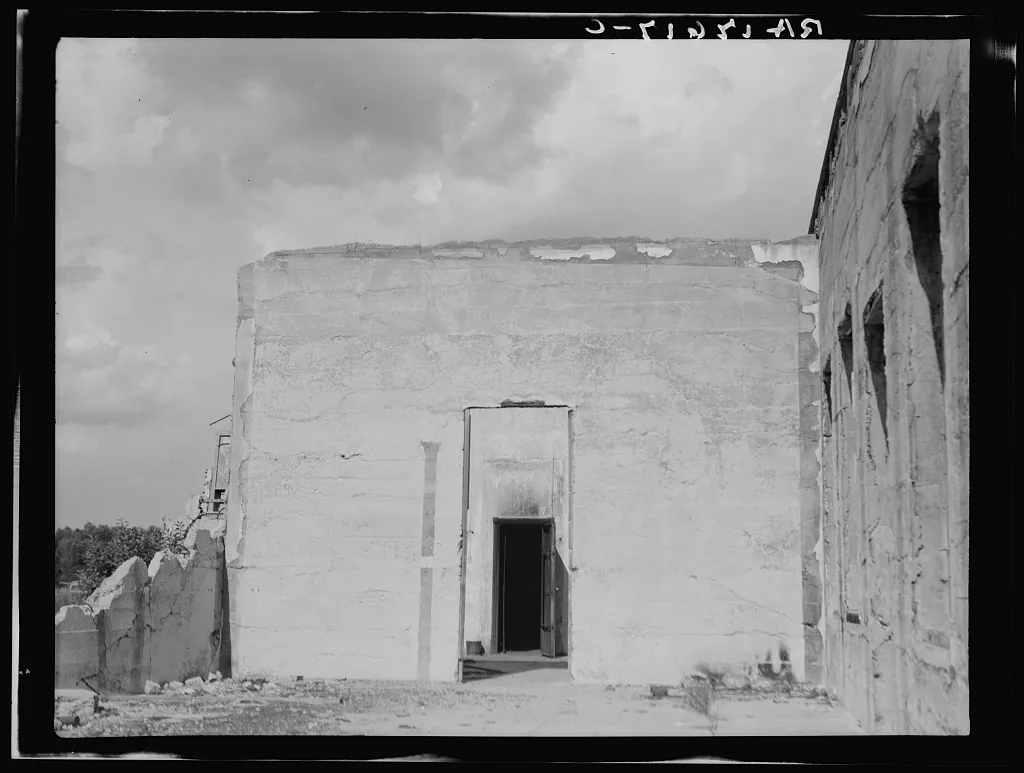
Fullerton, Louisiana. An abandoned lumber town. FSA/OWI photograph of the town after the mill closed and the people went
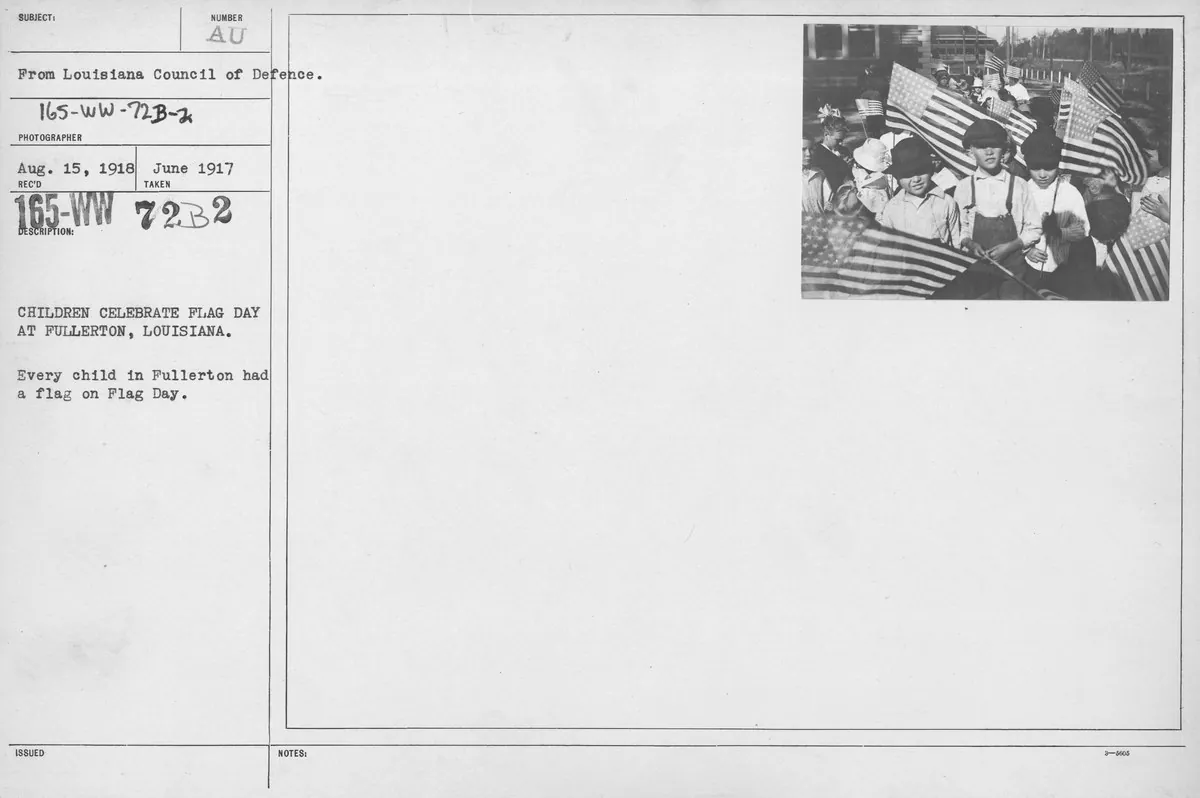
Flag Day 1918 in Fullerton — children of the town in the years it was still working, a decade before the last log
National Archives and Records Administration (Public Domain)
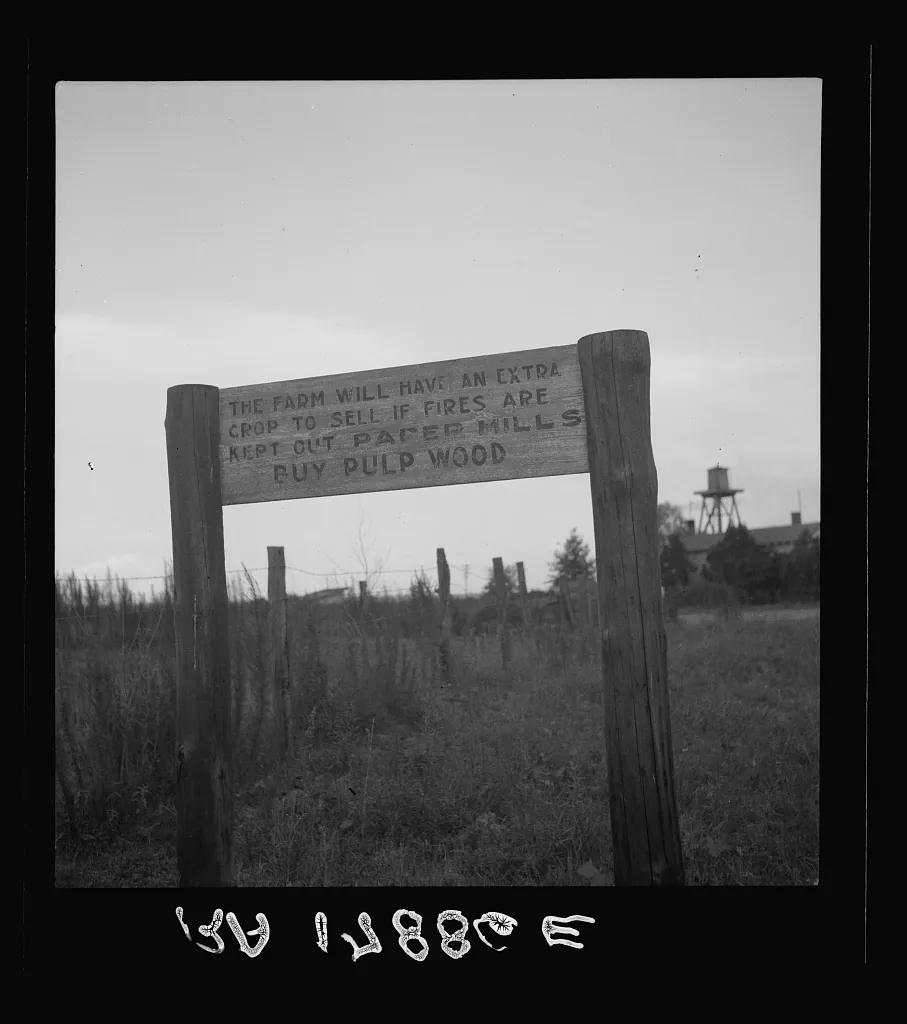
Roadsign near Fullerton, Louisiana — what was left to point the way