From 1729 to 1770, the capital of Spanish Tejas was in Louisiana. It sat on a low rise in what is now Sabine Parish, called Presidio Nuestra Señora del Pilar de los Adaes, and for forty years it was the easternmost outpost of the Spanish Empire in North America. It was also a logistical disaster. The road from Mexico City was 1,500 miles long. Supply trains took six months. The French garrison at Natchitoches, fifteen miles east, was closer and better-stocked, and the two sides ended up trading contraband with each other to survive.
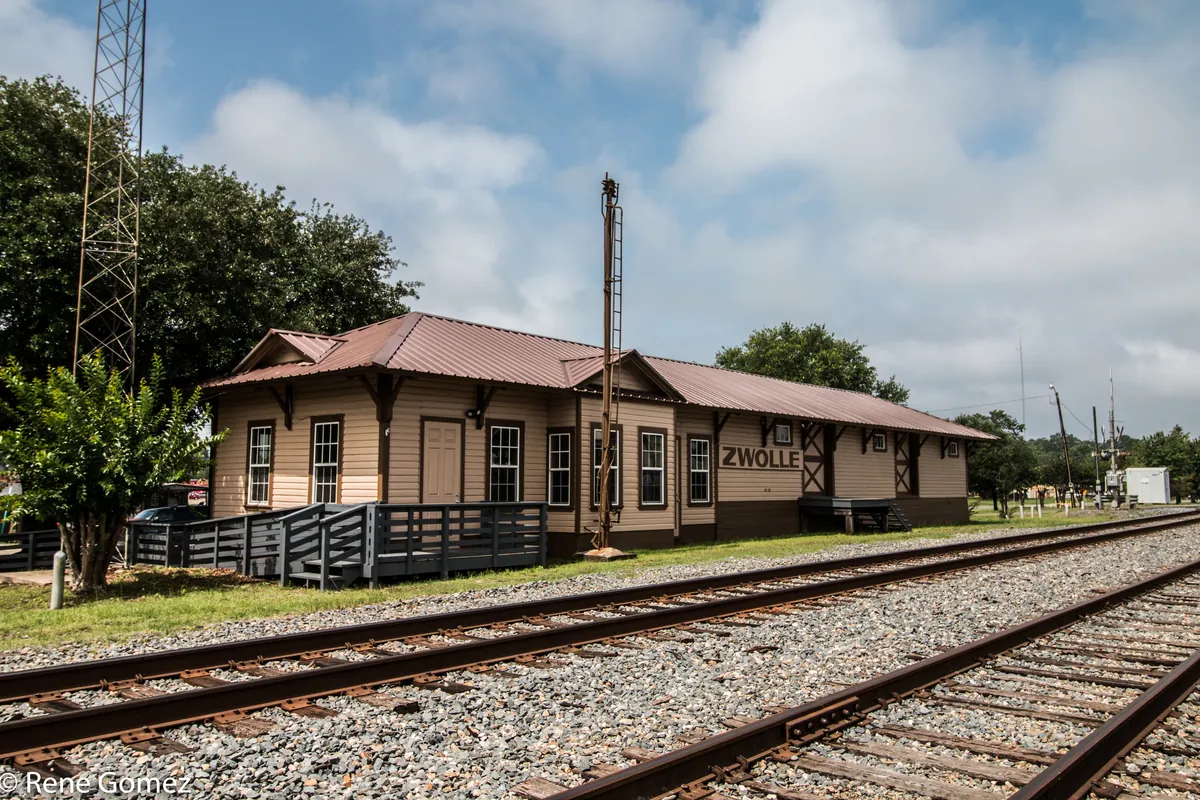
The Adaeseños — the Spanish soldiers, their families, and the Indigenous Adai people they lived beside — developed their own frontier culture: Spanish surnames, Catholic saints' days, corn tamales, and a creole Spanish that drifted away from the Castilian of Mexico. When Spain reorganized its northern frontier in 1773, the viceroy ordered Los Adaes abandoned and its residents force-marched to San Antonio. Many of them walked back within a year, scattered into the pine woods, and founded the communities that became Zwolle, Ebarb, Robeline, and Spanish Lake.
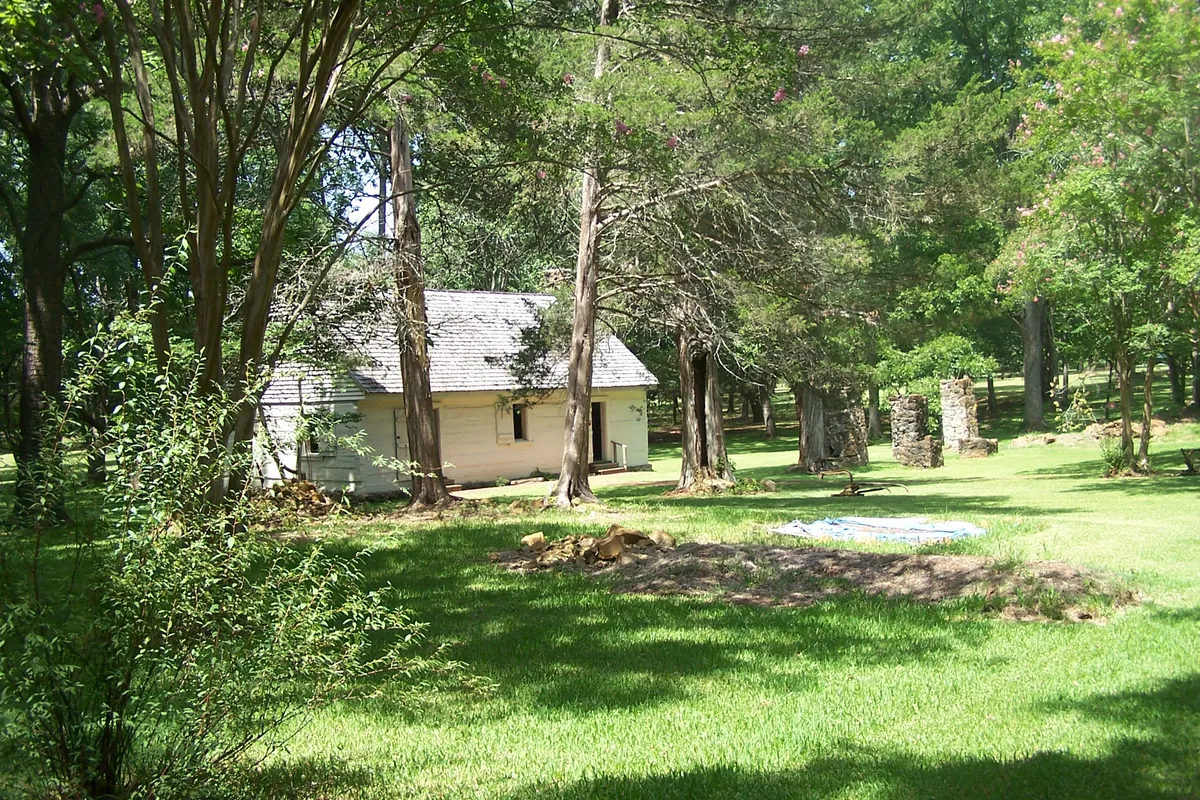
Today Los Adaes is a State Historic Site — mostly archaeological, with low foundations and interpretive trails — and a National Historic Landmark. Most Americans have never heard of it. But the Sepulvado, Procell, Rivers, and Leone families in Zwolle still trace their line back to those 1720s soldiers, and the Zwolle Tamale Fiesta every October is a direct descendant of 300-year-old Adaeseño cooking.