Top picks in Natchez
The places most worth your time here.
Connect your Cour circle to see which places friends and family recommend here.
Connect Cour →Landmarks
57 places worth the detour
Includes 4 ghost landmarks— places that existed here and don’t anymore
tap the eye to open · swipe or use buttons to browse
1. **Founding and colonial layering** — French fort 1716, British, Spanish, American — oldest settlement on the Mississippi 2. **Natchez Trace** — southern terminus, critical trade and military…
Read the full storyOn the map
Tours
The territorial capital wasn't Natchez — it was Washington, six miles east, from 1802 to 1821 (territorial capital until 1817, then state capital). This walk reads what the city wrote down on stone: Jefferson College's 1802 charter, the Federal mansion where John A. Quitman planned the charge at Chapultepec, and the museum that finally names what the headstones in the white churchyards never did — that the wealth on every marker was extracted from people the same churches refused to bury beside them.
The story of Black Natchez was being recorded in the 1830s by the people who lived it. William Johnson, freed in 1818, ran three barber shops by 1830 and kept a 2,000-page diary from 1835 until his murder in 1851 — one of the only records of antebellum free-Black life written from inside a slaveholding city. Forks of the Road, the second-largest slave market in the Deep South, is a memorial now. Concord Quarters preserves two brick cabins where enslaved people lived. The Rhythm Night Club Memorial names the 209 who died in the 1940 fire. The Natchez Museum of African American History carries the longer arc. The community was always here.
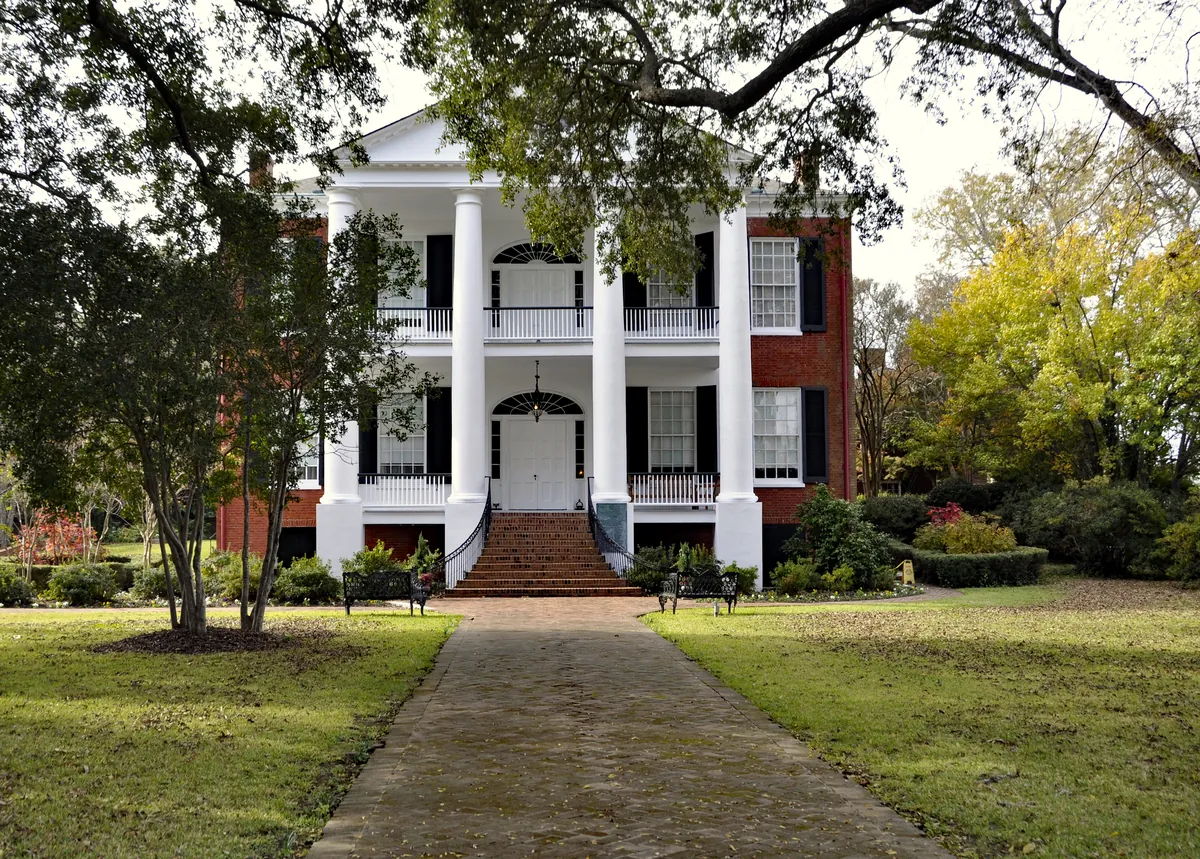
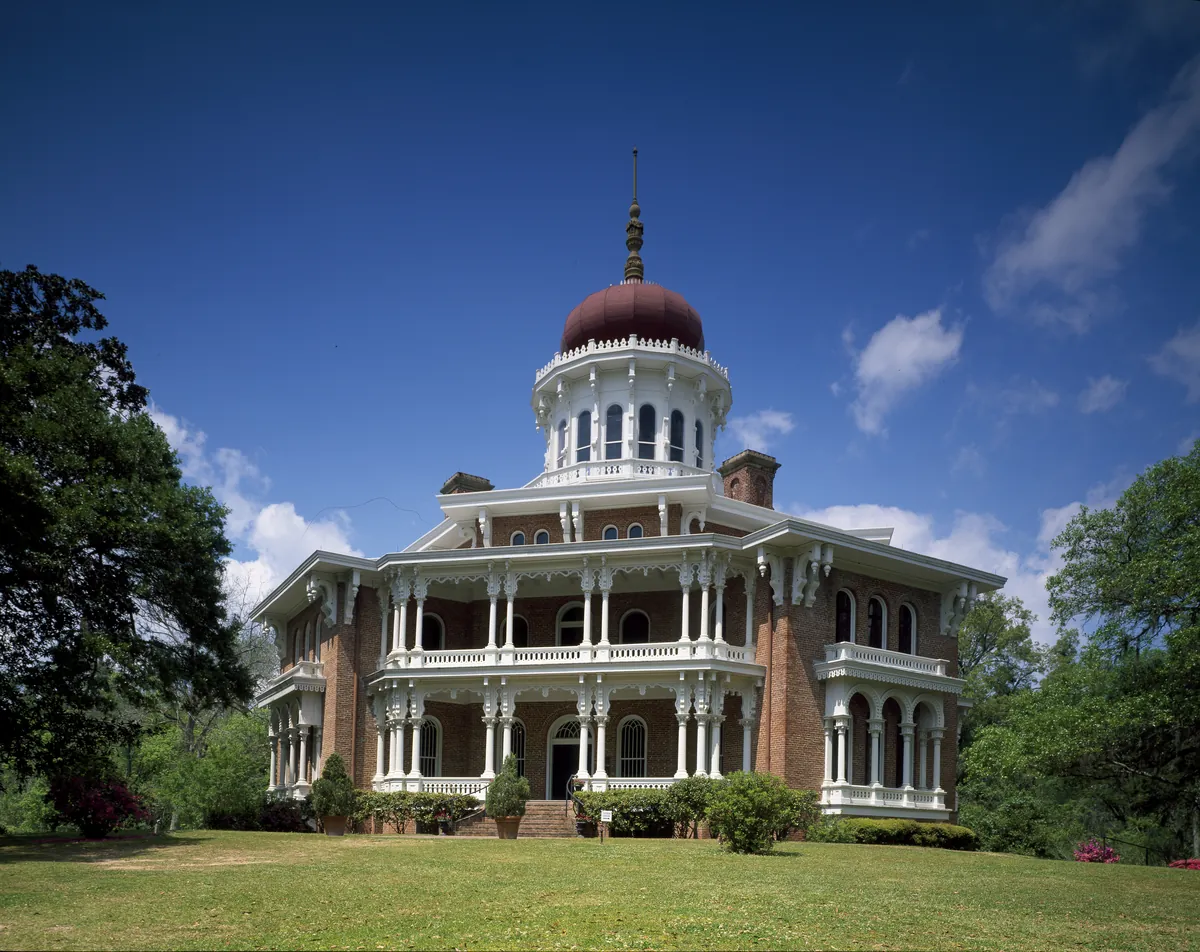
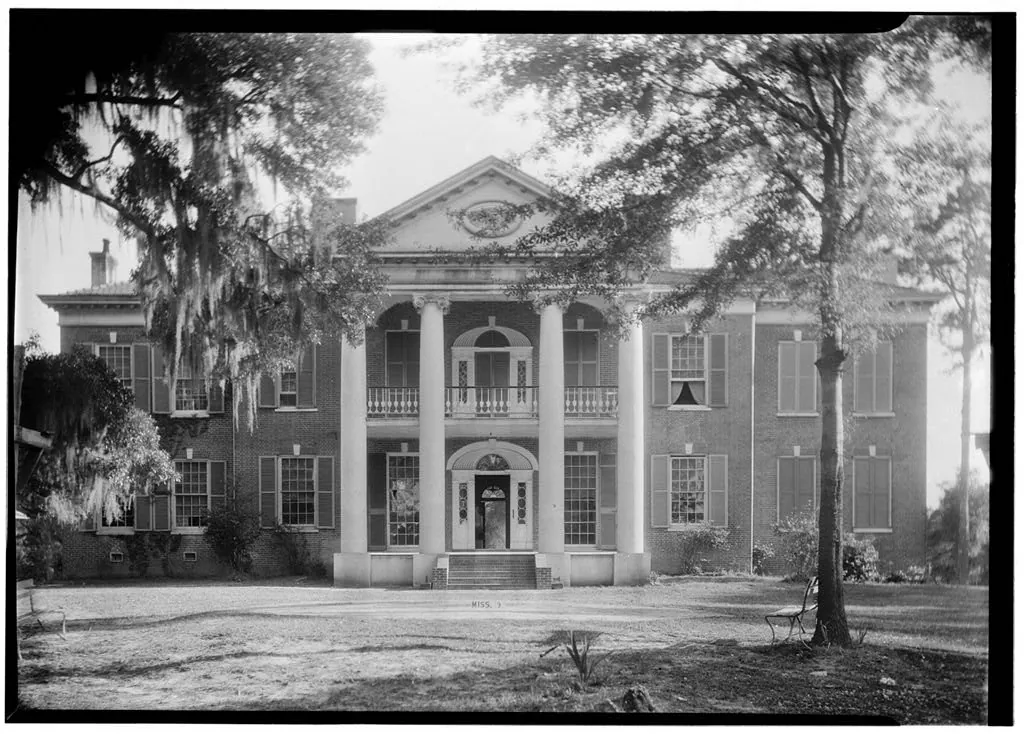
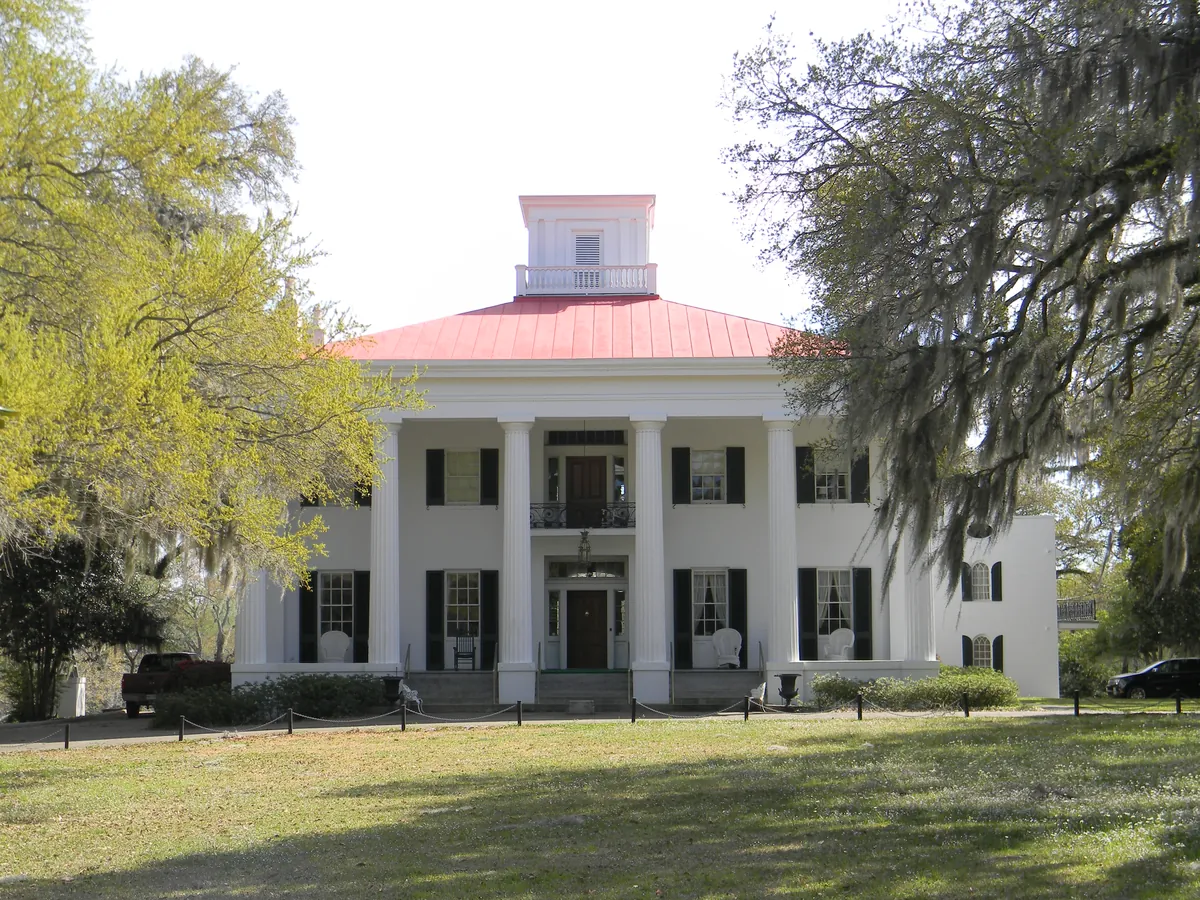
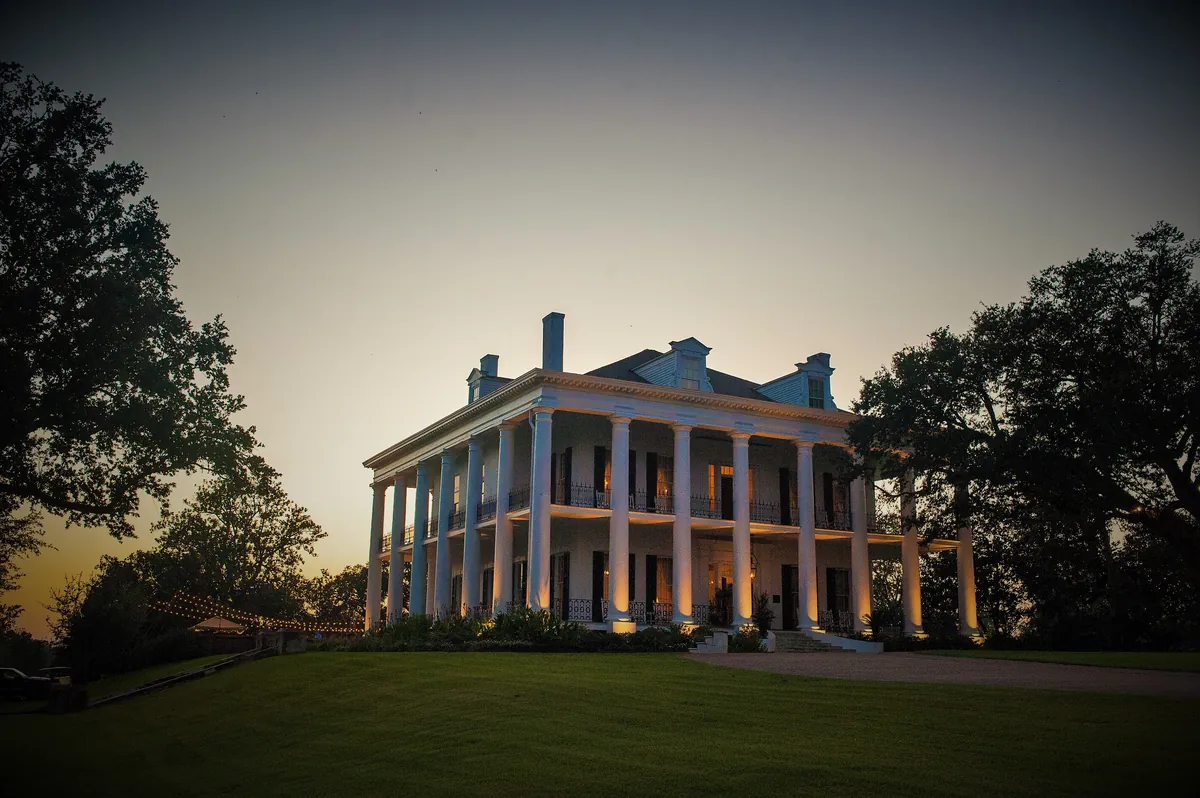
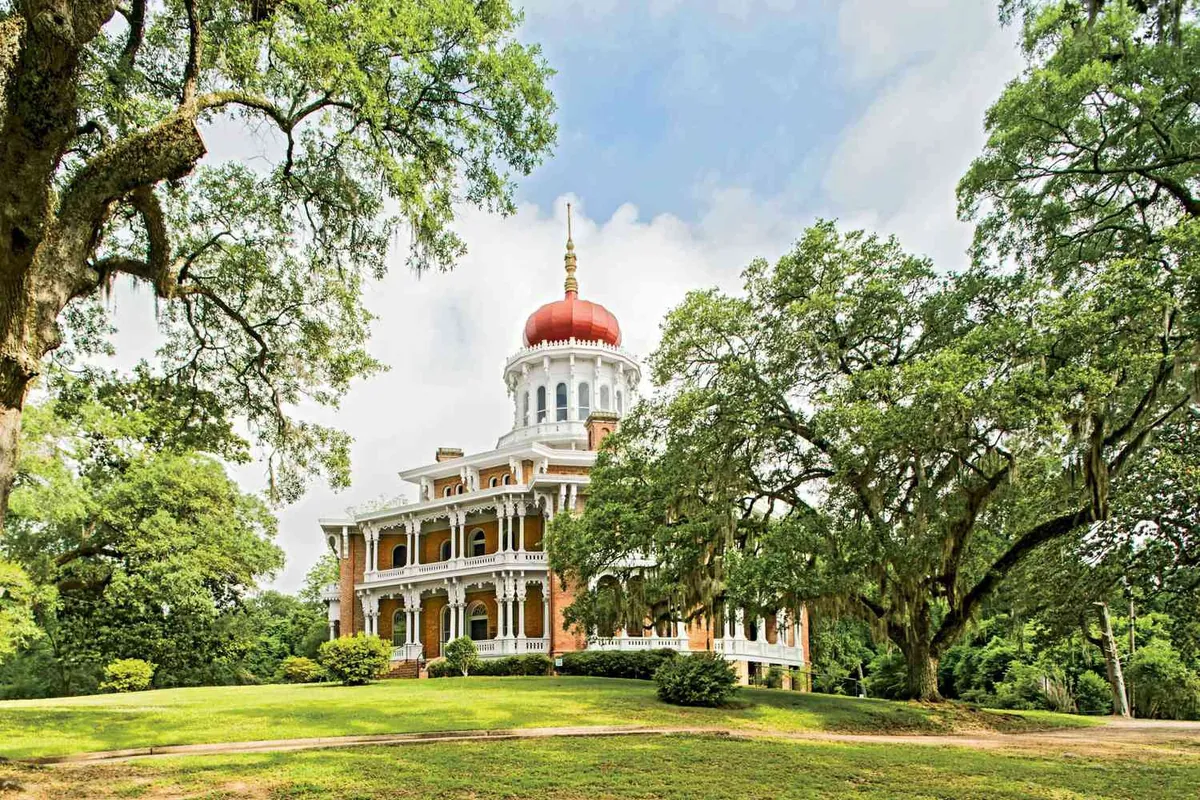
Natchez was among the wealthiest cities in the United States before 1860, built on cotton plantation wealth, and the cotton planters spent the money where everyone could see it. Auburn went up first in 1812 — Lyman Harding's prototype with the freestanding spiral staircase that every later mansion copied. Rosalie followed in 1823, on the bluff where the French built Fort Rosalie in 1716. Dunleith wrapped 26 Tuscan columns around all four sides in 1856. Stanton Hall took a full city block in 1857 with materials shipped from Europe. Magnolia Hall finished in 1858. Three years later everything stopped.
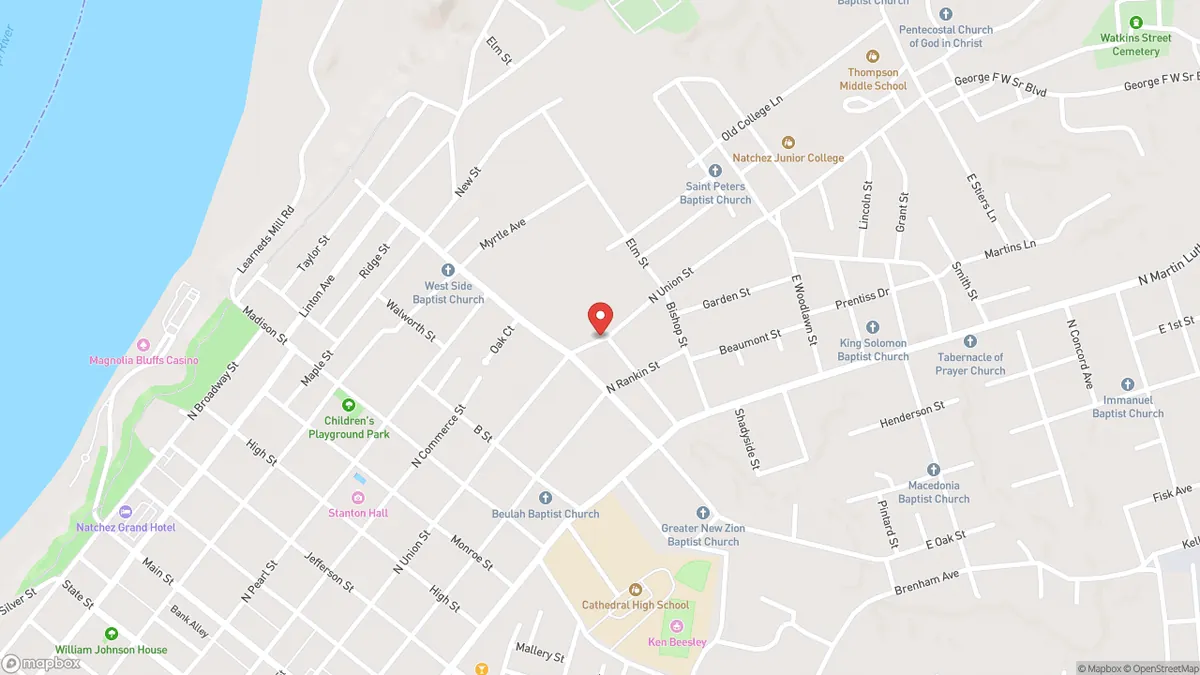
The Trace begins where the bluff drops to the river, and the first 30 miles hold what Natchez tried not to look at. The Briars is where Jefferson Davis married Varina Howell in 1845. Temple B'nai Israel, Moorish Revival, 1906, marks a cotton-merchant Jewish community that arrived in the 1840s. The 1940 cantilever bridge to Vidalia crosses one of the river's hardest bends. And the Rhythm Night Club Memorial holds 209 names — a corrugated-tin dance hall that burned on April 23, 1940, the deadliest fire in Mississippi history.
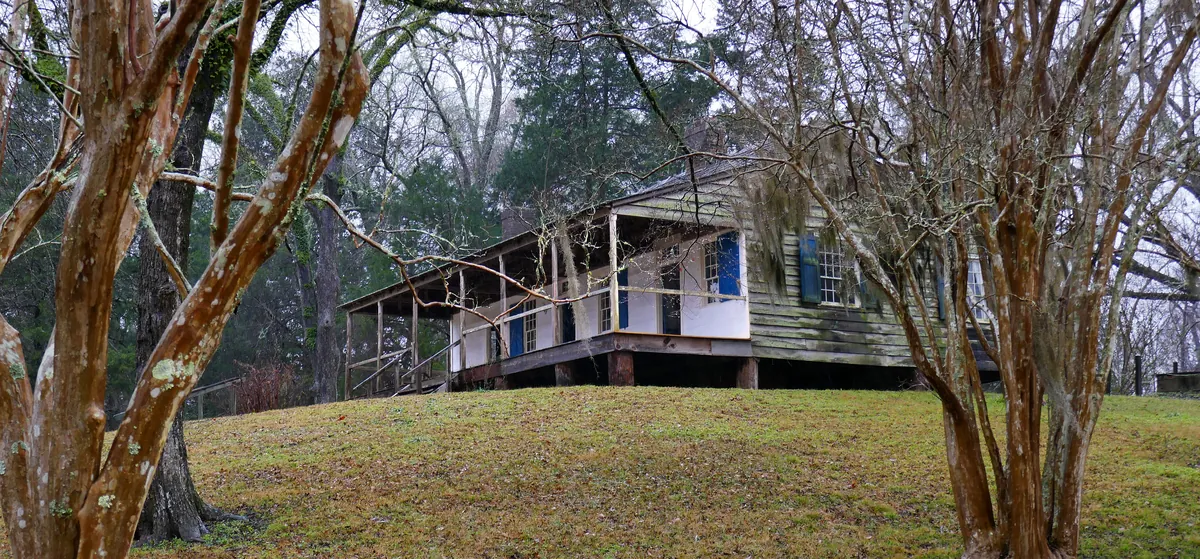
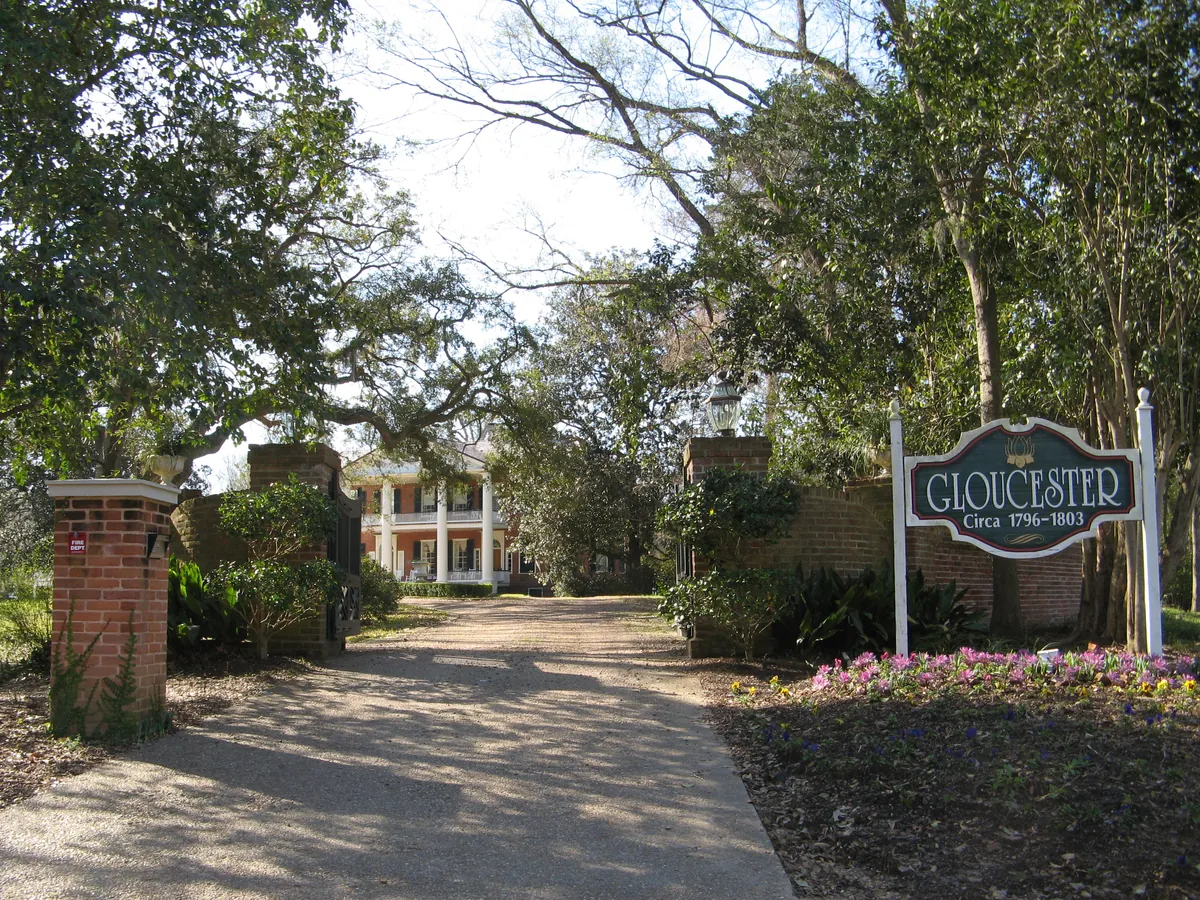
Under-the-Hill was the vice district at the river landing — gambling, brothels, flatboat crews drinking off whatever they had just hauled down — and the bluff above it was the polite city that pretended not to know. The 444-mile Natchez Trace begins here, following a footpath the Natchez and Chickasaw walked for centuries before Kaintuck boatmen used it to walk home with the flatboat money. Mount Locust, 1780, is the only surviving Trace stand. Gloucester housed Winthrop Sargent, first territorial governor, after 1803. Washington was the territorial capital until 1802, when it moved to Natchez. The Trace built all of it.
The Mississippi cut these bluffs out of windblown silt. The Loess Hills crest where the river bends, the bottomlands flood when the engineers say to, and the mounds were here longer than any of it. with a detour through the oxbows and earthworks the river carved around itself.
Reading
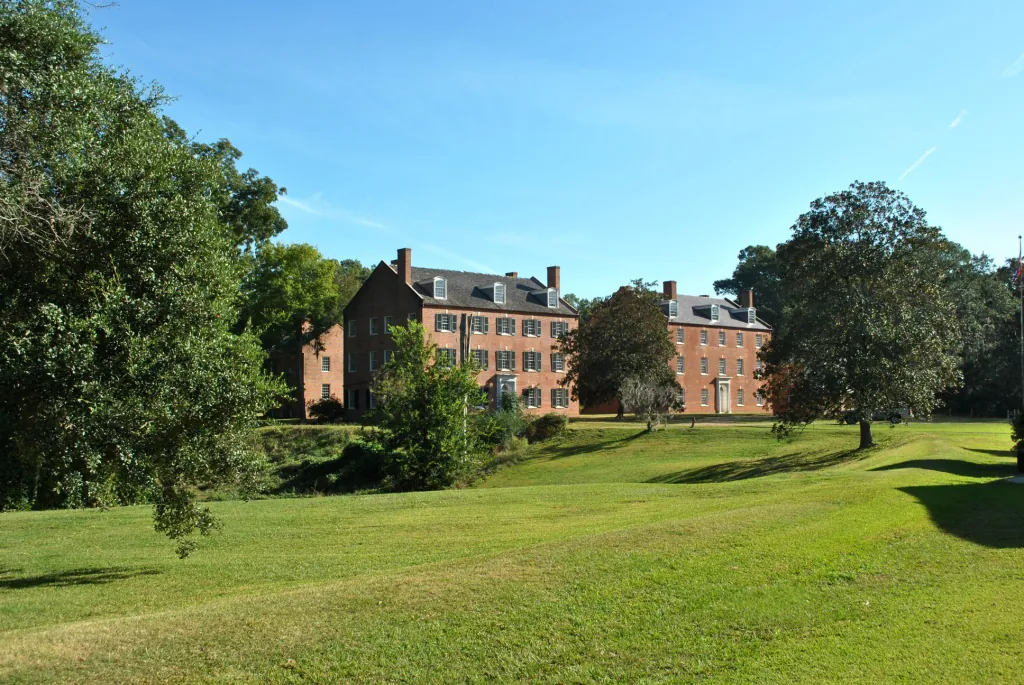
From 1802 to 1817, Washington, Mississippi — six miles east of Natchez — was the capital of the Mississippi Territory, the place where American authority over the lower river was being worked out in real time. Jefferson College opened here in 1802, the first educational institution chartered in the territory, named for the president who authorized it. Five years later, Aaron Burr was arrested in Washington after his western conspiracy collapsed — no breakaway empire, just federal custody at the edge of the continent. John James Audubon taught drawing at Jefferson College. The capital eventually moved, statehood came, and the buildings that remain are now a restored village operated by the Mississippi Department of Archives and History. What you see there is what a territorial government looked like before the outcome was settled — which is to say, precarious, improvised, and consequential.
The mansions are what Natchez sells. What the mansions required is harder to see — most of the quarters that housed enslaved people were demolished, hidden, or absorbed into later structures long ago. What survives, visible from the public road, are brick dependencies dating to the 1840s: not a museum piece, not a restoration, just walls that are still standing. A mile from downtown, at the intersection of Liberty Road and St. Catherine Street, the site of the second-largest slave market in the Deep South operated between 1832 and 1863 — only New Orleans moved more people. An estimated 200,000 were sold here, many marched overland from Virginia in coffles along the Natchez Trace. Founded by Natchez native Ser Boxley, the museum collecting this history holds artifacts, photographs, and oral histories spanning slavery through the civil rights movement. The bricks and the records exist. The city is finally learning to stand in front of both.
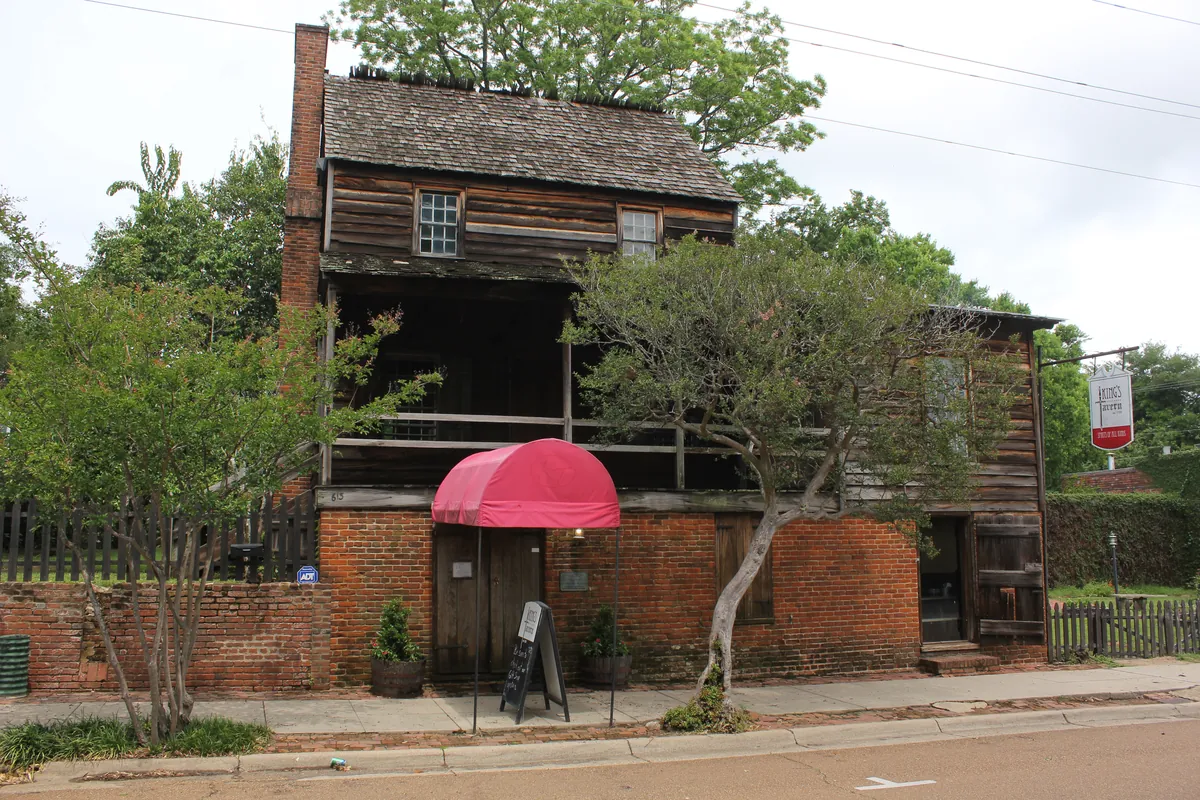
The Natchez Trace began as a path — buffalo first, then Choctaw and Chickasaw, then the flatboatmen called Kaintucks who floated goods downriver to Natchez or New Orleans and walked home from here. Natchez was the hinge: where the river commerce stopped and the overland return north began. Over fifty inns and stands operated along the route when traffic peaked around 1810. One survives, at milepost 15.5 — built circa 1780, open to the public, with a section of the original sunken Trace still visible in the woods behind it. At the southern terminus, a tavern built circa 1789 still stands at the start of that long walk home. During renovations in the 1930s, workers found three skeletons sealed behind a wall. It is now a restaurant. The Parkway itself — 444 miles to Nashville, no stoplights, no commercial vehicles — has been a National Park Service road since 1938.
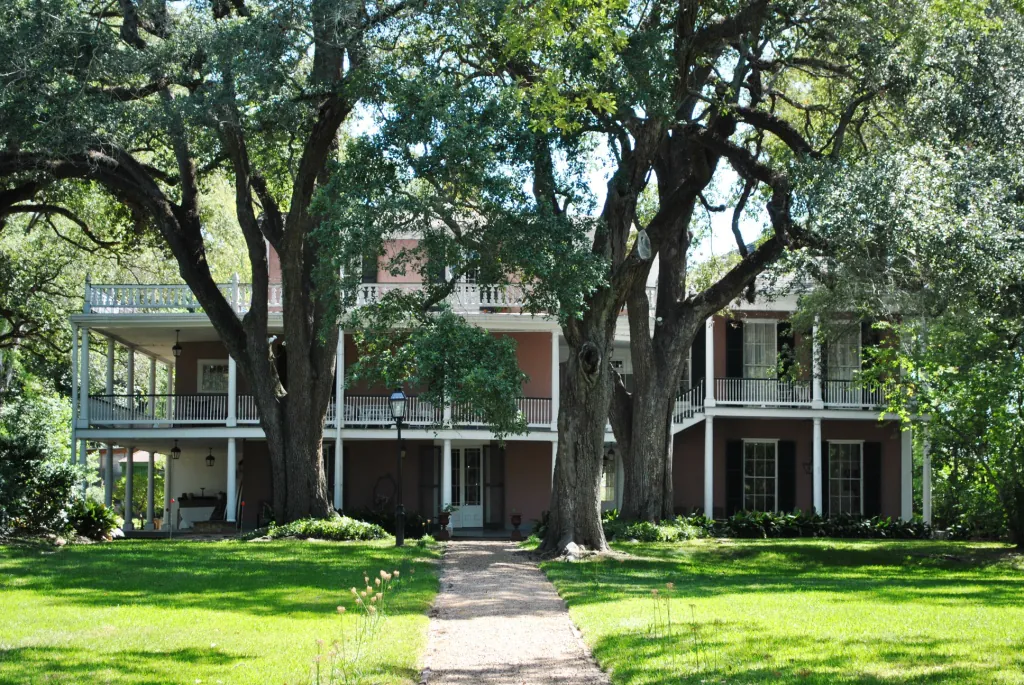
Natchez spent most of its first century unsure which empire owned it. The French built Fort Rosalie on the bluff in 1716. The British took it after the Seven Years' War. Spain seized control in 1779 and held on even after the Treaty of Paris handed the territory to the United States — not yielding until 1797, when an American flag finally went up over the bluff. By then, The Elms had already stood for fifteen years: a Spanish cottage built in 1782, when this town belonged to the Crown in Madrid. After 1798, American owners expanded the original structure, and you can read the change in the architecture if you know how to look — a house that grew when the people inside it changed nationality without moving. Over 240 years of continuous use. The city that formed around it was always something other than its current flag suggested, and the buildings remember.
Before it was a parkway, it was a path beaten into the earth by thousands of years of use. Buffalo herds, Choctaw and Chickasaw hunters, and then the Kaintuck flatboatmen who floated goods down the Mississippi to Natchez and New Orleans, sold their boats for lumber, and walked the 500 miles home to Nashville. The Trace was the most important overland route in the American interior from 1785 to 1820. Bandits like the Harpe brothers and John Murrell preyed on returning boatmen carrying cash. The steamboat killed the Trace by 1830 — why walk when you can ride upstream? The National Park Service turned it into a 444-mile scenic parkway in 1938. Natchez is mile zero.
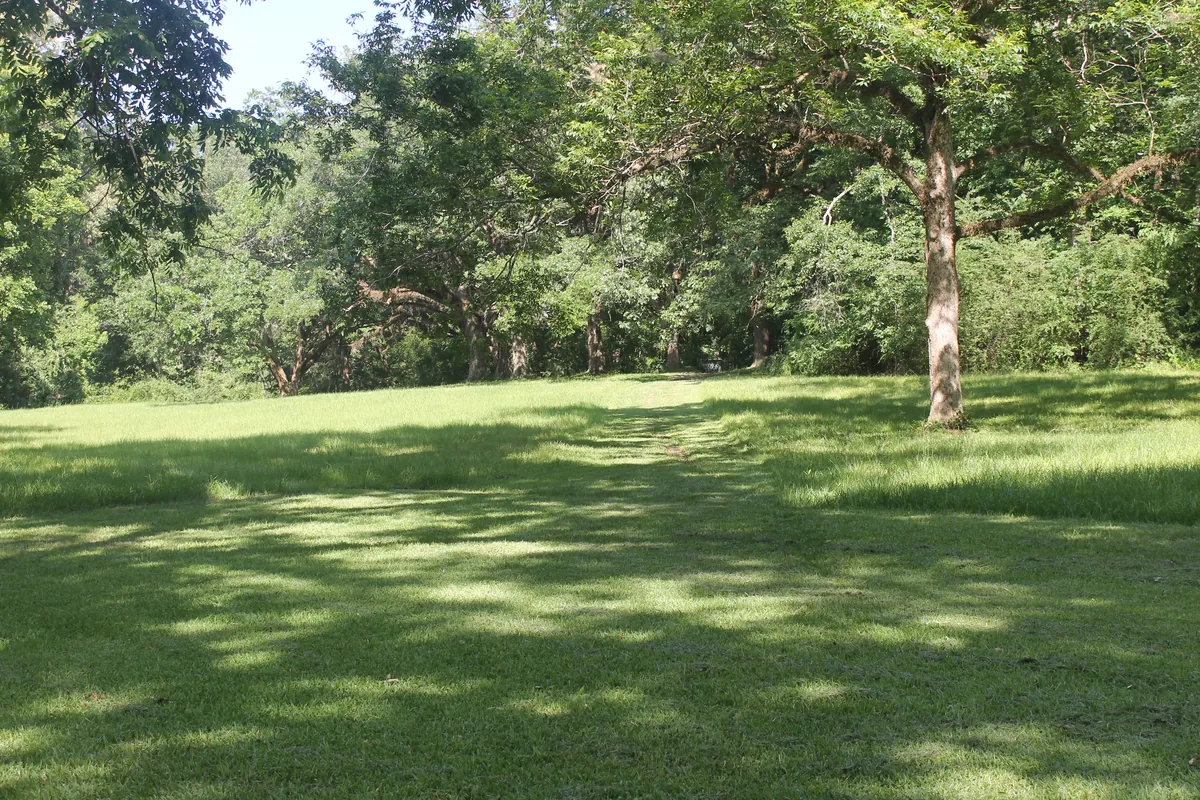
Revolutionary War veteran Isaac Ross arrived in Jefferson County from South Carolina in the 1790s, bringing hundreds of enslaved people to clear land and grow cotton. He built Prospect Hill into one of the wealthiest plantations in the Natchez District. But Ross did something almost no planter of his era did: he wrote a will, in 1834, ordering that his plantation be sold and the proceeds used to transport his 160 enslaved people to Liberia as free citizens. He stipulated that no families be separated, and that anyone who chose to stay would work for wages and be freed eventually. Ross died in 1836. His grandson, Isaac Ross Wade, immediately challenged the will — he wanted the people and the land. He blocked the manumission for over a decade. During that time, a revolt broke out on the plantation. The main house burned to the ground, almost certainly set by the enslaved people who were being denied their freedom. A few months later, the Mississippi Supreme Court upheld Ross's will. In 1849, approximately 120 of the original 160 enslaved people sailed for West Africa. They founded a settlement called Mississippi in Africa, which became part of Sinoe County, Liberia. Descendants still live there today. Mississippi State University archaeologists excavated the site in 2023, uncovering artifacts from the enslaved community — the other side of the plantation story that the big house never told. The Archaeological Conservancy acquired the property in 2011 and has worked to stabilize the deteriorating structures. The property is now privately owned and undergoing restoration. Portage does not pin private residences — this story is told at the county level because the site is not open to the public.

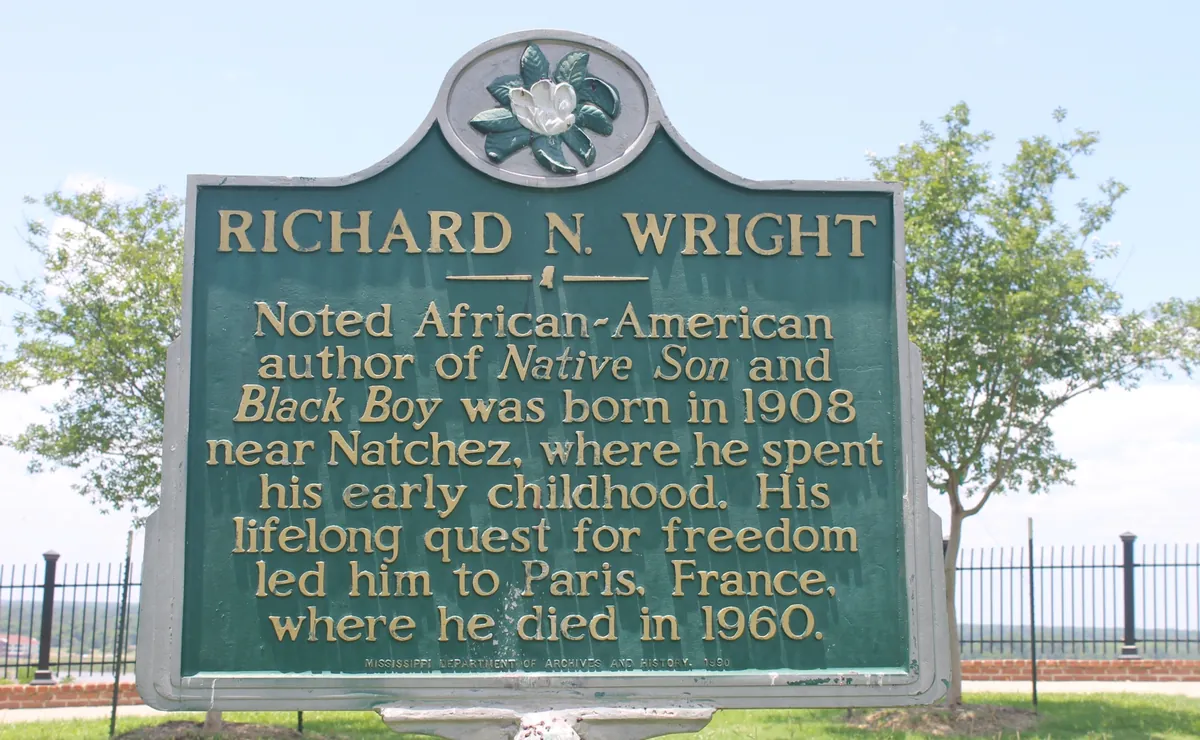
Richard Wright was born on a plantation near Natchez in 1908. Black Boy — his autobiography of growing up Black in the Jim Crow South — opens in Natchez with a scene so vivid it defined a genre: a four-year-old Wright setting fire to his grandparents' house out of boredom and terror. The poverty, hunger, and racial violence he experienced in Mississippi became the raw material for Native Son and the rest of a body of work that changed American literature. Greg Iles, a contemporary Natchez native, has set his Penn Cage thriller series in a fictionalized version of the city, exploring the layers of race, power, and history that make Natchez what it is. The city generates literature because its contradictions demand explanation.
Natchez was always two cities: the mansions on the bluff and the chaos below. Under-the-Hill was the riverfront landing where Kaintuck flatboatmen ended their trip downriver and started the overland walk home on the Natchez Trace. Gamblers, prostitutes, con men, and slave traders mixed with boatmen, merchants, and soldiers in a stretch of wooden buildings that hung over the water. It was one of the most dangerous places on the 19th-century frontier. Floods washed most of it into the Mississippi. What survives — a single block on Silver Street — still has the feel of a place that exists outside the rules of the city above it. The Under the Hill Saloon anchors it. Steamboats still dock there. The bluff still rises behind it like a wall between worlds.
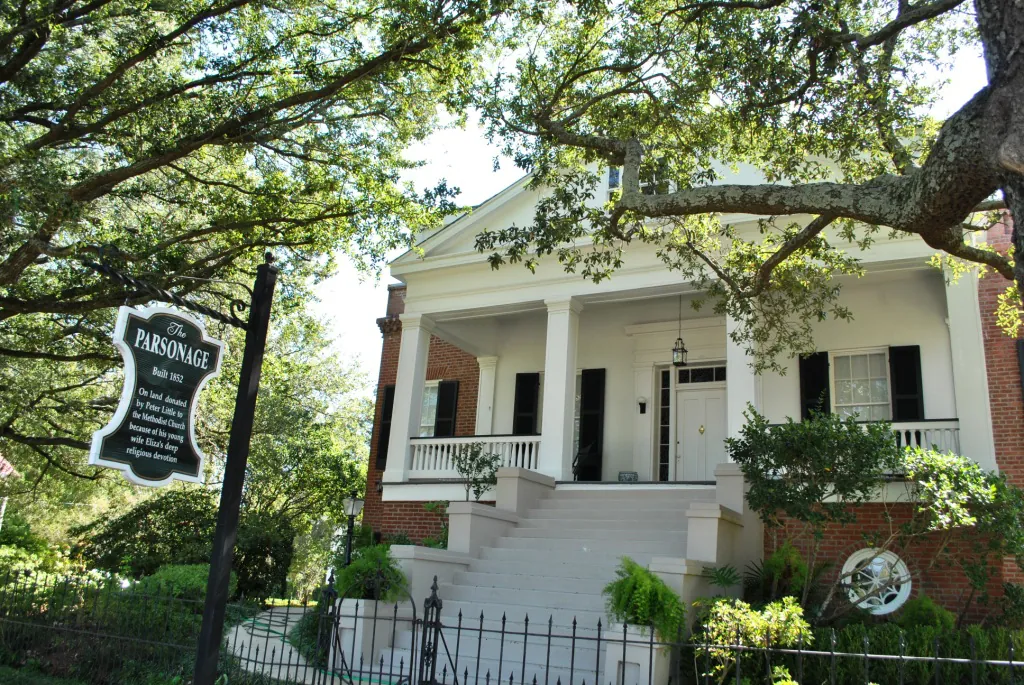
In 1932, during the Depression, a group of Natchez women had an idea: open the mansions to paying visitors. There was no other money coming in. The first Pilgrimage was an economic survival strategy that became the model for every historic home tour in the American South. Nearly a century later, two garden clubs — the Pilgrimage Garden Club and the Natchez Garden Club — run competing spring and fall pilgrimages, each opening a different set of private homes. Some of these houses are never otherwise accessible to the public. The Pilgrimage created Natchez's tourism economy and preserved the mansions that would otherwise have been demolished. It also, for decades, told only the planter's version of Natchez history. That narrative is slowly changing.
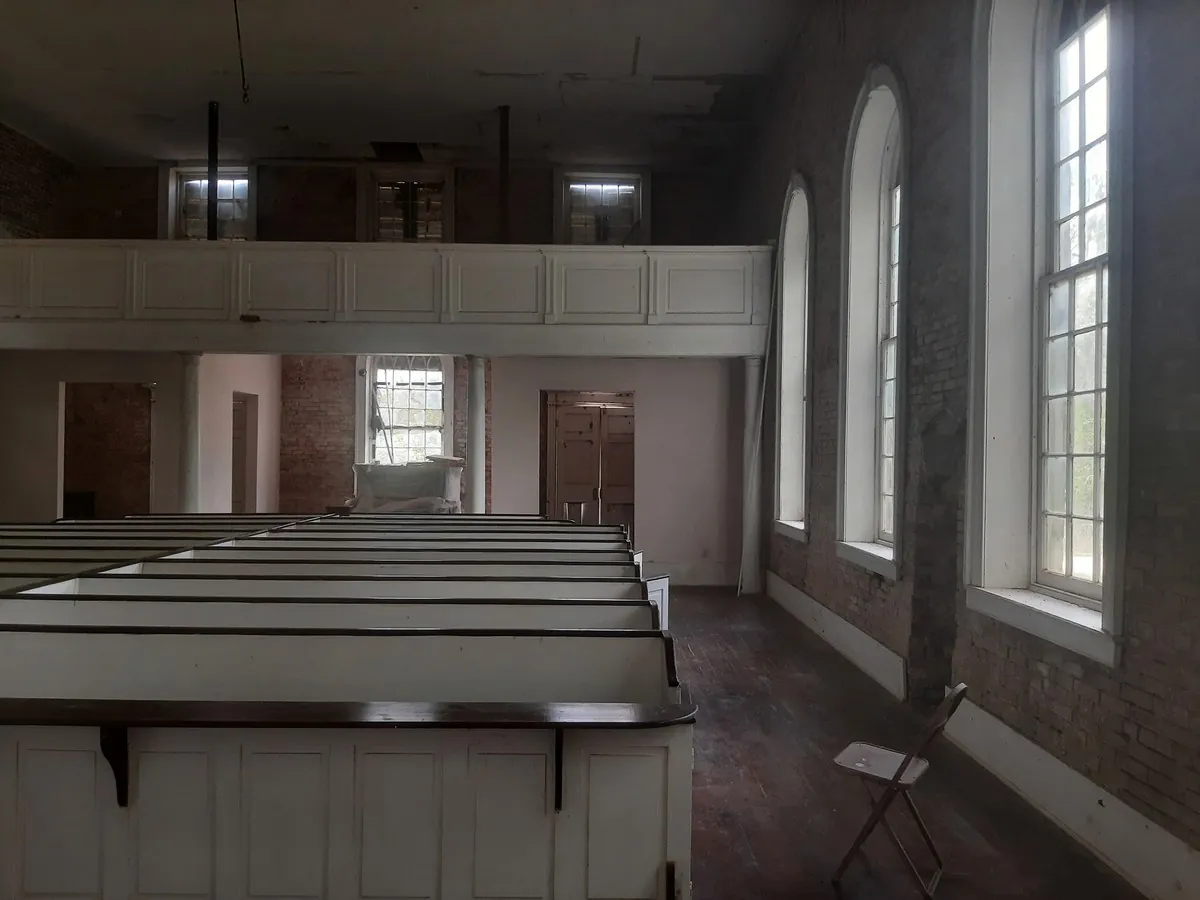
Jewish merchants and cotton traders began arriving in Natchez in the 1840s and quickly became some of the city's most prominent citizens. They built Temple B'nai Israel — now a Moorish Revival landmark — and operated businesses on Main Street. During the Civil War, some served in the Confederate army; others navigated the occupation as neutral merchants. The Jewish community maintained deep roots in Natchez for over a century, though the congregation has shrunk dramatically. Their story adds a layer to Natchez that complicates the simple Black-white narrative most visitors arrive with.
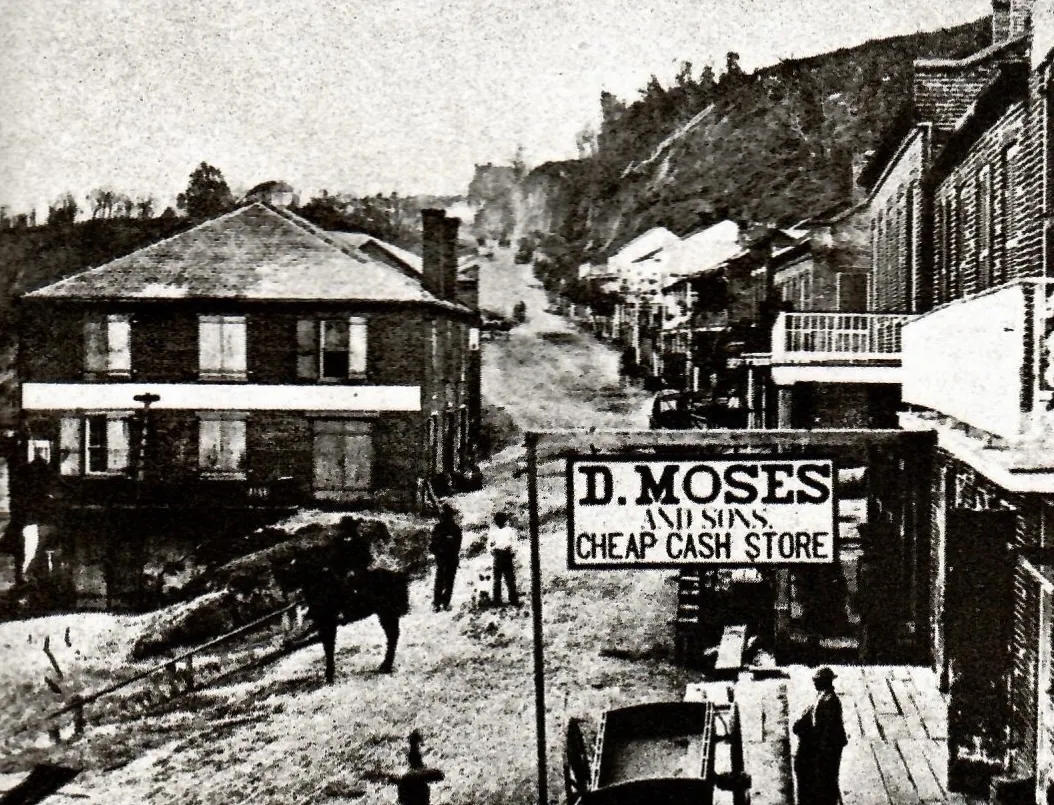
By 1860, Adams County — with Natchez as its seat — was the richest county in the United States by per capita wealth. The wealth was cotton. The labor was enslaved. More millionaires lived within a few miles of Natchez than anywhere else in America. They built the mansions tourists visit today. But the wealth wasn't created in Natchez; it was created on plantations in the surrounding countryside by tens of thousands of enslaved people who never saw the inside of those mansions except to serve. The Forks of the Road slave market processed an estimated 200,000 people. The Natchez District was the endpoint of one of the largest forced migrations in American history — the domestic slave trade that marched people overland from Virginia and the Carolinas to be sold in the cotton frontier. The mansions are beautiful. What paid for them was not.
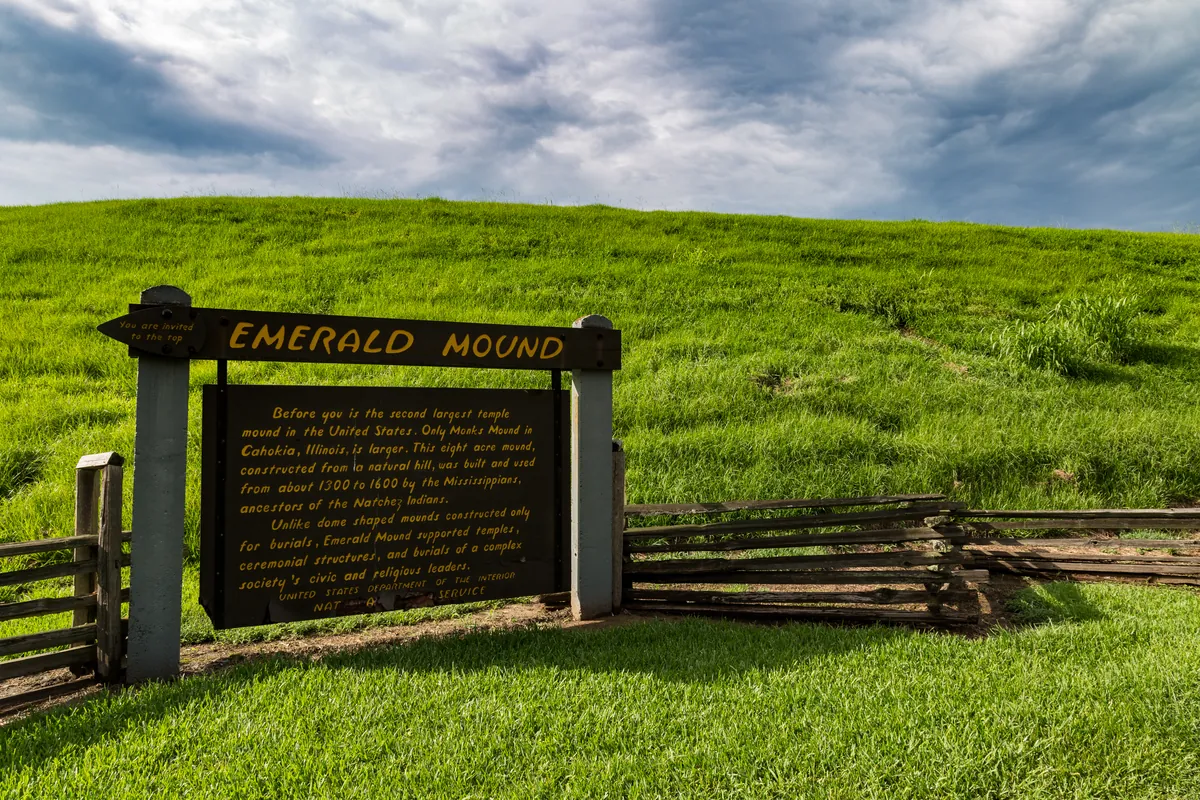
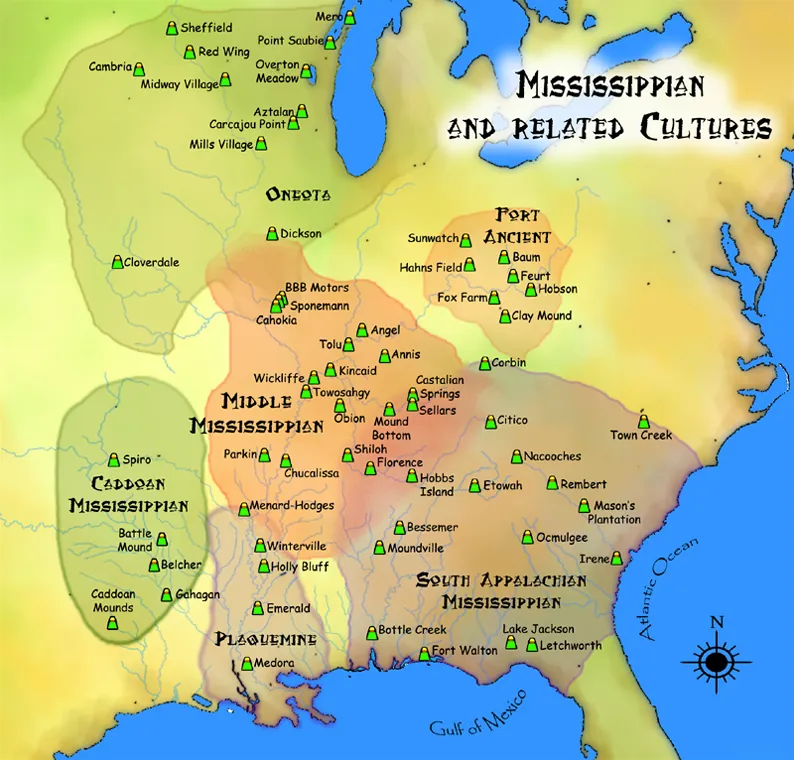
The Natchez were the last Mississippian culture in North America still practicing mound ceremonialism when the French arrived. Their society was rigidly stratified: the Great Sun at the top, then Nobles, Honored People, and Stinkards at the bottom. The Temple Mound at the Grand Village housed a sacred perpetual fire tended day and night. French explorers documented ceremonies, political structures, and daily life in astonishing detail — the only real-time European account of a functioning Mississippian chiefdom. In 1729 the Natchez attacked Fort Rosalie in a coordinated uprising. The French retaliation was so total that the Natchez nation was scattered — survivors absorbed by the Chickasaw, Creek, and Cherokee, or sold into slavery in the Caribbean. The city that carries their name was built on their erasure. The Grand Village survives. So does a small community of Natchez descendants in Oklahoma.
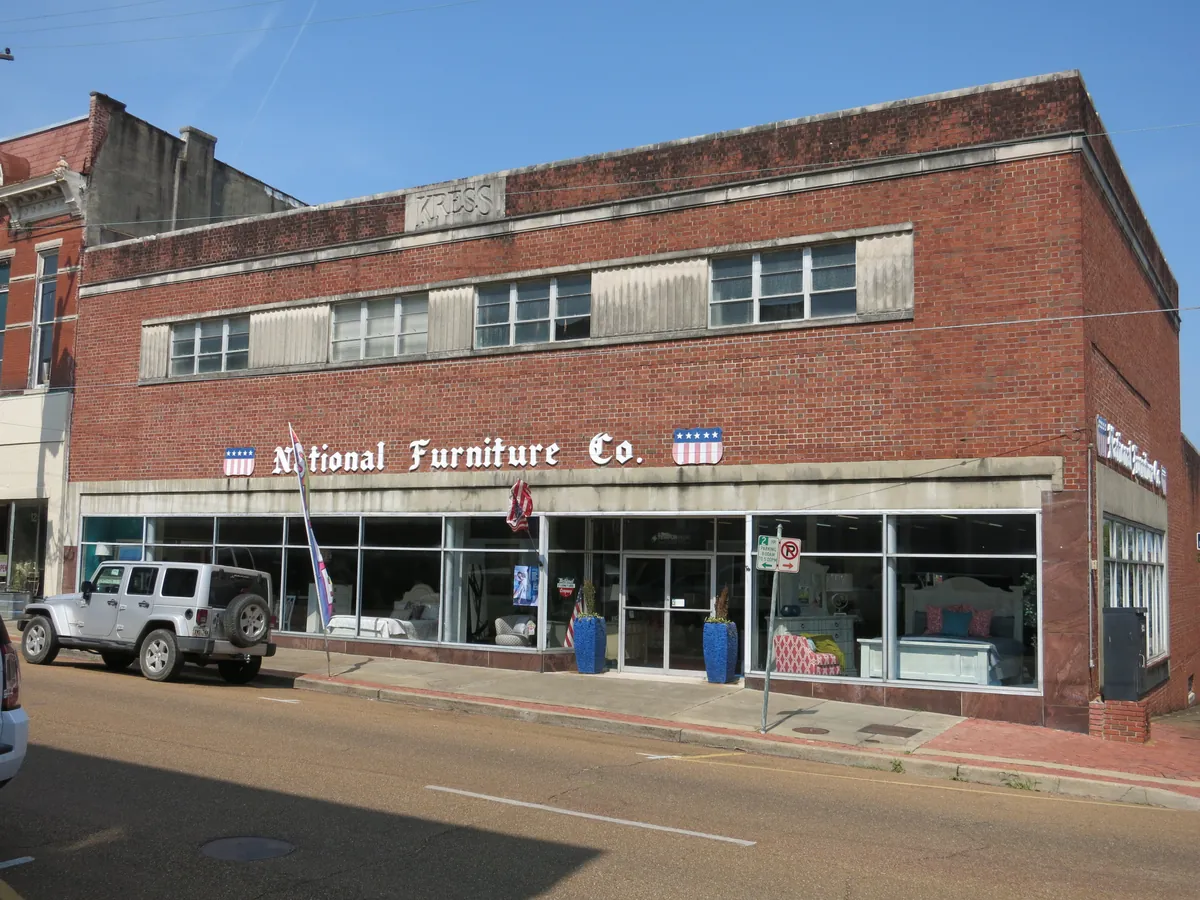
Natchez in the 1960s was one of the most dangerous places in Mississippi for Black people organizing for their rights. The Ku Klux Klan had an active, violent chapter. Churches were bombed. NAACP leader Wharlest Jackson was murdered by a car bomb in 1967. Charles Evers — brother of slain civil rights leader Medgar Evers — organized boycotts of white-owned businesses. The Deacons for Defense, an armed self-defense organization, operated in Natchez to protect civil rights workers. The movement in Natchez was less nationally visible than Jackson or Selma, but no less dangerous and no less courageous. The city is only now beginning to memorialize this chapter of its history with the same attention it gives to its antebellum past.
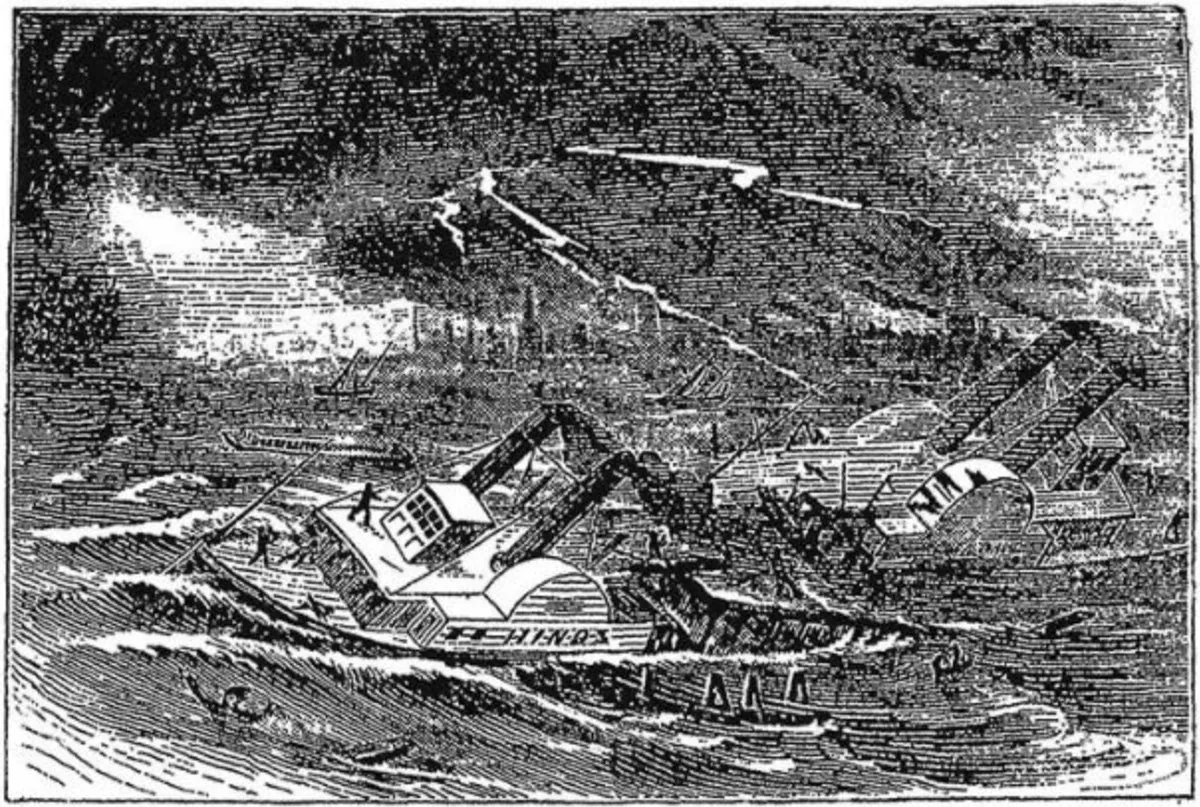
Lost places
Happening this month
Tickets & Shows
Before you go
Grant moves into the town, not through it — madam, prince, garden club feuds, the actual weight of the place before you arrive.
Watch the hoop skirts and the whitewash before you arrive. The town will make more sense — and cut deeper.
Plan your trip
The only thing left to do is go.
Some of these are partner links — if you book through them, Portage may earn a commission at no extra cost to you.
Plan your visit
Editorial content compiled with AI assistance. Place details verified against public records.