Northern Arizona
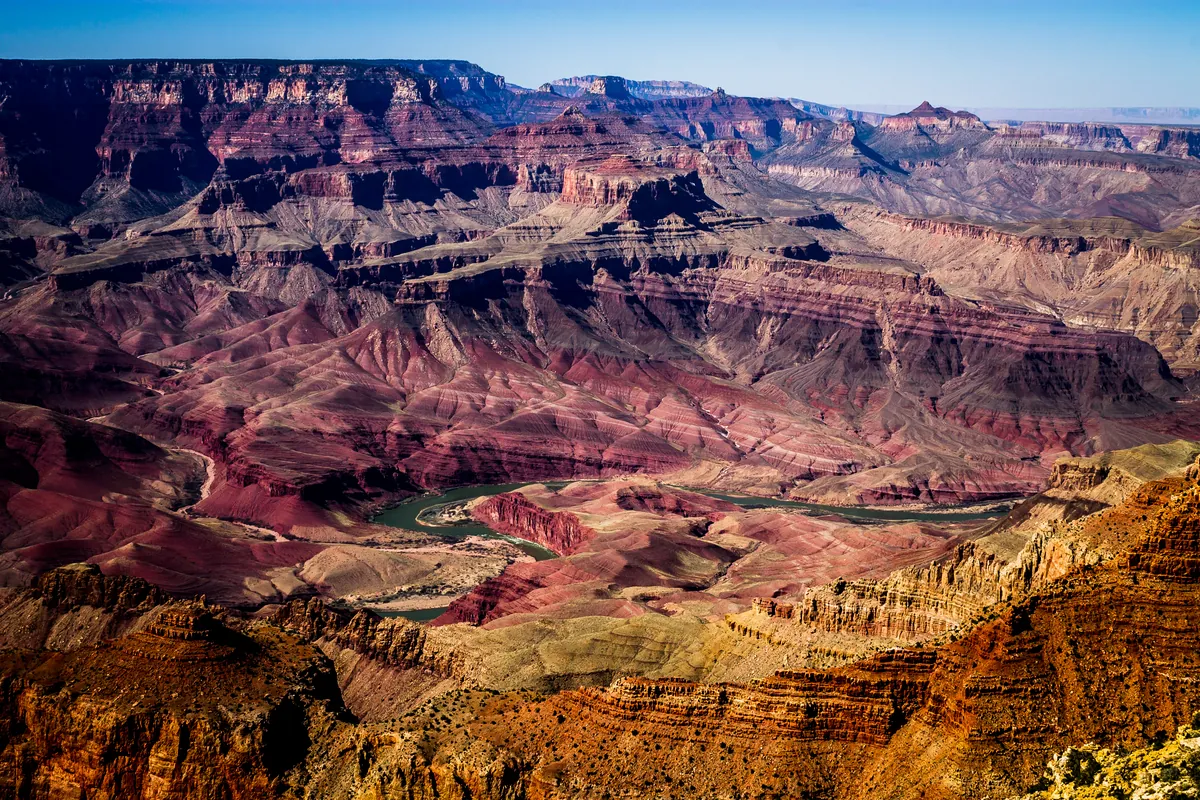
Standing at the edge of the canyon, 7,000 feet up, with the Milky Way overhead and the Navajo Nation on the horizon.
Flagstaff sits at 7,000 feet, where the largest contiguous ponderosa pine forest in the continental United States meets the Colorado Plateau. The San Francisco Peaks, Arizona’s highest range, rise just north of the city, their volcanic history enriching the soil. The Rio de Flag runs through it, though often only with the runoff of rain or snowmelt. This is high desert country, a place shaped by its elevation and the deep cut of ancient geology.
The Sinagua people first settled the area, their agriculture thriving on the volcanic ash from 11th-century eruptions. Later, the Yavapai and Northern Tonto Apache hunted these lands. The first permanent non-Native settlement arrived in 1876, built by Thomas F. McMillan. By 1882, the Atlantic and Pacific Railroad cut through, and by 1886, Flagstaff became the largest city on that line between Albuquerque and the West Coast. Logging and ranching built its early economy, driven by the Riordan and Babbitt families, who introduced electricity and established the town's first library. Northern Arizona Normal School, later Northern Arizona University, was founded in 1899, cementing education as a core institution.
In 1894, Percival Lowell established his observatory on Mars Hill. From this perch, Clyde Tombaugh discovered Pluto in 1930. The Lowell Observatory, alongside the U.S. Naval Observatory Flagstaff Station, later played a critical role in mapping the Moon for the Apollo missions, selecting landing sites for lunar modules. This work forged Flagstaff's enduring connection to astronomical discovery and space exploration.
When Route 66 arrived in 1926, the city's focus shifted from lumber to tourism. The railroad, previously the dominant force, opened a new depot to compete, and civic leaders pooled resources to build the Hotel Monte Vista. Flagstaff became a vital stop for travelers seeking the "City of Seven Wonders"—the Grand Canyon, Oak Creek Canyon, and the San Francisco Peaks.
The collective will to preserve what was built runs deep here. Downtown Flagstaff, having fallen into disrepair in the 1970s and 80s, was revitalized in the 1990s through preservation efforts. On October 24, 2001, Flagstaff became the world's first International Dark-Sky City, a designation born from decades of deliberate measures to reduce light pollution, supported by its observatories and a community that understood the value of an unmarred night sky. This heritage of careful stewardship of the land, the sky, and its past defines Flagstaff, a place that builds to endure.