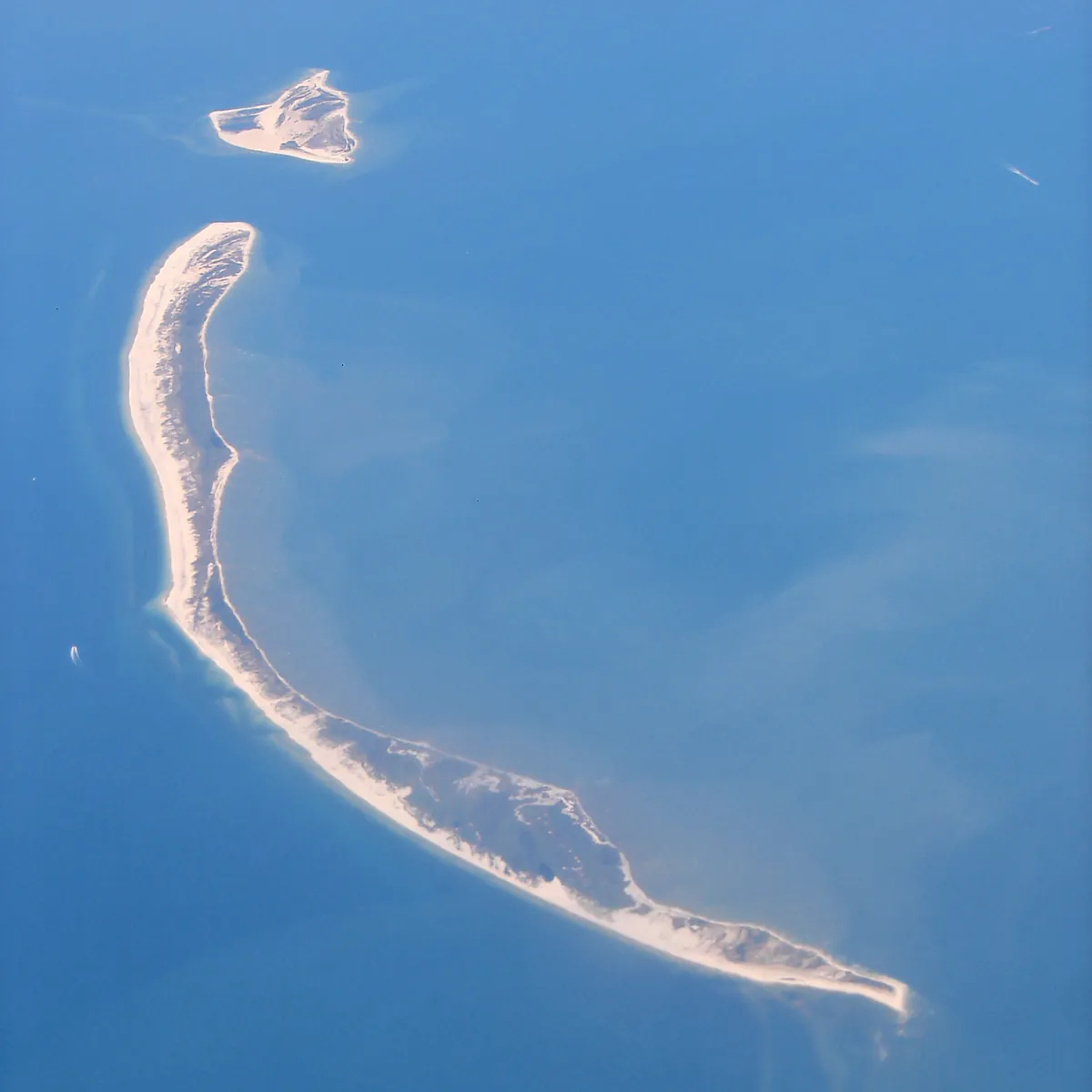
When Pierre Le Moyne d'Iberville's expedition arrived in 1699, they found a pile of bones on the western shore. Hundreds of them, human, bleached and scattered. Iberville named the place Île Massacre — Massacre Island — and moved on.
The bones were not from a massacre. They were from a burial. The Pensacola people had been coming to this island for centuries, harvesting oysters in the winter and spring, burying their dead here. A hurricane had exposed the burial, scattering the bones across the sand. Iberville saw catastrophe and named it accordingly.
Eight years later, the French renamed the island for the Dauphin — heir to the French throne. The massacre name disappeared from the maps. The bones were still there, under the shell middens, waiting. Archaeologists confirmed the full story in 1990 when Gregory Waselkov of the University of South Alabama excavated Indian Mound Park and documented the oyster-steaming pits, the seasonal camp layers, the centuries of careful use before any European gave the place a name.
The mounds are still there. The first European name for this island was based on a misreading. The thing that was actually there — a thousand years of people coming to fish and eat oysters — outlasted it.