Top picks in Whitefish
The places most worth your time here.

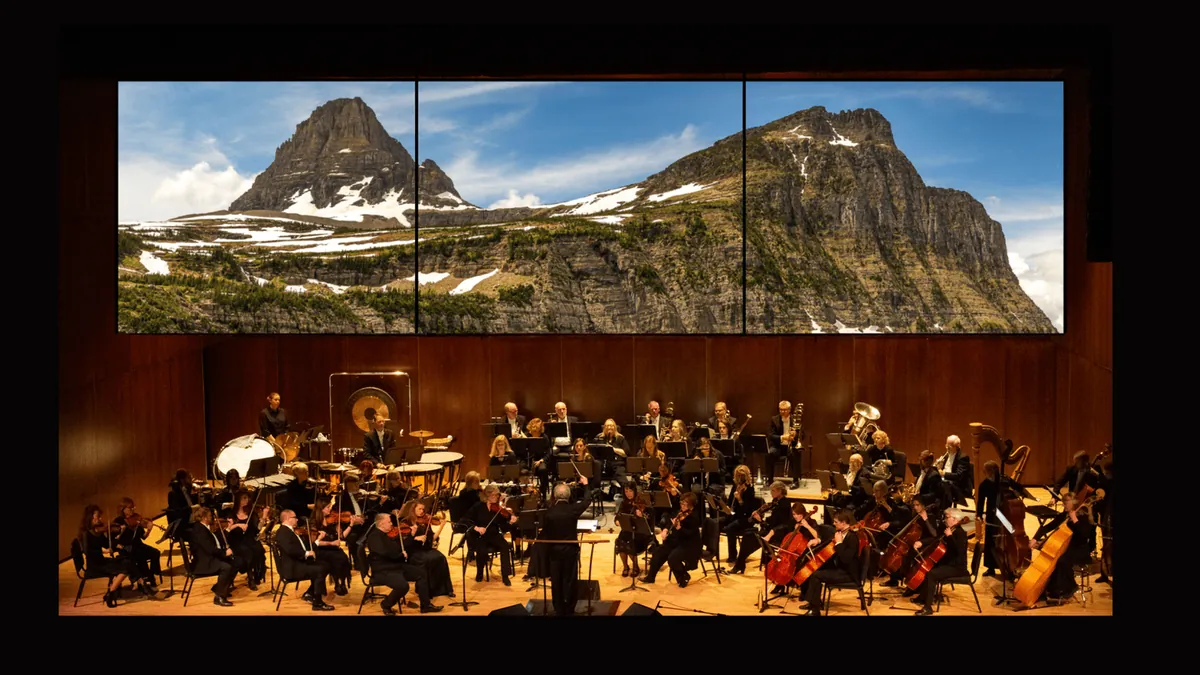
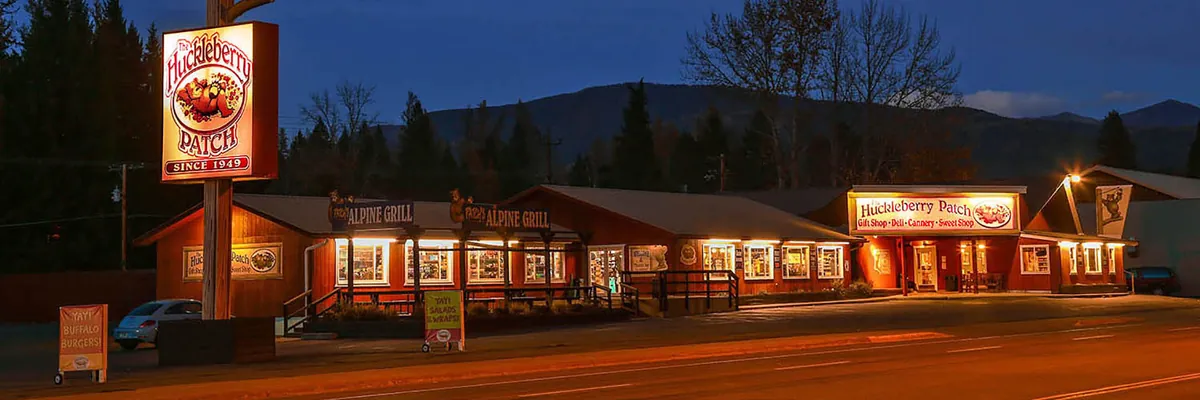
Connect your Cour circle to see which places friends and family recommend here.
Connect Cour →Landmarks
58 places worth the detour
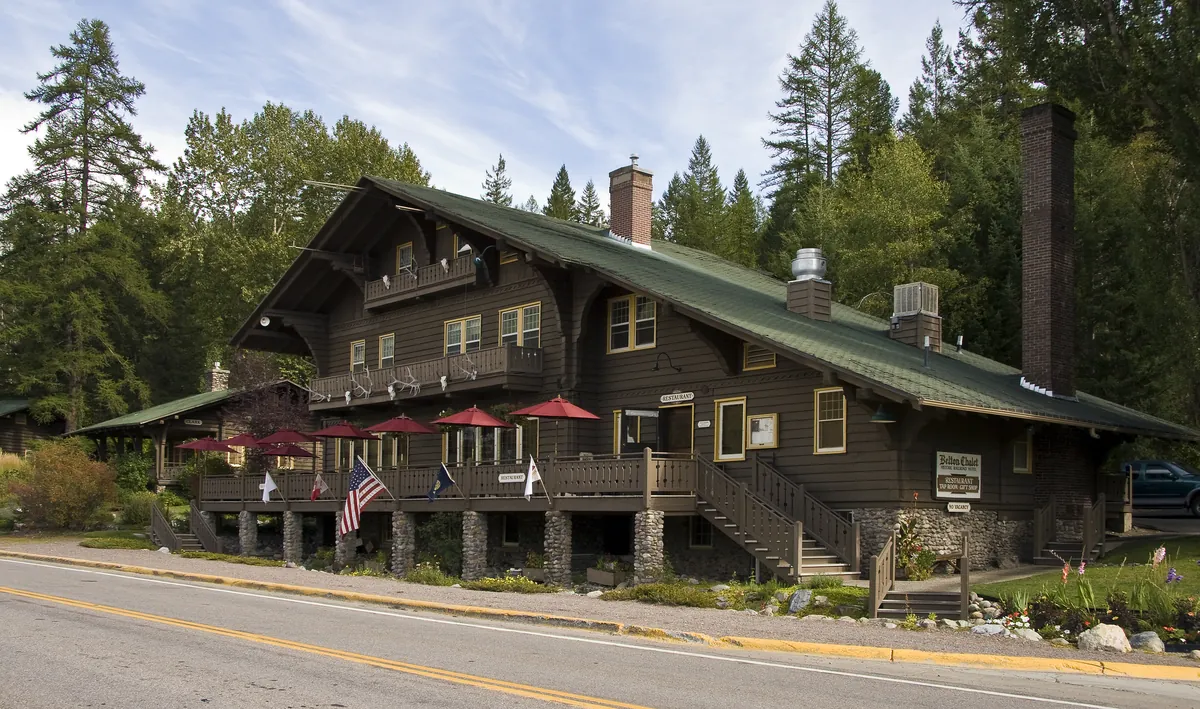
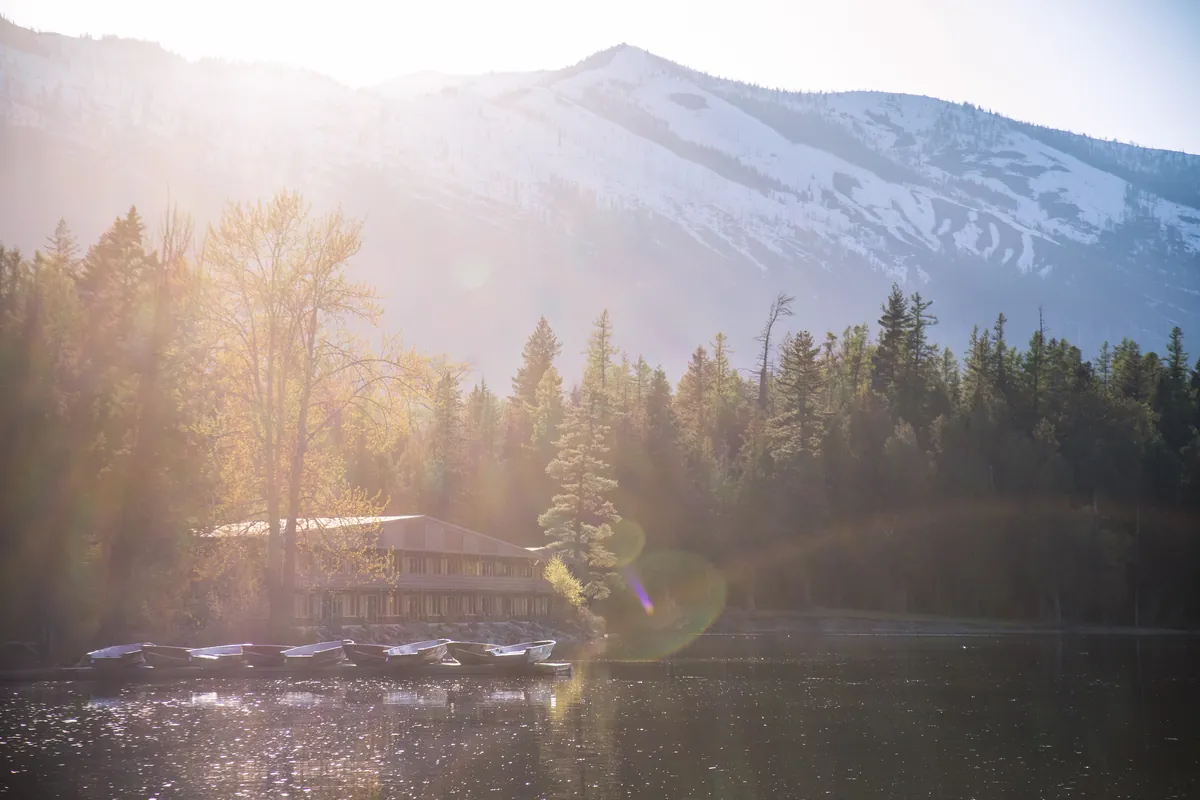
tap the eye to open · swipe or use buttons to browse
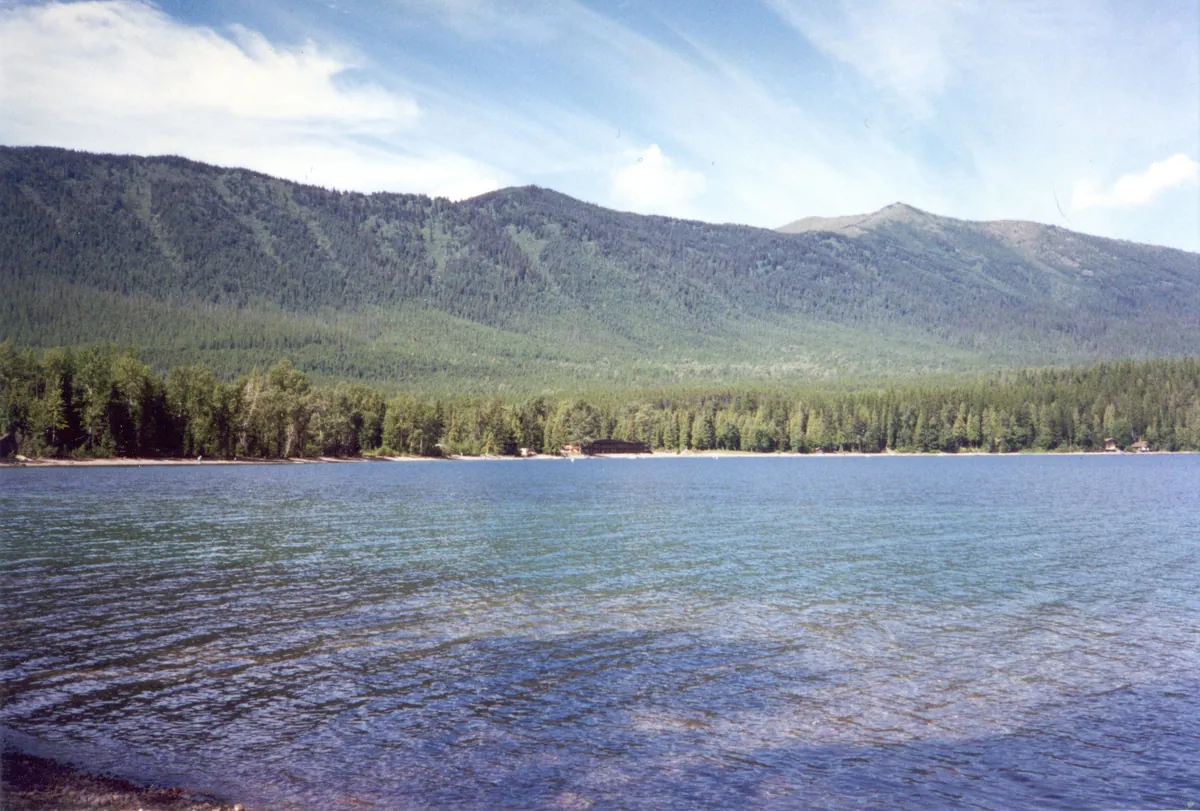
Whitefish sits on the western slope of the Continental Divide, where the Whitefish River cuts south through a valley before joining the Flathead River system and Whitefish Lake — 5.2 square miles of…
Read the full storyOn the map
Reading
The Kootenai lived in these mountains west of the Continental Divide for more than 14,000 years before Whitefish had a name in any European language. They traveled east of the Divide for buffalo hunts; the Salish and Pend d'Oreille moved through this same terrain, and early Métis communities settled here before the first Euro-American cabin went up on Whitefish Lake. The railroad arrived in 1904, the town incorporated in 1905, and the resort brochure version of the story begins there. The longer one is kept at the People's Center on the Flathead Indian Reservation — operated by the Confederated Salish and Kootenai Tribes, it holds the history, traditions, and art of three distinct nations. The National Bison Range, restored to tribal management in 2022 after more than a century of federal control, is where that continuity becomes visible on the land itself.
In December 1947, Winter Sports, Inc. — a public company built on community shares — opened Big Mountain, a ski resort cleared and constructed in part by locals who donated their own labor to make it happen. That fact sits at the center of what Whitefish is. The Whitefish Lake Ski Club had started laying groundwork a decade earlier, in 1937, with cabins and trails. After the war, local people pushed through an all-weather mountain road and raised a T-Bar lift. The mountain hosted the U.S. Alpine Championships in 1949. Olympic champion Tommy Moe learned to ski here. Renamed Whitefish Mountain Resort in 2007, it runs today inside the Flathead National Forest with Glacier National Park to the east. The town didn't wait for outside capital to build something worth having. It built the thing itself.
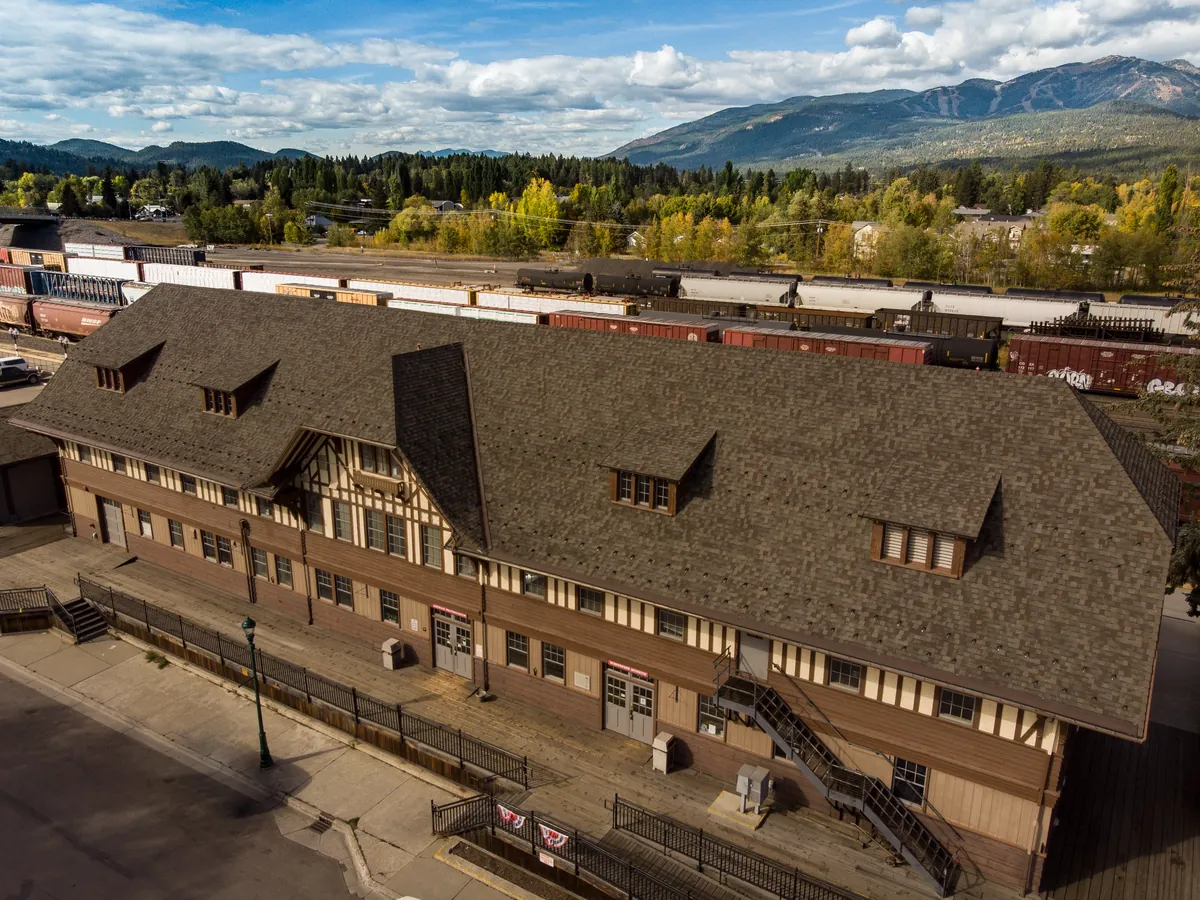
Whitefish exists because of a grade calculation. In 1904, the Great Northern rerouted its main line to avoid the steep climb over Haskell Pass, and that pragmatic decision dropped a railroad through what had been logging country and Kutenai, Pend d'Oreilles, and Bitterroot Salish hunting ground. The town incorporated in 1905; by 1910 it was a city. One railroader called it "the most distinctively railroad town on the whole Great Northern system" in 1925. The depot the railroad built — Tudor Revival, designed by Thomas McMahon, its half-timbering and pointed rooflines deliberately echoing the Glacier Park chalets the Great Northern was simultaneously selling to the world — still stands at Depot Park. Amtrak's Empire Builder still stops here. The Stumptown Historical Society runs a museum inside. BNSF leases the upper floors. A town born from a reroute, still living on the line.
John Morton put up a cabin on Whitefish Lake in the early 1890s, and the logging families — the Bakers, the Hutchinsons — followed. They dammed the river to boom logs, then cut the water loose and floated timber down to Kalispell. The Great Northern Railway had been running elsewhere, but a 1904 reroute to avoid the grade at Haskell Pass dropped the main line directly through this clearing. The town incorporated in 1905. By 1910 it had reached city status, its streets still studded with stumps — enough of them that people called it Stumptown. The Kootenai, Pend d'Oreilles, and Bitterroot Salish had known this lake by a name that meant "has whitefish" long before any of this. The timber and the railroad remade the place. The stumps were the proof.
Before you go
Plan your trip
The only thing left to do is go.
Some of these are partner links — if you book through them, Portage may earn a commission at no extra cost to you.
Editorial content compiled with AI assistance. Place details verified against public records.