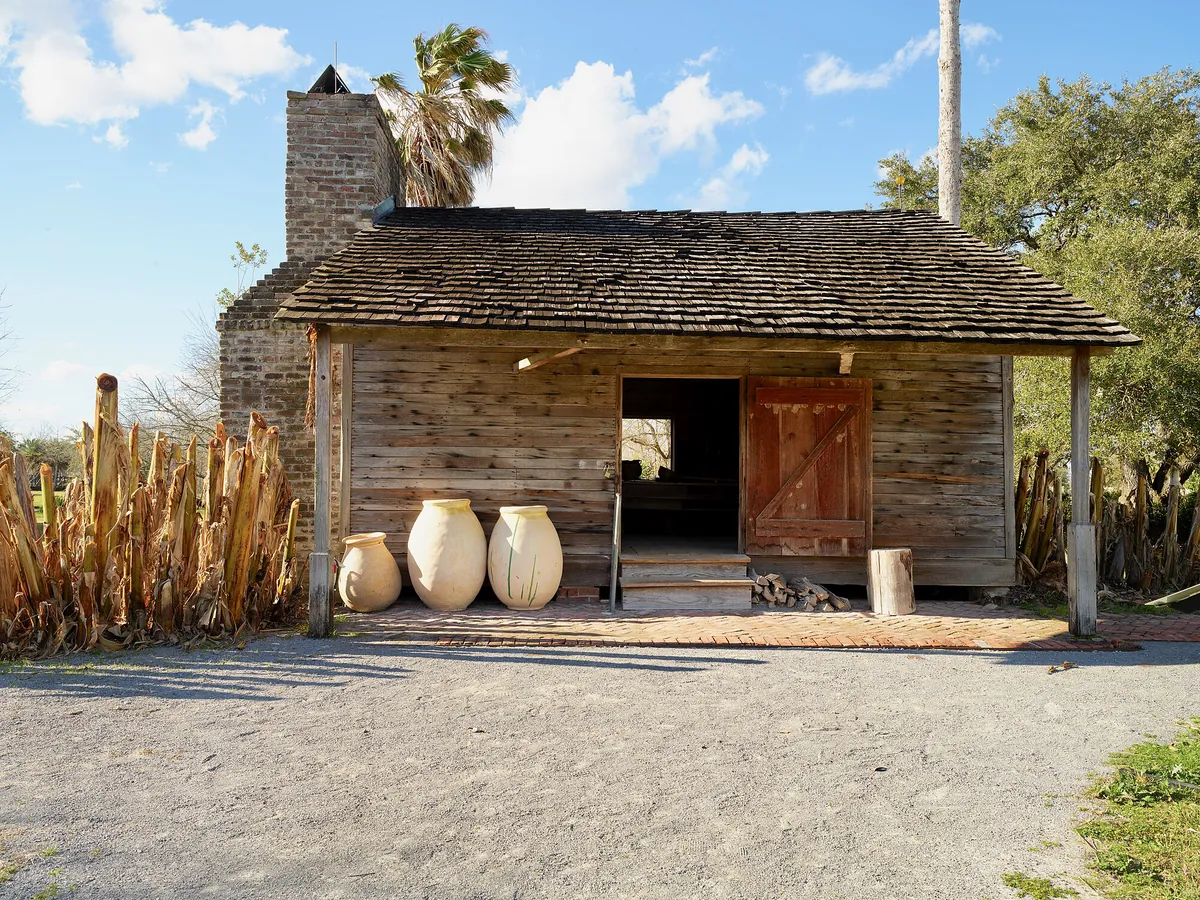
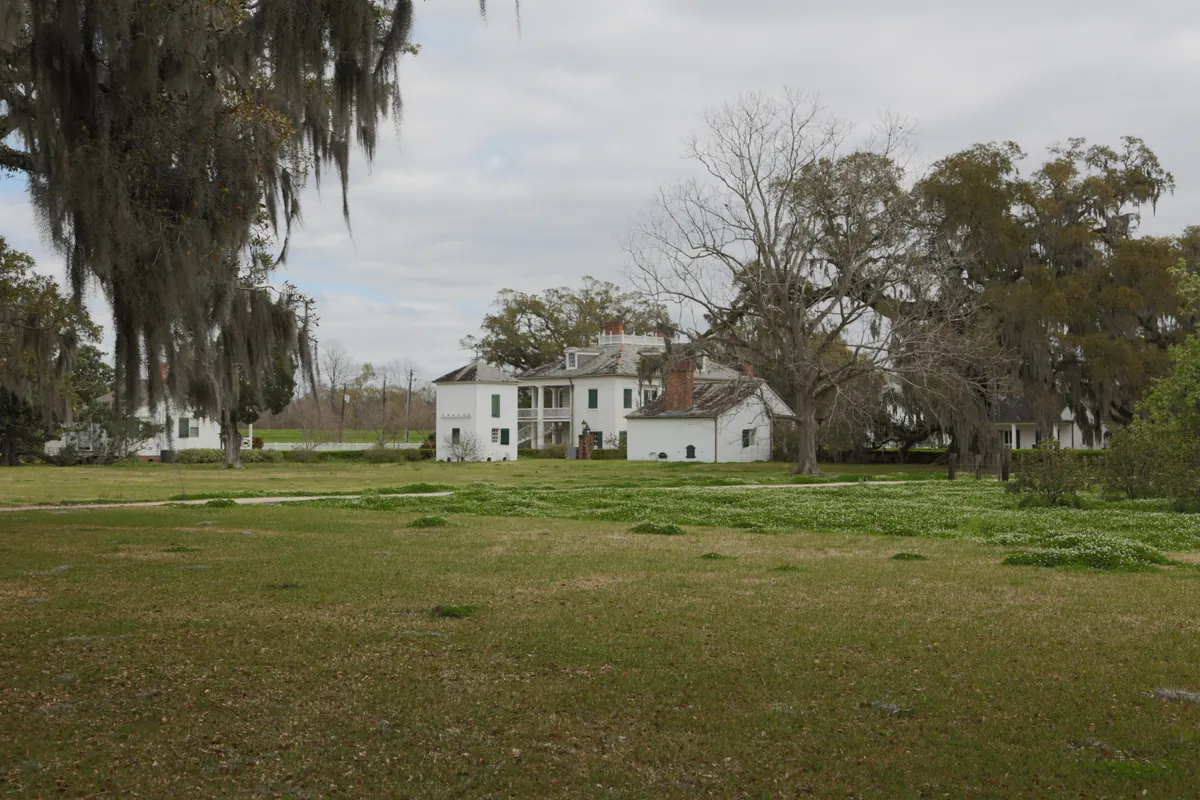
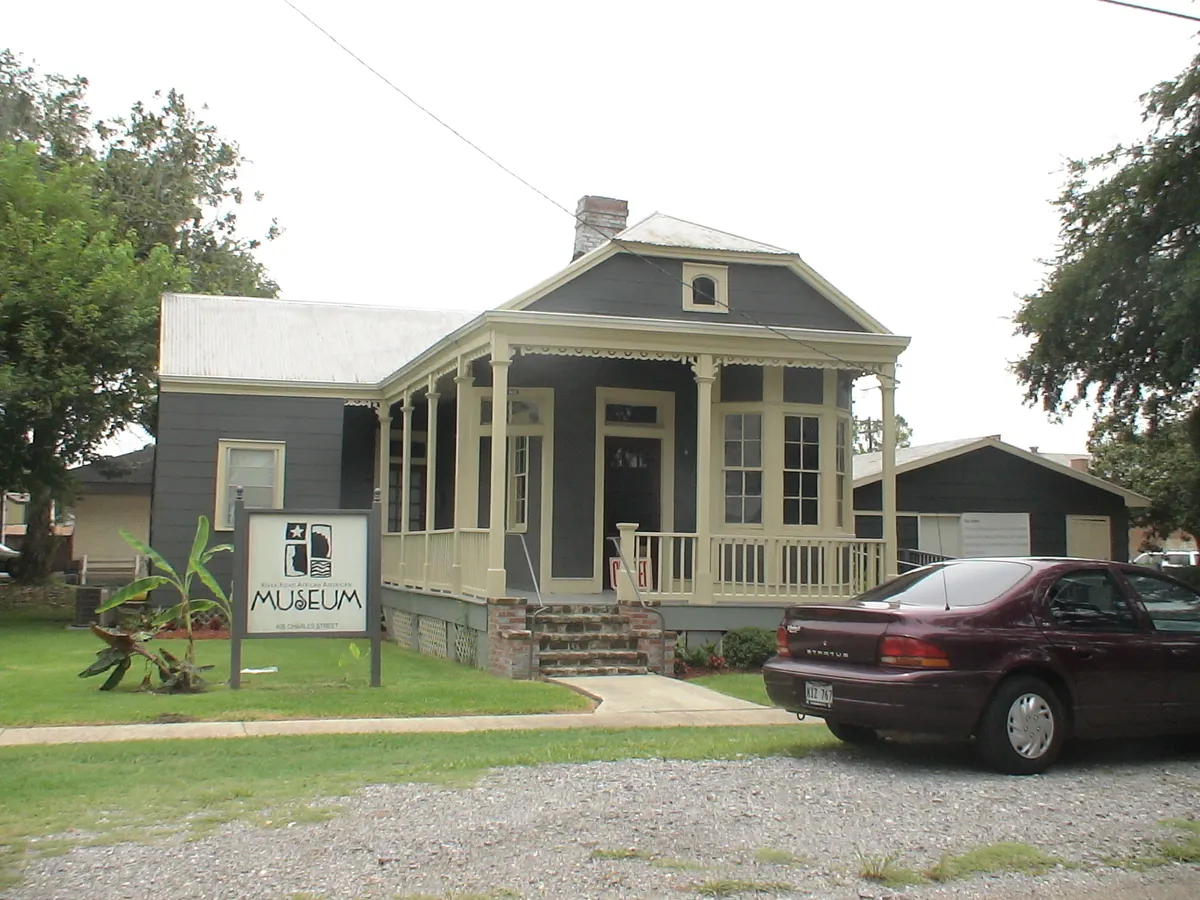
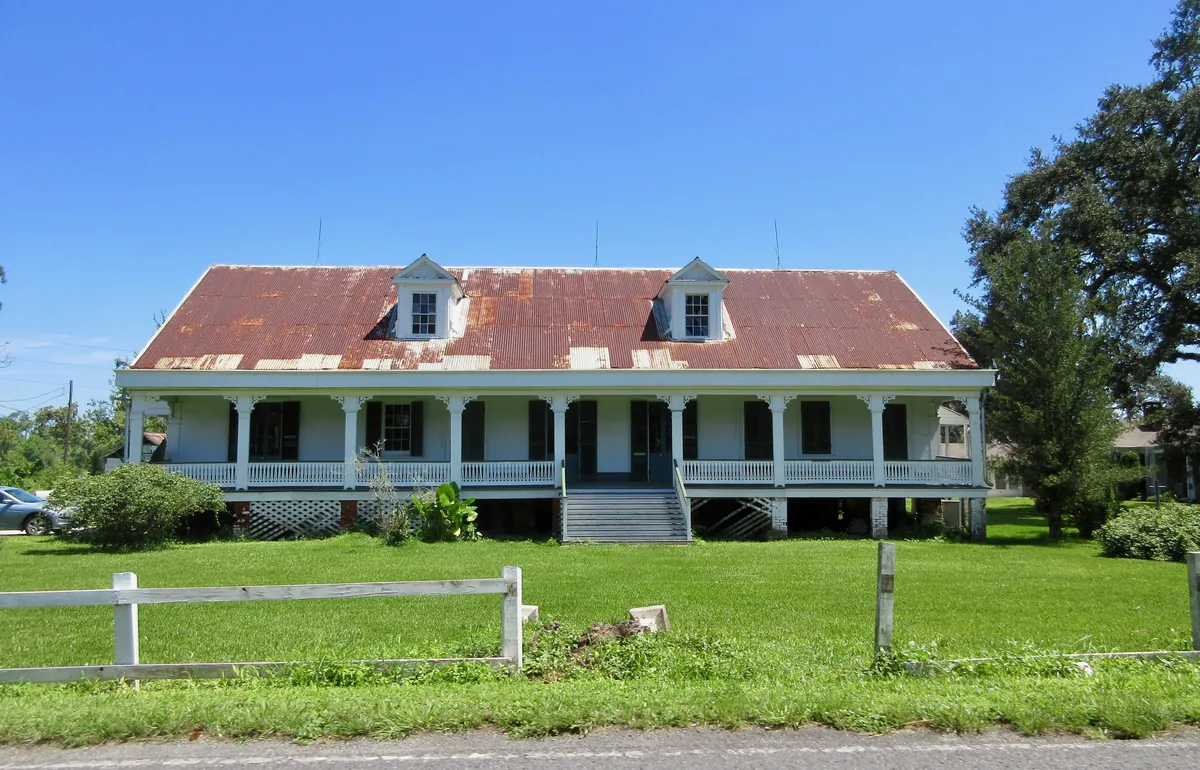
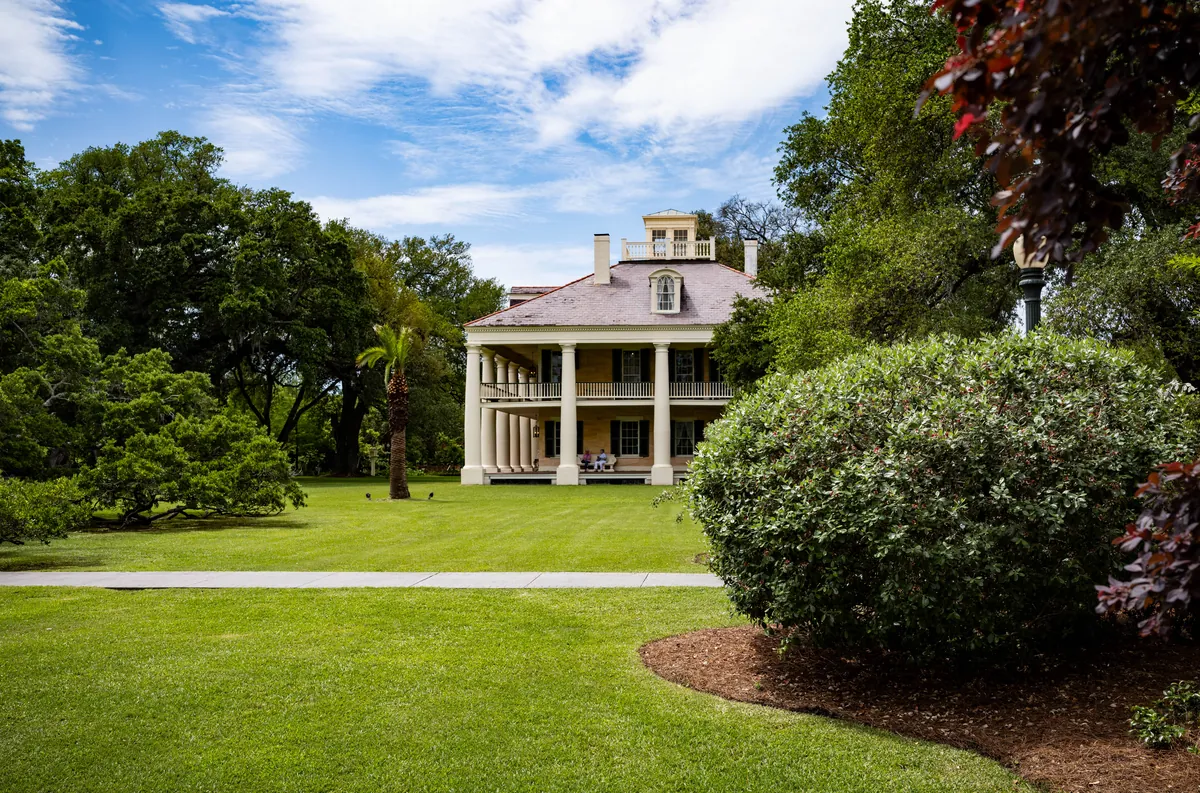
The sugar economy that made River Road required something the houses never advertised: an almost unimaginable quantity of forced labor. At Whitney Plantation in Wallace, more than 2,200 enslaved individuals are identified by name — recovered from church records and slave inventories, their testimonies gathered in the 1930s by federal writers before the last survivors died. At Evergreen, 22 original slave cabins still stand in their double-row configuration, exactly as arranged in 1860 — no comparable site exists anywhere in the country. Kathe Hambrick saw what was missing in 1994 and opened the River Road African American Museum, which holds inventories naming more than 5,000 enslaved people from Louisiana plantations. Three institutions, three different methods of recovery — and together they hold what the great houses, facing the river, were built to obscure.