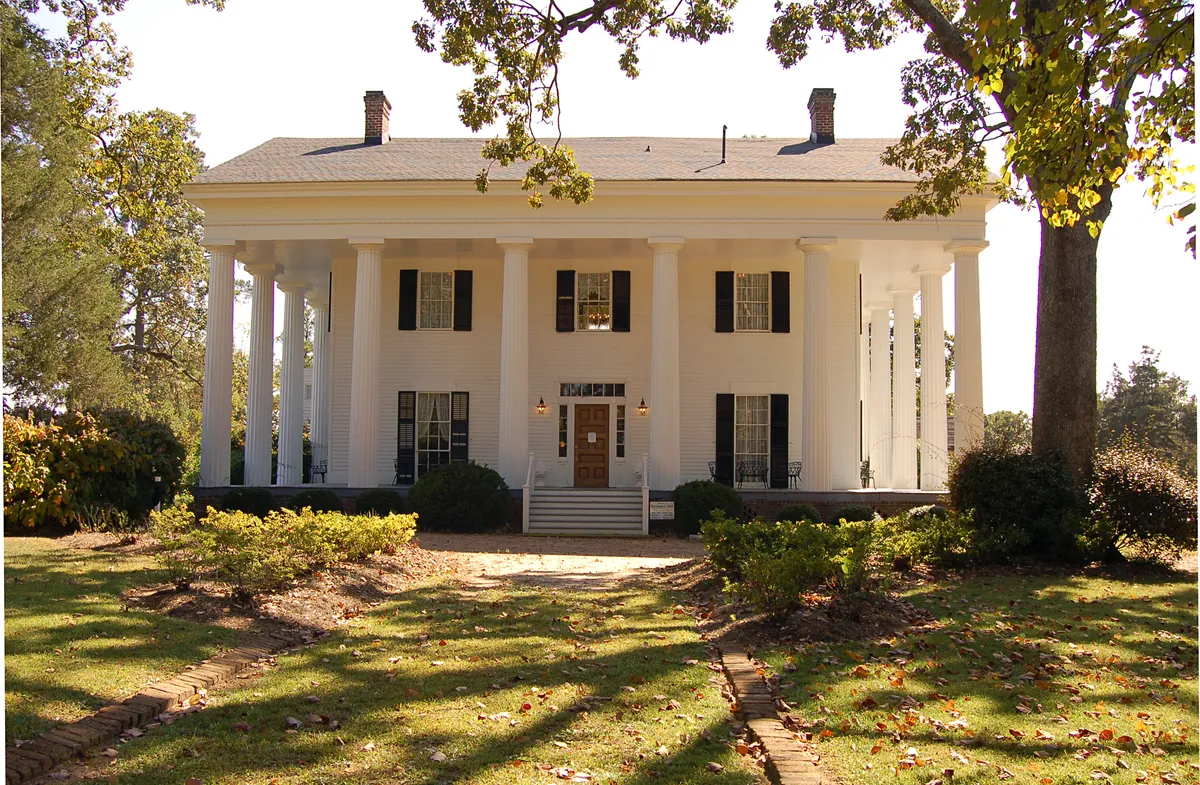
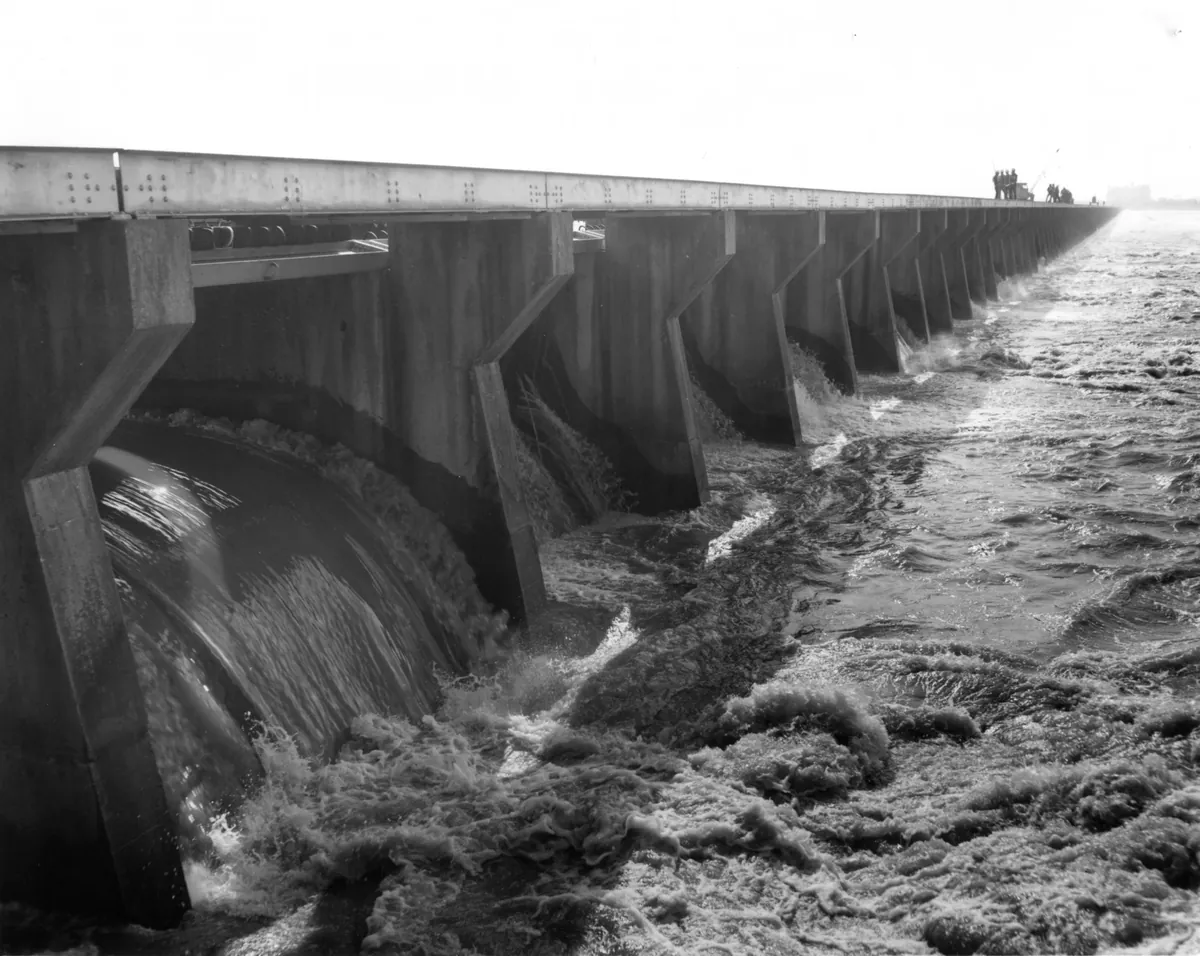
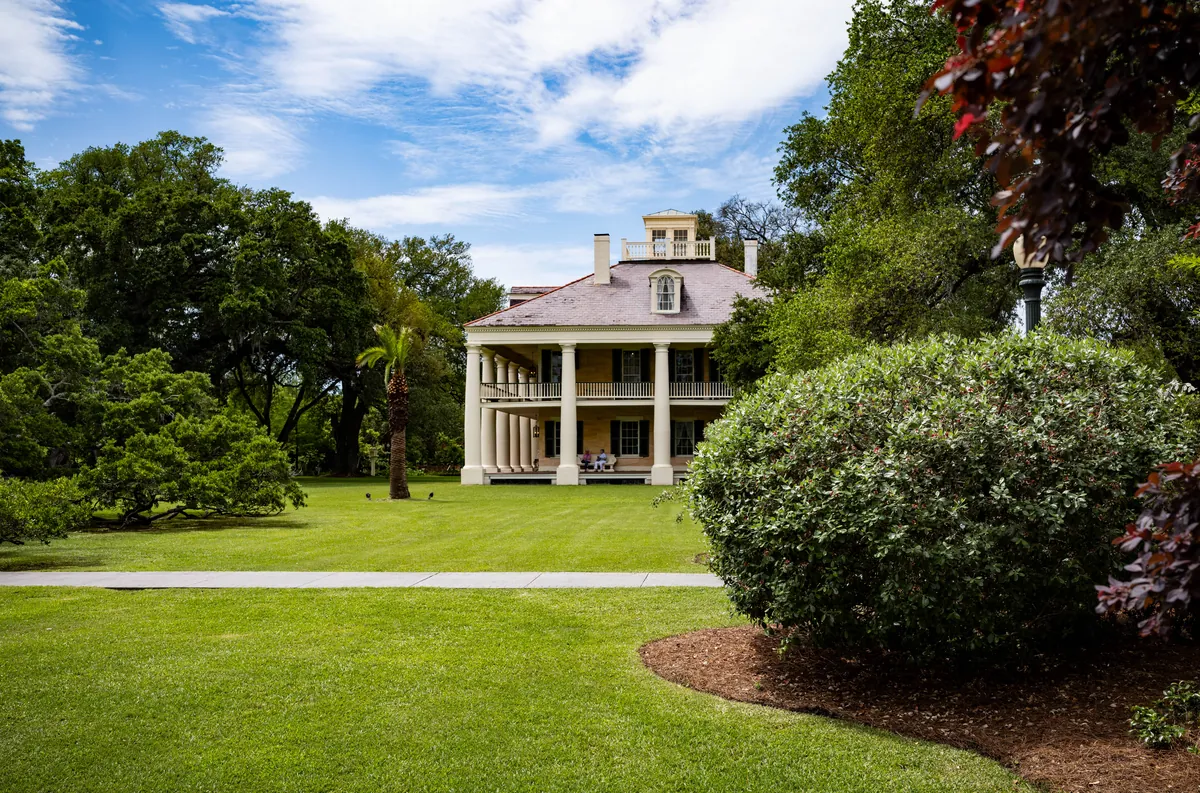
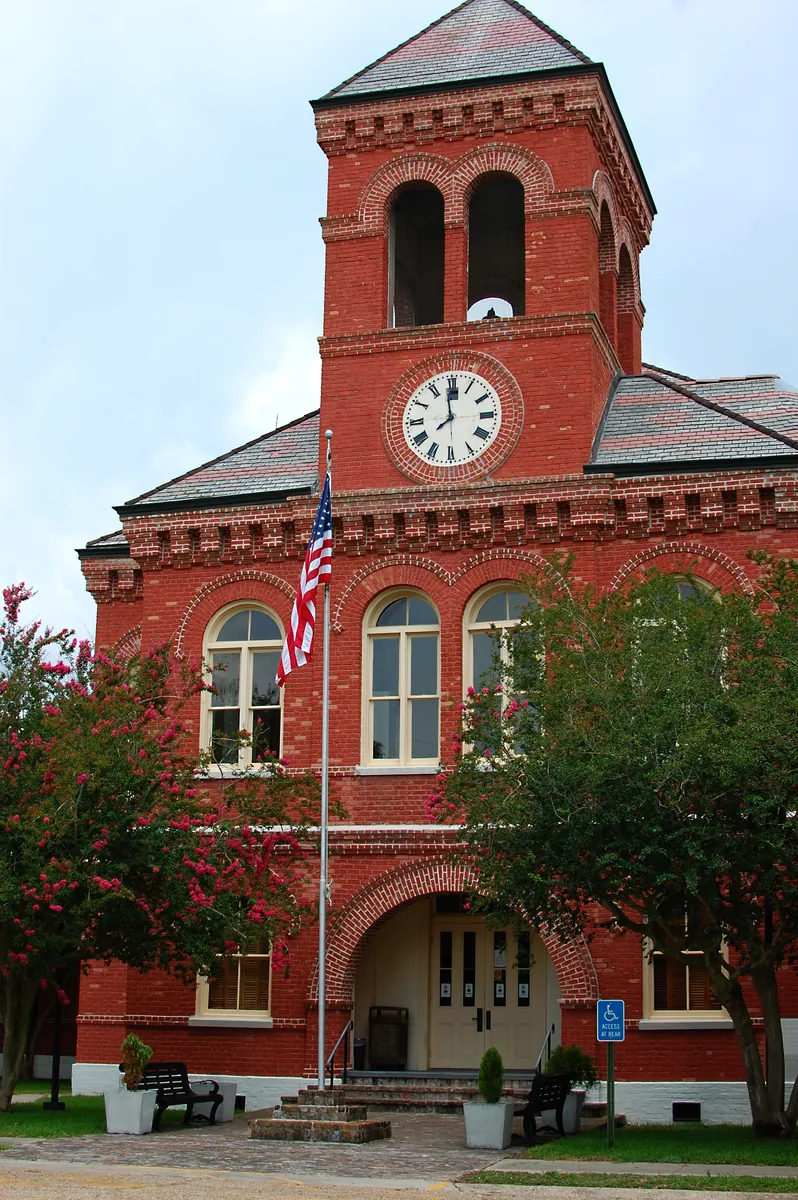
The river built everything here, then the levee hid it. At Oak Alley, 28 live oaks planted in the early 18th century run a quarter-mile from the house straight to the Mississippi — because guests arrived by boat, walked the alley, and reached the front door. Today you approach from River Road, which was always the back. The levee blocks what the architecture was oriented toward entirely. That inversion runs the length of River Road: Houmas House took its name from the people dispossessed of the land in 1774; by 1862, 750 enslaved people on 12,000 acres produced five million pounds of sugar a year there. The same river logic that arranged the plantations drew the Army Corps in 1931 to build the Bonnet Carré Spillway — 350 bays that open when the Mississippi threatens New Orleans, and close into 7,700 acres of wildlife preserve. The river still decides what happens here.