Creole Roots, American Dreams — The Intertwined Histories of French Descendants and Free People of Color
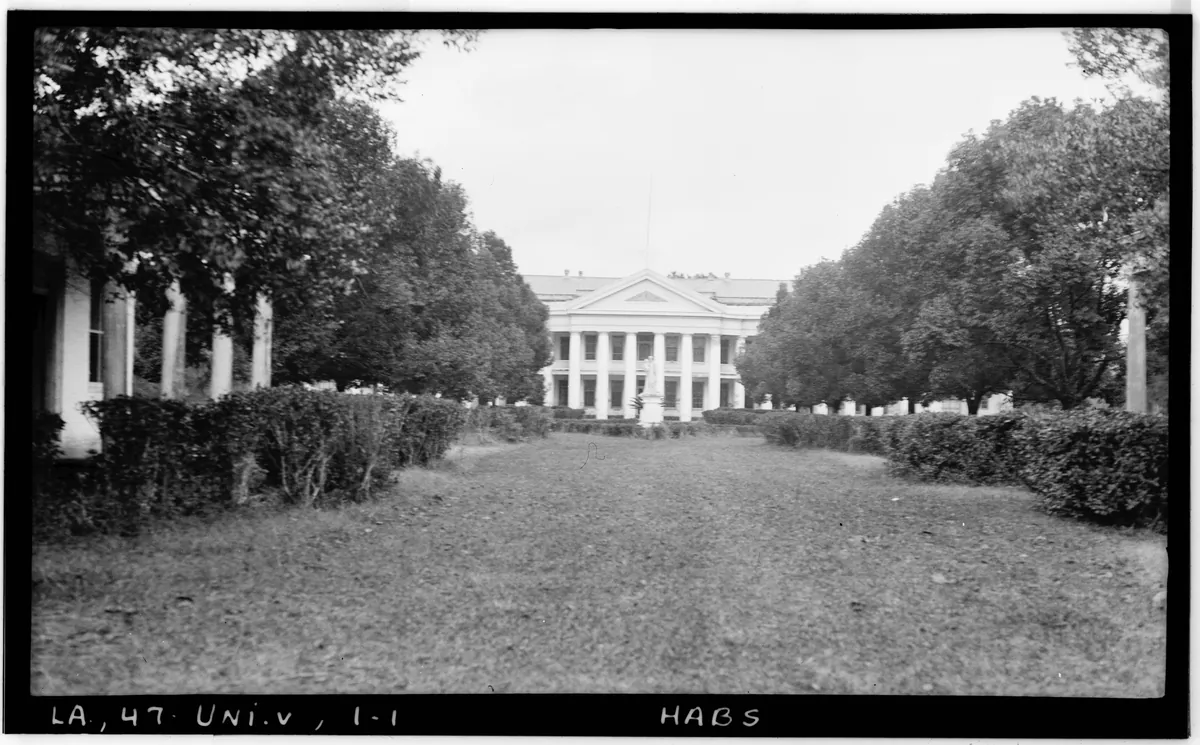
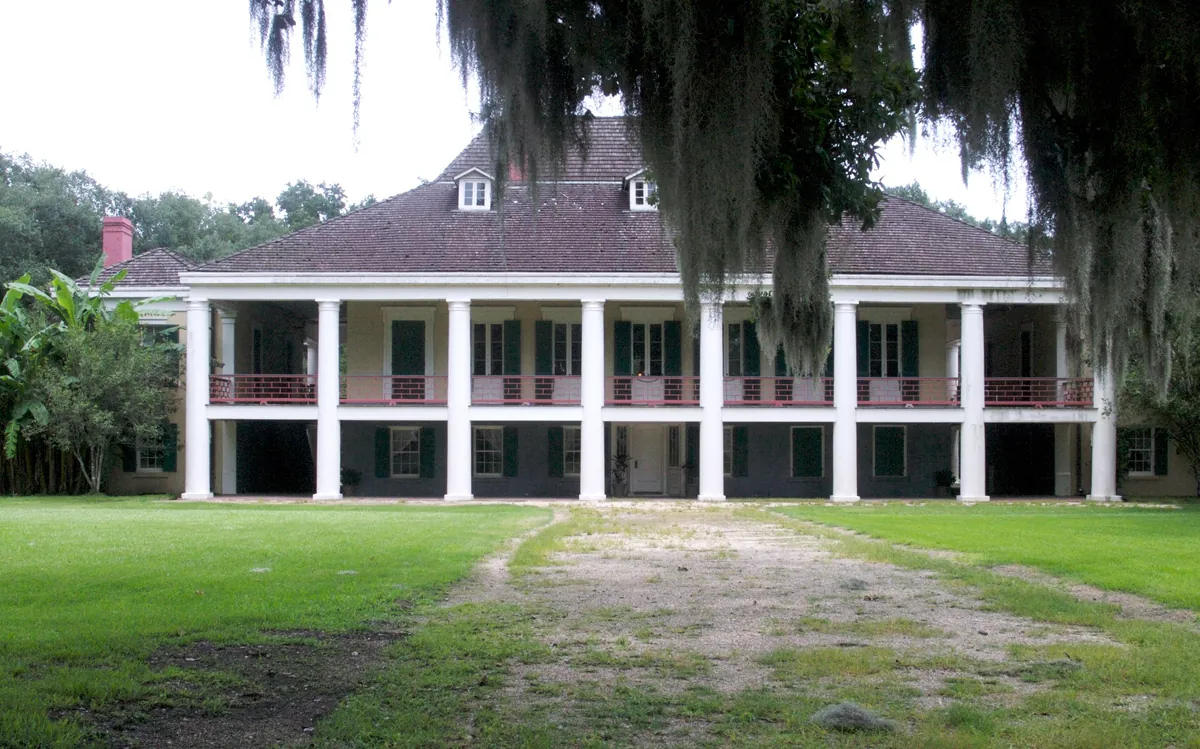
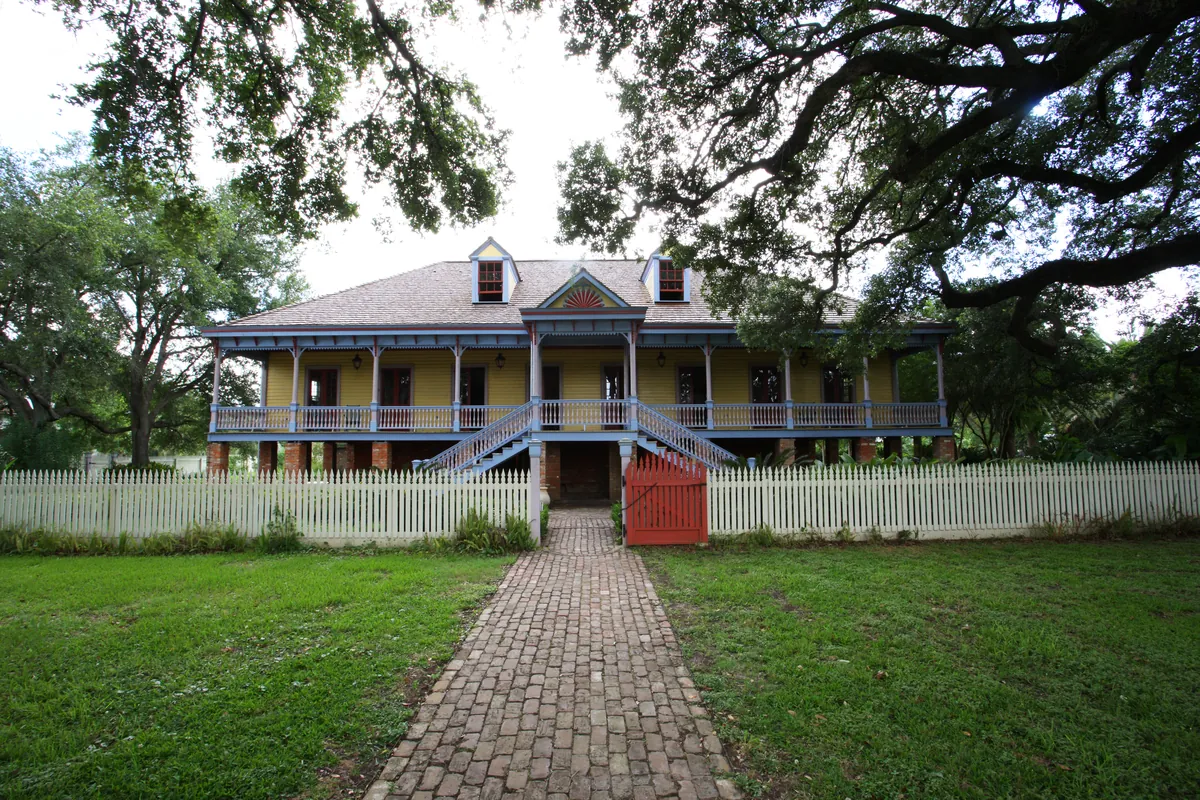
At Vacherie on River Road stands a Creole plantation house — raised, galleried, painted yellow and red — nothing like the Greek Revival mansions across the road. Women ran it for three consecutive generations, working it as a sugar business. In the 1870s, the folklorist Alcée Fortier came here to collect the Br'er Rabbit tales from Senegalese workers — the clever rabbit, the foolish fox, stories whose trickster tradition came from West Africa. This is where the Uncle Remus stories originated. Joel Chandler Harris later published them without attribution to Fortier or to the West African tradition that carried them. That's the thread worth standing in: the great houses face the river because the river was the road, and the architecture tells you who held the wealth. But the stories — the ones that traveled furthest, that everyone thinks they know — came up from the quarters, in Louisiana Creole, from people whose names the published versions left off.