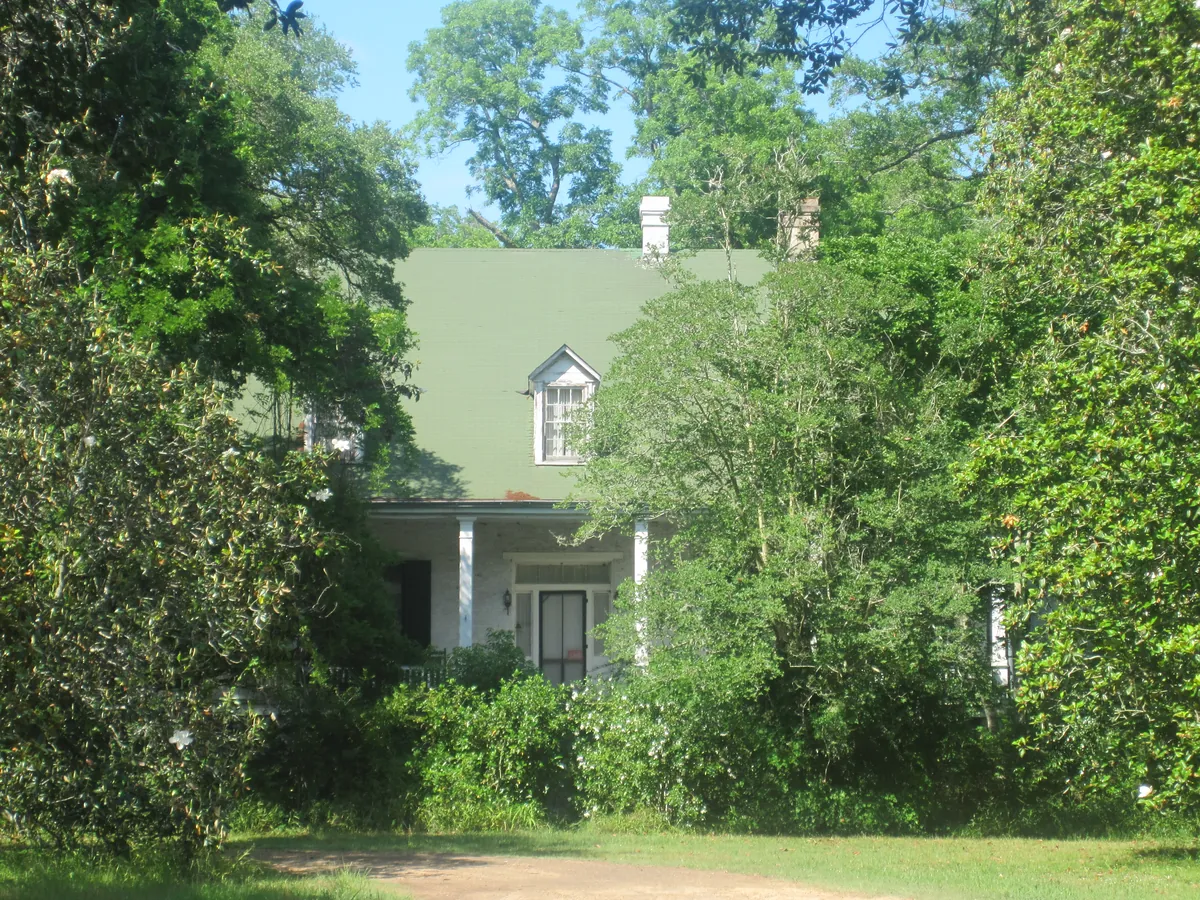
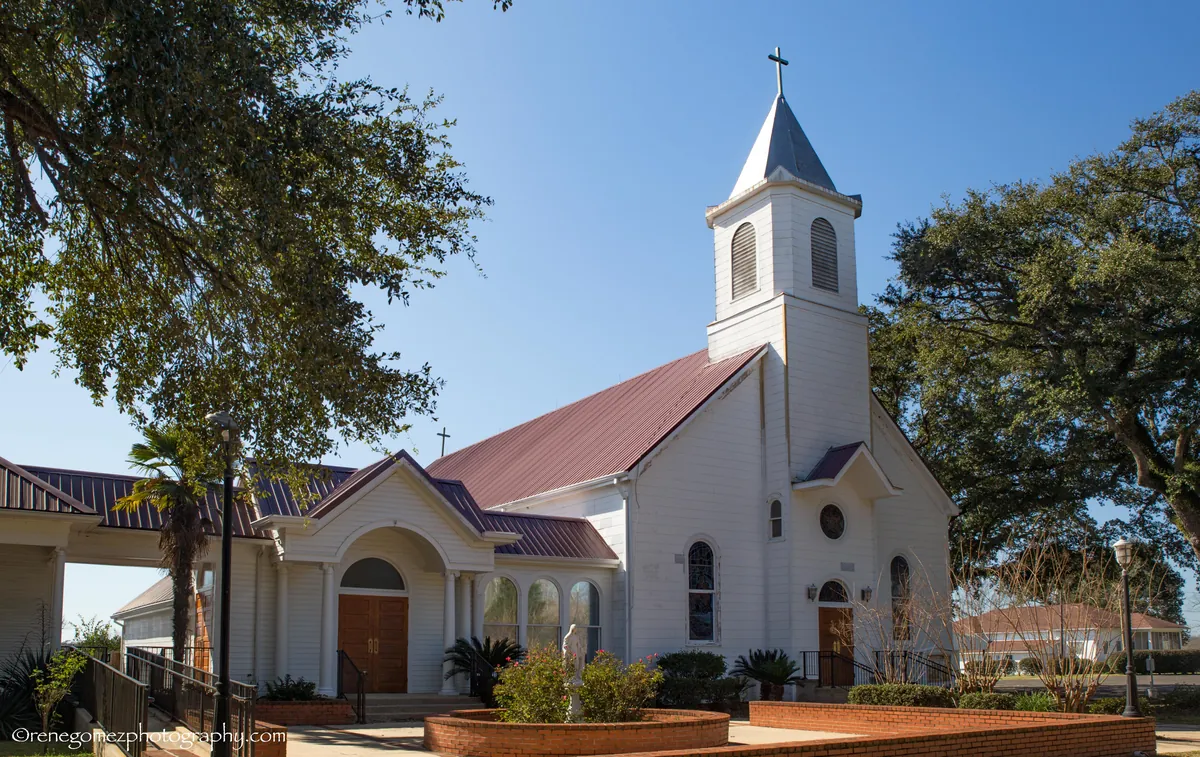
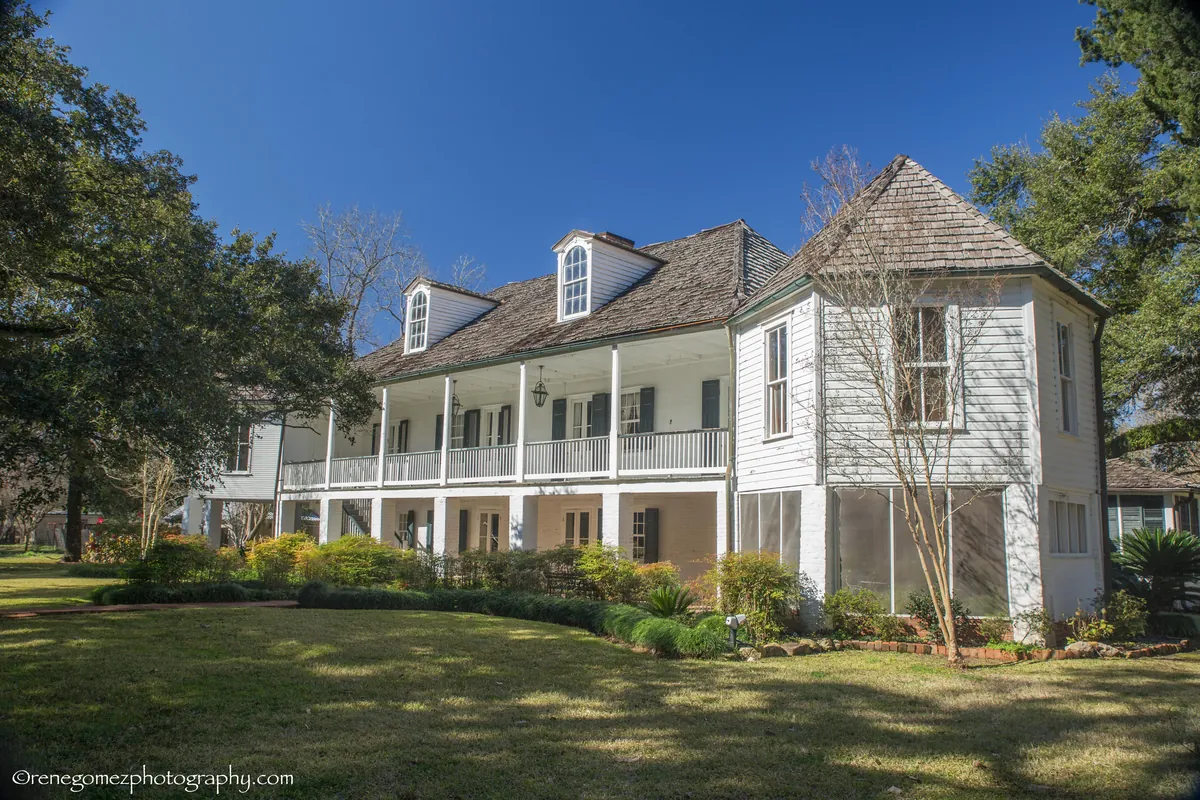
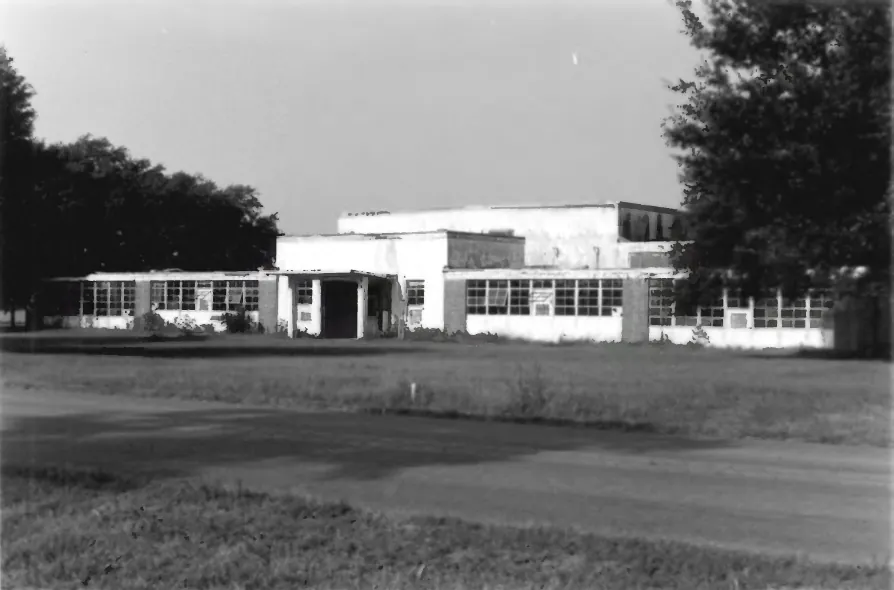
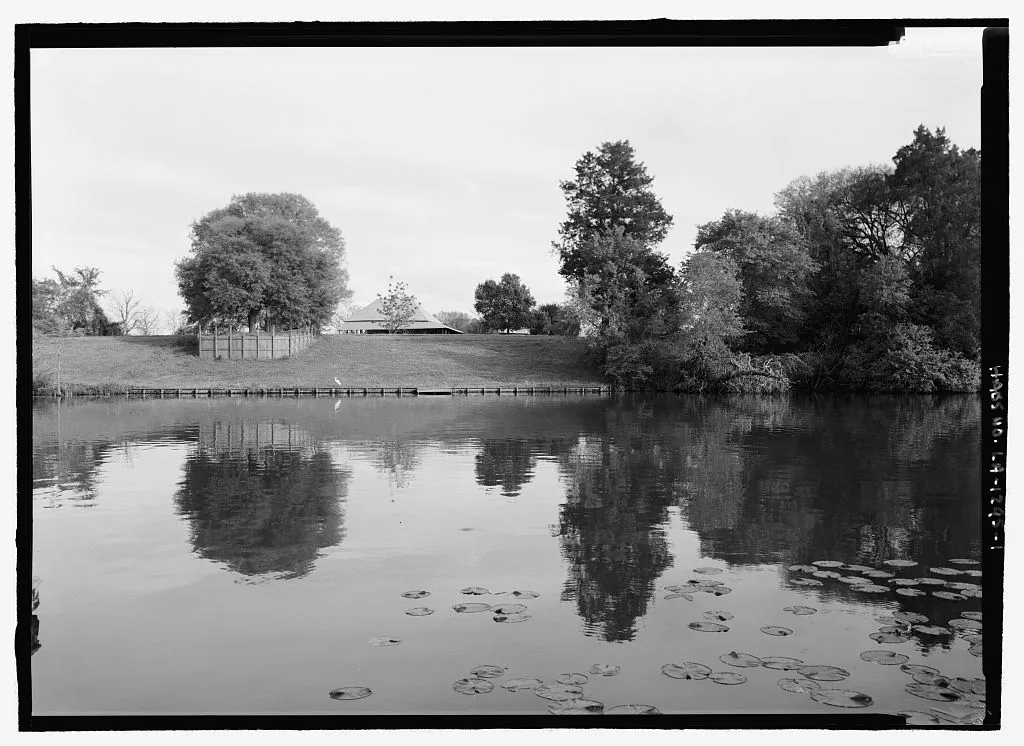
Marie Thérèse Coincoin was born enslaved and died free, and between those two facts she built something that outlasted her by two centuries. Her children and grandchildren founded the gens de couleur libres community on Isle Brevelle — a stretch of Cane River bottomland that, in the antebellum South, should not have existed. Her son Nicolas Augustin commissioned a chapel there in 1829, said to be the first Catholic church built by free people of color in America. Her family built what became one of the largest plantations in the antebellum South constructed by free people of color. Eight slave cabins from a neighboring plantation survive as among the best-preserved enslaved quarters in the country. Clementine Hunter painted the life of this river in 1955 murals that still hang in the African House. The cemetery holds the generations. The community is still here.