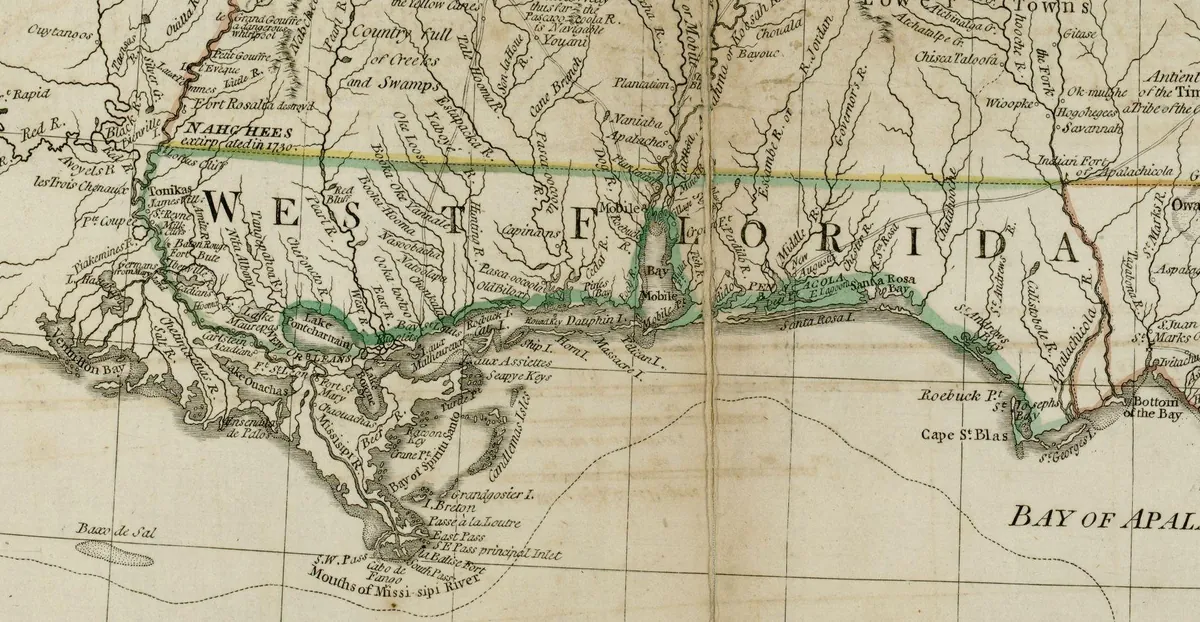
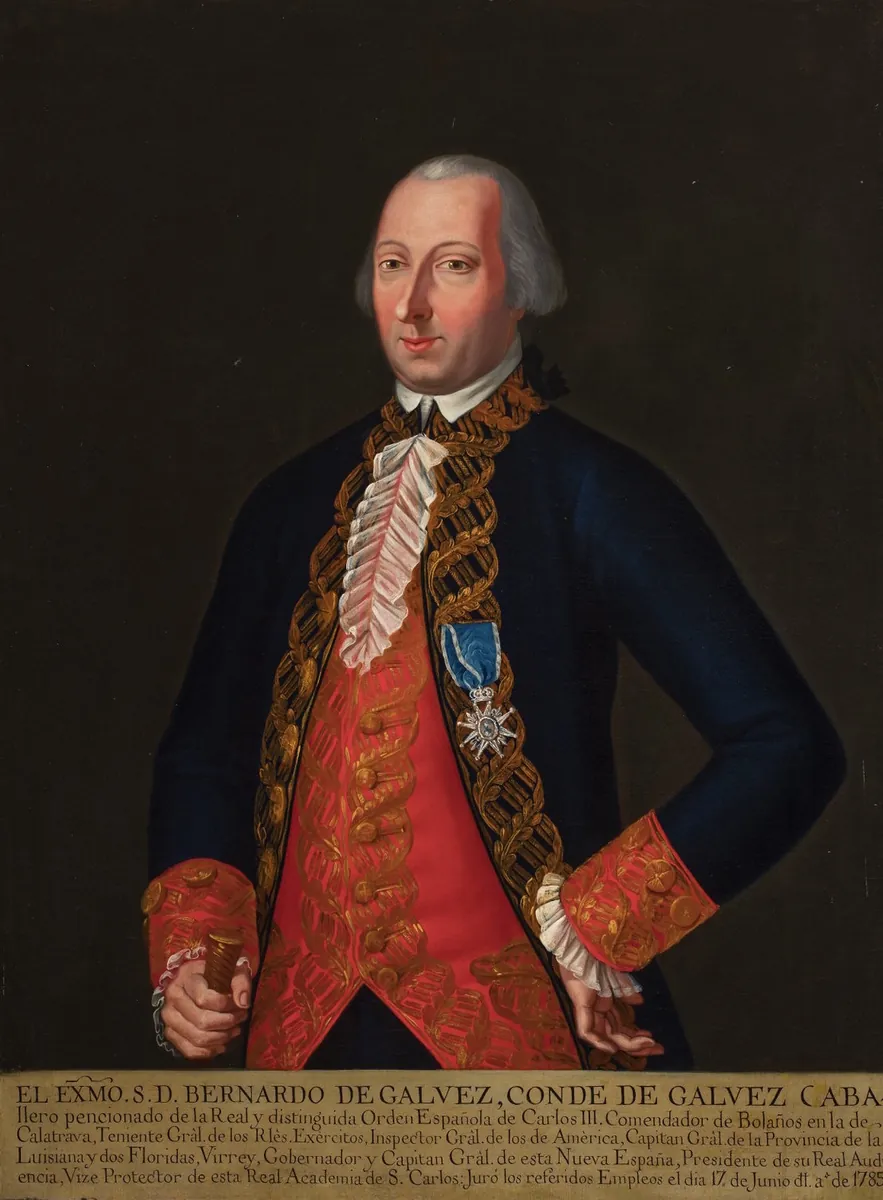
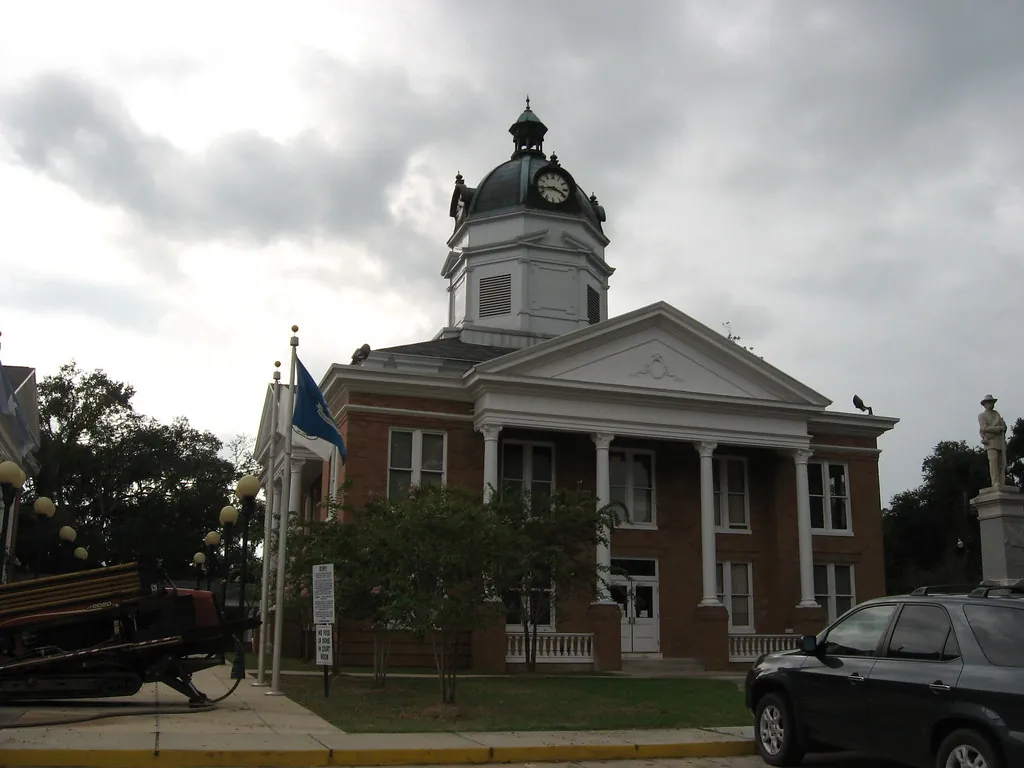
In March 1699, Iberville found a red-stained cypress pole on the bluff above the Mississippi — planted by the Houma and Bayougoula peoples to mark the boundary between their hunting grounds. He called it le bâton rouge and kept moving. The name held through every subsequent claim on the place. The British built Fort New Richmond here after 1763, established Protestant settlers and English common law, and considered their fort impregnable — until September 1779, when Bernardo de Gálvez arrived in a thunderstorm with 1,400 soldiers and took the garrison in 25 minutes. Gálvez then swept through Natchez, Mobile, and Pensacola, eliminating British power from the Gulf South and keeping British forces from outflanking the American Revolution from the west. Congress granted him honorary citizenship in 2014, 228 years after his death. In 1810, American settlers seized the Spanish fort and declared a republic that lasted 79 days before Madison annexed it. The bluff was never anyone's for long.