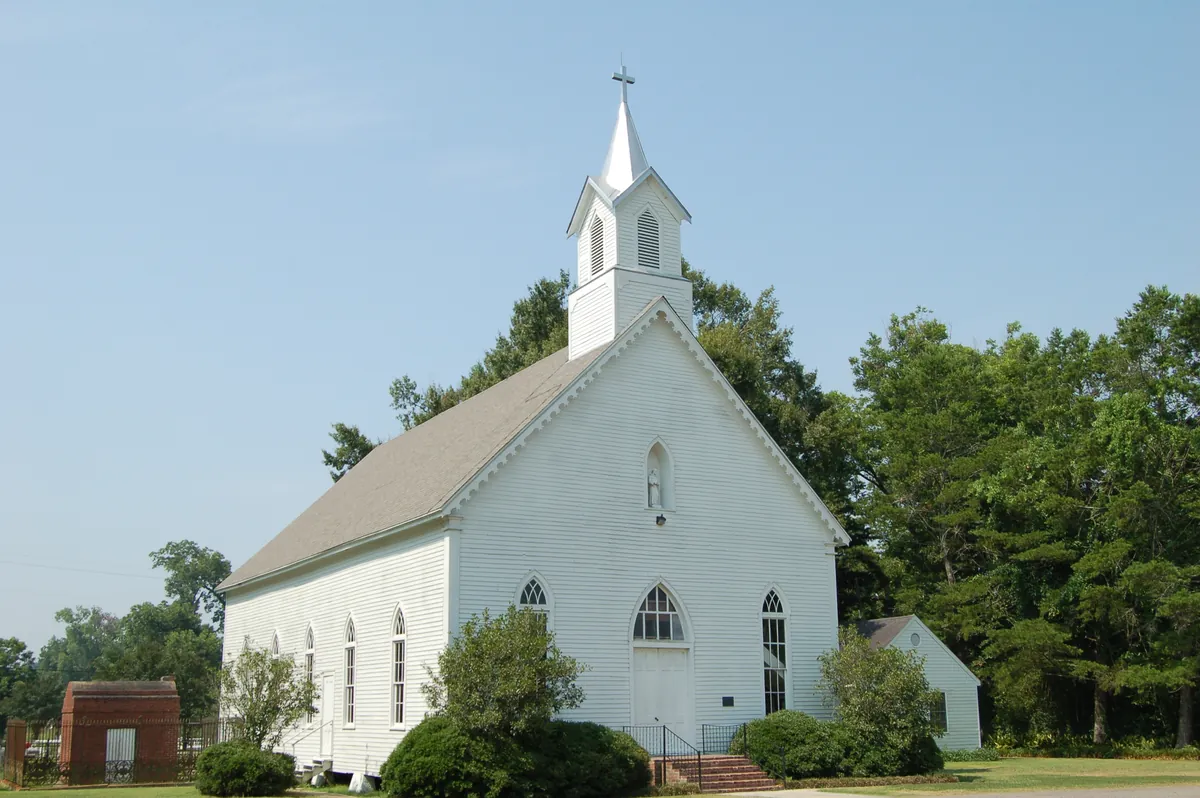
In the 1700s, the Mississippi severed its own meander and left behind a twenty-three-mile crescent of still water — and French settlers, already rooted here since the early 1700s, named the parish for the severance: Pointe Coupee, cut point. This was one of the oldest European communities on the Mississippi, its Catholic parish sites predating the Louisiana Purchase by nearly a century. The buildings that now house the Pointe Coupee Parish Museum in New Roads rank among the oldest surviving structures in the state, and the exhibits trace that arc from the 1720s forward — primary material from a place where the parish formed before the nation did. The oxbow the river abandoned became False River, now twenty-three miles of recreational water anchoring the lakeside town of New Roads. What the French built here was already old when the United States acquired it.